
Views: 222 Author: Robert Publish Time: 2026-01-13 Origin: Site


Content Menu
● Why Identification of a Mile Marker Hydraulic Winch Matters
● Typical Construction of a Mile Marker Hydraulic Winch
● Key External Features of a Mile Marker Hydraulic Winch
● Checking the Data Plate on a Mile Marker Hydraulic Winch
● Finding and Using the Serial Number
● Recognizing Series and Capacity
● Hydraulic Circuit Clues for Identification
● Confirming Rated Line Pull and Duty
● Comparing Mile Marker Hydraulic Winch Families
● Using Manuals and Catalogs for Confirmation
● Support Channels for Identifying Older Units
● Integrating Kemer Solutions with Mile Marker Hydraulic Winch Systems
● Best Practices for On‑Site Inspection
● Using Media Resources for Visual Comparison
● FAQ
>> 1. What information on the tag identifies my Mile Marker hydraulic winch?
>> 2. Where is the serial number located on a Mile Marker hydraulic winch?
>> 3. How can I confirm which series my Mile Marker hydraulic winch belongs to?
>> 4. What should I do if my Mile Marker hydraulic winch has lost its label?
>> 5. Can Kemer provide an alternative to a Mile Marker hydraulic winch on my machine?
A Mile Marker hydraulic winch can be identified by its data plate, casting marks, hydraulic valve layout, and distinctive series‑specific details on the frame, drum, and motor assembly. Correct identification is essential for selecting parts, applying the right operating instructions, and comparing a Mile Marker hydraulic winch with OEM alternatives from manufacturers such as Kemer.
A clearly identified Mile Marker hydraulic winch helps owners match the correct user manual, installation procedure, and safety recommendations to the exact unit installed on the vehicle or equipment. For fleet managers and OEMs, knowing the specific model of each Mile Marker hydraulic winch simplifies spare parts management, troubleshooting, warranty tracking, and upgrade planning across multiple machines.
To support global users, Kemer focuses on compatible hydraulic winch solutions, planetary gearboxes, winch drives, swing drives, travel drives, and hydraulic motors, all of which often work side‑by‑side with Mile Marker hydraulic winch systems in demanding applications such as construction, forestry, mining, and recovery.
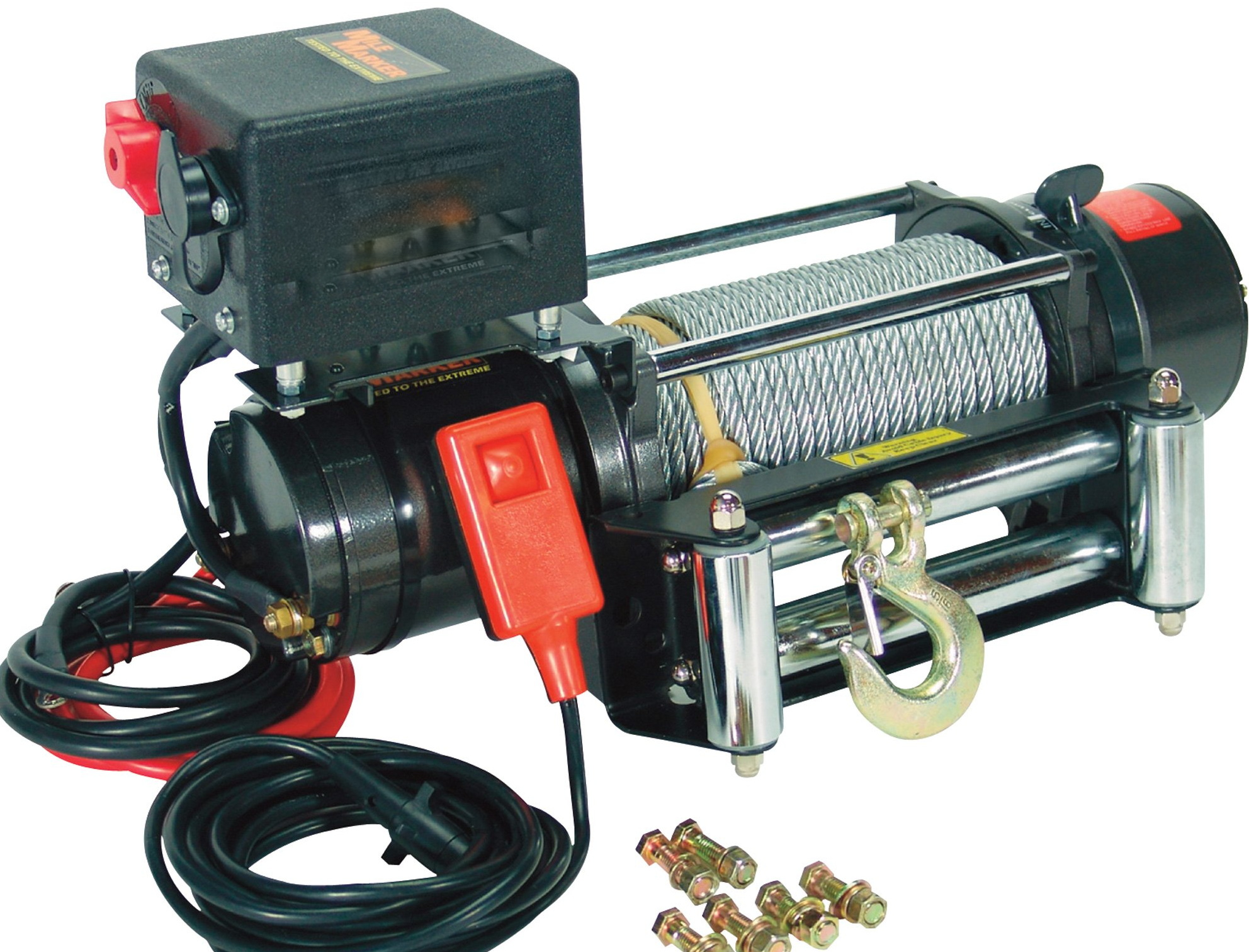
A Mile Marker hydraulic winch usually includes a hydraulic motor, a planetary gear train, a drum and frame, a brake system, and a control valve assembly that routes hydraulic fluid. Understanding these core elements makes it easier to visually compare your Mile Marker hydraulic winch with reference materials from manuals, catalogs, and training media.
- Hydraulic motor: Converts hydraulic oil flow into torque to rotate the drum of the Mile Marker hydraulic winch under load.
- Planetary gearbox: Multiplies torque and sets line speed so the Mile Marker hydraulic winch can pull heavy loads with a compact package.
- Drum and frame: Support the wire rope and provide the structural mounting interface for the Mile Marker hydraulic winch.
- Valve block: Directs flow, controls speed, and enables remote actuation of the Mile Marker hydraulic winch from the cab or a control station.
- Brake system: Holds the load securely when the Mile Marker hydraulic winch is stopped, preventing uncontrolled unwinding of the rope.
Even before reading a tag, a Mile Marker hydraulic winch often shows external clues that distinguish it from other brands. Paying attention to these details is a practical first step in field identification, especially on heavily used or older winches.
- Motor and valve orientation: Many Mile Marker hydraulic winch designs place a compact motor on one end and a recognisable valve or manifold arrangement on or near the top or side.
- Two‑speed selector: On certain series, the Mile Marker hydraulic winch includes a clearly marked lever for free‑spool and speed selection, which helps narrow down the family.
- Housing contours: The shape of the gear housing, motor flange, and drum support often follows consistent design language across Mile Marker hydraulic winch families.
- Corrosion‑resistant details: Some HI‑series Mile Marker hydraulic winch models emphasize sealed, element‑resistant construction for harsh marine or off‑road environments.
The most reliable way to identify a Mile Marker hydraulic winch is by locating and reading its data plate or identification tag fixed to the unit. Like other professional manufacturers, Mile Marker uses permanent tags that present key information in a compact format.
- Typical location: The plate on a Mile Marker hydraulic winch is often mounted on the side of the gear housing, main frame, or motor area where it remains visible after installation.
- Information displayed: Common data include brand name, model series (for example H9000, H10500, or an HI‑series designation), rated line pull in pounds, and sometimes serial number and manufacturing code.
- Condition of the tag: Dirt, paint, or corrosion may hide markings, so gently cleaning the area is often necessary to read the Mile Marker hydraulic winch plate accurately.
If the plate is missing or unreadable, technicians should not assume the rating or series, because different Mile Marker hydraulic winch models can share similar external shapes while having very different capacities and internal gearing.
When the label is damaged, a serial number can still lead back to the correct configuration of a Mile Marker hydraulic winch. Serial numbers allow dealers and service providers to trace product history and confirm which parts and kits will fit.
- Stamped locations: The serial number on a Mile Marker hydraulic winch is often stamped into the steel housing, side plate, or another exposed metal section of the winch body.
- Reading the number: Clean the suspected area carefully and use good lighting; on older hydraulic winch units the stamp may be shallow but still legible.
- Using the serial: Once recorded, the serial number can be referenced with Mile Marker or knowledgeable distributors to identify the exact hydraulic winch model, build specification, and approximate production date.
Keeping a central register of serial numbers for each Mile Marker hydraulic winch in a fleet also supports long‑term maintenance planning and asset control.
Different Mile Marker hydraulic winch series target different capacities and operating environments. Recognizing which series your winch belongs to narrows down the manuals, parts lists, and mounting accessories that will apply.
- H‑series: General‑purpose Mile Marker hydraulic winch units typically in the 9,000–12,000 lb single‑line pull range, widely used on 4x4 trucks and utility vehicles.
- HI‑series: Enhanced Mile Marker hydraulic winch designs emphasising submersibility and harsh‑environment performance, often with more integrated control features.
- Heavy‑duty or special variants: Certain Mile Marker hydraulic winch models are tailored for military vehicles, recovery trucks, or industrial machines and may use special mounting feet, drum widths, or hydraulic options.
Matching the observed rated capacity on the tag with catalog values is a simple but powerful step for confirming which Mile Marker hydraulic winch family is installed.
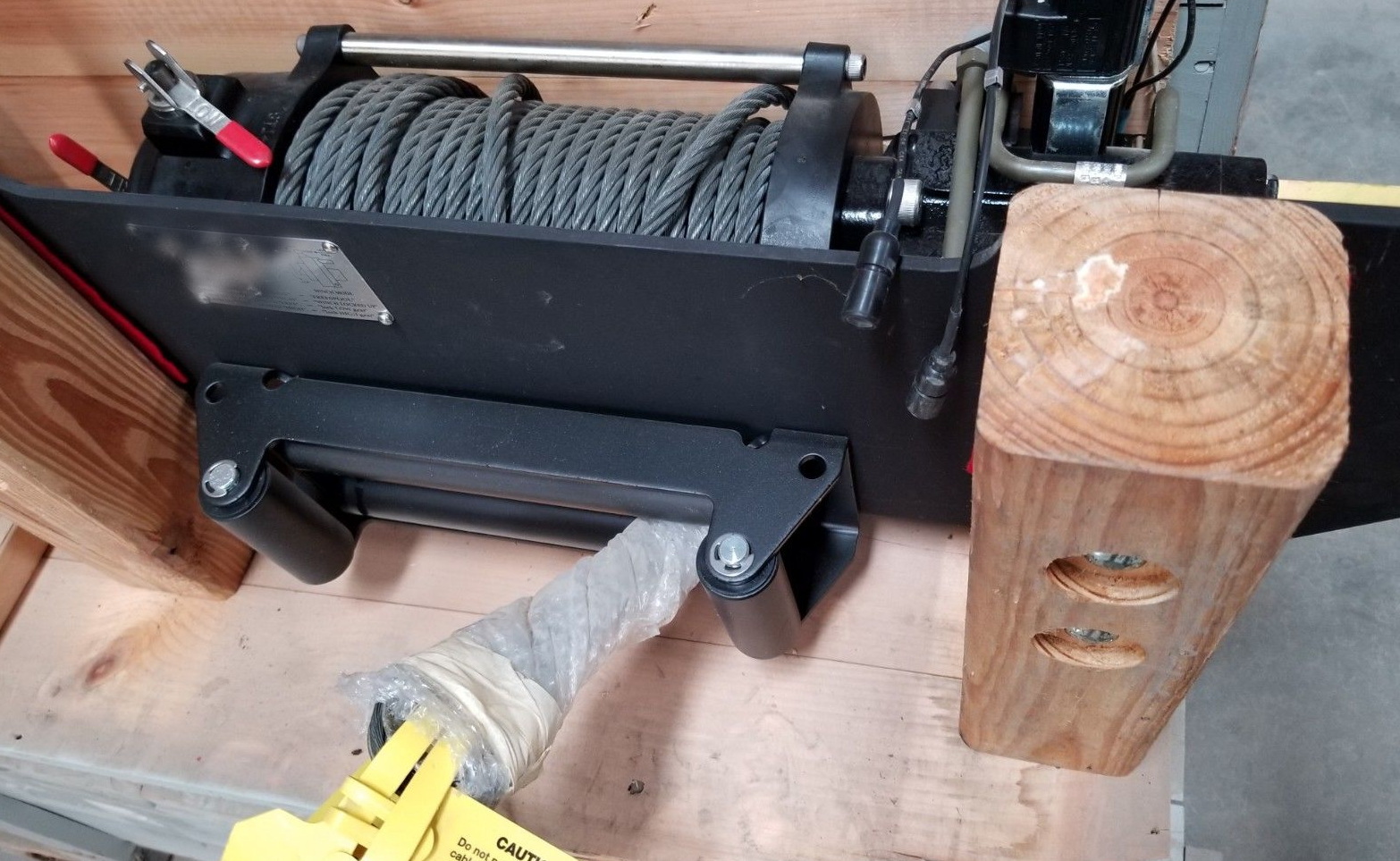
The hydraulic circuit surrounding a Mile Marker hydraulic winch also carries identification clues. The way hoses, valves, and flow‑control elements are arranged often reflects the specific kit supplied with a given model.
- Dedicated valve kit: Many Mile Marker hydraulic winch packages include a dedicated directional control valve, sometimes solenoid‑operated, that is designed specifically for the winch kit.
- Flow discs and orifices: Some systems use marked flow discs or restrictors to control speed and protect the steering circuit when the hydraulic winch is tied into a vehicle's existing pump.
- Booster valve and long‑line setups: Rear‑mounted Mile Marker hydraulic winch installations may add extra valves to maintain pressure over long hose runs, and these additions can hint at the original kit type.
When identifying an unknown winch, trace the hoses back from the Mile Marker hydraulic winch to the valves, pump, and tank connections, and record any part codes or labels present on the hydraulic components.
Every Mile Marker hydraulic winch is sold with a rated single‑line pull based on the lowest wrap layer on the drum. Confirming that rating protects both equipment and personnel.
- Rated pull: Common Mile Marker hydraulic winch ratings around light to medium truck applications include values like 9,000 lb, 10,500 lb, and 12,000 lb.
- Drum layers: As more rope winds onto the drum, the effective radius increases and the actual pulling capacity decreases compared to the base rating.
- Duty expectations: Continuous‑duty hydraulic systems usually allow longer pulling cycles than equivalent electric winches, but overheating of oil and components can still occur if the hydraulic winch is overloaded or improperly supplied.
Knowing the correct capacity of a Mile Marker hydraulic winch is also critical when considering replacement or upgrade with a Kemer hydraulic winch or integrated winch drive package.
Series | Typical pull rating | Main features | Common mounting |
H-series Mile Marker hydraulic winch | Approx. 9,000–12,000 lb single-line pull | Compact general-purpose design, external valve kits, widely used on off-road trucks | Front or rear permanent or removable mounting on vehicle frames |
HI-series Mile Marker hydraulic winch | Approx. 9,500–12,000 lb single-line pull | Element-resistant, highly sealed construction, integrated control options for demanding environments | Primarily front permanent mounting on 4x4, emergency, and utility vehicles |
Once the tag details and approximate series are known, manuals and catalogs help confirm a Mile Marker hydraulic winch model beyond doubt. Technical documents contain dimensions, exploded views, and bill‑of‑materials lists that can be checked against the physical winch.
- User manuals: A model‑specific manual for a Mile Marker hydraulic winch shows port locations, mounting hole patterns, wiring or hydraulic schematics, and safety instructions.
- Product catalogs: Catalogs group each Mile Marker hydraulic winch by family, rated pull, line speed, gear ratio, motor size, and accessory options.
- Parts lists: Exploded drawings list individual components such as drum bearings, brake assemblies, planetary gear sets, and seals for the hydraulic winch.
By comparing these reference materials with field observations, technicians can confidently assign the correct identity to a Mile Marker hydraulic winch even when external labels are partially damaged.
In real‑world conditions, technicians often encounter older or heavily modified Mile Marker hydraulic winch installations. When visual inspection and documentation are not enough, external support becomes important.
- Distributors and service partners: Specialist companies that focus on winch systems can often recognise older Mile Marker hydraulic winch designs from a combination of serial numbers and good quality static media records.
- Online technical communities: Off‑road and industrial forums host discussions where experienced users share knowledge of unusual hydraulic winch configurations and mounting kits.
- Manufacturer and OEMs: Contacting Mile Marker or OEM integrators such as Kemer allows users to share installation details and receive guidance on the closest current hydraulic winch equivalent.
These channels are particularly helpful when retrofitting a modern Kemer hydraulic winch package into an existing machine that previously used a Mile Marker hydraulic winch.
Many global customers operate mixed fleets where one machine uses a Mile Marker hydraulic winch and another uses a different brand. Kemer focuses on system‑level compatibility so that new components work smoothly with existing hydraulic infrastructure.
- Application study: Kemer engineers analyse line pull requirements, duty cycles, drum capacity, and available hydraulic power before recommending a hydraulic winch solution.
- Matching interfaces: When replacing a Mile Marker hydraulic winch, attention is given to mounting footprints, shaft geometry, and hose connections to reduce installation work.
- Integrated drivetrains: Kemer combines hydraulic winch units with planetary gearboxes, winch drives, swing drives, and travel drives to create complete power‑transmission systems for tracked undercarriages and specialized equipment.
By comparing known data from the existing Mile Marker hydraulic winch with Kemer's portfolio, customers can move to a modern, efficient hydraulic solution while retaining or improving original performance.
Field environments are often cramped, dirty, and under time pressure. A structured inspection process helps technicians gather all the details needed to identify a Mile Marker hydraulic winch safely and efficiently.
- Safety procedures: Isolate the machine, depressurise hydraulic circuits, and secure the load before approaching the hydraulic winch or disconnecting any hoses.
- Systematic inspection: Start at the front of the Mile Marker hydraulic winch and work around it, looking for tags, stamps, and casting marks on each side and underneath.
- Recording data: Note model numbers, serial numbers, rated pull, and any visible part codes on valves or hoses; keep these records in service logs for each machine.
- Condition check: While identifying the Mile Marker hydraulic winch, also inspect for leaks, cracked hoses, or damaged mounting bolts that may require corrective action.
This approach supports both accurate identification and preventative maintenance in a single visit.
Media resources from manufacturers, distributors, and OEM partners are increasingly important for identifying a Mile Marker hydraulic winch. Visual comparison can quickly confirm whether a candidate model matches the installed unit.
- Manufacturer gallery: Official galleries typically show multiple angles of each Mile Marker hydraulic winch variant, highlighting distinctive features such as control levers, port positions, and drum width.
- Distributor media: Retail and technical channels often provide feature overviews that compare several hydraulic winch models side by side for easy visual differentiation.
- Kemer technical media: Kemer can supply detailed views and demonstration clips of its own hydraulic winch and drivetrain solutions, helping customers evaluate replacements or system upgrades for machines currently using a Mile Marker hydraulic winch.
Combining visual comparison with hard data from plates and serial numbers gives the most robust identification result.
Identifying a Mile Marker hydraulic winch starts with careful visual inspection of tags, casting marks, and hydraulic circuit components, followed by checking model numbers, serial numbers, and rated line pull against technical references. Once the series and capacity are confirmed, manuals, catalogs, and specialist support ensure that each Mile Marker hydraulic winch receives the correct parts, installation practices, and operating procedures. For OEM projects, fleet upgrades, and new machine designs, collaborating with Kemer enables customers to match or surpass the performance of existing Mile Marker hydraulic winch systems with integrated hydraulic winch, planetary gearbox, winch drive, swing drive, travel drive, and hydraulic motor solutions tailored to real‑world global applications.
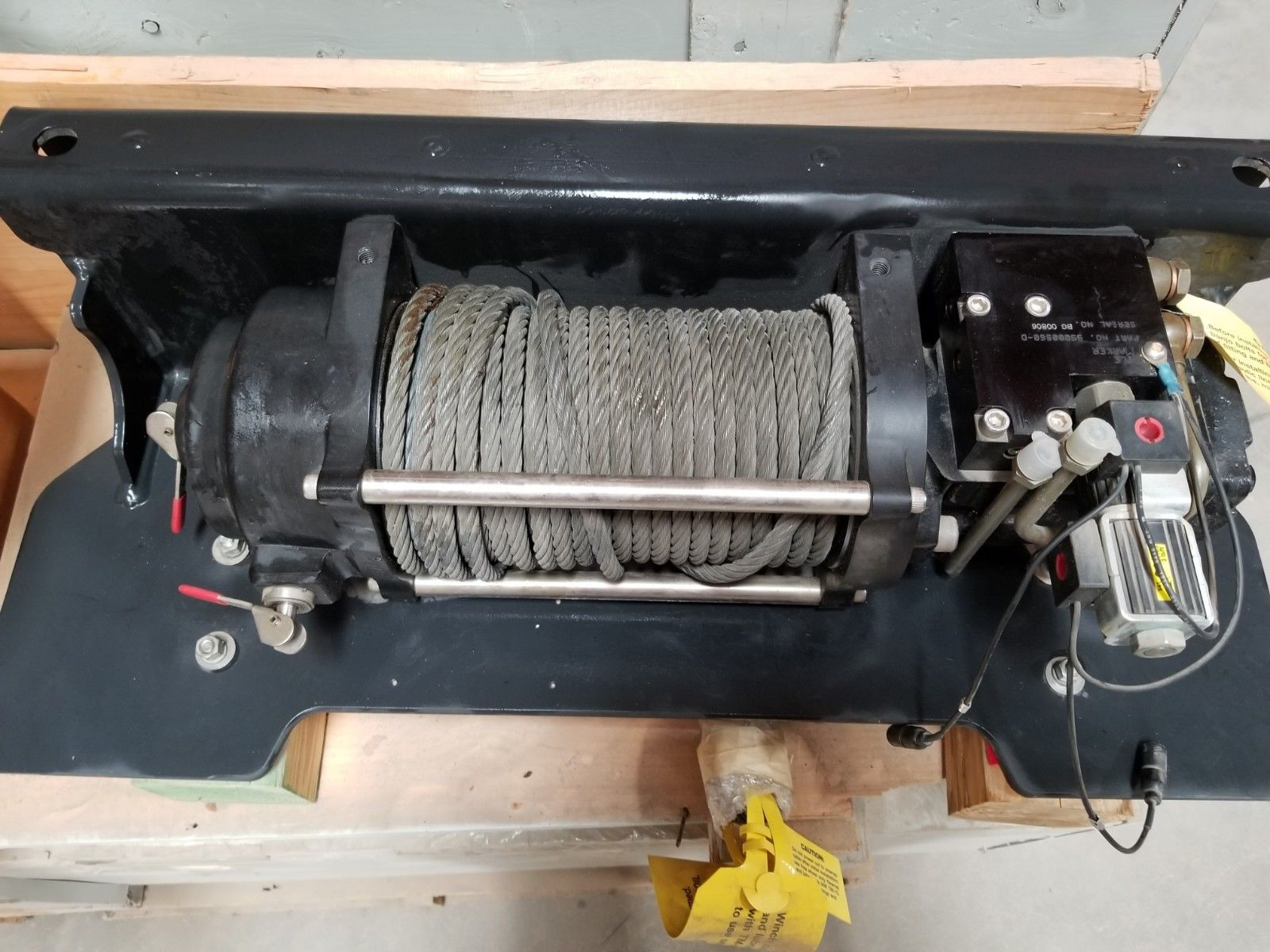
The identification tag on a Mile Marker hydraulic winch usually lists the model series, rated single‑line pull, and sometimes a serial or production code that uniquely identifies the unit. Recording this information allows you to select the correct manual, parts list, mounting kit, and service procedures for your specific Mile Marker hydraulic winch.
On many units, the serial number is stamped into the housing or a side plate of the Mile Marker hydraulic winch, typically close to the gear case or mounting foot. Clean the metal surface carefully and use good lighting; even shallow, older stampings can normally be read and then cross‑referenced with technical support or catalogs.
Start by noting the rated pull on the tag and any series designation such as H‑series or HI‑series on the body of the hydraulic winch. Compare these details with published specifications, dimensions, and external feature descriptions; the combination of rating, housing shape, and control layout usually makes it clear which Mile Marker hydraulic winch family you have.
If the label is missing, look for stamped numbers on the housing and document the overall appearance, including drum width, motor type, and valve configuration. Share these details, along with clear notes, with experienced distributors or OEM partners such as Kemer, who can often match your hydraulic winch to a known Mile Marker model or propose a suitable modern replacement.
Yes, Kemer specialises in hydraulic winch solutions along with planetary gearboxes, winch drives, swing drives, travel drives, and hydraulic motors that can replace or complement existing Mile Marker installations. By reviewing your required pull, line speed, duty cycle, mounting constraints, and available hydraulic power, Kemer can engineer a tailored hydraulic winch package that meets or exceeds the performance of the original Mile Marker hydraulic winch while integrating cleanly into your machine.


