
Views: 222 Author: Robert Publish Time: 2026-01-20 Origin: Site


Content Menu
● Understanding Ramsey Hydraulic Winch Oil Filling
● Typical Fill Locations on Ramsey Hydraulic Winches
>> Gear Housing Oil Level / Fill Plug
>> Brake Housing or Auxiliary Reservoir Plugs
● Step‑by‑Step: How to Fill a Ramsey Hydraulic Winch
>> Locate the Oil Level / Fill Plug
>> Drain the Old Oil (If Performing a Change)
>> Refill to the Oil Level Plug
>> Bleed and Test the Hydraulic Winch
● Best Practices for Ramsey Hydraulic Winch Oil Maintenance
>> Recommended Oil Types and Intervals
>> Cleanliness and Contamination Control
● Integrating Ramsey Hydraulic Winch with Kemer Solutions
>> System‑Level Design Considerations
>> Optimizing for Harsh Environments
● Extending the Life of Your Ramsey Hydraulic Winch
>> Regular Inspection and Monitoring
>> Correct Operation Practices
● FAQ About Ramsey Hydraulic Winch Filling and Maintenance
>> 1. Where exactly is the oil fill point on my Ramsey hydraulic winch?
>> 2. How do I know the hydraulic winch is filled to the correct level?
>> 3. What type of oil should I use in a Ramsey hydraulic winch?
>> 4. How often should I change the oil in a Ramsey hydraulic winch?
>> 5. Can I integrate a Ramsey hydraulic winch with Kemer hydraulic transmissions and motors?
Knowing where and how to fill a Ramsey hydraulic winch is critical for safe operation, long service life, and reliable pulling performance in demanding industrial environments. This guide explains filling locations, step‑by‑step procedures, and best practices, while also helping you understand how Ramsey hydraulic winch systems can work together with advanced hydraulic solutions from Kemer.
A Ramsey hydraulic winch typically has one or more dedicated oil level or fill plugs located on the gear housing or brake housing. These plugs define the correct oil level and are the only appropriate locations for filling or topping up the winch gear oil.
The manuals for Ramsey hydraulic winch models often state that the winch must be “refilled to the oil level plug.” In practice, this means the oil level should be even with the bottom of that plug's threads once the plug is removed. You fill the hydraulic winch housing slowly until oil just begins to seep from the level or fill opening, then reinstall the plug to seal the housing and lock in the correct level.

Although exact locations vary by model (HD‑234, RPH‑25,000, RPH‑35,000, RPH‑50,000, H‑800, and others), Ramsey hydraulic winch manuals describe similar patterns for fill and level plugs. It is essential to verify the configuration against the specific manual for your model before any maintenance.
Most Ramsey hydraulic winch models feature an oil level plug on the side or top of the gear housing. This plug is normally the primary answer to “where to fill Ramsey hydraulic winch,” because it is used both to verify oil height and to refill the housing.
On many industrial planetary models, the service instructions specify draining the oil and then refilling the hydraulic winch “to the oil level plug” with a specific gear oil grade, often an all‑purpose extreme‑pressure gear oil. Because the oil level plug doubles as the fill point, technicians typically remove this plug, add oil until the fluid reaches the bottom of the threads, and then reinstall it.
Some hydraulic winch designs have separate housings or reservoirs for the brake or motor section, each with its own oil fill plug. In that case, the hydraulic winch may have:
- A gear housing oil level / fill plug.
- A brake housing oil level / fill plug.
- Sometimes an additional plug on the top of the housing used as a convenient fill point while a side plug is used only to check level.
On these multi‑section models, each oil cavity must be treated as a separate reservoir. You need to identify each plug and fill each section of the hydraulic winch to its specified level, otherwise under‑lubrication in one section can cause premature wear or failure even if the main gear housing is correctly filled.
“Where” to fill a Ramsey hydraulic winch refers to the plug locations, but “how” to perform the procedure is equally important for safety and performance. The general procedure below reflects the instructions and best practices commonly given for Ramsey‑type hydraulic winch gearboxes. Always adapt the steps to the specific instructions for your exact model.
Before servicing a hydraulic winch, the system must be safely isolated and stabilized.
- Park the vehicle or machine on stable, level ground and apply the parking brake.
- Secure the vehicle with wheel chocks or stands so there is no risk of rolling or movement while servicing the hydraulic winch.
- Shut down the engine or power unit and relieve hydraulic pressure in the system. Make sure the hydraulic winch cannot be operated accidentally during maintenance.
- Allow the gear housing to cool if the winch has recently been used under heavy load, because hot oil can cause burns and drains differently than cold oil.
For heavy industrial configurations, many OEMs combine Ramsey hydraulic winch units with engineered hydraulic systems and drive components. When Kemer designs complete drive systems including track undercarriages, planetary gearboxes, and hydraulic motors, the service points are usually positioned for safe and easy access so that these safety measures can be carried out consistently.
The next step is to identify the correct plug location on your specific hydraulic winch.
- Consult the owner's or service manual for your exact Ramsey model and find the diagram that identifies the oil level plug on the gear housing.
- On some models, the plug is located on the side of the housing and acts as both a level and a fill point.
- On others, the housing may include a top plug used for filling and a side plug used purely for level checking, so you would fill from the top until oil appears at the side opening.
A quick exterior inspection usually reveals one or more threaded plugs on the perimeter of the hydraulic winch gear housing. These may be labeled in diagrams as “oil level plug,” “oil fill plug,” or simply “plug.” The manual will identify which one you should open for draining, which for filling, and which for level checking.
If you are simply topping up a slightly low hydraulic winch, you may not need to drain. However, when performing a scheduled oil change or correcting contamination, full drainage is recommended.
- Place a suitable drain pan under the drain plug on the bottom of the gear housing.
- Remove the drain plug and allow the old oil to completely drain from the hydraulic winch.
- Many manuals recommend flushing the gear housing by filling it to the oil level plug with clean kerosene, running the hydraulic winch briefly under no load, and then draining the kerosene completely.
- Dispose of the used oil and kerosene in accordance with local environmental regulations.
For some Ramsey planetary hydraulic winch models, the annual maintenance section explicitly calls for draining the oil, filling the hydraulic winch to the oil level plug with clean kerosene, running it for a short period, then draining the kerosene before refilling with the correct gear oil.
Once the housing is clean and drained, you are ready to refill the hydraulic winch.
- Reinstall the drain plug at the bottom of the housing and tighten it to the specified torque.
- Remove the oil level plug or designated fill plug on the side or top of the gear housing.
- Use a clean funnel or a hand pump to add gear oil slowly into the fill opening. Pouring too quickly can trap air inside and cause foaming.
- Continue filling until the gear oil level reaches the bottom of the oil level plug threads. A common practical method is to fill until oil just begins to run out of the level opening.
- Once the correct level is reached, allow excess oil to run off, then reinstall the plug securely and wipe the exterior surface clean.
If your Ramsey hydraulic winch has separate reservoirs on the brake or motor side, repeat this procedure at each additional oil cavity. Each plug that is specified as an oil level point should be used to confirm that the section is filled to the correct height.
Some hydraulic winch and brake designs require bleeding to remove trapped air from the brake release circuit after service. Always follow the bleeding method described in the manual for your specific model.
- Loosen the bleeder fitting on the brake or relevant section as instructed.
- Apply hydraulic pressure slowly to the winch circuit, allowing air and fluid to escape until a solid flow appears.
- Tighten the bleeder and clean any spilled fluid.
After all plugs are tightened and any required bleeding is complete, operate the hydraulic winch under light load and observe:
- Smooth spooling in and out.
- Absence of unusual grinding, knocking, or whining noises from the gear housing.
- No visible oil leaks at seals, plugs, or hose connections.
- Normal temperature rise during operation.
If you notice abnormal noise, rapid heating, or oil leakage, shut down the hydraulic winch immediately and investigate before using it at full capacity.
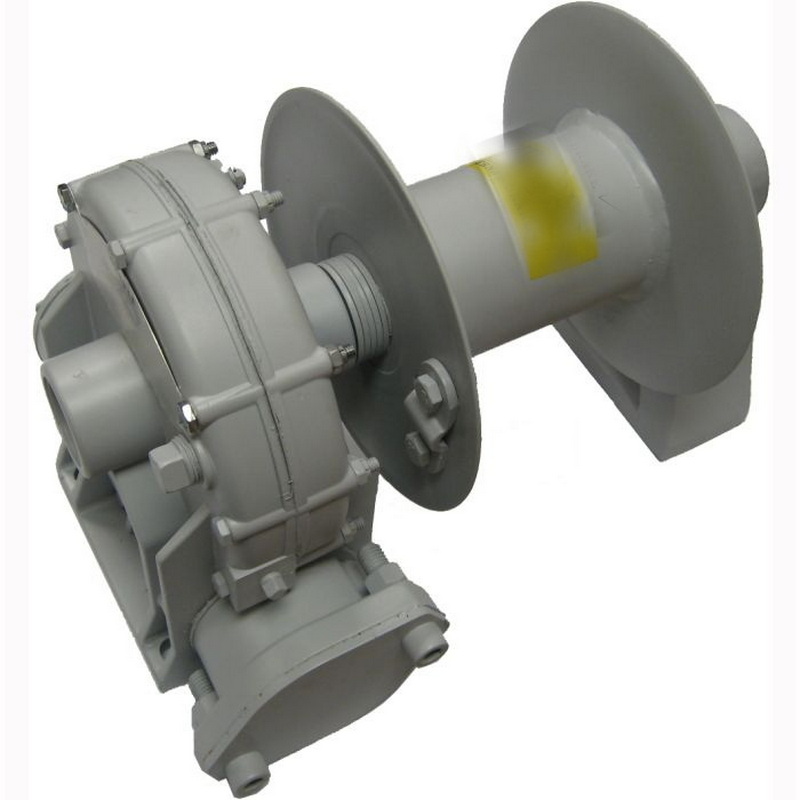
A properly filled and maintained hydraulic winch runs cooler, lasts longer, and delivers more consistent performance. Good lubrication practice is especially important for hydraulic winch applications that operate under high load, high duty cycles, or harsh environmental conditions.
Ramsey documentation typically recommends high‑quality extreme‑pressure gear oils for the gear housings of planetary hydraulic winch models.
- Many large planetary hydraulic winch units call for an all‑purpose SAE 80W‑140 gear oil that meets suitable performance specifications.
- Some HD‑series or other models specify premium 80W‑90 gear oils from recognized brands.
- Lighter or heavier viscosity may be allowed based on ambient temperature and operating climate, as long as it meets the gear oil performance requirements stated in the manual.
Regarding maintenance intervals, typical guidance includes:
- Weekly inspection of hydraulic winch oil level and checking for leaks.
- Regular inspection of cable, frame, and structure for damage.
- Annual draining and refilling of hydraulic winch oil, or more frequently for units that are heavily used, run at high loads, or exposed to extreme conditions.
Following these recommendations keeps the gear train, bearings, and brake components of the hydraulic winch properly lubricated throughout their service life.
Contamination is one of the main reasons a hydraulic winch fails prematurely. Dirt, water, and metallic particles can damage gear teeth, bearings, and seals.
Key measures for contamination control include:
- Cleaning the area around the drain and fill plugs thoroughly before removing them.
- Using clean funnels, hoses, and containers when adding oil to the hydraulic winch.
- Storing gear oil in sealed containers and keeping them away from dust, moisture, and extreme temperature swings.
- Checking any breathers or pressure relief plugs on the gear housing to make sure they are free of blockage. A blocked breather can cause pressure buildup, leading to leaks and seal damage.
When your hydraulic winch is integrated into a high‑quality hydraulic circuit with proper filtration and cooling, the result is a cleaner and more stable operating environment for both the hydraulic fluid and the gear oil in the winch housing.
Kemer is a specialized manufacturer focusing on hydraulic and mechanical transmission products for mobile machinery and industrial applications. The main product range includes:
- Hydraulic motors for diverse displacement and torque requirements.
- Hydraulic winch units for hoisting, recovery, and industrial pulling applications.
- Planetary gearboxes for final drive, track drive, wheel drive, winch drive, and swing drive.
- Steel track undercarriage and rubber track undercarriage systems.
- Integrated hydraulic transmissions tailored to customer machinery platforms.
Combining a Ramsey hydraulic winch with Kemer drive solutions gives OEMs and end users a powerful and flexible package for construction, mining, forestry, marine, and recovery equipment.
In a modern machine, the hydraulic winch is just one part of a wider hydraulic transmission system. When Kemer designs a complete system around a Ramsey hydraulic winch, the following aspects are considered:
- Matching hydraulic motor displacement and torque to the line‑pull rating of the hydraulic winch.
- Selecting the proper planetary gearbox ratio to convert hydraulic motor speed into suitable drum speed and pulling power.
- Designing hydraulic circuits with adequate flow, pressure, filtration, and cooling for the duty cycle.
- Providing appropriate valves, brakes, and controls to ensure safe, smooth operation of the hydraulic winch.
Correct oil level and clean lubricant in the winch gear housing support these design choices by protecting internal gears and bearings under the loads and speeds the system is built to handle.
Many hydraulic winch applications run in harsh or extreme environments, such as:
- Construction and bridge installation sites.
- Off‑road recovery and towing operations.
- Marine and offshore platforms.
- Mining and tunneling machinery.
In these contexts, Kemer's expertise in track undercarriages, planetary gearboxes, and hydraulic motors complements the robust design of Ramsey hydraulic winch units. A properly sized and installed hydraulic winch, with the correct oil and service intervals, becomes a reliable work tool in regions with wide temperature swings, dusty conditions, or constant exposure to moisture.
Beyond basic filling procedures, there are several practical steps operators and maintenance teams can take to extend the life of a Ramsey hydraulic winch.
- Monitor the appearance of the oil drained from the hydraulic winch. Milky oil suggests water contamination, while metallic particles can indicate gear or bearing wear.
- Check for external leaks around seals, plugs, and hose connections and repair them immediately.
- Listen to the hydraulic winch during operation; unusual noise or vibration is often an early warning sign.
- Inspect mounting points, frames, and brackets for cracks, distortion, or loose fasteners.
Action based on these observations often prevents minor issues from turning into major failures.
Even a well‑designed and properly filled hydraulic winch can be damaged by incorrect operation.
Good practices include:
- Avoiding shock loading by starting pulls smoothly and gradually increasing load.
- Staying within the rated line pull for the hydraulic winch and the cable size.
- Using proper rigging and snatch blocks when necessary to distribute load or change pulling direction.
- Spooling the rope evenly on the drum, especially after heavy pulls, to prevent crushing or uneven loads on the drum and bearings.
Combining good operating practice with correct oil filling and regular maintenance is the best way to maximize the value of your Ramsey hydraulic winch.
The correct place to fill a Ramsey hydraulic winch is the designated oil level or fill plug on the gear housing and, where applicable, additional fill plugs on brake or motor housings. Filling each reservoir of the hydraulic winch to the bottom of the level plug threads with the specified grade of gear oil, while following safe and clean working practices, ensures that the winch's gears, bearings, and brake components receive proper lubrication.
When this care and precision is combined with robust hydraulic system design, the hydraulic winch becomes a durable and dependable part of a broader drive system. Kemer, as a specialist in hydraulic winch units, hydraulic motors, planetary gearboxes, and track undercarriages, can integrate Ramsey hydraulic winch products into complete, application‑specific solutions for customers worldwide. With correct oil filling, regular inspection, and good operating habits, your hydraulic winch will deliver safe, powerful performance through demanding work cycles.
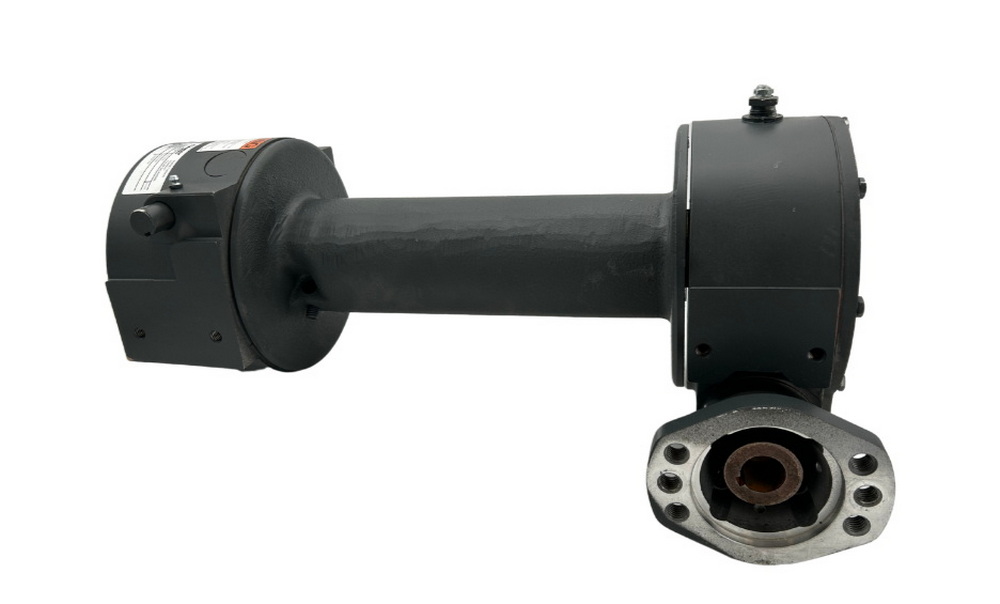
On most models, the oil fill point is the oil level plug located on the gear housing of the hydraulic winch. Some versions also have an additional plug on the top of the housing that can be used as a convenient fill port, while the side plug is used only for checking level. Always confirm the exact plug positions in the owner's or service manual for your specific Ramsey model before opening any plugs or adding oil.
The hydraulic winch is filled correctly when the gear oil reaches the bottom of the oil level plug threads. To check this, remove the level plug and add oil through the fill opening slowly. When oil starts to run out of the level opening, the housing is at the proper level. Allow the excess to drain to a stable trickle, then reinstall the level plug securely.
Ramsey planetary hydraulic winch models generally require high‑quality extreme‑pressure gear oil. Many large industrial units specify SAE 80W‑140 gear oil, while some HD‑series models specify premium 80W‑90 gear oil from reputable brands. The exact viscosity and specification may vary by model and operating temperature range, so you must check the lubrication section of the manual for your specific hydraulic winch before selecting an oil grade.
A common guideline is to inspect the oil level weekly and to perform a complete oil change annually, or more frequently if the hydraulic winch is heavily used or operates in severe conditions. During an annual service, the standard procedure is to drain the oil, flush the housing with clean kerosene by filling to the level plug and running the winch briefly with no load, drain the kerosene completely, and then refill the hydraulic winch with fresh gear oil to the oil level plug.
Yes. A Ramsey hydraulic winch can be integrated into a complete drive system that uses Kemer hydraulic motors, planetary gearboxes, track undercarriages, and winch drive gearboxes. By matching displacement, gear ratios, and hydraulic circuit design to the winch's rated load and duty cycle, Kemer can help you build a system that delivers efficient, smooth, and reliable pulling power. Proper oil filling and maintenance of the hydraulic winch are essential parts of keeping such an integrated system operating at its best.


