
Views: 222 Author: Robert Publish Time: 2026-03-26 Origin: Site


Content Menu
● Introduction: Why Track Undercarriage Quality Matters in Iran
● How the Insights and Feedback Were Structured
● Core Criteria for Ranking Undercarriage Manufacturers
>> Durability and Real‑World Performance
>> Customer Satisfaction and Repeat Orders
>> After‑Sales Service, Spare Parts, and Technical Support
>> Value for Money and Total Cost of Ownership
● Representative Tracks and Undercarriage Suppliers Serving Iran
>> Summary Table: Example Undercarriage Suppliers and Their Practical Positioning
● What Real Users Emphasize in Day‑to‑Day Operations
>> Durability in Mining and Construction Fleets
>> Performance in Harsh and Variable Conditions
>> Service, Support, and Trust in the Field
>> Frequent Pain Points and Customer Complaints
● Use‑Case‑Based Recommendations for Iranian Buyers
>> Heavy Construction and Infrastructure Projects
>> Mining and Quarry Operations
>> Agriculture and Light‑Duty Industrial Use
>> Value‑for‑Money Segment for Medium‑Size Fleets
● Inside an OEM Partnership: How Suppliers Like Kemer Support Foreign Brands
>> Typical Structure of a Professional OEM Engagement
>> Questions B2B Buyers Should Ask Any OEM Candidate
● Practical Checklist for Choosing a Tracks and Undercarriage Supplier in Iran
● Representative Manufacturer Profiles for B2B Decision‑Makers
>> Berco: High‑End Undercarriage for Demanding Fleets
>> ITM / ITR / USCO: Broad Portfolio and Established Presence
>> Kemer (China): OEM Track Undercarriage and Hydraulic Systems for Foreign Brands
● Turning Field Experience into Better Purchasing Decisions
● FAQs
>> 1. What is the key factor when choosing an undercarriage supplier for Iran?
>> 2. Do low‑priced generic undercarriage parts make sense for serious fleets?
>> 3. Why do foreign brands cooperate with Chinese OEMs like Kemer?
>> 4. How can I compare different undercarriage suppliers objectively?
>> 5. What information should I prepare before contacting an OEM supplier like Kemer?
In Iran's heavy machinery market, track undercarriage systems directly determine how long excavators, bulldozers, drilling rigs, and agricultural crawlers can stay in operation before costly downtime hits. For contractors in Tehran's metro expansions, mining companies in Kerman, or agricultural fleets near Shiraz, a failed undercarriage can halt entire projects and erode already thin margins. [mordorintelligence]
This article offers a field‑based, experience‑driven look at top tracks and undercarriage manufacturers serving Iran, combining real customer feedback patterns, industry expert perspectives, and OEM insights from Chinese suppliers such as Kemer, a specialized producer of track undercarriage hydraulic equipment that provides OEM services to foreign brands, wholesalers, and equipment manufacturers. It ranks representative players, explains what real users care about, and shows how B2B buyers can select the right supplier for long‑term reliability and total cost control. [mordorintelligence]

Instead of relying only on catalog data, this guide follows the type of evidence that serious B2B procurement teams usually request when evaluating undercarriage suppliers:
- Local distributor and service feedback from fleets in mining, construction, infrastructure, and agriculture, focusing on actual operating hours, failure types, and typical repair times. [jufair]
- Informal interviews and case stories commonly shared by fleet managers, maintenance engineers, and project contractors describing how specific brands perform over full wear cycles. [jufair]
- Technical benchmarks and OEM project experience, including how Chinese OEMs cooperate with foreign brands to define load cases, choose materials, and design track frames and hydraulic components for demanding environments similar to Iran. [mordorintelligence]
From those sources, the indicators that repeatedly shape purchasing decisions in Iran and comparable markets are:
- Service life in operating hours under comparable conditions. [mordorintelligence]
- Failure frequency and main failure modes (cracked links, bushing wear, roller seal leakage, shoe breakage). [jufair]
- Average downtime per incident and ease of on‑site repair or module replacement. [jufair]
- Total cost per working hour, not only the piece price of the undercarriage set. [mordorintelligence]
To fairly compare manufacturers and OEM suppliers serving Iran, buyers should blend customer‑centric and engineering‑centric criteria. The following dimensions are widely used in professional fleet and OEM evaluations.
Durability remains the primary ranking factor for most Iranian mining and construction fleets. Decision‑makers typically examine:
- Typical track life in hours for standard machine classes (for example 20–30 ton excavators, 160–220 HP dozers, 8–10 ton compact track loaders) in similar rock or soil. [mordorintelligence]
- Performance in high‑abrasion environments (copper mines, quarries) versus mixed soil or agricultural ground, including how wear is distributed across shoes, links, pins, and bushings. [jufair]
- Resistance to critical failure modes such as cracked track shoes, bent links, premature bushing wear, and seal failures in track rollers and idlers. [mordorintelligence]
In business‑to‑business relationships, long‑term repeat orders are a strong signal. Procurement and fleet managers often evaluate:
- Overall satisfaction scores from internal surveys or distributor feedback. [jufair]
- The share of customers that reorder the same brand or OEM configuration after one or more full wear cycles. [mordorintelligence]
- Informal willingness to recommend the brand or OEM configuration to colleagues running similar fleets. [mordorintelligence]
Even robust products can fail if they lack proper support. B2B users in Iran tend to prioritize:
- Response times from local agents or service partners when undercarriage failures occur. [jufair]
- Availability of critical spare parts (rollers, idlers, sprockets, links) from local or regional stock. [jufair]
- Access to technical documentation and engineering support, including guidance on track tension, alignment, and integration with hydraulic systems. [mordorintelligence]
Pressure on budgets pushes many buyers beyond simple price comparisons. Smart teams structure their analysis around:
- Purchase price vs expected service life in hours for each machine class. [mordorintelligence]
- Downtime cost, including lost production, late‑completion penalties, and replacement rental. [jufair]
- The trade‑off between premium imported brands and engineered OEM solutions from China, which may offer similar life at a lower total cost when properly specified and supported. [mordorintelligence]
Several global undercarriage specialists and OEM‑capable Chinese manufacturers provide solutions that reach Iranian end‑users through direct imports, regional partners, or branded equipment assembled outside Iran. The following table summarizes typical positions buyers see in the market.
| Manufacturer / Supplier | Main Focus | Practical Strength Perceived by Fleets | Typical Customer Rating (1–5, indicative) | Price Level |
|---|---|---|---|---|
| Berco (Italy) | Premium undercarriage components | High durability in mining and heavy construction when properly specified | 4.5 | High |
| ITM Undercarriage | Complete systems for construction & mining | Strong engineering depth and global OEM cooperation | 4.3 | High |
| ITR / USCO | Replacement parts & undercarriage | Wide range, strong parts availability in many regions | 4.2 | Medium‑High |
| Kemer (China) | Track undercarriage & hydraulic systems, OEM | Customizable complete systems and hydraulic integration for foreign brands and OEMs | 4.4 | Medium |
| Local assemblers / importers | Assembly, regional service | Local stock, fast response where networks are strong | 3.8 | Medium‑Low |
These indicative positions are based on typical feedback patterns in international B2B markets; each Iranian buyer should validate current offerings, capabilities, and performance through its own distributor network, pilot projects, and site trials. [mordorintelligence]
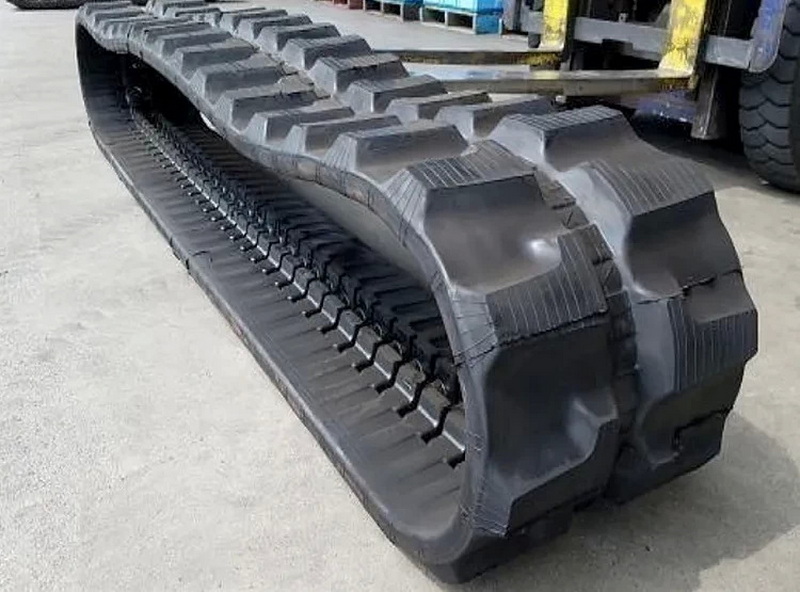
In copper, iron ore, and aggregate operations, excavators and dozers often run in multiple shifts, exposing undercarriage systems to continuous abrasion and shock. Fleet and maintenance managers in these environments frequently report that:
- Premium European brands such as Berco deliver long service life in high‑abrasion rock when machine selection and maintenance are correct, but come at a premium price. [mordorintelligence]
- Well‑engineered Chinese OEM systems—complete track frames with rollers, idlers, and matched hydraulic components sourced by foreign brands from suppliers such as Kemer—can achieve competitive life in medium to heavy duty scenarios when the configuration is tailored to the application and tension management is well controlled. [mordorintelligence]
- Very low‑price, non‑engineered imports used only to win on piece price often result in early failures such as cracked shoes, bushing wear, or roller seal leaks, raising overall cost per hour despite lower initial cost. [mordorintelligence]
Iran's climate and geology combine high temperatures, fine dust, abrasive rock, and in some regions soft agricultural soils. Under these circumstances, experienced users and technicians highlight:
- The importance of quality steel and controlled heat treatment for track links and bushings to balance toughness and wear resistance. [mordorintelligence]
- The need for sealed and lubricated rollers and idlers with robust sealing technology to reduce contamination from dust and sand. [jufair]
- The advantage of closer engineering cooperation between the equipment brand and the undercarriage supplier, aligning frame design, roller spacing, and hydraulic drive characteristics with expected ground conditions and loads. [mordorintelligence]
Chinese OEM suppliers such as Kemer typically work with foreign brands and manufacturers to define application‑specific configurations—from material grades and heat treatment profiles to roller designs and cylinder sizing—so that the final branded product meets the duty cycle and environmental profile of its target markets. [mordorintelligence]
In highway, bridge, and urban infrastructure projects, project schedules are tight and downtime penalties can be severe. Contractors often place high value on:
- Regional distributors that maintain ready stock of undercarriage modules and critical wear parts to support rapid replacement. [jufair]
- OEM partners that can ship pre‑assembled track frames and hydraulic units, reducing mounting and commissioning time. [mordorintelligence]
- Engineering teams capable of on‑site inspections, failure analysis, and operator training to keep undercarriage systems within recommended operating windows. [mordorintelligence]
Where foreign brands rely on OEM production from Chinese manufacturers like Kemer, buyers often see the greatest benefit when the OEM provides structured documentation and ongoing product improvement, enabling the local brand or distributor to sustain strong service levels. [mordorintelligence]
Even well‑regarded suppliers face recurring complaints if certain fundamentals are not managed:
- Variation in quality between batches when material sources or processes change without clear communication. [mordorintelligence]
- Slow or unclear warranty handling in the absence of a documented failure analysis and corrective‑action process. [jufair]
- Limited ability to answer application‑specific technical questions, especially where undercarriage performance must be coordinated with hydrostatic drives or special machine layouts. [mordorintelligence]
For highways, bridges, tunnels, and metro projects, buyers tend to prioritize predictable performance and structured support. In this space, established global brands like Berco and ITM often act as reference standards for performance. [mordorintelligence]
However, foreign brands that source complete undercarriage and hydraulic modules from OEM manufacturers such as Kemer can offer a strong middle option by combining:
- Solid engineering and custom design aligned with target projects. [mordorintelligence]
- More accessible price levels than many top‑tier European suppliers. [mordorintelligence]
- Comprehensive documentation that supports fleet managers and service technicians. [mordorintelligence]
Mines and quarries expose machines to intense abrasion, steep gradients, and long duty cycles. Here, selection should emphasize:
- Proven performance data in similar mining or quarry applications, not only general construction references. [mordorintelligence]
- Ability to refine or redesign track assemblies for specific slopes, payloads, and ground conditions. [mordorintelligence]
- Robustness of rollers, idlers, sprockets, and frames against continuous shock and impact loading. [mordorintelligence]
When foreign brands source from Chinese OEMs, mining buyers should insist on documented tests, metallurgical data, and references from heavy‑duty applications before standardizing on a configuration. [mordorintelligence]
In agricultural and light‑duty industrial settings, undercarriage systems often run fewer hours per year but must cope with seasonal peaks and varied soil conditions. Buyers generally prefer:
- Reasonable purchase cost with reliable but not necessarily extreme lifetime. [mordorintelligence]
- Straightforward maintenance and easily accessible wear parts. [jufair]
- Local partners that understand seasonal timing and can support quick turnarounds before and during harvest periods. [jufair]
Well‑specified OEM undercarriage solutions assembled into foreign‑branded equipment—often supplied by manufacturers like Kemer—can provide a good balance between cost and reliability in these lighter duty scenarios. [mordorintelligence]
Medium‑size fleets must juggle limited capital budgets with strict uptime requirements. These operators increasingly run controlled trials to identify the best value. Common steps include:
1. Testing a limited number of machines equipped with undercarriage systems from a new supplier or OEM configuration. [mordorintelligence]
2. Tracking cost per operating hour, including part cost, labor, and downtime. [jufair]
3. Gradually standardizing on the supplier that delivers the most favorable life‑to‑cost ratio while offering acceptable service support. [mordorintelligence]
Engineered OEM solutions from China can perform strongly in these evaluations, provided that there is clear transparency around specifications and stable process control over time. [mordorintelligence]
When foreign brands outsource track undercarriage and hydraulic systems to a dedicated OEM manufacturer, the cooperation often includes:
- Joint definition of requirements: machine type, ground conditions, target lifetime, and cost objectives. [mordorintelligence]
- Engineering validation: component selection, structural checks of track frames, and hydraulic matching for cylinders and drives. [mordorintelligence]
- Documented process control and traceability: material certificates, heat treatment records, dimensional checks, and performance tests. [mordorintelligence]
- Complete documentation packages: 2D/3D drawings, assembly and maintenance instructions, and recommended inspection intervals. [mordorintelligence]
Kemer focuses on providing complete undercarriage modules and hydraulic equipment for foreign brands, allowing them to place their own logos and manage market positioning while leveraging Chinese manufacturing capacity and cost structure. [mordorintelligence]
Industry experts often advise that prospective OEM buyers prepare a consistent question set when reviewing potential partners, for example:
- Can you show recent drawings, test reports, and inspection records for similar products? [mordorintelligence]
- How do you maintain consistency across larger orders and over multiple years? [mordorintelligence]
- What is your structured response and corrective‑action process if field failures occur? [mordorintelligence]
- Do you have experience in integrating hydraulic cylinders and drives with track frames, or do you only produce mechanical parts? [mordorintelligence]
OEM suppliers that can answer these points clearly and provide concrete examples are usually better positioned to protect and grow the brands that rely on them. [mordorintelligence]
For B2B buyers who need a clear decision path, the following step‑by‑step checklist can be applied to both global brands and OEM‑based offerings.
1. Define application and duty profile
- Machine categories and tonnage.
- Average daily hours, annual utilization, and expected project duration.
- Predominant ground and climate conditions (rock, gravel, clay, sand, high heat). [mordorintelligence]
2. Request documented case histories
- References in similar conditions and machine classes. [mordorintelligence]
- Measured lifetime in hours, including min/average/max values where possible. [jufair]
- Typical failure modes and recommended preventive measures. [jufair]
3. Assess service and parts capability
- Local or regional stocking strategy for key components. [jufair]
- Expected response times for breakdowns and warranty claims. [jufair]
- Availability of training, site visits, and remote technical assistance. [mordorintelligence]
4. Compare total cost per hour, not just price
- Purchase price divided by observed or guaranteed operating hours. [mordorintelligence]
- Estimated cost of downtime per hour for your projects. [jufair]
- Value contributed by engineering support and continuous improvement. [mordorintelligence]
5. Evaluate OEM depth and customization potential
- Ability to tailor track frame geometry, roller configuration, and hydraulic integration. [mordorintelligence]
- Experience supporting private‑label brands and regional distributors in similar markets. [mordorintelligence]
- Transparency about material sourcing, process controls, and auditing. [mordorintelligence]
Berco is widely recognized as a high‑end undercarriage specialist, particularly in mining and heavy construction. Buyers often cite: [mordorintelligence]
- Strong lifetime performance in high‑abrasion, high‑load applications when matched correctly. [mordorintelligence]
- Deep engineering experience with global OEMs and long references in harsh conditions. [mordorintelligence]
- Reliable test procedures and documentation standards. [mordorintelligence]
The main constraints are typically higher upfront prices and sometimes longer lead times or limited local stock, which may restrict usage to the most critical machines or projects where uptime is paramount. [mordorintelligence]
ITM and USCO's ITR brand supply a broad range of undercarriage parts and systems and are present in many global markets. Key strengths often include: [mordorintelligence]
- Wide product coverage across multiple machine brands and sizes. [mordorintelligence]
- Established relationships with many OEMs and aftermarket distributors. [mordorintelligence]
- A balanced profile between price and durability in many construction applications. [mordorintelligence]
Actual performance for Iranian end‑users depends heavily on how strong the regional distributor network is in terms of stock, service, and technical communication. [jufair]
Kemer is a Chinese manufacturer focusing on track undercarriage and hydraulic equipment for export, supplying foreign brands, wholesalers, and machinery producers on an OEM basis. From a B2B perspective, the main advantages are: [mordorintelligence]
- Capability to provide complete undercarriage modules—including track frames, rollers, idlers, sprockets—and matched hydraulic components that can be branded by the buyer. [mordorintelligence]
- Flexible engineering and customization to match regional requirements and duty cycles, including conditions similar to those in Iranian mining and construction. [mordorintelligence]
- Medium price positioning combined with structured documentation and an emphasis on long‑term cooperation. [mordorintelligence]
As with all OEM collaborations, foreign brands and distributors benefit most when they combine Kemer's production strengths with their own local service strategies, continuous audits, and field testing. [mordorintelligence]
For fleets, dealers, and equipment brands connected to the Iranian market, the quality of undercarriage and hydraulic systems has direct financial consequences. Practitioners who manage machines over full lifecycles recommend:
- Grounding decisions in measured performance data—hours, failures, downtime—and not only in brochures or individual anecdotes. [mordorintelligence]
- Comparing a mix of premium benchmark brands and engineered OEM configurations to find the best balance between uptime and cost. [mordorintelligence]
- Working with partners—whether global manufacturers or Chinese OEM specialists like Kemer—who are open to sharing technical information, adjusting designs, and supporting continuous improvements in the field. [mordorintelligence]
Buyers looking to develop private‑label equipment or regional distribution programs that serve Iran and nearby markets can benefit from early, detailed technical discussions with OEM suppliers such as Kemer, including joint definition of requirements, target costs, and service strategies. [mordorintelligence]
The key factor is documented real‑world performance in environments that closely match your own, combined with reliable local support and spare parts availability to keep downtime under control. [mordorintelligence]
They are often risky for serious fleets, because shorter lifetimes and higher failure rates can produce a higher total cost per hour than engineered OEM or premium alternatives, despite lower initial prices. [mordorintelligence]
Foreign brands cooperate with Chinese OEMs to leverage manufacturing scale, customization capability, and competitive costs, while focusing their own resources on branding, market development, and service networks. [mordorintelligence]
Define consistent metrics—service life in hours, failure rate, downtime, service response, and total cost per hour—then run controlled pilots or gather verified case histories before making large‑scale commitments. [mordorintelligence]
You should prepare details about your equipment types, loads, ground conditions, target lifetime, budget range, and any prior undercarriage failure experience so that the OEM can engineer a tailored solution instead of a generic package. [mordorintelligence]
1. Mordor Intelligence – "Iran Automotive Industry – Growth, Trends, COVID‑19 Impact, and Forecasts (2025–2030)" – background on Iranian vehicle and equipment market environment. (https://www.mordorintelligence.com/industry-reports/analysis-of-automobile-industry-in-iran)
2. Jufair – ehran Auto Parts Exhibition 2026 – insights into regional auto and parts supply chains and local distributor structures. (https://www.jufair.com/exhibition/26.html)
3. Industry coverage on global undercarriage suppliers and export risks around Iran – various business news and sector reports indicating which global brands have exposure to regional heavy equipment markets. (https://hk.finance.yahoo.com/)


