
Views: 222 Author: Robert Publish Time: 2026-01-20 Origin: Site


Content Menu
● What Is a Hydraulic Winch System on a Vehicle?
● Core Hydraulic Components That Power a Hydraulic Winch
● Which Vehicle Component Usually Provides Hydraulic Power?
● Power Steering Pump as Hydraulic Winch Power Source
● Engine‑Driven Auxiliary Hydraulic Pump
● PTO‑Driven Hydraulic Pump for Winch Operation
● Other Vehicle Hydraulic Sources for a Hydraulic Winch
● How Hydraulic Power Reaches the Hydraulic Winch Motor
● Why Hydraulic Winches Use Vehicle Hydraulic Systems
● Flow, Pressure, and Line Pull for Hydraulic Winch Design
● Thermal Management and Duty Cycle in Hydraulic Winch Systems
● Valves and Controls for Vehicle Hydraulic Winches
● Safety Considerations When Sharing Hydraulic Power
● Maintenance of Vehicle Hydraulic Sources for Winches
● Vehicle Integration Tips for Hydraulic Winch Power Sources
● How Kemer Solutions Fit into Vehicle Hydraulic Winch Systems
● FAQ About Vehicle Components and Hydraulic Winch Power
>> 1. Which component usually powers a hydraulic winch on a 4x4?
>> 2. Can a stock power steering pump handle a hydraulic winch?
>> 3. How does a PTO pump power a hydraulic winch?
>> 4. Why choose a hydraulic winch over an electric winch?
>> 5. Can one hydraulic pump power both steering and a hydraulic winch?
A hydraulic winch on a vehicle normally receives its hydraulic power from components that are already part of the vehicle's hydraulic system, such as the power steering pump or an auxiliary pump driven from the engine or PTO. Understanding which component provides hydraulic power is essential for designing a reliable hydraulic winch system and for explaining the value of professional hydraulic winch solutions from manufacturers like Kemer.
A hydraulic winch is a pulling device that uses pressurized hydraulic fluid instead of an electric motor to generate torque at the winch drum. On vehicles, the hydraulic winch is usually integrated into the existing hydraulic circuit so that an engine‑driven pump supplies pressurized oil to a hydraulic motor, planetary gearbox, and drum assembly.
Hydraulic winch systems are common on off‑road trucks, recovery vehicles, tow trucks, utility trucks, and specialized industrial or military vehicles that already include robust hydraulic circuits. Because a hydraulic winch can run for long periods without overheating, it is preferred for severe, continuous pulling and lifting tasks in forestry, construction, mining, pipeline, and marine applications.

A vehicle‑mounted hydraulic winch depends on several core hydraulic components that work together to supply and control oil flow and pressure. These components include the hydraulic pump, hydraulic motor, reservoir, valves, hoses, and mechanical elements such as the drum, brake, and planetary gearbox.
- The hydraulic pump converts mechanical power from the engine or PTO into hydraulic energy by pressurizing the oil.
- The hydraulic motor converts hydraulic power back into mechanical torque to turn the hydraulic winch drum through a planetary gearbox.
- Control valves direct, start, stop, and modulate the flow, while the reservoir stores fluid and helps with cooling and de‑aeration, ensuring stable hydraulic winch operation.
On many 4x4 trucks and SUVs, the vehicle's OEM power steering pump is the component that directly provides hydraulic power to the hydraulic winch. In this layout, the hydraulic winch is connected to the power steering circuit using an adapter kit and valves so that the same pump that assists steering also drives the hydraulic winch motor when required.
The power steering pump is engine‑driven, so the hydraulic winch can operate as long as the engine is running and oil flow is available. Some manufacturers design low‑pressure hydraulic winch models that work effectively with stock power steering pumps, while others recommend upgrading to high‑volume or high‑pressure pumps for maximum pulling capacity.
The power steering pump is a compact, belt‑driven or gear‑driven pump originally designed to supply pressurized fluid to the steering gear. When used as a hydraulic winch power source, it typically delivers moderate flow and pressure, which is enough for many recovery‑grade hydraulic winch products on Jeeps, light‑duty trucks, and SUVs.
Using the power steering pump for winch drive is attractive because it avoids installing a separate pump and can keep the hydraulic winch package compact and cost‑effective. However, if the pump has limited flow, the hydraulic winch line speed may be slow, and in some vehicles the stock pump may need to be upgraded to support continuous heavy‑duty winching.
For heavy‑duty or professional applications, the hydraulic winch may be powered by a dedicated engine‑driven auxiliary hydraulic pump instead of relying only on the power steering pump. This pump can be belt‑driven from the crankshaft pulley or mounted directly to an accessory drive on the engine, delivering higher flow and pressure for demanding hydraulic winch duty cycles.
An auxiliary pump can be sized specifically to match the hydraulic winch's required flow and pressure, ensuring adequate line pull and speed without compromising steering performance. This architecture is suitable for industrial cranes, large recovery trucks, and specialized vehicles where the hydraulic winch is one of several high‑demand hydraulic consumers.
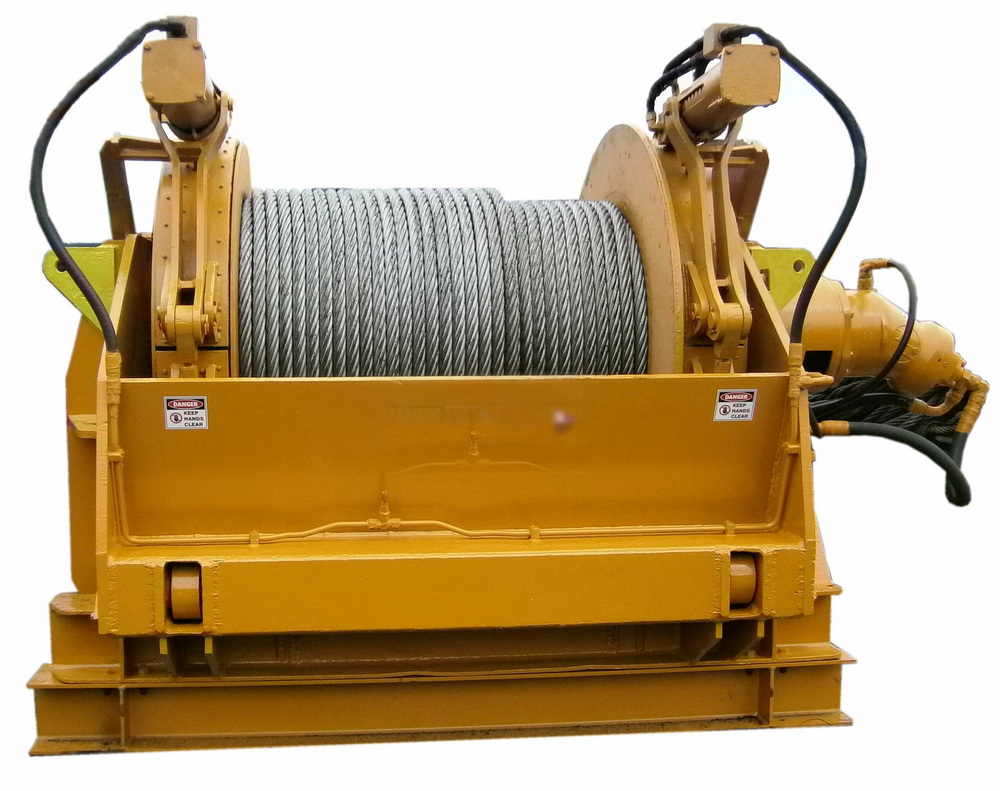
On trucks and tractors equipped with a PTO (power take‑off), the PTO can drive a hydraulic pump that provides power to the hydraulic winch. In this configuration, the PTO output shaft turns a hydraulic pump whenever the PTO is engaged, delivering a dedicated flow of oil to the hydraulic winch system.
PTO‑driven systems are popular on agricultural tractors and some heavy trucks because they can supply very high continuous power to the hydraulic winch without overloading the power steering system. However, PTO hydraulic winch configurations tend to be more complex and expensive, requiring additional mounting hardware, shafts, and safety provisions, so they are mainly used in professional applications.
In some specialist vehicles, a central hydraulic system powers multiple functions such as stabilizers, booms, and hydraulic winch systems from a common pump and reservoir. This pump may be driven by the engine or by a transmission PTO and designed to support simultaneous operation of several hydraulic consumers.
Where vehicles carry on‑board power packs, a self‑contained hydraulic unit with its own engine and pump can drive the hydraulic winch independently of the main vehicle engine. These power packs are common on trailers, marine winch systems, and remote industrial installations where the hydraulic winch must run even when the main vehicle engine is off.
Regardless of whether the hydraulic pump is a power steering pump, auxiliary pump, or PTO‑driven pump, the basic hydraulic winch circuit follows the same principle. The pump draws oil from the reservoir, pressurizes it, and sends it through control valves to the hydraulic motor mounted on the hydraulic winch.
The motor's shaft connects to a planetary gearbox that multiplies torque before driving the hydraulic winch drum, which winds or unwinds the rope under load. Return lines carry oil back to the reservoir, while relief valves, check valves, and brakes ensure that the hydraulic winch can hold loads safely and avoid over‑pressure conditions.
Using existing vehicle hydraulic components to power a hydraulic winch reduces installation complexity and cost, because there is no need to add a large alternator or heavy electrical cabling for a high‑capacity electric winch. When the engine is running, the hydraulic pump can provide continuous power to the hydraulic winch without the overheating problems that often limit electric winch duty cycles.
A hydraulic winch powered by an engine‑driven pump maintains performance in extreme temperatures and even underwater, which is important for off‑road recovery, industrial, and marine recovery work. For manufacturers like Kemer, integrating hydraulic winch units with planetary gearboxes, travel drives, and swing drives into a vehicle's hydraulic system creates efficient, compact drive packages for OEM customers.
To select the best vehicle hydraulic source for a hydraulic winch, engineers must understand how flow and pressure translate into winch performance. Flow rate from the pump directly affects line speed, because higher flow makes the hydraulic winch drum rotate faster at a given motor displacement. System pressure determines the available torque at the hydraulic winch drum and therefore the maximum line pull capacity.
For example, if the hydraulic winch motor requires a certain flow to reach rated line speed, a small power steering pump might only deliver a fraction of that flow, resulting in slow operation but still safe and usable pulling. If the pump cannot reach the required pressure for the hydraulic winch motor, the winch will stall before reaching its rated capacity. This is why matching pump size, hydraulic winch motor displacement, and gearbox ratio is essential.
Another important factor in choosing a hydraulic power source for a hydraulic winch is thermal management. Oil flowing continuously through the hydraulic winch motor and valves generates heat, especially at high pressure and low speeds. A small pump and reservoir will heat up faster than a larger system that includes a dedicated oil cooler and bigger tank.
Because the engine drives the pump, the hydraulic winch benefits from the engine's ability to run for long periods and from the oil volume shared with other hydraulic functions. Many professional hydraulic winch systems add coolers, filters, and large reservoirs to keep oil temperature within safe limits, allowing the hydraulic winch to work through repeated or extended pulls without performance loss.
The way hydraulic power is controlled is just as important as the source component. Directional control valves determine whether the hydraulic winch drum pays out or pulls in the rope by reversing oil flow through the motor. These valves can be manual lever valves, electric‑over‑hydraulic valves, or proportional valves that give smooth control of the hydraulic winch speed.
In addition, pressure relief valves protect both the hydraulic winch and the vehicle hydraulic circuit from overloads by limiting maximum system pressure. Load‑holding valves and brake valves ensure that the hydraulic winch can hold a suspended load safely even if a hose fails or the operator releases the control lever. Good valve selection and layout turn raw hydraulic power from the pump into controlled, predictable hydraulic winch performance.
When a hydraulic winch shares its power source with steering, brakes, or other critical vehicle systems, safety margins must be generous. Engineers must ensure that using the hydraulic winch cannot deprive the steering system of needed flow and pressure at any time. This may involve priority valves that always guarantee steering flow before any oil is allowed to drive the hydraulic winch.
Operators should also be trained to avoid turning the steering wheel hard while applying maximum load on the hydraulic winch, especially on vehicles with smaller pumps. In heavy‑duty designs, separate pumps or larger combined systems are used so that steering, brakes, stabilizers, and the hydraulic winch all have enough power available under worst‑case conditions.
A hydraulic winch is only as reliable as the hydraulic power source that drives it. Regular maintenance of the power steering pump, auxiliary pump, or PTO‑driven pump is essential to keep the hydraulic winch operating at its rated performance level. This includes checking for belt wear, inspecting shaft seals, and monitoring pump noise or temperature.
Hydraulic oil must be kept clean and at the correct level in the reservoir. Contamination in the oil can damage the hydraulic winch motor, valves, and pump, leading to loss of pulling power or sudden failures. Routine filter changes, oil sampling, and inspection of hoses, fittings, and connections around the hydraulic winch help prevent costly downtime in demanding applications.
When selecting which vehicle component should power a hydraulic winch, engineers must calculate the required flow, pressure, duty cycle, and line speed for the application. Matching hydraulic winch motor displacement and gearbox ratio with the chosen power source ensures that the hydraulic winch can achieve its rated line pull without stalling or overheating neighboring hydraulic components.
In many light‑duty 4x4 vehicles, a low‑pressure hydraulic winch connected to the OEM power steering pump is adequate, while heavy‑duty trucks may require an auxiliary or PTO‑driven pump to power the hydraulic winch. Carefully routing hoses, installing filters, and setting relief valves helps keep the hydraulic winch system clean and safe over a long service life.
Kemer specializes in hydraulic winch products, planetary gearboxes, travel drives, winch drives, swing drives, and hydraulic motors, which can be combined into robust drive systems for OEM vehicle builders. When paired with a suitable power steering pump, auxiliary pump, or PTO‑driven pump, Kemer hydraulic winch solutions deliver efficient, high‑torque performance for tracked machines, cranes, and other mobile equipment.
By offering matched components such as planetary gearboxes and hydraulic motors, Kemer can help customers design integrated hydraulic circuits where the same pump powers the hydraulic winch and other functions, improving system efficiency and packaging. Technical support from such manufacturers also assists in defining the optimal power source—whether steering pump, auxiliary pump, or PTO—for each hydraulic winch project.
In most light‑duty off‑road and recovery vehicles, the component that provides hydraulic power to operate a hydraulic winch is the engine‑driven power steering pump, often using a low‑pressure hydraulic winch compatible with the OEM steering system. In heavier or more specialized vehicles, a dedicated auxiliary pump or PTO‑driven pump may supply the hydraulic winch for higher duty cycles and pulling capacities.
Choosing the correct power source for a hydraulic winch requires evaluating flow, pressure, duty cycle, and integration with other vehicle hydraulics, then matching these to a properly sized motor and gearbox. With the right design and components, including high‑quality hydraulic winch units, planetary gearboxes, and hydraulic motors from manufacturers like Kemer, vehicle builders can achieve safe, efficient, and long‑lasting hydraulic winch performance.
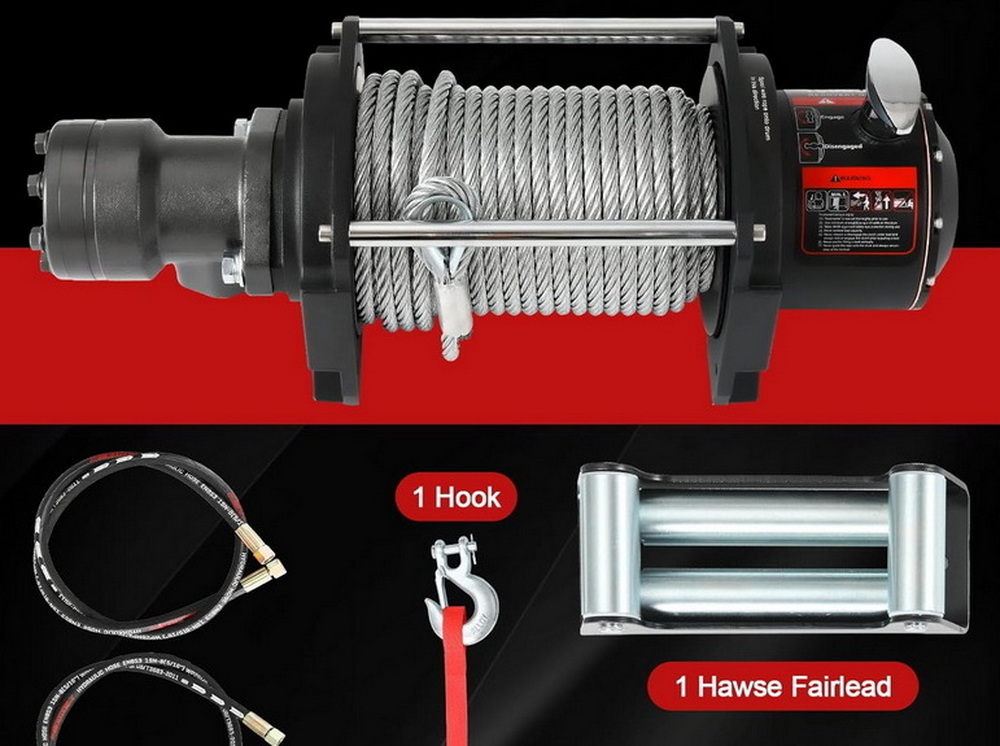
On many 4x4s and SUVs, the hydraulic winch is usually powered by the OEM power steering pump, which is connected to the hydraulic winch through an adapter kit and control valves. This allows the hydraulic winch to share the steering hydraulic circuit while the engine is running, avoiding the need for a separate high‑capacity pump.
Some hydraulic winch models are designed to run on low‑pressure, low‑flow OEM power steering pumps and can work well on light‑duty vehicles. However, in more demanding applications the stock power steering pump may run the hydraulic winch slowly or feel underpowered, so a high‑volume or higher‑pressure pump upgrade is sometimes recommended.
On trucks or tractors with PTO, the PTO shaft can drive a hydraulic pump that sends pressurized oil to the hydraulic winch motor whenever the PTO is engaged. This PTO‑driven pump offers a dedicated, powerful hydraulic supply for the hydraulic winch, which is ideal for professional skidding, towing, or industrial recovery work.
A hydraulic winch powered by an engine‑driven pump can operate for long periods without overheating, making it well‑suited for continuous heavy‑duty use. Hydraulic winch systems also perform reliably in extreme temperatures and can even operate when submerged, which is valuable for off‑road and marine applications.
Yes, many vehicle systems share the power steering pump between steering and hydraulic winch functions using appropriate valves and plumbing. Engineers must ensure that the pump has enough capacity so the hydraulic winch can deliver its rated pull without compromising safe steering performance.
1. https://www.milemarker.com/products/h10500-10500-lb-hydraulic-winch
2. https://www.milemarker.com/products/low-pressure-hydraulic-winch
3. https://outdoorx4.com/stories/recover-with-confidence/
4. https://www.connect-knkt.com/electric-winch-vs-hydraulic-winch/


