
Views: 222 Author: Amanda Publish Time: 2026-01-10 Origin: Site


Content Menu
● Understanding Trench Excavation Fundamentals
● Safety Planning Before Excavator Trenching
● Trenching Basics With a Standard Excavator
● Excavator Attachments That Improve Trenching Results
>> Graptor Rake for Heavy Obstructions
>> Root Rake for Subsurface Root Systems
>> Frost Rippers and Rock Rippers for Hard Ground
● Long Reach Excavators for Deep or Offset Trenches
● Long Reach Excavator Attachments and System Integration
● Using GPS and RTK for Precision Trench Excavation
● What Is Included in a Long Reach Kit
● Compatibility With Common Excavator Brands
● Step‑by‑Step Trenching Workflow With an Excavator
● Where Long Reach Trenching Offers the Greatest Benefit
● Take the Next Step to Upgrade Your Trenching Capability
● FAQs About Trench Construction With an Excavator
>> 1. What is the safest way to begin trench work with an excavator?
>> 2. When should a long reach excavator be used for trenching?
>> 3. Which attachments are most effective in difficult trench conditions?
>> 4. How does GPS or RTK technology improve excavator trenching?
>> 5. Which excavator brands can be equipped with long reach kits?
Trench construction with an excavator is a core task in civil works, utilities, and infrastructure, and it demands a balance of safety, machine control, and smart equipment choices. This fully reworked guide focuses on real‑world methods, attachments, and technology that help operators and project teams complete trenching projects more efficiently and with greater confidence.

A trench is generally defined as a narrow excavation that is typically no more than 30 feet wide, often deeper than it is wide and used for pipelines, cables, and drainage systems. Successful trench excavation relies on understanding soil behavior, applying appropriate safety controls, and matching excavator capabilities to the project design.
Trench construction with an excavator becomes safer and more repeatable when the person in charge is competent in soil classification, safety planning, and local regulatory requirements. Competence includes knowing how soil reacts when cut, how water affects stability, and which protective systems (sloping, shoring, shielding) are required at different depths.
Before the excavator starts digging, the work area must be prepared to allow safe access and clear separation between people, spoil, and machinery. Even shallow trenching can quickly turn hazardous if safe entry and exit points or spoil setbacks are not properly planned.
Key safety preparations include:
- Providing ladders, steps, or ramps so workers can get in and out of the trench without climbing unstable soil.
- Installing guardrails or side protection on ramps where people or equipment will cross over open sections.
- Keeping excavated materials and equipment at a safe distance from the trench edge to prevent cave‑ins and accidental roll‑ins.
- Confirming that a competent person will inspect the trench regularly, especially after rain, vibration, or changes in loading.
Standard excavators such as mid‑size models in the 20–50 ton class are capable of handling most everyday trenching tasks when set up correctly. Good positioning and repeatable technique reduce the risk of instability and help achieve design depths and widths more consistently.
Practical operating guidelines include:
- Mark the target trench alignment and confirm underground utilities before moving the machine into position.
- Bring the excavator sufficiently close to the trench line (often within about 30 feet or less) to work within a stable reach envelope.
- Angle the undercarriage toward the trench while keeping the upper structure square during the dig for better control and stability.
- Align the left track parallel with the trench to maintain a consistent digging pattern and minimize unnecessary machine movement.
For new operators, it is more important to focus on whether the trench safely meets its intended purpose than on how visually “perfect” the cut appears; precision improves as skill develops.
Challenging trench environments often contain roots, rocks, or compacted surfaces that are difficult to handle with a bucket alone. Using purpose‑built attachments can greatly improve productivity, minimize manual labor, and protect the excavator from excessive stress.
A graptor rake uses two sets of forks that open like a clamshell and collapse onto each other to grip materials. This makes it a powerful tool for removing roots, trees, large rocks, vehicles, and bulky debris from the trench line.
By clearing major obstructions with a graptor rake, operators can keep the trench alignment on grade without constant repositioning or manual cutting. This attachment is especially effective when working in areas with mixed debris where safe, mechanical handling is essential.
A root rake is designed specifically for grabbing, maneuvering, and extracting root networks from trenching terrain. Its forks have tapered ends that make it easier to wedge between roots and lever them out of the ground.
Because the fork tips come to a relatively sharp point, the root rake can also cut through roots before lifting them in sections. This reduces the risk of roots compromising pipe bedding or causing voids in backfill zones.
In frozen or rocky conditions, frost rippers and rock rippers provide the penetration needed to start trenching where standard buckets struggle. They generally feature a single, reinforced tooth that drives into the ground and separates the surface.
These rippers are ideal for:
- Breaking up frozen layers before general excavation
- Prying out large rocks that appear during trenching
- Making fine adjustments to trench shape and alignment in resistant soils
Their sharp points give the operator the agility required to shape a trench that meets design requirements without over‑stressing the machine.
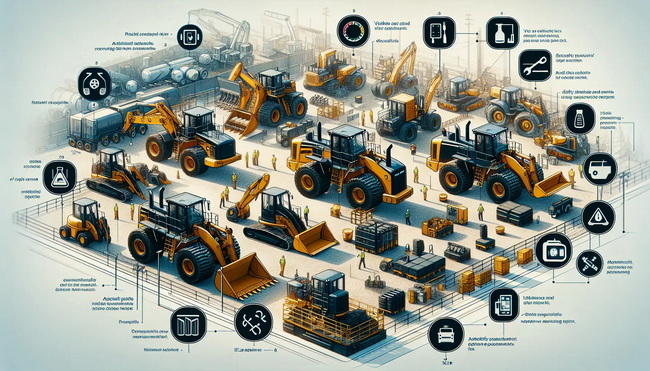
When trench depth or access requirements exceed the capability of a standard arm, long reach excavators offer a safer and more efficient alternative. Standard reach excavators typically provide up to about 40 feet of reach, while long reach configurations can extend effective reach up to 100 feet.
This extended reach provides several advantages:
- Enables deeper trench construction without positioning the machine dangerously close to the edge.
- Reduces the number of repositioning moves required along the trench alignment, boosting productivity.
- Makes it possible to trench from stable ground when working near water, steep slopes, or restricted access zones.
Long reach excavators are widely used in dredging, canal work, industrial demolition, and any project where deep or offset excavation is necessary.
A well‑designed long reach system should not only extend reach but also maintain full functionality with multiple attachments. This allows crews to adapt quickly as trench conditions change from soft soil to roots, rock, or debris.
Essential characteristics of an effective long reach system include:
- A long stick and boom that extend a standard excavator's reach from around 36–38 feet to roughly 70 feet, nearly doubling working distance.
- Hydraulic lines routed along the boom and stick to power attachments such as graptor rakes, root rakes, rippers, and buckets.
- Quick‑change capability that lets operators switch attachments without compromising safety or spending excessive time on setup.
This configuration makes it possible to maintain trench quality on deep or remote sections while preserving the same attachment flexibility available on standard machines.
Advanced trenching projects increasingly rely on GPS and RTK technology to meet tight tolerances and create accurate as‑built records. Integrating these systems with long reach excavators adds visibility and control, especially when digging where visual depth checks are difficult.
A modern positioning solution can:
- Use real‑time GPS combined with a Wi‑Fi hotspot, solar power, custom software, and sensors to track excavator position during digging.
- Incorporate Real‑time Kinematic (RTK) positioning to achieve survey‑grade accuracy within about 1 inch.
- Operate effectively even in underwater trenching conditions by combining traditional GPS with RTK corrections.
By visualizing bucket position and design grade on a display, operators can reduce the need for stakeout and manual depth checks, saving time and reducing rework.
A comprehensive long reach kit helps contractors upgrade their existing excavators without piecing together components from multiple sources. This reduces integration risk and simplifies maintenance and support.
A typical long reach kit includes:
- Long reach stick and boom assemblies
- Trenching or general‑purpose bucket sized for extended reach use
- Brackets and slurry hose brackets as needed
- Hydraulic lines pre‑installed along the stick and boom for attachment operation
This plug‑and‑play approach allows crews to transition quickly between standard reach and long reach trenching configurations depending on project requirements.
Long reach sticks can be adapted to standard 26‑ton, 36‑ton, and 49‑ton excavators used around the world. This broad compatibility lets contractors leverage the same long reach concept across multiple machines in their fleets.
Supported brands include:
- Volvo
- Cat
- Komatsu
- JCB
- Kobelco
- Deere
- Hyundai
- Other comparable models upon confirmation
Using a common long reach platform simplifies training, keeps spare parts inventories leaner, and allows operators to move between machines with minimal retraining.
To connect safety, equipment, and technology into a clear field process, project teams can follow a structured trenching workflow. The steps below apply whether using a standard excavator or a long reach configuration.
- Planning and design review
Review trench depth, width, and slope requirements against project drawings and local codes. Clarify soil types, groundwater levels, and any shoring or shielding obligations before mobilizing equipment.
- Site marking and protection
Mark trench alignment and verify utility locations using appropriate locating services. Establish traffic control, signage, and exclusion zones to protect workers and the public.
- Machine selection and attachment setup
Choose standard or long reach excavators according to required depth and access. Fit buckets, rippers, or rakes based on soil conditions, obstructions, and desired productivity level.
- Initial excavation and benching
Begin digging with controlled passes, keeping the excavator set back from the trench edge and maintaining a stable working position. Remove roots, rocks, and debris with specialized attachments rather than forcing them through with a bucket alone.
- Fine grading and quality checks
Use visual checks, grade rods, or GPS/RTK guidance to confirm depth, slope, and alignment. Make incremental corrections rather than large over‑cuts to protect both safety and trench geometry.
- Inspection, installation, and backfilling
Inspect the trench and protective systems before placing pipes, conduits, or structures. Backfill in lifts and compact according to specification to prevent settlement and maintain long‑term stability.
This structured approach reinforces safe habits while delivering predictable trench quality and project outcomes.
Long reach trenching proves especially valuable on sites where safety, access, or environmental conditions make standard configurations less effective. In many of these scenarios, extended reach helps keep machines on more stable ground while still achieving design depths.
Typical applications include:
- Deep utility mains where large covers or roadways limit how close excavators can get to the trench line
- Canal, shoreline, and riverbank projects requiring excavation from a setback to avoid bank failure
- Industrial complexes or demolition areas with debris and hazards that restrict close machine access
- Underwater or near‑water trenching where GPS/RTK guidance supports visibility and documentation
In each case, combining long reach equipment with the right attachments and positioning technology provides a safer and more productive trenching solution.
Efficient trench construction with an excavator depends on combining safe work practices, the right attachment set, and—when the job demands it—long reach and positioning technology optimized for your conditions. If you are planning deep or complex trench projects and want to improve safety margins, reach, and accuracy, contact the specialized support team via the published phone number or online contact form to discuss a configuration tailored to your excavator fleet and job requirements.
The safest approach is to identify underground utilities, classify soil, and establish safe access, egress, and spoil placement before any digging starts. A competent person should inspect the trench regularly and adjust protective systems whenever conditions change.
A long reach excavator is recommended when trench depth or offset exceeds a standard arm's capacity, or when the machine must stay further from the edge for stability. It is also useful for dredging, canal work, and industrial sites where distance from hazards is critical.
Frost and rock rippers provide the best penetration in frozen or rocky soils, helping to start and shape the trench. Graptor rakes and root rakes are ideal for clearing roots, rocks, and large debris so the trench can be excavated safely and efficiently.
GPS and RTK systems give the operator real‑time position and elevation data, showing how the trench compares to design depth and alignment. This reduces reliance on manual grade checks and helps achieve survey‑grade accuracy with fewer passes and less rework.
Long reach sticks are available for standard 26‑ton, 36‑ton, and 49‑ton excavators from manufacturers such as Volvo, Cat, Komatsu, JCB, Kobelco, Deere, and Hyundai. Contractors should confirm specific model compatibility before ordering to ensure a correct fit and optimal performance.


