
Views: 222 Author: Amanda Publish Time: 2026-01-02 Origin: Site


Content Menu
● Why Undercarriage Inspection Matters
● Safety Prep Before Inspection
● Step-by-Step Undercarriage Inspection
>> Follow a Consistent Walkaround Pattern
>> Bottom Rollers and Carrier Rollers
>> Idlers and Recoil Mechanism
>> Drive Sprockets and Final Drives
>> Track Frames, Guards, and Structural Parts
● Measuring Wear and Recording Results
● Common Wear Patterns and Root Causes
>> Uneven Wear Between Left and Right
>> Accelerated Wear on Specific Components
● How Often to Inspect an Excavator Undercarriage
● Best Practices to Extend Undercarriage Life
● Working With Specialist Manufacturers
● FAQ
>> 1. How often should I inspect an excavator undercarriage?
>> 2. What are the first signs of undercarriage trouble?
>> 3. How do I know when to replace tracks?
>> 4. Does operator technique really affect undercarriage life?
>> 5. Why is one side of my excavator undercarriage wearing faster?
Inspecting an excavator undercarriage correctly protects your most expensive wear system, reduces downtime, and extends component life on any track machine. A structured, repeatable walkaround helps you catch damage, misalignment, and abnormal wear long before they turn into catastrophic failures.[1][2]

An excavator undercarriage can account for up to 50–60% of the machine's total lifetime maintenance cost, so early detection of wear delivers significant savings over the life of the machine. Neglecting the excavator undercarriage leads to track derailment, broken rollers, damaged sprockets, and hydraulic drive failures that stop production and increase safety risks.[2][1]
- The excavator undercarriage supports machine weight, provides traction, and stabilizes the upper structure during digging, lifting, and slewing.[3]
- Main components include track chains, shoes, rollers, idlers, sprockets, track frames, guards, and final drives that all work together as one system.[3]
- High-abrasion ground conditions, steep slopes, impact loading, and poor maintenance dramatically accelerate excavator undercarriage wear and shorten service intervals.[4]
For OEMs and contractors, treating the excavator undercarriage as a managed asset instead of a consumable part is the key to predictable operating costs and higher resale values.[5]
Before inspecting an excavator undercarriage, always create a safe, stable setup to prevent roll-away or unexpected movement while working close to heavy components.[6]
- Park the track machine on firm, level ground, lower the attachment fully to the ground, and center the upper structure over the undercarriage.[7]
- Engage the parking brake, place travel levers in neutral, stop the engine, remove the key, and apply lockout/tagout devices if required by site procedures.[6]
- Wear appropriate PPE: safety boots, cut-resistant gloves, eye protection, and, where required, hard hat and high-visibility clothing.[5]
When allowed by the OEM instructions, slightly lifting each side of the excavator undercarriage with the boom and blade (or stabilizers) lets you rotate the tracks slowly for a more complete visual check. Never work beneath a raised track frame without proper blocking, cribbing, or approved supports.[8][5]
Thorough cleaning is the first essential step because packed mud and rock can hide cracks, leaks, and hardware issues on the excavator undercarriage.[1]
- Use a shovel, bar, or cleaning tool to remove heavy mud, snow, and debris from around rollers, idlers, sprockets, and between track shoes.[9]
- Avoid striking sensitive components directly with metal tools; work carefully around seals, grease lines, and hydraulic hoses in the undercarriage area.[5]
- Finish with a pressure washer to clear grease, oil, and fine material, keeping the spray away from seals where possible to reduce the risk of water ingress.[1]
Regular cleaning also reduces corrosion, lowers fire risk from oil-soaked debris, and makes every future excavator undercarriage inspection faster and more accurate.[4]
A consistent pattern ensures no excavator undercarriage components are missed during the inspection.[1]
- Start at the front idler, move along the bottom rollers toward the rear sprocket, then check the carrier rollers and the upper side of the track frame.[8]
- Inspect guards, steps, and access points as you move, looking for damage, cracks, and loose or missing hardware.[2]
- Repeat the same routine on the other side for a full excavator undercarriage overview and to compare wear patterns left vs. right.[1]
Using checklists or digital forms helps ensure the same structured excavator undercarriage walkaround is completed every shift regardless of who is operating the machine.[5]
The tracks are the most visible part of an excavator undercarriage and an early indicator of overall condition.[9]
- Look for cracked, bent, or missing track shoes, as well as missing bolts, loose hardware, or shoe separation from the chain.[10]
- Check the top and bottom surfaces of each shoe for extreme wear, cupping, or sharp edges that reduce traction and stability.[10]
- Inspect the track chain for stretched pitch, worn bushings, scuffed side surfaces, and thinning link plates that indicate advanced wear in the excavator undercarriage.[9]
If multiple shoes are damaged, the excavator undercarriage may be experiencing excessive impact, working over sharp rock, or hitting obstacles during travel.[4]
Incorrect track tension is one of the fastest ways to destroy an excavator undercarriage and cause track derailments.[9]
- With the machine lifted just enough to rotate the track, move it until the heavy section is on top, then measure sag at the midpoint between idler and first bottom roller.[8]
- Place a straight edge across the tops of the rollers and measure vertically to the inside of the track chain to determine sag.[9]
- Typical excavator undercarriage guidance for mid-size machines allows around 1–2 inches of sag, but always follow the OEM specification for your model and shoe width.[7]
Over-tight tracks increase load on rollers, idlers, and final drives, while overly loose tracks increase derailment risk and accelerate bushing and sprocket wear across the excavator undercarriage.[11]
Rollers support the machine weight and guide the track, so failures directly affect stability and ride quality.[2]
- Inspect each bottom and carrier roller for flat spots, chipped flanges, abnormal wear bands, and looseness on the mounting bolts.[8]
- Rotate the track slowly and observe rollers in motion, listening for grinding, clattering, or rumbling noises from the excavator undercarriage.[8]
- Check for oil leaks at the roller seals, missing plugs, or dry rollers; a dry or leaking roller is typically considered failed and should be replaced.[9]
Uneven roller wear between the front and rear of the excavator undercarriage often indicates that the machine spends more time traveling in one direction or working on slopes.[12]
The front idler maintains track alignment and works with the recoil mechanism to absorb shock and maintain correct tension.[13]
- Inspect the idler tread surface for chips, spalling, and uneven wear; the profile should match the track chain contact area.[12]
- Look for cracks in the hub, loose fasteners, or damage from impacts with rocks or debris.[13]
- Check the recoil springs, adjuster cylinders, and grease tensioning systems for leaks, seized adjustment, or over-extension, all of which affect excavator undercarriage tension.[9]
Idlers that are badly worn or seized can cause the track chain to climb, derail, or wear unevenly, shortening the life of the entire excavator undercarriage assembly.[12]
Sprockets and final drives transfer power from hydraulic motors into track movement and are central to a healthy excavator undercarriage.[2]
- Inspect sprocket teeth for “hooked” or “shark-fin” shapes, thin tips, and broken sections, all of which signal advanced wear or chain pitch elongation.[9]
- Check for loose or missing sprocket bolts and any play between the sprocket and final drive hub.[9]
- Look around the final drive housing for oil leaks, damaged seals, broken guards, and evidence of overheating or contamination.[2]
Ignoring sprocket wear allows the stretched chain to further damage the teeth, and the resulting shock loads accelerate bearing and gear wear in the final drives of the excavator undercarriage.[10]
The structural elements of an excavator undercarriage are just as important as the wear parts they support.[8]
- Inspect the track frames for cracks, distorted sections, and broken welds, especially near high-stress areas like roller mounts and cross members.[2]
- Check track guides and guards for bending, heavy wear, or misalignment that can push on the chain and create hot spots of excavator undercarriage wear.[11]
- Confirm all mounting hardware is tight and complete, paying special attention to roller, idler, and guard bolts that are exposed to vibration.[5]
Structural damage or misalignment in the track frame should be addressed promptly, because it tends to multiply wear rates across the entire excavator undercarriage system.[2]
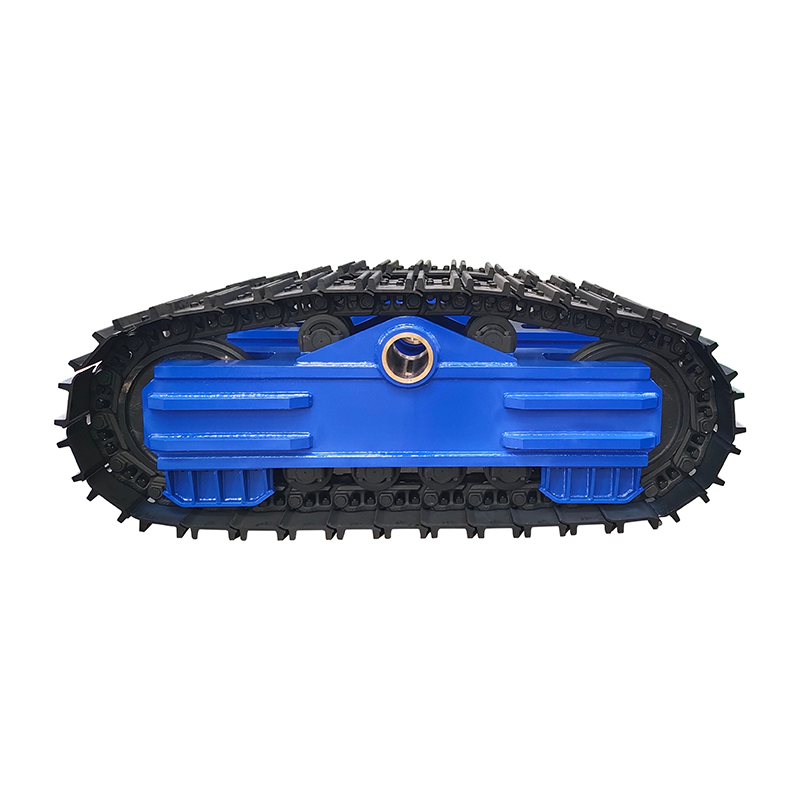
Visual checks are important, but precise measurement separates guesswork from professional excavator undercarriage inspection.[8]
- Use calipers or OEM wear gauges to measure roller diameters, idler diameters, track shoe height, and bushing or pin dimensions.[11]
- Compare readings to manufacturer wear charts to determine the percentage of remaining life for each excavator undercarriage component.[11]
- Record measurements with machine hours, application type, and site conditions to build a long-term wear history for each track machine.[5]
Digital inspection tools and mobile apps make it easier to attach notes and images to each measurement, creating traceable records for every excavator undercarriage in the fleet.[5]
Comparing both sides of an excavator undercarriage often reveals hidden operational issues.[1]
- If one track shows significantly more wear, suspect track frame misalignment, uneven track tension, or consistent operation on side-slopes.[9]
- Operators who habitually turn in the same direction or carry loads biased to one side also contribute to asymmetrical excavator undercarriage wear.[4]
Addressing root causes, such as adjusting work patterns or correcting frame misalignment, protects new parts after replacement and stabilizes future wear rates.[5]
Different wear patterns point to different problems in the excavator undercarriage.[12]
- Hooked sprocket teeth and elongated pin holes signal stretched track chains and overdue track or sprocket replacement.[9]
- Heavy roller flange wear or guide wear suggests chronic misalignment, incorrect track tension, or frequent contact with side obstacles.[12]
- Deep cupping on track shoes indicates heavy work in rock or hard, abrasive ground that concentrates pressure on limited contact areas.[4]
Recognizing these patterns early allows maintenance teams to adjust operating practices and replacement timing across the excavator undercarriage components.[12]
Inspection frequency depends on application severity, operating hours, and terrain, but excavator undercarriage checks should be regular and deliberate.[7]
- Perform quick visual walkarounds at the start and end of every shift, looking for obvious issues such as leaks, missing bolts, loose guards, or track damage.[6]
- Schedule detailed measurements weekly or at fixed hour intervals for machines working in abrasive materials such as sand, quarry rock, or demolition rubble.[4]
- In extreme environments, some fleets check critical excavator undercarriage components daily and adjust tracks several times a week.[9]
Aligning inspection intervals with service and fueling routines helps integrate excavator undercarriage care into existing maintenance workflows without adding extra downtime.[7]
Good operating and maintenance habits significantly extend excavator undercarriage life across any size of tracked machine.[9]
- Keep the excavator undercarriage clean by removing packed material daily, especially in clay, snow, or corrosive environments that trap moisture and chemicals.[1]
- Avoid high-speed travel, aggressive turning, and long reverse runs, all of which multiply wear on rollers, idlers, sprockets, and track chains.[11]
- Plan work so the machine tracks shorter distances and digs more from a stationary position when possible, reducing travel-related wear.[4]
- Whenever feasible, dig over the idlers rather than over the sprockets, distributing loads more evenly through the excavator undercarriage.[11]
Training operators on smooth travel, wide-radius turns, and proper use of work modes often delivers some of the fastest improvements in excavator undercarriage life.[7]
Partnering with a dedicated undercarriage and drive-train manufacturer helps match component design to real-world applications for your excavator undercarriage.[3]
- Specialist suppliers focused on track frames, travel drives, planetary gearboxes, winch drives, swing drives, and hydraulic motors can engineer solutions for specific ground conditions and duty cycles.[3]
- Custom-engineered excavator undercarriage systems provide better load distribution, smoother travel, and higher reliability in demanding applications such as drilling, forestry, and pipeline work.[4]
- Access to expert support simplifies component selection, from track shoe width and pattern to roller configuration, gear ratios, and hydraulic motor sizing.[3]
For OEMs and fleet owners, a strong technical partnership ensures each excavator undercarriage is configured for maximum service life and performance in its target environment.[5]
A disciplined inspection routine transforms the excavator undercarriage from a hidden cost center into a controlled, predictable maintenance item. By cleaning thoroughly, following a consistent walkaround pattern, checking each component in detail, and measuring wear, operators can extend excavator undercarriage life and avoid unexpected breakdowns. Combined with good operating habits and collaboration with specialist manufacturers, these practices protect uptime, improve safety, and reduce total cost of ownership for every track machine in the fleet.[1][8][9]
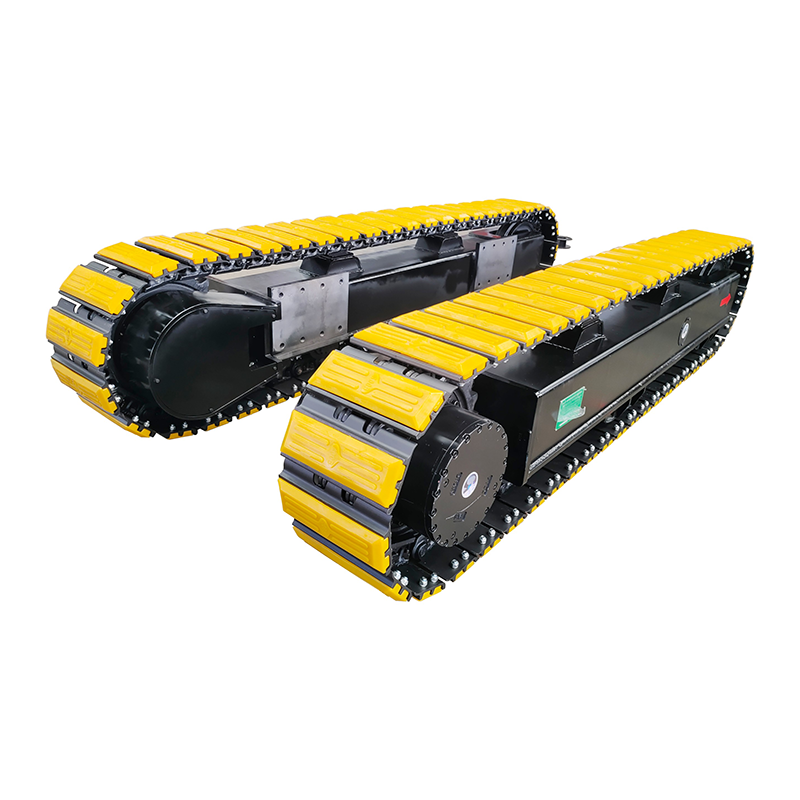
Frequent, structured inspections are vital to keep an excavator undercarriage operating safely and efficiently. At minimum, perform daily visual walkarounds and schedule more detailed wear measurements at regular hour intervals, increasing frequency for harsh or abrasive applications.[7][4]
Early symptoms usually appear as abnormal noise, oil leaks, and irregular track behavior on the excavator undercarriage. Watch for grinding or rumbling rollers, visible leaks from rollers or final drives, track derailments, and rapid wear on sprocket teeth, bushings, and track shoes.[2][9]
Tracks on an excavator undercarriage need replacement when pitch elongation and visible wear exceed the limits stated in the OEM specifications. Key indicators include thinning link plates, deep bushing wear, cracked or missing shoes, and excessive sag that cannot be corrected by normal tension adjustment.[10][9]
Operator technique is one of the strongest influences on excavator undercarriage life. Smooth travel, reduced high-speed tracking, wide-radius turns, and avoiding constant operation in reverse can add hundreds of hours to undercarriage components and reduce fuel consumption.[11][4]
Uneven left-to-right wear on an excavator undercarriage usually points to misalignment, uneven track tension, or biased operating patterns. Machines that work frequently on slopes, turn predominantly in one direction, or have bent track frames will often show significantly higher wear on one side, which should be corrected quickly.[5][9]
[1](https://www.stewartamoseqpt.com/blog/excavator-undercarriage-inspection-guide/)
[2](https://www.boomandbucket.com/blog/assessing-undercarriage-tips-for-tracked-equipment-inspection)
[3](https://www.fortishd.com/blogs/repair/understanding-the-undercarriage-of-heavy-equipment)
[4](https://hixenmachine.com/what-are-the-most-common-excavator-wear-parts/)
[5](https://heavyvehicleinspection.com/blog/post/undercarriage-maintenance-guide-heavy-machinery-professionals)
[6](https://heavyequipmentcollege.edu/how-do-you-perform-an-excavator-inspection/)
[7](https://www.bobcatofpittsburgh.com/blog/essential-steps-for-maintaining-the-excavator-undercarriage--82316)
[8](https://www.youtube.com/watch?v=YyZcRwETdeA)
[9](https://langleyexcavatorparts.com/excavator-track-undercarriage-problems-maintenance/)
[10](https://hawkexcavator.com/excavator-undercarriage-parts/)
[11](https://www.west-trak.co.nz/wp-content/uploads/2019/01/Undercarriage-Handbook-low-res.pdf)
[12](https://www.vematrack.com/en/blog-en/recognising-wear-undercarriage-parts/)
[13](https://westsidetractorsales.com/wp-content/uploads/2020/01/West-Side-Tech-Tips-Issue-7.pdf)


