
Views: 222 Author: Robert Publish Time: 2026-01-17 Origin: Site


Content Menu
● Why the Hydraulic Motor Matters So Much for a Hydraulic Winch
● Main Types of Hydraulic Motors Used on Hydraulic Winch Systems
● Gear Motors on a Hydraulic Winch
● Orbital Motors (Gerotor/Geroler) on a Hydraulic Winch
● Axial Piston Motors on a Hydraulic Winch
● Radial Piston Motors on a Hydraulic Winch
● Key Performance Criteria for a Good Hydraulic Winch Motor
● Torque Requirements at the Winch Drum
● Displacement, Pressure, and Torque for a Hydraulic Winch Motor
● Flow, Motor Speed, and Line Speed of the Hydraulic Winch
● Starting Torque Versus Running Torque for Hydraulic Winch Motors
● Duty Cycle and Heat Management in Hydraulic Winch Motor Selection
● Control Characteristics of Hydraulic Motors on a Hydraulic Winch
● Reliability, Environment, and Maintenance for Hydraulic Winch Motors
● Typical “Good Motor” Choices for Different Hydraulic Winch Scenarios
● Integrating the Motor with Gearbox and Hydraulic Winch Structure
● Hydraulic Power Source and Motor Matching for a Hydraulic Winch
● Application‑Specific Considerations for Hydraulic Winch Motors
● When Integrated Kemer Solutions Are a Good Choice for Hydraulic Winch
● FAQ
>> Q1. What type of hydraulic motor is most common on a hydraulic winch?
>> Q2. How do I calculate the motor size for my hydraulic winch?
>> Q3. Why does a hydraulic winch need high starting torque?
>> Q4. Are gear motors suitable for a heavy‑duty hydraulic winch?
>> Q5. How do system pressure and flow affect a hydraulic winch motor?
A good hydraulic motor for a hydraulic winch delivers high starting torque at low speed, matches the winch drum torque and line speed requirements, and works reliably within the available system pressure and flow. For most hydraulic winch applications, compact low‑speed high‑torque orbital motors or radial piston motors are preferred because they provide smooth pulling force, durability, and precise control under heavy load.
A hydraulic winch converts hydraulic energy into mechanical pulling power through a hydraulic motor connected directly or indirectly to the winch drum. If the motor is not correctly matched to hydraulic winch torque, speed, and duty cycle, the system can overheat, stall, or wear out prematurely.
- The hydraulic motor governs line pull and maximum working load of the hydraulic winch.
- It also defines the range of line speed and how smoothly the hydraulic winch can start, accelerate, and stop under load.
- Motor selection influences overall cost, efficiency, reliability, and maintenance demands of the hydraulic winch.
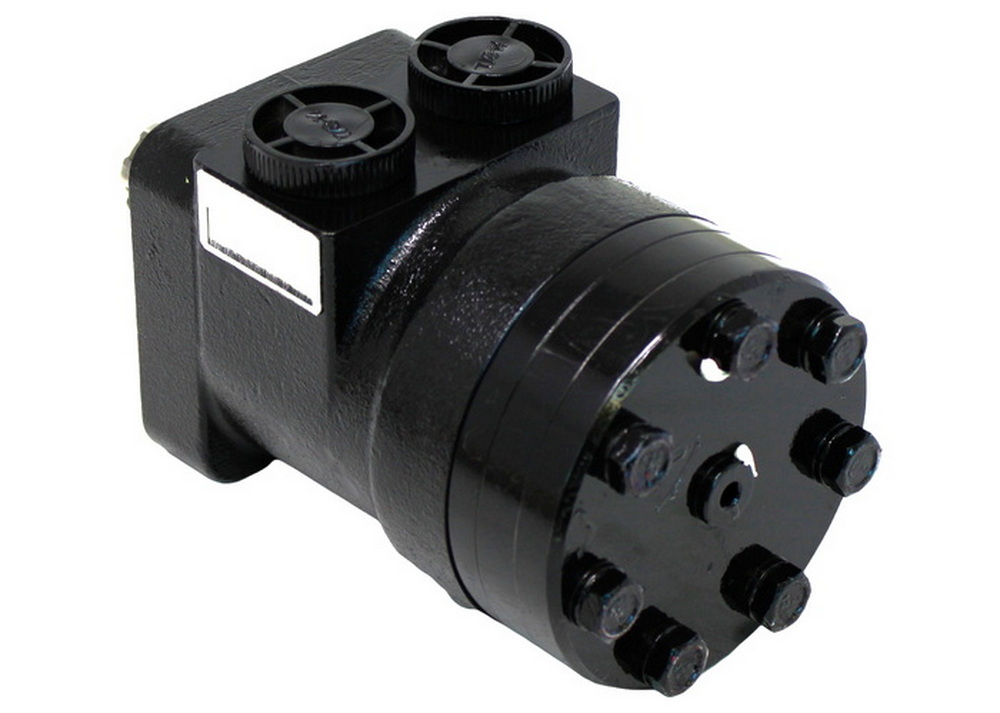
Different hydraulic motor types behave very differently on a hydraulic winch, even when catalog ratings look similar. Understanding their characteristics helps you choose a suitable power core for your hydraulic winch in real‑world conditions.
Gear motors are simple, compact, and cost‑effective, which makes them attractive for light‑duty hydraulic winch applications. They tolerate contamination relatively well and are easy to maintain, but they usually offer lower efficiency and less refined low‑speed control compared with orbital or piston motors.
- Best for: Light to medium‑duty hydraulic winch tasks where cost is critical and precise creeping speed is less important.
- Limitations: Not ideal where a hydraulic winch must deliver very high starting torque at very low speeds or work under continuous heavy loads.
Orbital motors are low‑speed high‑torque units widely used as the power core of compact hydraulic winch drives. Their internal gear set creates built‑in speed reduction and torque multiplication, which is exactly what a hydraulic winch needs for controlled pulling.
- Best for: General‑purpose hydraulic winch systems on trucks, trailers, forestry machines, agricultural equipment, and small marine cranes.
- Advantages: High torque at low speed, compact construction, simple design, good efficiency, and reliable low‑speed smoothness for continuous hydraulic winch operation.
Axial piston motors provide high efficiency, high power density, and a wide speed range, making them suitable for demanding hydraulic winch and hoisting applications. They support advanced control options such as variable displacement and closed‑loop control.
- Best for: Heavy‑duty, high‑value hydraulic winch systems on cranes, offshore equipment, and industrial handling lines where speed range and efficiency are critical.
- Advantages: Excellent speed control, strong continuous torque capability, and high efficiency over a broad operating range.
Radial piston motors are often chosen when a hydraulic winch must deliver extremely high torque at very low speeds in a compact space. Their architecture gives them very high torque density and robust shock‑load resistance, ideal for the harshest winch environments.
- Best for: High‑torque, low‑speed hydraulic winch applications with demanding duty cycles, such as drilling rigs, offshore winches, and large construction machinery.
- Advantages: Full torque available from zero speed, outstanding low‑speed controllability, and long service life under heavy cyclic loading.
A good hydraulic motor for a hydraulic winch must be matched to the real demands at the drum, not just to catalog ratings. Start from the winch requirements and work backwards to the motor and hydraulic supply.
- Required line pull (maximum load in pounds or kilograms).
- Desired line speed (meters or feet per minute) under that load.
- Available system pressure (bar or psi) and flow (liters or gallons per minute).
Once these are known, you can calculate the required drum torque, motor torque, displacement, and speed for your hydraulic winch.
The hydraulic winch drum torque is directly related to line pull and drum radius. This torque must be supplied by the motor, either directly or through a gearbox.
- Higher line pull or larger drum radius increases the torque required from the hydraulic winch motor.
- Using a planetary or worm gearbox between motor and drum multiplies torque at the drum, allowing a smaller motor to power a larger hydraulic winch.
For example, a hydraulic winch designed for high line pull may pair a moderate‑size orbital motor with a high‑ratio planetary gearbox to generate the necessary drum torque.
Motor torque depends on system pressure and motor displacement. Larger displacement or higher pressure both increase torque, but they affect the system differently.
- A higher‑displacement motor produces more torque at the same pressure, but runs slower at a given flow, which slows the hydraulic winch line speed.
- A higher‑pressure system allows a smaller displacement motor to deliver the same torque, making the hydraulic winch more compact but placing higher stress on components.
Balancing displacement and pressure is essential for an efficient and durable hydraulic winch design.
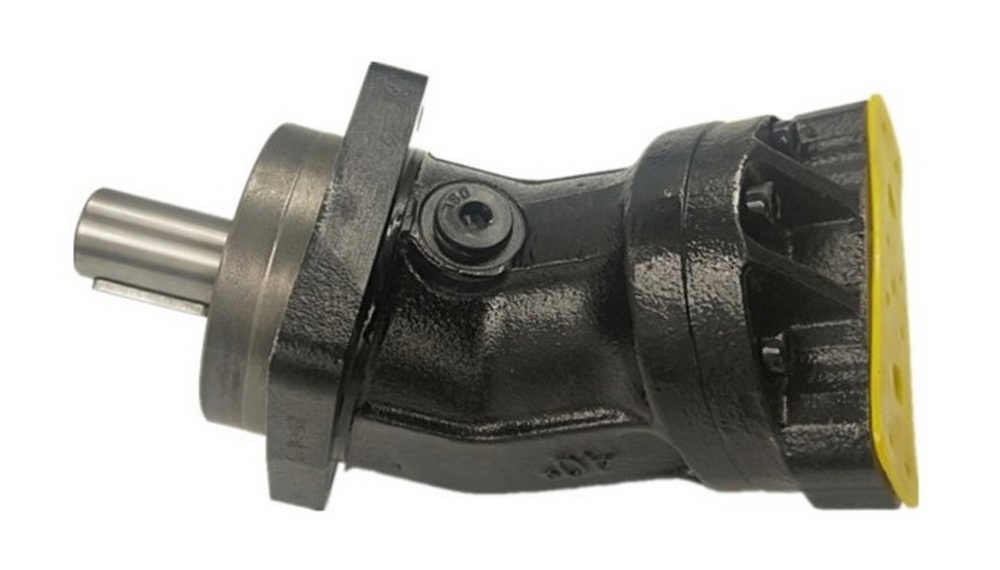
Motor speed is primarily set by hydraulic flow and displacement, and this speed directly affects hydraulic winch line speed.
- More flow at the same displacement increases motor rpm and speeds up the hydraulic winch.
- Less flow slows the motor and provides more precise, controlled movement, often preferred during lifting or delicate positioning.
In many hydraulic winch systems, proportional valves or variable‑displacement pumps are used to fine‑tune flow and therefore line speed.
A hydraulic winch often needs more torque to start moving a load than to keep it moving. Static friction, rope bedding, and load sticking can all raise the starting torque requirement.
- Orbital and radial piston motors naturally offer strong starting torque, making them well suited to heavy hydraulic winch duties.
- When sizing, it is important to allow a safety margin between available motor torque and required starting torque so the hydraulic winch can start smoothly without stalling.
Ignoring starting torque can result in a hydraulic winch that seems powerful on paper but struggles whenever the load is stationary or stuck.
Hydraulic winch systems often run for long periods under heavy load, so duty cycle and heat management are critical design considerations.
- Intermittent applications may tolerate simpler, less efficient motors, while continuous duty hydraulic winch work benefits from high‑efficiency orbital or piston motors and robust cooling.
- The hydraulic reservoir, cooler, and piping must dissipate the heat generated by the motor, pump, and flow control elements during extended hydraulic winch operation.
Selecting a motor with higher efficiency can significantly reduce oil heating and extend component life in a hydraulic winch system.
Control behavior is just as important as raw power in a hydraulic winch. Operators must be able to start, stop, and reverse safely and predictably.
- Orbital motors provide smooth low‑speed behavior and are easy to control with simple directional and flow control valves, which is ideal for many hydraulic winch tasks.
- Axial piston motors with variable displacement allow the hydraulic winch to run at high speed for fast payout and at very low speed for careful lifting or positioning, all with the same motor.
Motor type, displacement control (fixed or variable), and valve selection together define how responsive and controllable the hydraulic winch feels to the operator.
Hydraulic winch systems are frequently exposed to mud, dust, saltwater, vibration, and shock loads. This harsh environment makes reliability a top priority.
- Motors in marine and offshore hydraulic winch applications must have corrosion‑resistant materials and seals to resist saltwater and humidity.
- High oil cleanliness levels and proper filtration extend the life of axial and radial piston motors used on hydraulic winch systems, while gear and orbital motors are somewhat more tolerant of contamination.
Regular oil changes, filter monitoring, and scheduled inspections help prevent unplanned downtime of hydraulic winch equipment.
The “best” hydraulic motor for a hydraulic winch depends strongly on the application, load profile, and hydraulic power source. Some typical patterns are:
- Light to medium‑duty truck‑mounted hydraulic winch: fixed‑displacement orbital motor with a planetary gearbox, using modest pressure and flow from a PTO‑driven pump.
- Industrial lifting hydraulic winch with high precision: axial piston motor, often variable displacement, combined with advanced control valves for smooth speed control and load holding.
- Heavy‑duty offshore or drilling hydraulic winch: radial piston motor or large orbital motor with a heavy planetary gearbox to deliver very high torque at low speed and withstand shock loads.
In each case, motor selection is part of a complete hydraulic winch system design that includes the pump, reservoir, valves, hoses, gearbox, and braking.
A good hydraulic winch motor must integrate mechanically and hydraulically with gearboxes, brakes, clutches, and the winch frame.
- Planetary gear drives are widely used for compact, efficient hydraulic winch transmissions, offering high torque multiplication and good efficiency.
- Worm gear drives provide strong self‑locking behavior that helps hold loads when the hydraulic winch is stopped, though they are less efficient than planetary gearboxes.
The motor mounting interface, shaft design, and seal arrangement all need to be coordinated with the gearbox and drum to ensure a robust hydraulic winch assembly.
A hydraulic winch motor can only deliver its rated performance if the hydraulic power source can supply adequate flow and pressure.
- The pump must deliver sufficient flow at the engine or prime mover speed typically used when operating the hydraulic winch so that desired line speed is achievable.
- Relief valve settings and system pressure limits must be high enough to allow the motor to generate required torque without constantly dumping flow over the relief, which wastes energy and heats the oil.
Matching pump, valves, and motor ensures that the hydraulic winch performs predictably in actual service, not just in calculations.
Different industries place unique demands on hydraulic winch systems, and motor selection must reflect those realities.
- Marine and offshore hydraulic winch applications often favor radial piston or high‑quality orbital motors because they combine high torque, smooth control, and resistance to shock loads and corrosion.
- Industrial and construction hydraulic winch applications may prioritize ruggedness and ease of service, making orbital motors with planetary gearboxes a popular choice.
In every case, understanding typical load cycles, required holding capability, and safety standards guides the final motor decision for a hydraulic winch.
A manufacturer that specializes in tracked undercarriages, hydraulic winch systems, planetary gearboxes, winch drives, swing drives, and hydraulic motors can optimize the entire power chain from motor shaft to drum. By designing the hydraulic motor, winch gearbox, and structural components as a single system, it becomes easier to balance torque, speed, efficiency, and service life.
Such integrated design allows:
- Custom motor displacement, pressure ratings, and mounting interfaces that match the target hydraulic winch load profile and available hydraulic power.
- Coordinated selection of planetary gear ratios, drum diameter, and braking components so the hydraulic winch delivers predictable performance in real working conditions.
For OEMs, working with a supplier that understands both hydraulic motors and hydraulic winch mechanics can shorten development time and reduce system risks.
A good hydraulic motor for a hydraulic winch must deliver sufficient starting torque, appropriate operating speed, and robust reliability under the specific load and duty cycle of the application. Orbital, radial piston, and axial piston motors are usually the leading candidates, and the right choice depends on expected line pull, required line speed, duty cycle, environment, and available hydraulic power. When the motor, gearbox, drum, and hydraulic circuit are correctly matched, the hydraulic winch runs smoother, lasts longer, and provides safer, more efficient performance for operators in the field.
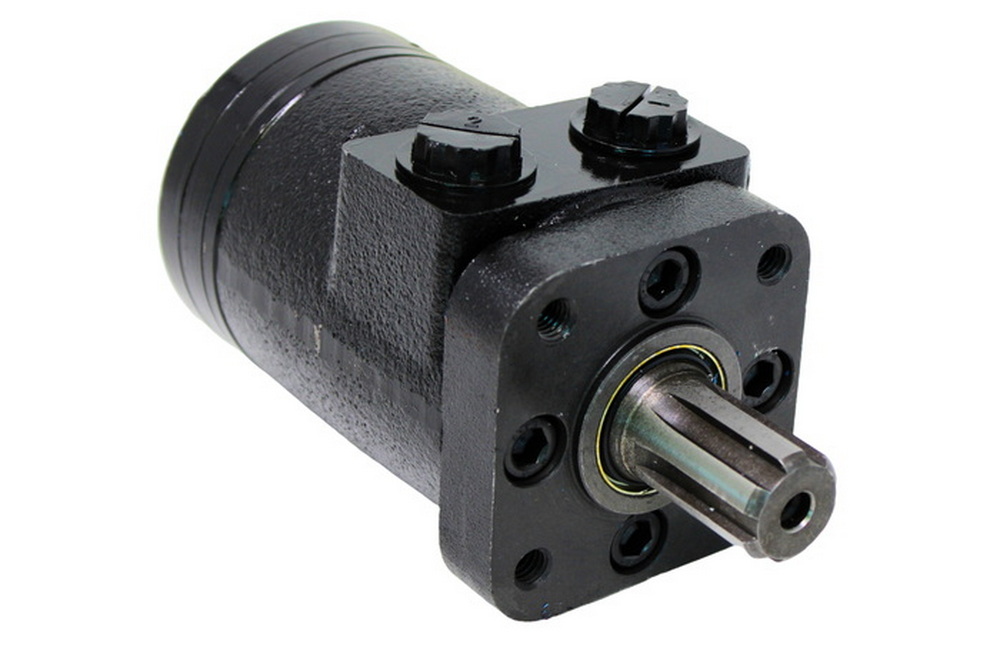
Orbital motors are the most common choice for compact low‑speed high‑torque hydraulic winch systems. Their internal gearing provides strong torque multiplication and smooth low‑speed operation, making them ideal for truck‑mounted, mobile, and general‑purpose industrial winches where cost, reliability, and control all matter.
Start by determining required line pull at the outer drum layer and the drum radius to calculate drum torque. Then use available system pressure to work out the motor torque and displacement needed, and check that the flow from your pump will spin the motor fast enough to reach your desired line speed. Always add a safety margin for starting torque and peak loads.
A hydraulic winch often has to break a heavy, static load free from rest, overcome friction in the rope layers, and sometimes move loads that are partially stuck. High starting torque from the motor ensures the winch can begin movement smoothly and safely without stalling or over‑pressurizing the system, which reduces stress on hoses, fittings, and structural components.
Gear motors can work well in light or moderate duty hydraulic winch applications where the load is not extreme and the duty cycle is intermittent. For heavy‑duty or continuous applications with high line pull and demanding control needs, orbital, axial piston, or radial piston motors usually provide better efficiency, torque capability, and long‑term durability than simple gear motors.
System pressure mainly influences the torque a hydraulic motor can generate, while flow rate determines how fast the motor turns and thus how quickly the hydraulic winch pays in or pays out rope. To get a balanced design, the motor is selected so that, at available pressure and flow, it reaches the necessary combination of torque and speed without constantly hitting pressure limits or running too slowly for the job.


