
Views: 222 Author: Amanda Publish Time: 2026-01-09 Origin: Site


Content Menu
● What Is a Planetary Gearbox?
● Main Components of a Planetary Gearbox
● Safety and Preparation Before Assembly
● Step‑by‑Step Planetary Gearbox Assembly
>> Assemble the Planet Carrier and Planet Gears
>> Insert Carrier Assembly into the Ring Gear
>> Install the Sun Gear and Input Shaft
>> Stack Multiple Planetary Stages
>> Mount the Planetary Gearbox to Motor or Hydraulic Motor
>> Close the Housing and Apply Lubrication
>> Alignment Check and Test Run
● Best Practices for Planetary Gearbox Assembly
● FAQ About Planetary Gearbox Assembly
>> 1. What tools are needed to assemble a planetary gearbox?
>> 2. How do I know the planetary gearbox is correctly aligned with the motor?
>> 3. What lubrication should be used in a planetary gearbox?
>> 4. How often should a planetary gearbox be inspected or serviced?
>> 5. What are signs that a planetary gearbox was assembled incorrectly?
Assembling a planetary gearbox is a precise mechanical process that combines accurate machining, correct sequencing, and careful quality control from preparation to test run. A well‑assembled planetary gearbox provides compact, high‑torque, and low‑backlash performance for tracked chassis, hydraulic winches, travel drives, slewing drives, and other industrial motion applications.[1][2]
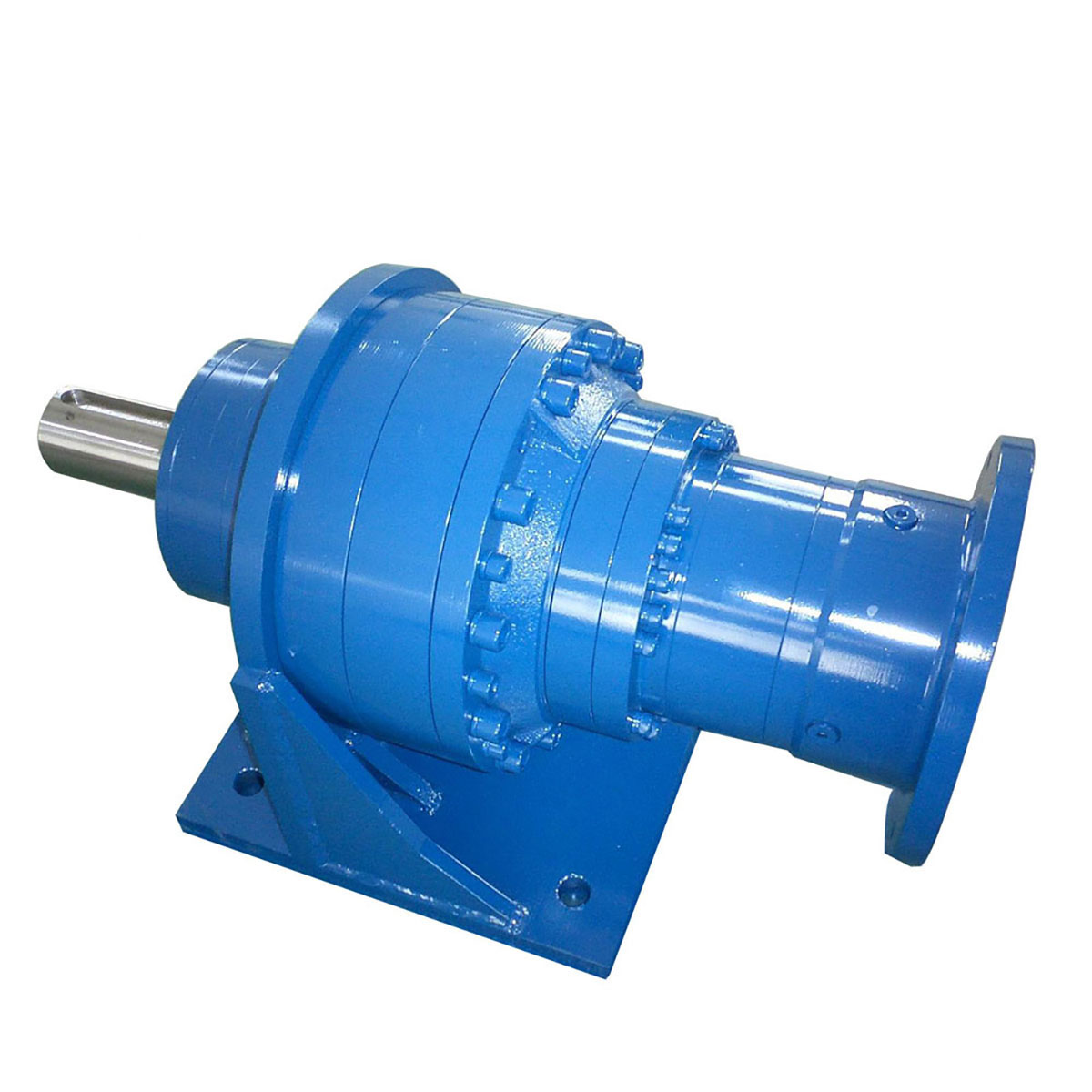
A planetary gearbox is a type of gear reducer that uses a central sun gear, multiple planet gears, an internal ring gear, and a carrier to transmit power and multiply torque in a compact package. The sun gear usually connects to the input shaft, the planets rotate around the sun, the ring gear forms the outer internal‑tooth gear, and the carrier often delivers the output to the driven machine.[2][1]
Because multiple planet gears share the load at the same time, a planetary gearbox achieves high torque density, high efficiency, and excellent torsional stiffness. This makes the planetary gearbox ideal for heavy‑duty applications such as tracked undercarriages, winch drives, swing drives, and hydraulic motor drives in construction, mining, and marine equipment.[1][2]
Understanding each component is essential before assembling or servicing a planetary gearbox. Clear recognition of function and orientation helps prevent mistakes that cause premature wear or failure in the planetary gearbox.[2][1]
- Sun gear: Central gear mounted on the input shaft; it drives all planet gears and defines the primary ratio of the planetary gearbox.[1][2]
- Planet gears: Several gears mounted on pins in the carrier; they mesh with the sun and ring gears, sharing torque and balancing forces in the planetary gearbox.[2][1]
- Ring gear: Internally toothed outer gear that surrounds the planets; it can be fixed, driven, or used as an output depending on the planetary gearbox design.[3][1]
- Carrier: Rigid structure that supports planet pins and gears; in many industrial planetary gearbox designs, the carrier is the output element.[1][2]
- Bearings and bushings: Rolling or sliding elements that support shafts and gears, controlling friction and radial/axial run‑out within the planetary gearbox.[4][2]
- Housing and covers: Rigid enclosure that holds all stages together, protects internal parts, and retains lubricant inside the planetary gearbox.[4][2]
- Seals and gaskets: Elements that prevent oil leakage and contamination ingress, especially important when the planetary gearbox is used with hydraulic motors or in harsh outdoor environments.[5][2]
Correct safety and preparation lay the foundation for a reliable planetary gearbox assembly. Skipping basic steps can lead to misalignment, contamination, or early damage to gears and bearings in the planetary gearbox.[6][5]
- Clean workplace: Use a clean, dust‑free surface and ensure that all planetary gearbox parts are free from chips, dust, or metal shavings. Contamination accelerates wear and can lead to pitting or scuffing of gear teeth in the planetary gearbox.[5][6]
- Part inspection: Check gears, shafts, bearings, seals, and housing for damage, burrs, or corrosion. Replace defective components before assembling the planetary gearbox to maintain reliability.[6][5]
- Dimensional verification: Measure critical fits, including motor shaft diameter, gearbox input bore, centering pilot, and mounting bolt patterns. Proper fits and tolerances are key to the long‑term accuracy of the planetary gearbox.[7][6]
- Tool preparation: Prepare torque wrenches, Allen keys, hex sockets, soft mallets, bearing presses, feeler gauges, and measuring tools sized correctly for the planetary gearbox you are assembling.[7][6]
- Documentation review: Study assembly drawings, exploded views, and torque tables. Following the manufacturer's recommended procedure for the specific planetary gearbox model reduces the risk of assembly errors.[8][9]
Although specific details vary by manufacturer, the general sequence for assembling a planetary gearbox is similar across many industrial designs. Working from the inside out helps maintain control and ensures that each stage of the planetary gearbox is correctly aligned and lubricated.[8][4]
The carrier and planet gears form the mechanical core of the planetary gearbox, so they require careful attention to clearance and alignment.[10][8]
- Press or insert bearings or bushings into the carrier bores as specified for the planetary gearbox. Ensure bearings are fully seated and oriented correctly.[8][2]
- Insert planet pins through the carrier and secure them using retaining rings, plates, or interference fits according to the design. Each pin must be fully locked to prevent movement inside the planetary gearbox.[10][8]
- Mount the planet gears onto the pins. Add needle bearings, thrust washers, or spacers where required to control axial play and reduce friction in the planetary gearbox.[2][8]
- Rotate each planet gear by hand to confirm free rotation without binding, excessive backlash, or unusual roughness. Any stiffness at this stage will worsen once the planetary gearbox is fully assembled.[8][2]
Once the carrier is prepared, it is integrated with the ring gear to create the first stage of the planetary gearbox.[2][8]
- Place the ring gear on the bench with internal teeth facing upward and stabilize it so that it cannot tilt during assembly.[3][8]
- Lower the loaded carrier slowly into the ring gear while gently rotating it until each planet gear meshes correctly with the ring teeth in the planetary gearbox.[10][8]
- After full engagement, rotate the carrier through several revolutions. The motion should be smooth and even. Any tight spots or noise may indicate burrs, misalignment, or incorrect clearances inside the planetary gearbox.[8][2]
The sun gear and input shaft form the primary driving interface of the planetary gearbox, so alignment and fit are critical.[1][2]
- Clean the motor shaft or drive shaft and remove any burrs near keyways or splines. Any surface defects can damage the sun gear bore during insertion into the planetary gearbox.[6][7]
- Mount the sun gear onto the shaft using the specified key, spline, or shrink‑fit method. Follow manufacturer instructions for any adhesive or locking compound used in the planetary gearbox.[9][8]
- Insert the sun gear and shaft assembly into the center of the carrier and planet set. Rotate gently until full tooth engagement is achieved inside the planetary gearbox without forcing.[4][8]
- Confirm that the sun gear engages evenly with all planet gears. Irregular tooth contact can cause uneven wear or noise when the planetary gearbox runs under load.[2][8]
Many industrial drives require multi‑stage planetary gearbox assemblies to achieve high reduction ratios while keeping the package compact.[4][8]
- Repeat the same process for the second stage: assemble its carrier, planet pins, and planet gears with the correct bearings and spacers. Treat each stage as an independent planetary gearbox module.[4][8]
- Install the second‑stage sun gear and mesh it with the corresponding planets. Verify rotation and tooth contact as before to ensure smooth operation within that stage of the planetary gearbox.[10][8]
- Stack the second stage into the first stage so that output from one stage correctly drives the next. Orientation marks on housings or carriers are often used to keep the planetary gearbox stages correctly aligned.[4][8]
- For three‑stage or more complex designs, continue stacking in the specified order, checking engagement and smooth movement after each stage. Proper modular assembly simplifies servicing and troubleshooting of the planetary gearbox later.[8][4]
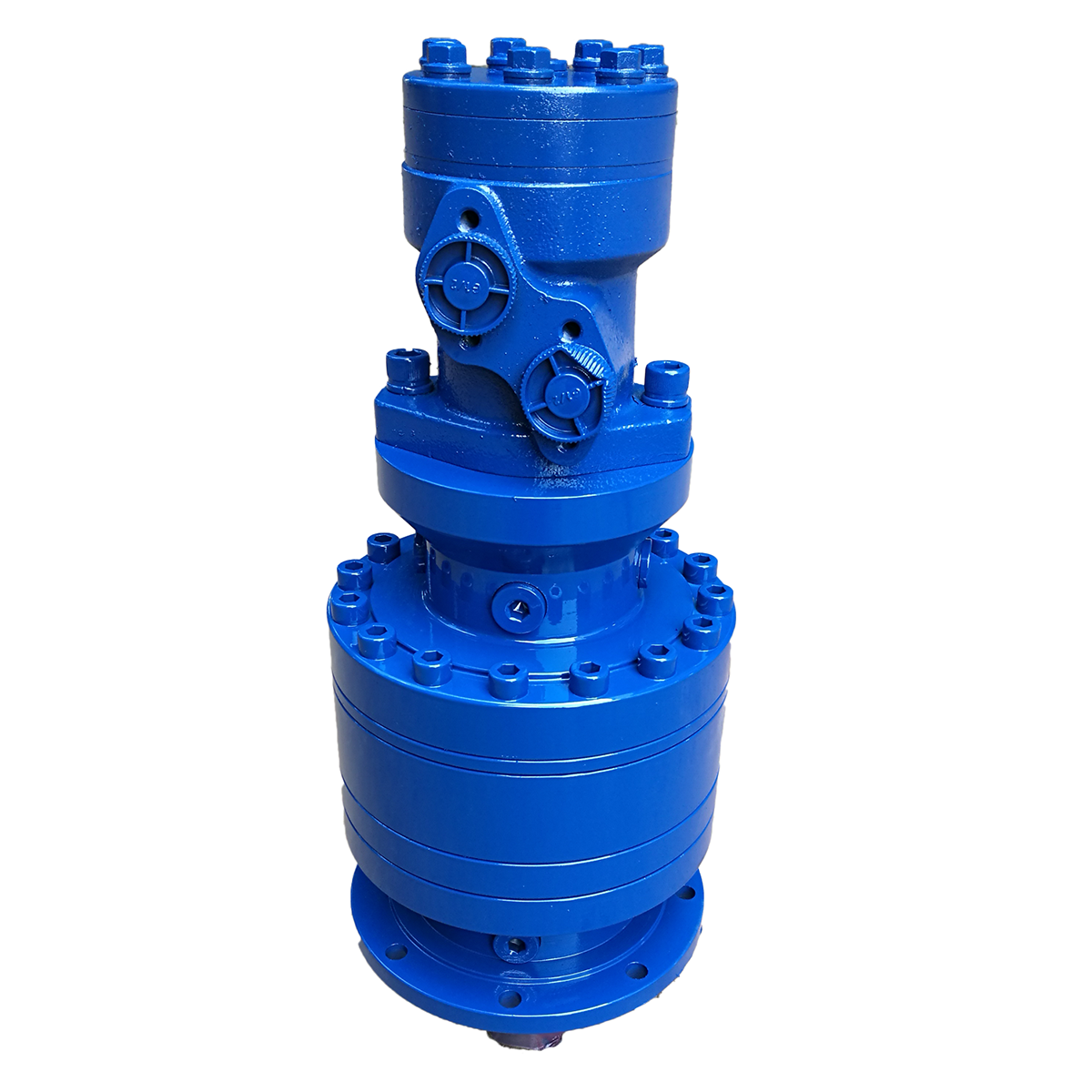
The connection between motor and planetary gearbox strongly affects efficiency, vibration, and noise. Accurate centering and bolt tightening prevent premature failures in couplings and bearings.[11][6]
- Confirm that the motor shaft length, diameter, and keyway match the gearbox input specifications. The centering pilot (positioning boss) of the motor must fit the gearbox mounting recess for proper alignment of the planetary gearbox.[7][6]
- Loosen any clamping elements or input couplings on the planetary gearbox so that the motor shaft can slide in without excessive force. Forcing parts can damage both motor and gearbox.[11][6]
- Carefully bring the motor and planetary gearbox together in a straight line. If resistance is felt before full contact, separate and inspect rather than hammering components into place.[6][7]
- Tighten the motor‑to‑gearbox bolts gradually in a crisscross pattern to the recommended torque. Even tightening maintains face contact and alignment in the planetary gearbox interface.[7][6]
Proper sealing and lubrication are fundamental to the service life of a planetary gearbox, especially in high‑load or outdoor environments.[2][8]
- Install O‑rings, shaft seals, and gaskets at all specified positions. A correctly sealed planetary gearbox reduces oil leakage and keeps contaminants out of the gear mesh.[7][8]
- Fit housing covers, end plates, and output flanges according to reference marks. Many manufacturers mark orientation so that stages and ports line up correctly on the planetary gearbox.[4][8]
- Fill the planetary gearbox with the recommended lubricant type and volume. Overfilling can cause excessive temperature, while underfilling leads to inadequate film thickness and faster wear inside the planetary gearbox.[5][2]
- Rotate the input shaft by hand or at very low speed to distribute the lubricant across bearings and gears, listening for unusual sounds that might indicate assembly problems inside the planetary gearbox.[5][2]
Before full‑load operation, a test procedure verifies that the planetary gearbox functions as intended and that the assembly is mechanically sound.[5][6]
- Check axial and radial alignment between the motor, planetary gearbox, and driven equipment using dial indicators or laser alignment devices. Misalignment increases vibration and bearing loads.[6][5]
- Verify that all mounting bolts, coupling screws, and housing fasteners are torqued correctly and secured with thread locker or locking washers, especially in mobile applications where the planetary gearbox sees shock loads.[7][8]
- Run the planetary gearbox at no‑load or light‑load for an initial break‑in period. Monitor temperature, noise, and vibration. A smooth, consistent sound and moderate temperature rise indicate correct assembly of the planetary gearbox.[9][6]
- After the test run, check for oil leaks, retorque fasteners if specified, and confirm that the planetary gearbox meets performance requirements before putting it into continuous service.[11][6]
Good assembly habits increase reliability and reduce maintenance costs over the lifetime of the planetary gearbox. Consistency is particularly important when building multiple units for OEM machinery.[5][6]
- Maintain traceability: Record batch numbers, torque values, and inspection results so that each planetary gearbox can be traced if a field issue occurs later.[11][6]
- Use correct tools: Calibrated torque wrenches and quality measuring instruments avoid under‑tightening or over‑tightening that could distort the planetary gearbox housing or damage fasteners.[6][7]
- Protect sealing surfaces: Avoid scratching or denting seal contact areas on shafts and housings. Damaged surfaces can quickly cause oil leaks in a planetary gearbox, especially under pressure.[7][8]
- Monitor backlash: Excessive backlash leads to shock loading, while too little backlash causes binding and heat. Following specified backlash limits improves the noise and life of the planetary gearbox.[3][2]
- Standardize lubrication: Use the same recommended lubricant across similar planetary gearbox models unless there is a clear reason to change. Incompatible oils or greases can degrade each other and shorten life.[5][2]
Several typical mistakes occur when assembling or installing a planetary gearbox. Recognizing them helps prevent repeated failures in demanding applications.[6][5]
- Forcing misaligned shafts: Hammering or forcing the motor shaft into the planetary gearbox input can damage splines, keys, or bearings and may bend internal components.[6][7]
- Ignoring contamination: Assembling a planetary gearbox with metal shavings, dust, or cloth fibers trapped inside leads to rapid pitting and scuffing of gear teeth and races.[5][6]
- Overtightening housing bolts: Excessive torque can distort the housing, change bearing preload, and cause tight spots that raise temperature and noise in the planetary gearbox.[4][7]
- Using wrong lubricant: Lubricants with incorrect viscosity or additive packages may not provide sufficient film strength, especially for high‑torque planetary gearbox applications.[2][5]
- Skipping test run: Putting a planetary gearbox directly into heavy service without break‑in and inspection can hide assembly problems until the failure becomes costly.[11][6]
A carefully assembled planetary gearbox combines robust components, precise fits, and disciplined procedures to deliver high torque, high efficiency, and long life in a compact form factor. By understanding each element of the planetary gearbox, following a structured assembly sequence from carrier and planets to sun gear, housing, and final alignment, and applying rigorous testing and lubrication practices, technicians can ensure stable performance in tracked undercarriages, hydraulic winches, swing drives, and other demanding industrial systems.[1][8][6]
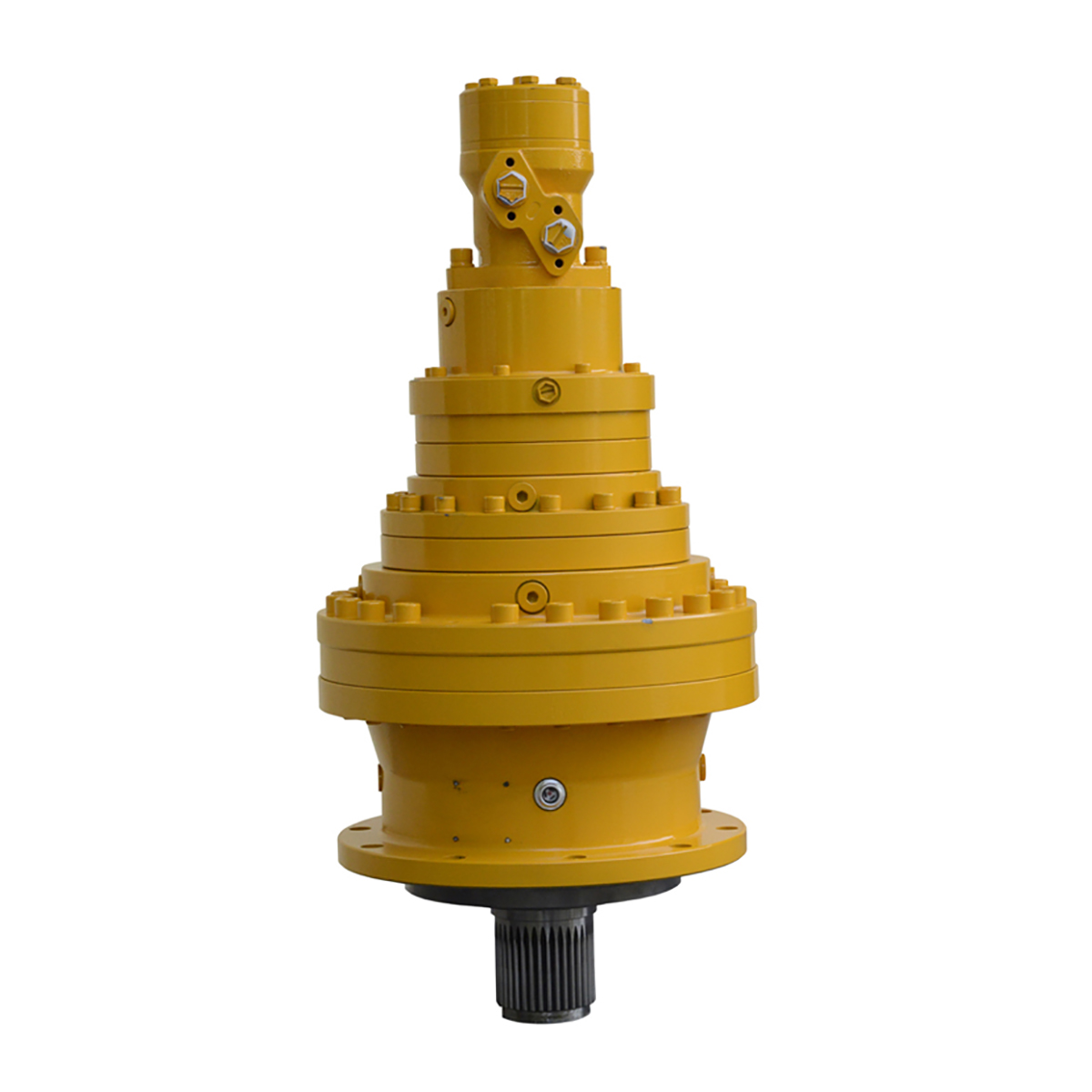
Most planetary gearbox assemblies require basic mechanical tools such as torque wrenches, Allen keys, sockets, open‑end wrenches, soft mallets, bearing presses, feeler gauges, and calipers sized for the unit. For more precise or high‑speed planetary gearbox applications, alignment tools like dial indicators or laser systems are recommended to minimize vibration and bearing loads.[7][5][6]
Correct alignment is indicated when the motor shaft engages smoothly with the planetary gearbox input without binding and when the mounting faces sit fully flush. After tightening bolts to the specified torque, the combined assembly should rotate freely and show low vibration and noise during the no‑load test run of the planetary gearbox.[11][5][6]
The correct lubricant type and viscosity for a planetary gearbox are defined by the manufacturer according to load, speed, temperature, and mounting position. Typically, high‑quality synthetic gear oil or specialized EP (extreme pressure) grease is used, ensuring film strength and oxidation stability suitable for the planetary gearbox duty cycle.[2][5]
Inspection intervals depend on working hours, load level, and environment, but many industrial planetary gearbox units are checked during routine preventive maintenance. At each inspection, technicians review lubricant condition, seal integrity, noise level, backlash, and temperature to decide whether the planetary gearbox requires oil change, adjustment, or part replacement.[3][2]
Typical signs of incorrect planetary gearbox assembly include abnormal rattling or whining noise, excessive vibration, uneven temperature rise, and visible oil leaks at seals or joints. Rapid wear of gears or bearings, unusual backlash, and discoloration of lubricant also suggest misalignment, improper preload, or contamination inside the planetary gearbox that should be corrected immediately.[5][6]
[1](https://teknic.com/what-is-a-planetary-gearbox/)
[2](https://assunmotor.com/blog/planetary-gearbox/)
[3](https://wuling.id/en/blog/autotips/planetary-gear-functions-components-and-maintenance)
[4](https://docs.revrobotics.com/rev-crossover-products/ultraplanetary/assembly-instructions)
[5](https://www.michiganmech.com/blog/essential-tips-for-installing-planetary-gearboxes/)
[6](https://gearkoreducer.com/planetary-gearbox-installation-procedures-and-precautions/)
[7](https://cdn.automationdirect.com/static/manuals/lselectric/l7cgearbox.pdf)
[8](https://download.sew-eurodrive.com/download/pdf/25796739.pdf)
[9](https://www.scribd.com/doc/305619434/Gpl022-Assembly-Instructions)
[10](https://www.rohloff.de/en/experience/technology-in-detail/planetary-gear-system)
[11](https://anaheimautomation.com/blog/post/gbps-high-precision-planetary-gearbox-installation-guide)


