
Views: 222 Author: Amanda Publish Time: 2026-01-02 Origin: Site


Content Menu
● Understanding Rubber Track Undercarriage
● Rubber Track Construction and Selection
● Step 1: Define Requirements and Machine Envelope
● Step 2: Choose Undercarriage Configuration
● Step 3: Design the Track Frame
● Step 4: Select and Position Sprockets
● Step 5: Design Idlers and Tensioning System
● Step 6: Specify Rollers and Support Components
● Step 7: Integrate Hydraulic or Electric Final Drives
● Step 8: Rubber Track Installation and Alignment
● Step 9: Testing, Verification, and Optimization
● Maintenance Practices for Long Service Life
● Application-Specific Design Choices
● Ergonomics, Safety, and Noise
● Design Tips from Heavy Equipment Practice
● FAQ
>> 1. What are the main parts of an excavator undercarriage?
>> 2. How do rubber tracks compare to steel tracks on excavator undercarriage systems?
>> 3. How tight should rubber tracks be on an excavator undercarriage?
>> 4. How long do rubber tracks last on an excavator undercarriage?
>> 5. What causes premature wear in excavator undercarriage components?
Designing and building a rubber track undercarriage is a systems-engineering task that combines frame design, track selection, excavator undercarriage geometry, and careful integration of hydraulic or electric drive. It requires aligning rollers, idlers, sprockets, and rubber tracks so they share loads correctly and keep the machine stable on varied terrain.

A rubber track undercarriage is the load-bearing and propulsion system beneath tracked machines such as compact track loaders, agricultural carriers, drilling rigs, and excavators. In an excavator undercarriage, tracks, rollers, idlers, sprockets, and tensioners work together to carry weight, provide traction, and keep alignment under dynamic digging and slewing loads.
Key functions of a rubber track excavator undercarriage include:
- Supporting static and dynamic machine loads over soft or uneven ground with low ground pressure.
- Transmitting torque from travel motors and final drives into the rubber tracks with minimal slip, noise, and vibration.
A robust rubber track excavator undercarriage uses a set of interdependent components mounted on a welded track frame. The geometry of these parts—especially sprockets, idlers, and rollers—defines track wrap angle, contact length, stability, and ride comfort.
Typical components in an excavator undercarriage are:
- Track frame with rock guards, cross-members, and mounting bosses.
- Rubber track with embedded steel bars and continuous steel cables.
- Drive sprocket, track rollers, carrier rollers, front idler, and track tensioning system.
- Travel motors, planetary final drives, and protection covers for hydraulic connections.
Correct layout ensures that load paths run smoothly from the ground, through the rubber track and undercarriage components, into the upper structure without creating stress concentrations.
Modern rubber tracks for excavator undercarriage systems combine natural and synthetic rubber with steel inserts and cables. The rubber compound must balance flexibility, cut resistance, heat resistance, and grip on various surfaces.
Main construction layers in a rubber track include:
- Outer tread layer with directional or block pattern lugs that provide traction and protect internal structures.
- Steel cord reinforcement that carries tensile loads and controls elongation along the track length.
- Embedded metal bars or lugs that engage with the drive sprocket and support rollers.
When selecting a rubber track for your excavator undercarriage:
- Match width and pitch to the sprocket and roller layout recommended for your machine size and application.
- Choose tread pattern (block, bar, C-lug, multi-bar, or zigzag) based on ground conditions and traction requirements.
- Verify load rating and carcass design for the gross vehicle weight, including payload and attachments.
- Consider anti-chunking and cut-resistant compounds if the excavator undercarriage will run on rock, demolition debris, or sharp edges.
Before any fabrication, define the operating profile and constraints of the excavator undercarriage. A clear requirements set will guide frame sizing, track length, and drive selection.
Important requirement points include:
- Target machine weight, load distribution, and expected attachments such as buckets, breakers, or augers.
- Ground conditions (rocky, soft soil, clay, turf, snow, or swamp) and duty cycle (trenching, grading, demolition, lifting).
- Desired travel speed, gradeability, and turning radius for the completed excavator undercarriage.
- Environmental constraints such as noise limits, surface protection requirements, and corrosion exposure.
Once these requirements are understood, define the allowable track gauge, overall width, and maximum transport height to ensure the new rubber track undercarriage fits transport regulations and jobsite limitations.
After setting requirements, decide on the basic configuration for the excavator undercarriage. Frame length, roller count, and track contact area control stability, flotation, and ride quality.
Typical configuration choices include:
- Long-track versus compact layouts to balance transport length and ground contact.
- Number and spacing of bottom rollers to spread load evenly along the rubber track footprint.
- Inclusion of 1–2 carrier rollers on top to support the upper run of the track and prevent sagging.
- Fixed-gauge or variable-gauge designs, depending on whether the excavator undercarriage must adjust width for stability or narrow transport.
Compact excavator undercarriage systems often use fewer rollers and shorter frames to improve maneuverability in confined spaces, while larger machines use longer frames and more rollers for smoother ride and better weight distribution.
The track frame is the structural backbone of the rubber track excavator undercarriage. It must resist bending and torsion while providing accurate mounting for rollers, idlers, final drives, and guarding.
In designing the track frame:
- Use high-strength structural steel sections with adequate gussets around roller brackets and final drive mounts.
- Integrate rock guards and side guides that keep the excavator undercarriage tracks running true without pinching or cutting the rubber.
- Provide drain holes and open profiles where possible to prevent mud and water accumulation that can accelerate corrosion.
- Design standardized bolt patterns and access windows so that hydraulic motors, hoses, and sensors can be serviced without major disassembly.
For heavy-duty excavator undercarriage applications, consider using box-section side members, cross-bracing, and reinforced pivot points where the frame connects to the upper structure or swivel. Frame stiffness helps maintain precise alignment between idlers, rollers, and sprockets.
The drive sprocket is the primary interface between the final drive and the rubber track in an excavator undercarriage. Good sprocket design reduces wear, noise, and risk of de-tracking.
Sprocket design and placement considerations:
- Match tooth profile and pitch precisely to the track's steel embeds or lugs, avoiding sharp edges that can cut the rubber.
- Use heat-treated steel or replaceable segments where the excavator undercarriage works in abrasive environments.
- Position the sprocket to set an appropriate wrap angle and avoid excessive bending of the rubber track around tight radii.
- Align sprocket centerlines with the machine's weight distribution so torque is fed into the track where support from rollers is strongest.
For high-torque excavator undercarriage designs, consider multi-flange sprockets with generous root fillets to reduce stress and support the rubber track more evenly.
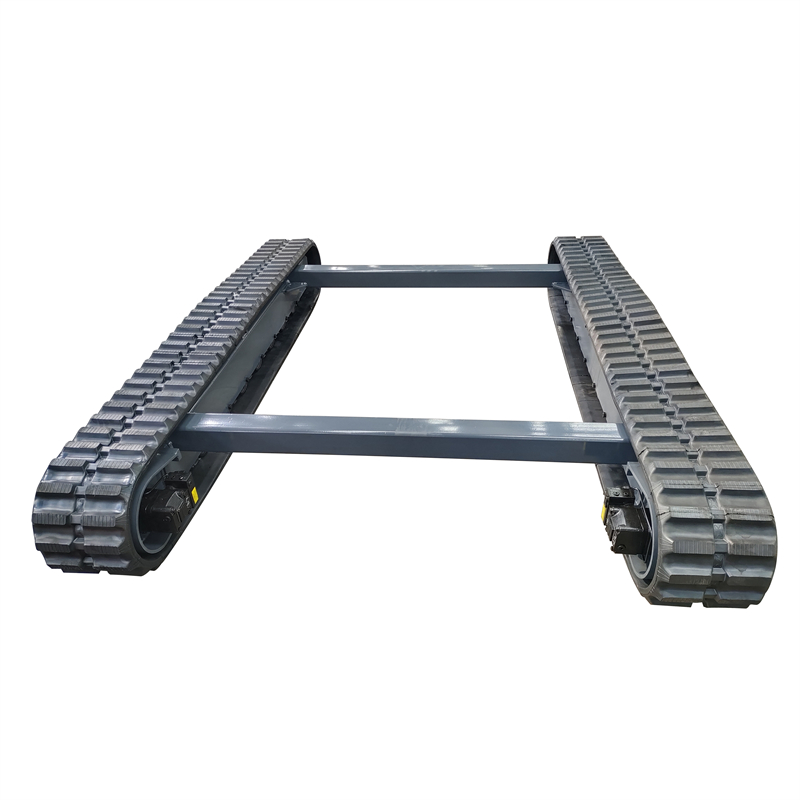
Idlers guide the rubber track and maintain correct tension across the excavator undercarriage. A reliable tensioning system reduces shock loads, noise, and risk of track loss.
For idlers and tensioning:
- Use large-diameter idlers where possible to reduce bending strain in the rubber as it wraps around the ends.
- Specify spring- or grease-adjusted tensioners sized for the machine's operating loads and travel speed.
- Protect exposed sliding surfaces and rods with guards and wipers that keep abrasive contaminants away from seals.
- Incorporate clear mechanical indicators so technicians can verify correct excavator undercarriage track tension at a glance.
Proper tensioning allows the rubber track to flex and shed debris while remaining tight enough to keep lugs firmly engaged with the sprocket and idlers during heavy digging or turning.
Rollers transmit machine weight into the ground through the excavator undercarriage tracks. Their flange profiles must work with the steel-embedded rubber to maintain alignment without cutting into the rubber carcass.
Roller system design should include:
- Bottom rollers designed with proper crown or profile to spread contact pressure across the track surface.
- Carrier rollers for upper track support, reducing whipping at higher travel speeds and improving operator comfort.
- Sealed and lubricated designs that resist mud, dust, and water for long service intervals.
- Precision-machined brackets and shims that keep roller axes parallel and square to the track frame.
Appropriate spacing between rollers is critical: too wide and the rubber track may “bridge” and bounce over obstacles; too close and cost and weight increase without proportional benefit.
The travel drive converts hydraulic or electric power into torque at the sprocket of the excavator undercarriage. Matching displacement, reduction ratio, and mounting interface to the rubber track and frame is essential.
Drive integration tasks:
- Select a planetary final drive with suitable torque, speed, and service factor for the excavator undercarriage duty cycle.
- Ensure that motor case drain routing and pressure ratings meet the hydraulic system's requirements.
- Design robust mounting plates that align the final drive with the sprocket and resist impact loads from track shock.
- Provide guard rings or covers to shield hoses, cables, and fittings from rocks and debris thrown by the rubber track.
In electric or hybrid excavator undercarriage systems, wheel-hub style motors and inverters must be thermally managed to keep efficiency and reliability high under continuous slow-speed operation.
After fabrication, mount and tension the rubber tracks on the excavator undercarriage. Proper installation reduces early failures and improves ride quality.
Typical installation steps for rubber track systems include:
- Elevate the machine safely, relieve tension via the grease fitting or tensioning system, and remove the old track or dummy chain.
- Position the new rubber track over the sprocket and idler, guiding the lower run over the rollers gradually.
- Re-tension using the grease system or mechanical adjuster, following the manufacturer's sag specification.
- Rotate the track slowly in both directions, checking that lugs seat correctly into the sprocket and that the track runs centered on rollers and idlers.
During installation, make sure that the excavator undercarriage frame is clean and free from old compacted debris, which can push the rubber track out of line or damage its inner surfaces.
Newly built rubber track excavator undercarriage systems must be validated under real loads. Testing should expose the system to worst-case gradients, obstacles, and turning maneuvers.
During testing:
- Monitor track alignment, heat build-up, vibration, and noise across different surfaces and travel speeds.
- Check that the excavator undercarriage maintains traction when turning uphill, downhill, and on cross slopes.
- Inspect after initial hours for abnormal wear on idlers, rollers, sprockets, and rubber track tread blocks.
- Adjust tension, roller shimming, or frame alignment if uneven wear patterns appear.
Instrumented testing with temperature sensors or strain gauges can give deeper insight into how loads travel through the rubber track and structure, guiding future design improvements.
Even the best-engineered rubber track excavator undercarriage will fail early without proactive maintenance. Daily checks and periodic service extend track life and protect more expensive components.
Key maintenance practices include:
- Cleaning the excavator undercarriage to remove packed mud, rocks, and debris that can de-track or cut rubber tracks.
- Checking track tension regularly and adjusting to maintain recommended sag, especially when conditions change from soft soil to abrasive rock.
- Inspecting rollers, idlers, and sprockets for oil leaks, loose fasteners, or hooked teeth that can damage the rubber track.
- Watching for cuts, exposed cords, or broken lugs on the track surface and planning replacement before catastrophic failure.
Well-planned maintenance schedules that include both daily walk-around inspections and periodic detailed checks can dramatically cut overall excavator undercarriage ownership costs.
Different jobs demand different rubber track and excavator undercarriage configurations. Matching tread patterns, carcass design, and layout to terrain improves traction and reduces operating costs.
Typical application guidelines:
- General construction: Use medium-width rubber tracks with block or multi-bar patterns for balanced flotation and traction on mixed surfaces.
- Landscaping and turf: Select wider tracks with low-impact tread to protect grass and soft ground while keeping the excavator undercarriage stable.
- Demolition and recycling: Favor reinforced tracks with cut-resistant compounds and heavy-duty rollers and rock guards.
- Agriculture and soft ground: Use wide rubber tracks with aggressive lugs and long contact length to minimize sinkage and improve pulling performance.
By tailoring the rubber track and excavator undercarriage to real-world conditions instead of adopting a one-size-fits-all design, builders can significantly improve machine productivity and operator confidence.
Beyond structural performance, a well-designed rubber track excavator undercarriage supports safe and comfortable operation. Noise, vibration, and predictable behavior all matter to operators and surrounding workers.
Important non-structural considerations:
- Rubber tracks naturally reduce noise and vibration compared with steel tracks, making them suitable for urban and residential projects.
- Smooth rolling of the excavator undercarriage over obstacles helps reduce operator fatigue and improve control during delicate tasks.
- Guarding should prevent accidental contact with moving tracks while still allowing quick inspection and cleaning.
- Access steps, handholds, and clear walkways around the undercarriage simplify safe entry and exit from the machine.
Integrating these aspects at the design stage results in an undercarriage that not only lasts but also supports safer, more efficient daily use.
Experience from OEM and aftermarket suppliers offers concrete lessons for any rubber track excavator undercarriage project. Applying these insights early helps avoid costly redesigns.
Useful design tips include:
- Treat the excavator undercarriage as a unified system, not isolated parts, validating load paths from track lugs to frame and into the upper structure.
- Provide access for inspection and service, including removable guards around rollers, idlers, and final drives.
- Keep tolerances tight on mounting surfaces so that roller and idler misalignment does not introduce side loading into the rubber track.
- Standardize wear components where possible so that stocking parts for multiple models becomes easier and more economical.
Thoughtful design and continuous feedback from field experience are the fastest ways to refine a rubber track excavator undercarriage into a durable, high-performance system.
Building a reliable rubber track undercarriage, especially for excavator undercarriage applications, means combining accurate component selection, robust frame design, and disciplined installation and testing. By focusing on track construction, sprocket and roller geometry, tension control, media-friendly demonstration, and maintainability, manufacturers can deliver undercarriage systems that run smoothly, protect jobsite surfaces, and reduce lifecycle costs for customers around the world.
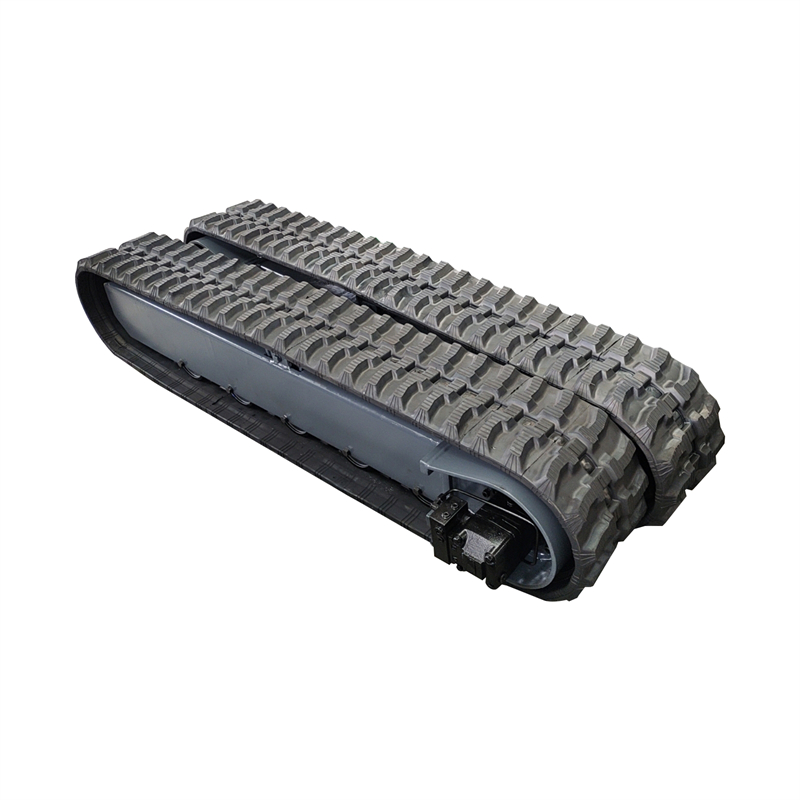
The main parts of an excavator undercarriage are tracks, track rollers, carrier rollers, idlers, drive sprockets, tensioners, and the track frame. These components work together to support machine weight, provide traction, and maintain alignment across challenging terrain.
Rubber tracks are lighter and gentler on pavement, turf, and urban surfaces than steel tracks in an excavator undercarriage. Steel tracks offer greater durability and wear resistance on sharp rock or high-impact sites but can increase noise, vibration, and surface damage compared with rubber.
Rubber track tension on an excavator undercarriage should follow the manufacturer's sag specification, typically a modest measured droop between rollers. Over-tight tracks accelerate wear and overload idlers and rollers, while loose tracks can de-track or damage lugs, cords, and sprockets.
Rubber track life on an excavator undercarriage varies with terrain, operator habits, and maintenance, but commonly ranges from several hundred to more than a thousand operating hours. Regular cleaning, correct tension, and avoiding high-speed turns on abrasive surfaces significantly extend service life and reduce unscheduled downtime.
Premature wear in excavator undercarriage systems often stems from misaligned sprockets, incorrect tension, contaminated rollers, or operation on highly abrasive ground without sufficient maintenance. Lack of daily inspection and cleaning allows packed material to cut rubber tracks and overload rollers, idlers, and drive components, leading to faster and more expensive failures.


