
Views: 222 Author: Amanda Publish Time: 2026-01-01 Origin: Site


Content Menu
● Why Rubber Tracks Matter for Performance and Longevity
● Rubber Tracks vs Steel Tracks
● Key Factors When Choosing Rubber Tracks
● Machine Compatibility and OEM Fit
● Tread Pattern Selection for Different Surfaces
● Rubber Compound Quality and Heat Resistance
● Track Structure, Steel Cords, and Vibration Control
● Matching Rubber Tracks to Job Site Conditions
● Hard Surfaces: Concrete and Asphalt
● Rocky, Demolition, or Forestry Terrain
● Mixed Terrain and All-Purpose Use
● Common Sizing and Fitment Mistakes to Avoid
● Practical Selection Checklist (Step-by-Step)
● Example Application Scenarios
● Tread pattern comparison table:
● Maintaining Rubber Tracks for Maximum Service Life
● Maintaining Correct Track Tension
● Keeping Tracks Clean and Debris-Free
● Inspecting for Damage and Planning Replacement
● Rotating Usage Across a Fleet
● Where to Buy Quality Rubber Tracks
● Clear Action Call for Contractors, Fleet Managers, and Operators
● FAQs: Rubber Tracks for Mini Excavators and Skid Steers
>> 1. How often should rubber tracks be replaced?
>> 2. Can the wrong tread pattern damage my job site?
>> 3. Do sprockets need to be replaced when installing new rubber tracks?
>> 4. Are non-marking rubber tracks less durable than standard tracks?
>> 5. How important is track tension on skid steers and mini excavators?
Choosing the right rubber tracks for mini excavators and skid steers has a direct impact on safety, productivity, operating cost, and machine lifespan, so the decision should be treated as a strategic investment rather than a routine replacement. This guide explains how to select, maintain, and optimise rubber tracks by aligning machine specifications, job site conditions, and maintenance practices with current best practice in the construction and earthmoving industry.
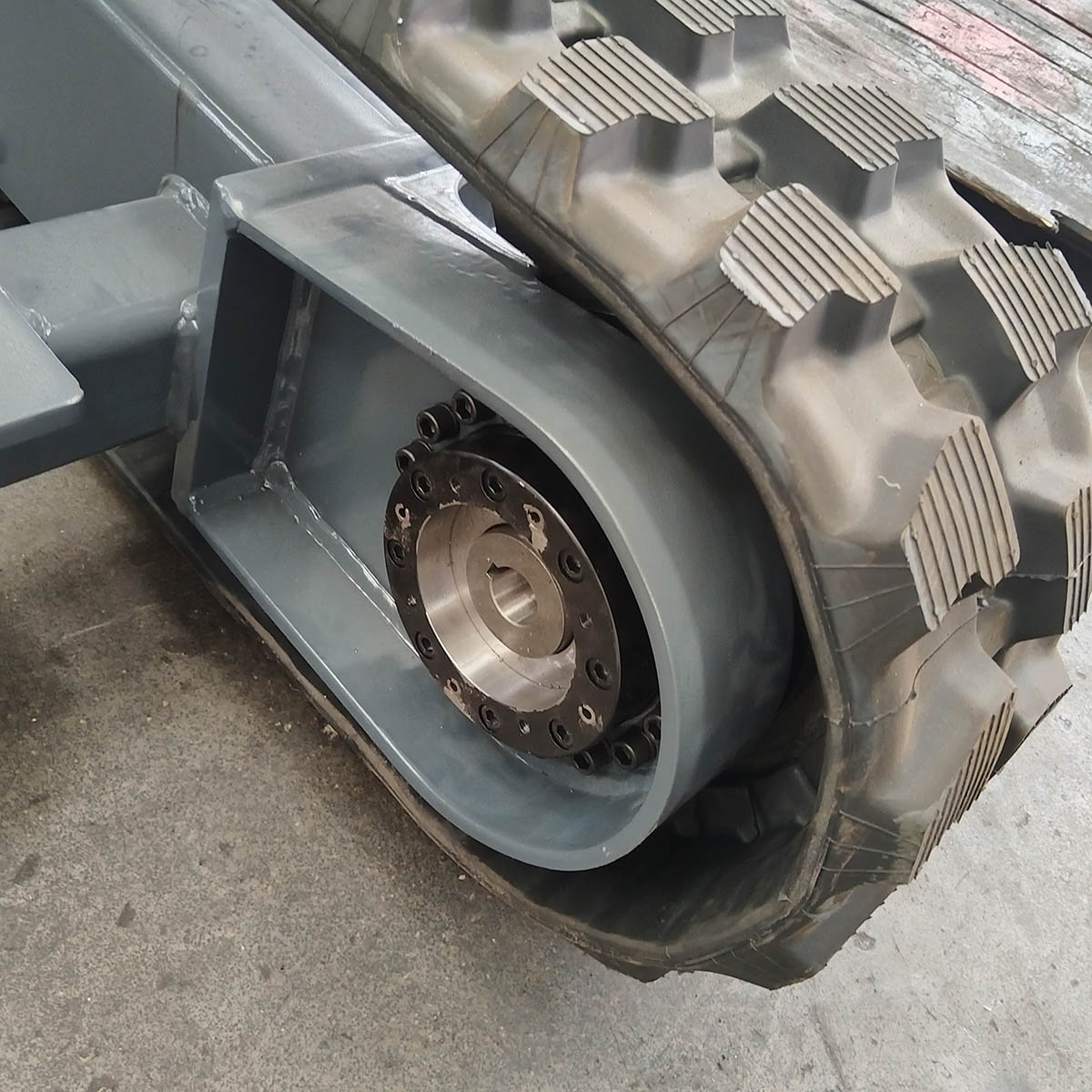
Rubber tracks are one of the most critical undercarriage components affecting traction, stability, ground pressure, and operator comfort on compact equipment. Compared with steel tracks, quality rubber tracks offer lower ground disturbance, quieter operation, and better versatility across mixed and sensitive surfaces such as turf or asphalt.
Key ways rubber tracks for mini excavators and skid steers influence performance include the following. They improve productivity by reducing slippage on soft or uneven terrain, enhance cost-efficiency by limiting premature undercarriage wear, and support safety and comfort through reduced vibration and better control in tight or complex work areas.
Understanding the difference between rubber and steel tracks clarifies when each option provides the best value. Rubber tracks are preferred on sensitive or finished surfaces where low ground disturbance, reduced noise, and versatile operation are important, while steel tracks are common in extremely abrasive environments where surface damage is not a concern.
Rubber tracks typically provide a smoother ride and lower vibration, which benefits both operators and surrounding infrastructure, particularly in urban or residential zones. Steel tracks, by contrast, are suited to some quarry, demolition, and forestry applications where maximum penetration and durability take priority over surface protection.
Selecting suitable tracks requires more than simply matching the basic size. Important factors include compatibility with the machine's undercarriage design, tread pattern and its interaction with the ground, rubber compound quality, and the internal structure that carries load and resists fatigue over time.
Correctly balancing these factors helps extend track life, protect sprockets and idlers, and ensure the machine delivers consistent performance in its primary operating environment. This approach also supports predictable operating costs and fewer unscheduled stoppages.
Confirming compatibility with the specific make and model is the first essential step before investing in new rubber tracks. Mini excavators and skid steers vary significantly in operating weight, track frame dimensions, and load distribution, so incorrect width, pitch, or link count can quickly cause misalignment and accelerated wear.
Best practice is to verify track width, pitch, and number of links against the equipment manufacturer's recommendations and ensure the tracks are engineered to suit leading OEM platforms that use globally recognised undercarriage standards. Referring to the equipment manual or consulting a specialist reduces the risk of de-tracking, uneven wear, and damage to sprockets, idlers, and rollers.
The tread pattern has a direct influence on traction, flotation, manoeuvrability, and surface protection. Different patterns perform better on specific surfaces, so matching tread type to typical job conditions is crucial for efficient operation.
Common rubber track tread patterns include straight-bar, multi-bar or block, and zig-zag or hybrid designs. Straight-bar treads suit soft or muddy terrain where forward traction and self-cleaning are priorities, multi-bar or block treads perform well on paved or mixed surfaces where a smoother ride is beneficial, and zig-zag or hybrid treads provide versatile grip across varied ground types, making them popular for all-purpose applications.
Rubber compound quality strongly affects resistance to cutting, chunking, abrasion, and heat build-up during demanding work cycles. Higher-grade compounds are engineered to deliver longer service life, particularly in hot climates or abrasive operating environments where lower-quality rubber may degrade quickly.
When evaluating compound quality, it is important to consider the typical job sites and operating hours. Materials should be selected for cut and abrasion resistance on rocky or demolition sites, and for heat resistance in dry, dusty conditions or extended shifts, because improved durability at the compound level usually translates into a lower cost per hour over the life of the track.
The internal structure of a rubber track determines how effectively it manages load, resists stretch, and absorbs shock. Continuous steel cords provide essential tensile strength, robust bonding between layers prevents delamination, and anti-vibration features help protect both the operator and the rest of the undercarriage system.
Choosing tracks with high-quality internal reinforcement contributes to longer service life and more consistent performance under heavy loads. It also supports smoother operation, which reduces stress on final drives and other drivetrain components during frequent turns, starts, and stops.
Aligning rubber track design with job site conditions is one of the most effective ways to maximise productivity and extend component life. Different terrains demand different combinations of tread type, width, and compound, and adjusting these inputs to the actual environment helps prevent premature failures.
Soft, hard, rocky, and mixed surfaces each present unique challenges for traction, stability, and wear patterns, so treating track selection as an application-specific decision rather than a one-size-fits-all purchase is a key part of a sound maintenance and procurement strategy.
On muddy, sandy, or loose soil, maintaining traction and flotation is critical. Tracks with straight-bar or aggressive zig-zag patterns offer strong forward grip and good self-cleaning, helping machines avoid slippage and maintain productive cycle times.
Wider tracks are often preferred in these conditions because they spread the machine's weight over a larger surface area, reducing the risk of sinking or bogging. Regular tension checks are particularly important on soft ground, where material build-up and frequent direction changes can increase the likelihood of de-tracking if tension is not properly maintained.
In urban and industrial environments dominated by concrete and asphalt, track specification should prioritise minimal vibration and surface protection. Low tread depth combined with abrasion-resistant compounds can reduce noise, improve operator comfort, and prevent damage to finished surfaces such as car parks, driveways, and warehouse floors.
Non-marking rubber tracks are sometimes preferred on light-coloured or decorative surfaces because they minimise visible residue and scuffing. This type of configuration is particularly useful for contractors who frequently work in commercial settings or around completed structures where appearance and cleanliness are important.
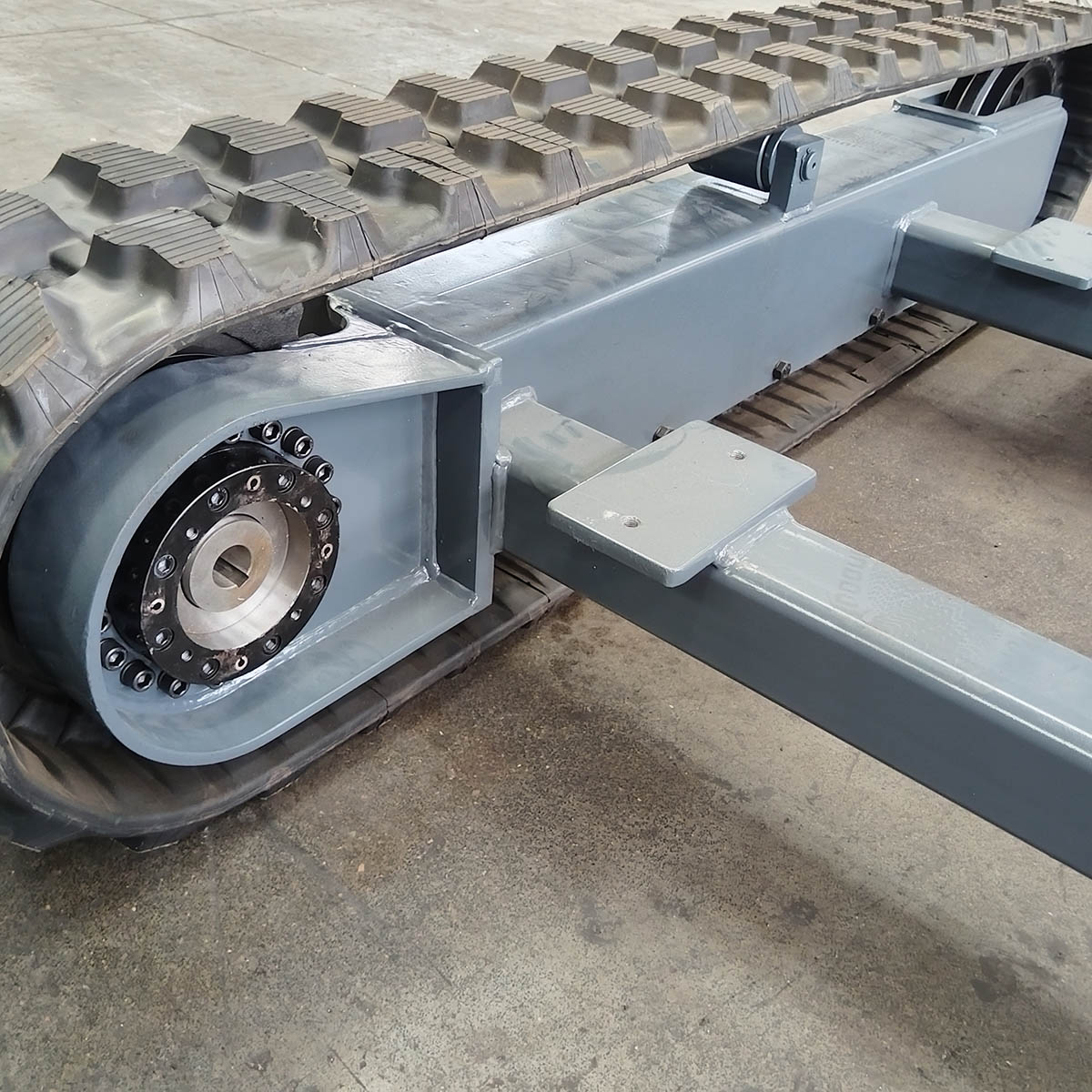
Harsh environments such as demolition sites, rocky ground, or forestry locations place high impact loads and sharp edges directly against the tracks. Heavy-duty rubber tracks with reinforced steel cords, deeper tread patterns, and robust sidewall construction are recommended in these situations to resist cuts and tearing.
Regular inspections become especially important in these conditions, because worn sprockets, idlers, or misaligned components can quickly damage even premium tracks. Proactive replacement of compromised undercarriage parts helps protect the new tracks and supports reliable performance on uneven, unpredictable ground.
Many operators handle a wide variety of jobs and move between different surface types on a daily basis. In these cases, a balanced, all-purpose track specification with a hybrid or multi-bar tread pattern is often the most practical choice, offering acceptable performance across both soft and hard ground.
Medium-width tracks usually provide a good compromise between stability, fuel efficiency, and manoeuvrability in mixed terrain. Selection should be guided by the surfaces encountered most frequently, ensuring that the primary use case drives the specification while still maintaining reasonable versatility for occasional alternative conditions.
Even high-quality rubber tracks can perform poorly if they are sized or fitted incorrectly. One common mistake is selecting tracks with a pitch or number of links that does not align with the sprocket profile, which can cause skipping, noise, and accelerated tooth wear.
Another frequent issue is installing new tracks on heavily worn sprockets, idlers, or rollers. This mismatch can lead to uneven contact, de-tracking, and shorter track life, so it is good practice to assess the entire undercarriage and replace severely worn components at the same time as new track installation.
The following checklist summarises key steps to follow before ordering new rubber tracks for mini excavators or skid steers. Using a structured process helps ensure that the chosen tracks are compatible with the machine and well suited to the intended application.
1. Confirm machine details, including model, serial number, operating weight, and current track dimensions.
2. Define typical job site conditions, noting the proportion of work on soft ground, rock, concrete, or mixed terrain.
3. Choose a tread pattern that best matches the dominant surface: straight-bar for soft ground, multi-bar or block for paved and mixed sites, or zig-zag or hybrid for all-purpose use.
4. Select appropriate track width and rubber compound, favouring wider tracks in soft or wet conditions and premium, heat-resistant compounds for hot or abrasive environments.
5. Check internal construction, looking for continuous steel cords, strong bonding, and anti-vibration design features.
6. Inspect undercarriage components and plan to replace any worn sprockets, idlers, or rollers before fitting the new tracks.
Application-based examples can help translate selection principles into real-world decisions. A mini excavator primarily used for residential landscaping, for instance, often benefits from medium-width rubber tracks with a zig-zag or multi-bar tread pattern that protects turf while still offering sufficient traction on soil and driveways.
A skid steer working mostly on demolition and recycling sites is more likely to require heavy-duty tracks with deep, aggressive treads and reinforced cords for impact resistance. Hire fleets that serve a wide range of customers generally achieve good utilisation with versatile hybrid treads supported by a consistent inspection and maintenance program.
Tread type | Best surfaces | Key advantages |
Straight-bar | Soft, muddy, loose ground | Strong traction and effective self-cleaning |
Multi-bar/block | Paved and mixed sites | Smooth ride and reduced vibration |
Zig-zag/hybrid | Mixed and all-purpose applications | Versatile grip and good manoeuvrability |
Maintenance practices strongly influence how long rubber tracks last and how reliably they perform. Even the best track design will wear out quickly if tension, cleaning, and inspection routines are neglected in tough environments.
A disciplined approach that combines regular tension checks, thorough cleaning after debris-heavy work, and systematic inspections ensures that potential problems are identified early. This approach helps reduce unplanned downtime and supports consistent machine productivity across projects.
Track tension plays a critical role in preventing both premature wear and de-tracking. Over-tight tracks can increase friction, strain undercarriage components, and raise fuel consumption, while loose tracks are more likely to derail, especially during sharp turns or on sloping ground.
Operators should follow the manufacturer's recommended tension adjustment procedures and check tension frequently, particularly after working on uneven or muddy sites where material build-up is common. Simple tension checks, performed at regular intervals, often deliver a strong return in terms of track and undercarriage longevity.
Debris such as rocks, mud, and wood can lodge between the track and undercarriage components, causing localised wear, cuts, and misalignment. Cleaning the tracks and undercarriage after jobs involving heavy material build-up helps avoid these issues and supports smoother operation.
Special care should be taken to inspect the inside surfaces of the tracks where small stones can embed and cause bruising or damage over time. Regular cleaning sessions, integrated into end-of-shift routines, reduce the likelihood of unexpected failures during subsequent jobs.
Regular visual inspections are essential to identify developing damage before it becomes a serious failure. Operators should look for cracks, deep cuts, missing or damaged tread lugs, and any exposed or corroded reinforcement that might indicate structural compromise.
Uneven wear patterns can point to misalignment or worn undercarriage components that need attention. Planning track replacement based on inspection findings rather than waiting for a failure helps protect the rest of the undercarriage and keeps equipment available for scheduled work.
Fleet managers can prolong track life and stabilise maintenance costs by sharing demanding work across multiple machines. Rotating equipment between heavier and lighter duties, when practical, prevents any single machine from being overworked in particularly harsh conditions.
Tracking operating hours and job types for each machine makes it easier to schedule inspections and replacements at optimal intervals. This data-driven approach supports more predictable budgeting and reduces the chance of several machines requiring major undercarriage work at the same time.
Sourcing rubber tracks from a specialist supplier offers advantages in both product quality and technical support. A knowledgeable provider can help confirm correct sizing, recommend tread and compound options for specific applications, and coordinate undercarriage components so that new tracks work harmoniously with sprockets, idlers, and rollers.
Suppliers that focus on undercarriage and related components also bring practical experience from a wide range of equipment and industries. This experience can be valuable when selecting solutions for challenging environments or mixed-use fleets where performance, reliability, and lifecycle costs all matter.
Making the right decision on rubber tracks is one of the most effective ways to improve fleet reliability and reduce long-term operating costs. Applying the selection principles, application examples, and maintenance practices outlined above will help keep compact equipment productive, safe, and ready for work in demanding conditions.
To move from planning to implementation, review the machines in your fleet, map out the main job site conditions they encounter, and use the step-by-step checklist in this guide to define the ideal track specification for each unit. Then, contact a specialist rubber track supplier with your machine details and application profile to obtain a tailored recommendation and quotation that align with your performance and cost objectives.
Replacement intervals depend on factors such as operating hours, terrain, machine weight, and maintenance practices. Visible cracks, missing tread lugs, exposed reinforcement, and frequent de-tracking are strong indicators that track replacement should be scheduled soon.
Yes, using an aggressive tread pattern on finished or delicate surfaces can cause scuffing, rutting, and visible marks. Selecting a tread pattern aligned with the primary surface type helps minimise site damage and follow-up repair work.
While sprockets do not always require replacement at the same time, significantly worn sprockets can shorten the life of new tracks. Inspecting sprockets and replacing them when they show pronounced wear or hooked teeth helps ensure smooth engagement and protects the new tracks.
Non-marking tracks are designed to reduce visible residue on light or finished surfaces, and their durability depends on the overall quality of the compound and construction. When properly specified for the application, modern non-marking tracks can provide robust performance while still protecting surface appearance.
Correct track tension is crucial for both safety and track life. Over-tight tracks increase load on undercarriage components and can lead to premature wear, while loose tracks are more likely to derail, especially in mud, on slopes, or during aggressive manoeuvres. Regular tension checks help maintain reliable performance.


