
Views: 222 Author: Amanda Publish Time: 2026-01-01 Origin: Site


Content Menu
● What a Final Drive Does and Why Failure Is So Costly
● Five Early Warning Signs of Final Drive Failure
>> Sign 1: Hydraulic Fluid Leaks Around the Final Drive
>> Sign 2: Unusual Grinding, Clicking, or Whining Noises
>> Sign 3: Overheating Final Drive Housing
>> Sign 4: Loss of Power, Reduced Travel Speed, or Uneven Track Movement
>> Sign 5: Metal Shavings or Metallic Sheen in Final Drive Oil
● Final Drive Troubleshooting Checklist
● Preventive Final Drive Maintenance Best Practices
● How Final Drive Issues Affect Tracks, Undercarriage, and Hydraulic Systems
● When to Repair, Rebuild, or Replace a Final Drive
● Expert-Level Best Practices for Contractors and Fleet Managers
● What to Do Immediately When Final Drive Failure Signs Appear
● Protect Your Final Drives and Keep Your Fleet Moving
● FAQs: Final Drive Failure, Troubleshooting, and Maintenance
>> FAQ 1: How often should final drive oil be changed?
>> FAQ 2: Can I keep operating with a small hydraulic leak at the final drive?
>> FAQ 3: Why is only one track slow while the other seems fine?
>> FAQ 4: Are metal shavings in final drive oil always a sign of failure?
>> FAQ 5: Should I repair or replace a badly damaged final drive?
A final drive is the last and most critical link in the powertrain that turns hydraulic power into track movement on excavators, skid steers, and tracked loaders. When a final drive begins to fail, the result is not just poor performance but unplanned downtime, costly repairs, and potential damage to the entire undercarriage and hydraulic system. This comprehensive guide explains the key warning signs of final drive failure, how to troubleshoot them, and the best repair and replacement options to keep machines productive and profitable.

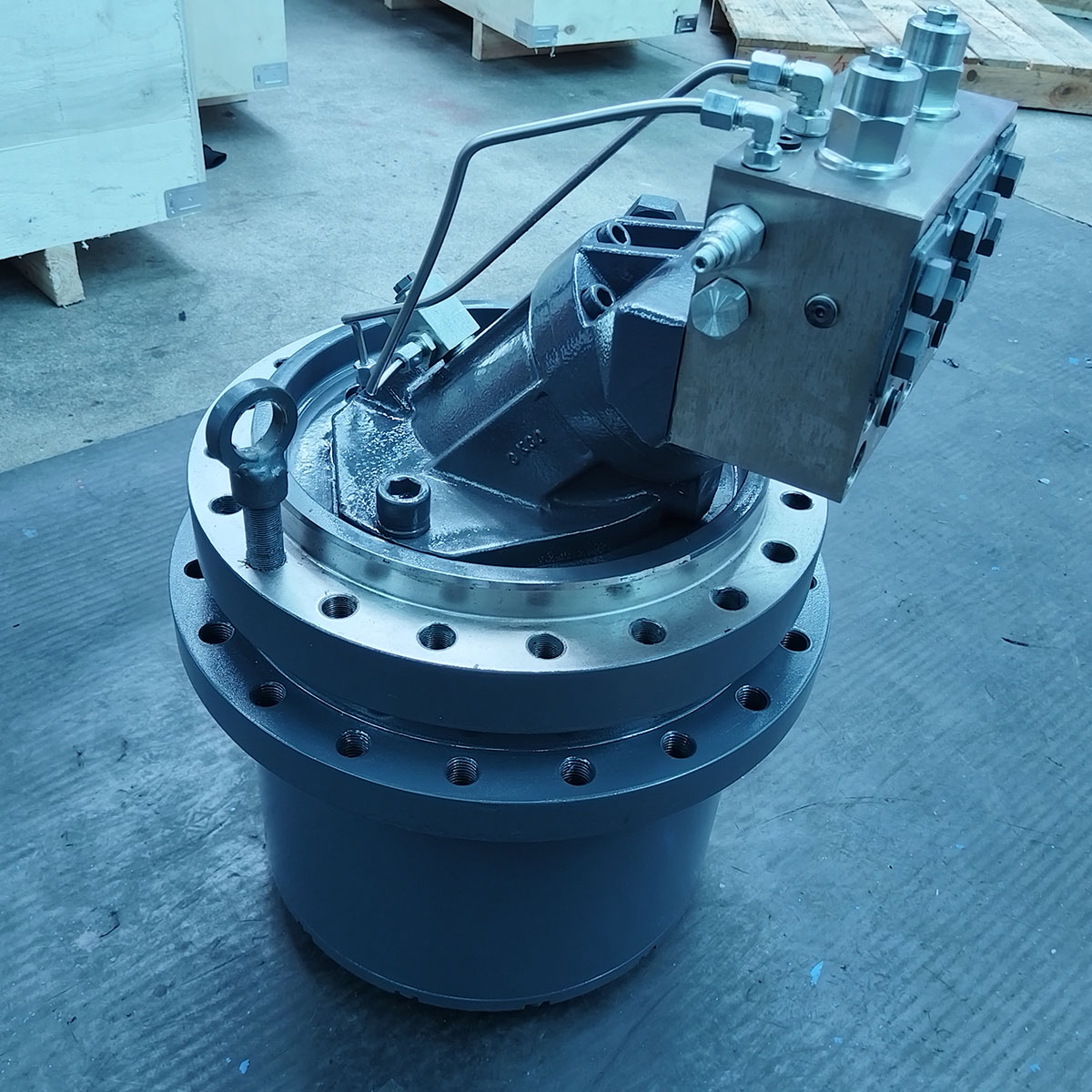
A final drive is a compact assembly that usually combines a hydraulic motor, planetary gear system, and hub to transmit power to the sprocket and tracks. On machines running rubber digger tracks, excavator rubber tracks, or posi-track systems, the final drive directly affects traction, stability, and smooth travel.
Key functions of a healthy final drive include:
- Converting hydraulic pressure into rotational torque at the sprocket.
- Providing smooth, controlled travel speed across variable ground conditions.
- Protecting the rest of the powertrain by absorbing shock and load variations.
When a final drive fails, operators often face complete loss of mobility or severely reduced travel speed, collateral damage to sprockets, track frames, and hydraulic lines, and project delays with higher lifetime ownership costs.
Early detection is the most effective way to avoid catastrophic final drive damage and uncontrolled repair costs. The five warning signs below should trigger immediate inspection and corrective action.
Hydraulic oil leaks are one of the earliest and most visible signs of final drive problems. This oil lubricates internal gears, cools the unit, and helps maintain pressure; losing it quickly leads to overheating and metal-on-metal contact.
Typical causes of hydraulic leaks include:
- Damaged or worn seals that can no longer contain pressure.
- Over-pressurisation inside the final drive housing.
- Cracked or distorted casing from impact or overloading.
Operators who continue to work with an actively leaking final drive risk rapid oil loss, extreme heat, and internal component failure. The safest response is to shut down the machine, clean the area, identify whether the leak originates from seals, fittings, or the housing, and arrange a professional inspection if cracks or internal damage are suspected.
A healthy final drive typically produces only a low hum or light whirring during operation. Grinding, clicking, knocking, or loud whining noises often indicate internal wear or lubrication problems that are already advanced.
Likely internal issues include:
- Worn or pitted bearings.
- Damaged planetary gear teeth.
- Insufficient or contaminated lubrication causing accelerated wear.
These noises may be accompanied by increased vibration, especially noticeable on machines with rubber digger tracks or posi-track systems. Operators should avoid working through the noise, record when it occurs, and schedule an urgent diagnostic inspection focusing on bearings, gears, and lubrication channels.
If the final drive feels excessively hot to the touch or if the machine displays heat-related warnings, overheating is likely. Persistent overheating can destroy seals, warp components, and cause the unit to seize without further notice.
Common causes of overheating include:
- Low hydraulic oil level or contaminated oil.
- Failing bearings creating excessive friction.
- Overloading on steep gradients, heavy mud, or abrasive ground.
- Restricted cooling or blocked return lines.
Operators should stop the machine, allow the final drive to cool completely, check hydraulic oil level and quality, inspect for external obstructions such as packed mud, and request a professional teardown if overheating recurs, as internal damage often requires a rebuild or replacement.
A clear sign of performance loss is when one track becomes noticeably slower than the other or struggles to move under normal load. This is particularly dangerous on compact track loaders and mini excavators that rely on equal track speed for directional control and stability.
Typical root causes include:
- Worn or broken gears within the final drive.
- Internal leaks in the hydraulic motor section.
- Excessive internal wear causing pressure loss and reduced torque output.
Operators may notice the machine veering to one side, stalling or jerking when travelling uphill, or failing to reach normal travel speed even on flat ground. Performance should be compared in multiple conditions, external drag such as seized rollers or track tension should be checked, and if symptoms persist, a detailed inspection and potential rebuild, motor repair, or replacement may be required.
Metal shavings or a metallic shimmer in the oil are late-stage warning signs of major internal wear. Gears, bearings, or shafts may be grinding against each other and releasing metal particles into the oil at a rate the filters cannot safely manage.
Even microscopic metal particles can:
- Damage seals and bearing surfaces.
- Circulate through the system and accelerate wear.
- Lead to sudden failure if not addressed quickly.
When contamination is detected, the oil should be drained into a clean container, the drained oil should be inspected for visible particles or metallic shimmer, and the system should be flushed with filters replaced. If metal continues to appear over subsequent checks, a complete teardown and rebuild or replacement is usually necessary.
A structured checklist helps operators and maintenance teams react consistently whenever a potential issue appears. Regular use of a checklist improves reliability and supports predictable maintenance planning.
Daily or weekly inspection checklist:
1. Visual inspection
- Check for hydraulic oil leaks at the hub and motor area.
- Look for cracks, damaged hoses, or loose fasteners around the housing.
2. Operational check
- Listen for unusual noises during tracking, turning, and climbing.
- Note any vibration, jerking, or delayed response when operating controls.
3. Temperature check
- After moderate use, carefully feel near the housing to detect abnormal heat.
- Compare left and right final drives; a large temperature difference indicates a problem.
4. Oil and contamination check
- Change oil at the recommended intervals and inspect drained oil for metal or sludge.
- Replace filters at the specified hours to maintain clean oil flow.
5. Performance check
- Monitor whether the machine drifts or pulls to one side during travel.
- Record any loss of travel speed or power under typical working loads.
Preventive maintenance is the most cost-effective way to extend final drive life and protect the undercarriage. Proper care also supports better resale value and more consistent availability of key machines.
Core preventive practices include:
- Following OE or manufacturer lubrication intervals and using the correct oil grade.
- Keeping the undercarriage clean by removing mud, clay, and debris that can trap heat around the housing and seals.
- Maintaining proper track tension to avoid excessive load on the final drives or shock loading from loose tracks.
- Inspecting seals and sprockets regularly to catch early wear that can otherwise spread into the final drive.
- Training operators so they can recognize leaks, noises, heat, and performance changes as genuine warning signs.
Final drive problems rarely stay confined to a single component and often cascade into other systems if they are ignored. Understanding how failures propagate helps maintenance teams prioritise repairs.
An unaddressed final drive fault can:
- Destroy internal seals and bearings due to heat, leading to misaligned gears and broken teeth.
- Increase resistance and vibration, which damages the sprocket, track chain, rollers, and frame.
- Introduce contamination and abnormal loads into the hydraulic system, potentially harming pumps and control valves.
Consistent monitoring protects rubber excavator tracks and skid steer tracks from uneven wear, prevents shock damage to frames and rollers, and reduces the risk of hydraulic component failure from contamination or over-pressure.
Choosing whether to repair, rebuild, or replace is a balance between cost, downtime, and remaining machine life. Evaluating the severity of damage is the first step in selecting the correct option.
Repair or rebuild is generally suitable when:
- Damage is limited to bearings or a small number of gears.
- Seals have failed but the housing remains structurally sound.
- Contamination is mild and caught early in the wear process.
Replacement is often more economical and reliable when:
- The housing is cracked, heavily worn, or distorted.
- There is extensive gear, shaft, and bearing damage at the same time.
- Metal contamination is heavy and recurring even after multiple flushes.
Fleet managers should also consider machine age, remaining service life, parts lead time, and the cost of downtime on critical projects before finalising a decision.
Contractors and fleet managers can reduce failures by standardising procedures across machines and worksites. A consistent data-driven maintenance approach helps maximise uptime.
Recommended best practices:
- Standardise inspection routines so every operator follows the same checklist each day.
- Maintain detailed records of oil changes, failures, and rebuilds to identify patterns in specific models or applications.
- Use proven replacement components that match the hydraulic system's pressure and duty cycle requirements.
- Shorten inspection intervals for machines working in extreme environments such as hot climates, abrasive soil, or heavy mud.
Rapid and disciplined response can prevent a minor defect from turning into a complete failure. A clear action sequence makes it easier for operators to know what to do under pressure.
Immediate steps include:
1. Stopping machine operation as soon as a serious leak, strange noise, or overheating is noticed to prevent further damage to sprockets, undercarriage, and hydraulic systems.
2. Performing a structured inspection that looks for fresh leaks, damaged hoses, abnormal noises during controlled testing, and any signs of uneven track speed.
3. Documenting findings with photos, operating hours, and site conditions so service teams can diagnose issues efficiently.
4. Consulting experienced final drive specialists who can recommend seal replacement, partial rebuild, or full replacement as appropriate to restore reliability.
If any of these warning signs are present on excavators, skid steers, or tracked loaders, waiting for a complete breakdown will only increase costs and downtime. The most effective step is to engage a specialist team that understands tracked undercarriages, hydraulic winches, planetary gearboxes, travel drives, winch drives, swing drives, and hydraulic motors under real-world operating conditions. Request a targeted final drive assessment and a customised repair or replacement plan now to stabilise performance, avoid emergency failures, and keep high-value projects on schedule.
Most manufacturers specify change intervals based on operating hours, often with an initial early change followed by regular scheduled changes, and harsher site conditions may require shorter intervals than the standard schedule. Always consult the machine service manual and adjust the service plan based on environment, load, and duty cycle.
Even a small leak can reduce oil volume, increase operating temperature, and accelerate wear, leading to major damage if operation continues. The safest approach is to stop, inspect, and repair the leak as soon as it is detected rather than topping up oil and continuing to run.
A single slow track often indicates a problem with that side's final drive or hydraulic motor, such as internal leakage, gear wear, or bearing failure. Issues with track tension, rollers, or other undercarriage components can contribute, so both the drive and undercarriage should be inspected.
A small amount of very fine residue may be normal during early running, but visible flakes or a pronounced metallic sheen in oil at later services usually signals significant internal wear. Ignoring this symptom can lead to sudden, complete failure and higher repair costs.
If damage is mostly limited to seals or bearings, repair or rebuild may be cost-effective and restore reliable performance. When there is heavy damage to gears, shafts, and housing combined with extensive contamination, full replacement is often the more secure and economical long-term solution.


