
Views: 222 Author: Robert Publish Time: 2026-01-17 Origin: Site


Content Menu
● Electric Winch Speed Characteristics
● Hydraulic Winch Speed Characteristics
● Which Is Faster in Real Use?
● Role of the Planetary Gearbox in Winch Speed
● Visualizing Electric and Hydraulic Winch Systems
● Why Heavy‑Duty Users Prefer Hydraulic Winch Solutions
● Matching Winch Type to Your Application
● Application Examples for Hydraulic Winch Systems
● Considerations for Designing a Hydraulic Winch System
● FAQ About Electric and Hydraulic Winch
>> 1. Is an electric winch always faster than a hydraulic winch?
>> 2. Why do professionals choose hydraulic winch systems for heavy equipment?
>> 3. How does a planetary gearbox influence hydraulic winch speed and torque?
>> 4. What maintenance differences affect winch performance over time?
>> 5. When should a new machine be designed around a hydraulic winch instead of an electric winch?
In pure peak line speed, many electric winches are faster, but for sustained pulling under heavy load, a hydraulic winch often delivers more consistent speed without overheating or power drop. When users compare “electric vs hydraulic winch” for speed, they are really asking which system completes real jobs faster, especially when the winch must work hard, run long, and stay reliable in harsh conditions.
For a manufacturer like Kemer, which focuses on crawler undercarriages, hydraulic winch solutions, planetary gearboxes, travel drives, winch drives, swing drives and hydraulic motors, the answer is clear in demanding applications: a hydraulic winch, correctly matched to machine hydraulics and gearbox ratios, usually delivers higher effective productivity over time. That is why the hydraulic winch remains the preferred solution in many professional, industrial and off‑highway scenarios.
Winch “speed” is usually described as line speed, measured in meters per minute or feet per minute. This is the rate at which the rope or cable winds onto or off the drum. However, real winch speed is not a fixed number because it changes with load, drum diameter, rope layers, gear ratio, and power supply conditions.
Electric winches commonly show very high no‑load line speed in catalogs, which is what many buyers see first. But as the load increases, these winches slow down, and their motors draw more current and generate more heat. A hydraulic winch often has a lower no‑load line speed on paper but keeps that speed more consistent across a broad load range.
Line speed is also influenced by mechanics. As more layers of rope build on the drum, the effective drum diameter increases, so the linear speed of the outer layer can rise even if the drum's rotational speed stays constant. Understanding these relationships is critical when comparing electric winches and hydraulic winch systems for real job performance.
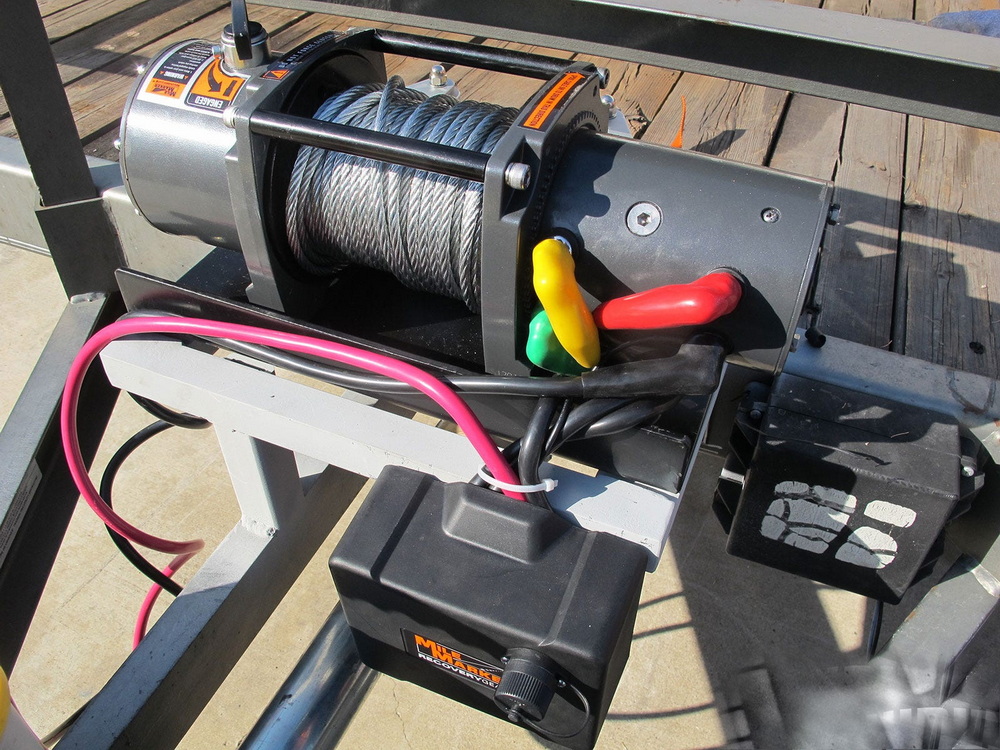
Electric winches use DC or AC motors, driven by batteries, alternators or mains power. Their speed and pulling power depend heavily on voltage, current and thermal limits. On light loads and short pulls, an electric winch can feel very quick because the motor reaches high RPM and delivers impressive no‑load line speed.
As the load increases and the motor approaches its rated torque, current draw rises and voltage at the motor terminals can drop. The result is a reduction in line speed, especially when the cable is near rated capacity. Over time, heat builds up in the motor windings, brushes, contactors and cables. To protect components, most electric winch manufacturers specify a duty cycle, which defines how long you can pull before stopping to let the unit cool down.
Another factor is electrical energy storage. If the winch is powered by a vehicle battery, the battery and alternator must be strong enough to deliver high current without severe voltage sag. Once the battery is depleted, the electric winch slows or even stops, regardless of its theoretical no‑load speed. This is where a hydraulic winch has a clear advantage in many industrial and off‑highway applications.
Despite these limitations, electric winches are very attractive in lighter‑duty jobs. They are easy to install, relatively compact, and often more affordable at the system level when no hydraulic circuit exists. For occasional use, rapid short pulls and moderate loads, many users are satisfied with the apparent speed and simplicity of electric winches.
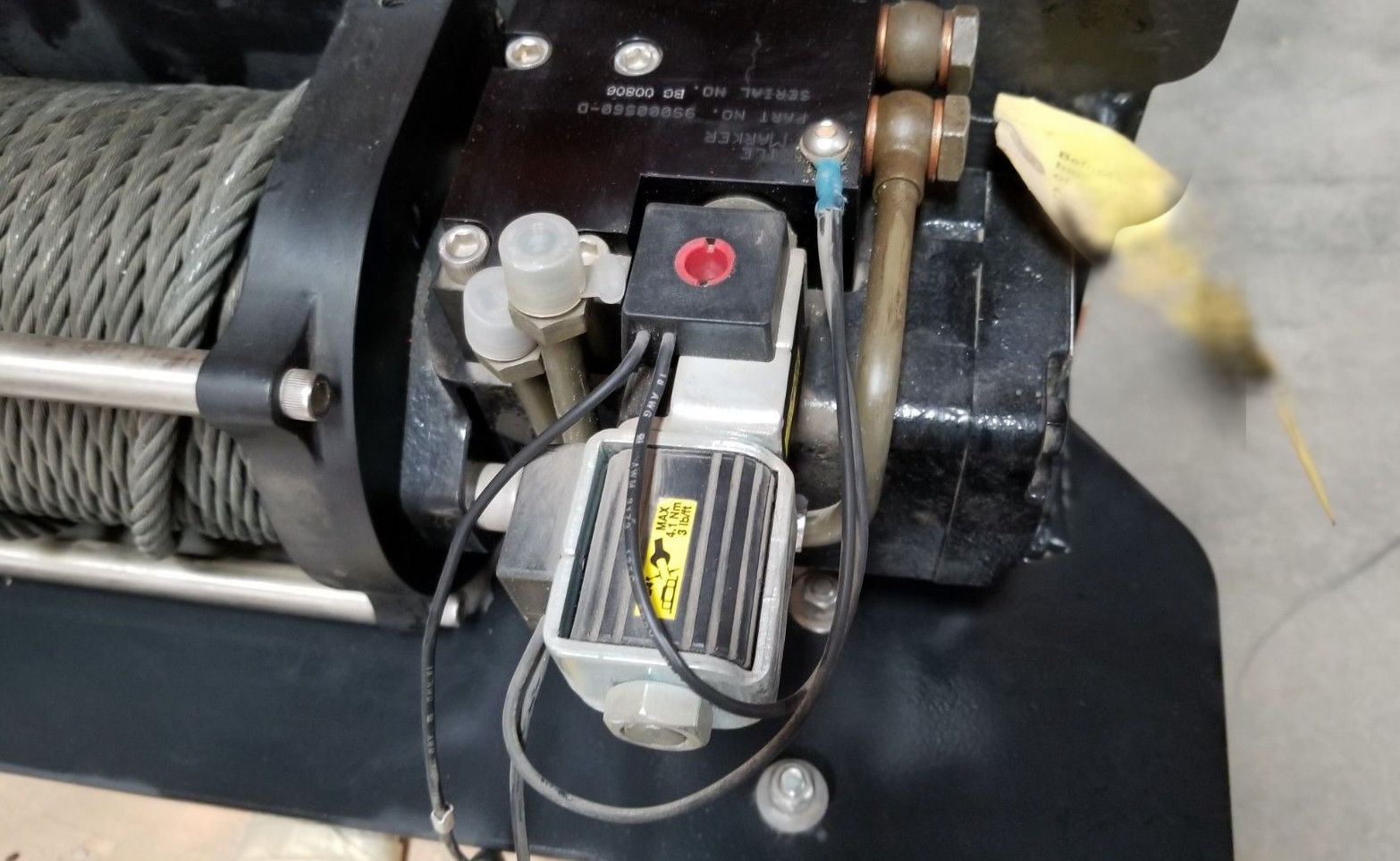
A hydraulic winch uses pressurized oil from a hydraulic pump to drive a hydraulic motor, which connects to the drum through a gearbox, typically a planetary gearbox. This architecture gives the hydraulic winch tremendous flexibility in balancing torque and speed, while also delivering high reliability and a very high duty cycle.
Since hydraulic power is supplied by an engine‑driven pump or central power pack, the hydraulic winch does not depend on batteries and does not suffer from voltage drop in the same way as an electric winch. As long as the engine is running and the hydraulic system is properly designed, the hydraulic winch can deliver consistent pressure and flow. That means more stable line speed under load and the ability to run for long periods without forced rest.
The hydraulic motor itself is built to convert fluid power efficiently and withstand continuous operation. When combined with a planetary gearbox, the hydraulic winch can be tuned to deliver high torque at a controlled line speed or higher line speed for lighter loads, simply by selecting the appropriate gear ratio and hydraulic valve settings. This allows Kemer and similar manufacturers to offer hydraulic winch configurations tailored to each type of crawler undercarriage, swing drive or winch drive.
The hydraulic winch also offers precise modulation. Operators can control speed smoothly through proportional valves, enabling slow and accurate positioning of heavy loads or faster retrieval when lifting lighter weights. This level of control contributes to higher practical productivity, even if a brochure lists a similar or slightly lower no‑load line speed compared to some electric models.
On a clean specification sheet, it is easy to find an electric winch that claims higher no‑load line speed than a comparable hydraulic winch. However, real‑world applications rarely involve pulling at no load. They involve pulling heavy equipment out of mud, moving construction components, handling marine lines or supporting industrial lifting cycles where the winch is working hard and often for extended periods.
In those conditions, the hydraulic winch typically wins the “effective speed” contest because it stays closer to its rated line speed under sustained load. While an electric winch may start fast, it slows down as heat and voltage drop build up and may need regular pauses to cool down. A hydraulic winch, fed by a robust pump and power pack, keeps working at nearly constant speed and can run continuously within the system's design limits.
Over a full working day, this means a hydraulic winch often completes more cycles, moves more load and spends less time stopped than an electric winch. For operators who value overall productivity, this makes the hydraulic winch the faster solution, even if its single‑number line speed rating looks modest.
In professional sectors such as construction, mining, marine, offshore, forestry and large‑scale recovery, users recognize this reality. They choose hydraulic winch solutions for cranes, barges, crawler equipment and special machinery because they care about the total time to complete tasks, not just the instantaneous drum speed at zero load.
Gearbox design is a key factor in determining how a winch behaves under load. Planetary gearboxes are widely used in winch drives, travel drives and swing drives because they offer compact size, high torque capacity, excellent load distribution and multiple gear ratio options.
In a hydraulic winch, the planetary gearbox sits between the hydraulic motor and the drum. By changing the gear ratio, engineers can adjust the balance between torque and speed. A lower ratio (numerically higher reduction) gives more torque and slower line speed; a higher ratio can provide faster line speed with lower torque, as long as the hydraulic motor and pump can supply the necessary flow and pressure.
For Kemer, which specializes in planetary gearboxes as well as hydraulic winch and travel drive solutions, this flexibility is critical. It allows the company to design integrated systems where the crawler undercarriage, swing drive and winch drive share similar gearbox technology and hydraulic components. This modular approach makes it easier to customize a hydraulic winch for different machines while maintaining consistent performance and serviceability.
Because planetary gearboxes are efficient and compact, they also help keep the total package small and robust, which is essential for keeping the hydraulic winch close to the load and within tight machine envelopes. Good gearbox design therefore contributes directly to both speed and durability.
To help customers and end users understand the differences between electric winches and hydraulic winch systems, visual explanations are extremely valuable. In a complete content strategy or product manual, several kinds of technical visuals and demonstrations can be used:
- A schematic of a hydraulic winch system showing the engine, pump, valves, hydraulic motor, planetary gearbox and drum, with arrows indicating oil flow and control pathways.
- A cross‑section view of a planetary gearbox used in a winch drive, highlighting sun gear, planet gears, ring gear and carrier, and explaining how torque passes through the system.
- An application diagram of a crawler undercarriage with travel drive motor and gearbox on the track, and a hydraulic winch mounted on the chassis for auxiliary functions.
- A step‑by‑step demonstration where an electric winch and a hydraulic winch are given the same heavy load and distance; the electric winch starts fast but then slows and pauses, while the hydraulic winch keeps a stable line speed and finishes sooner.
- Technical animations that explain how hydraulic valves can gradually increase or decrease flow, giving the operator smooth speed control on the hydraulic winch for precise load positioning.
These types of visuals help buyers see why a hydraulic winch, combined with advanced transmissions and hydraulic motors, is often the right choice when productivity, control and reliability are more important than spec‑sheet no‑load speed.
Heavy‑duty users judge a winch by its ability to perform reliably day after day, not simply by the fastest empty‑drum speed. In sectors such as offshore, marine, crane rental, mining and large‑scale construction, downtime is expensive and safety is paramount. In these environments, the hydraulic winch is frequently the technology of choice.
A hydraulic winch offers high pulling capacity and a very high duty cycle. It can operate continuously as part of lifting cycles, load positioning operations or long line pulls, as long as the hydraulic system is sized and cooled correctly. This reliability and endurance allow operators to plan work around a predictable performance envelope.
Hydraulic winch systems also tolerate harsh environmental conditions well. Hydraulic components are protected within housings and sealed circuits, and planetary gearboxes are designed to handle shock loads and fluctuating forces. Compared to electrical components, which can be sensitive to moisture, dust and corrosion, hydraulic components are often more robust and easier to protect on heavy machinery.
For OEMs and integrators, using a hydraulic winch also simplifies energy management. A single hydraulic power pack can support multiple functions on the same machine: travel drive, swing drive, auxiliary hydraulic winch and other actuators. This allows tighter control of energy efficiency and helps standardize components across a platform. Kemer's expertise in planetary gearboxes, hydraulic motors and transmissions supports this integrated approach.
Choosing between an electric winch and a hydraulic winch is not just a question of “which is faster,” but rather “which delivers the best overall performance, cost and reliability for my specific job.” To make a good decision, it helps to categorize typical applications.
Electric winches are well suited for:
- Occasional or emergency use where the winch is not part of every working cycle.
- Light to medium loads, short pulling distances and short duty cycles.
- Vehicles or installations where no hydraulic system exists and adding one would be too complex or expensive.
- Users who prioritize initial cost and installation simplicity over continuous heavy performance.
Hydraulic winches are the better choice for:
- Continuous or frequent use where the winch is central to daily operations.
- Heavy loads, long pulling distances and high duty cycles.
- Machines that already have hydraulic systems, such as excavators, cranes, drilling rigs, marine vessels and specialized crawler equipment.
- Environments with extreme conditions where robustness, control and reliability are more important than low initial cost.
From the perspective of Kemer, which supplies crawler undercarriages, hydraulic winch units, planetary gearboxes and complete transmission solutions, the hydraulic winch is usually the core technology in demanding OEM projects. However, there is still a place for electric winches in lighter applications or as auxiliary devices, and Kemer's engineering team can help customers weigh the options for each platform.
To understand the strengths of a hydraulic winch more concretely, it helps to look at typical applications where this technology is preferred:
- Crawler cranes and drilling rigs: A hydraulic winch is used for main hoisting, auxiliary lifting and tool handling, with planetary gearboxes providing high torque and precise speed control on both winch drives and travel drives.
- Marine and offshore equipment: Hydraulic winch solutions handle anchor handling, mooring, towing and deck operations. Continuous duty, corrosion resistance and smooth control are critical in these applications.
- Construction and foundation machines: Pile drivers, foundation cranes and lifting platforms rely on hydraulic winches for steady lifting and lowering of heavy components, often in tight work windows where downtime is costly.
- Forestry and recovery: Logging equipment and heavy recovery trucks use hydraulic winches to pull large loads over long distances, sometimes in extremely difficult terrain. High duty cycle and steady line speed matter more than peak no‑load speed.
- Industrial handling systems: Fixed or mobile systems in factories, yards and ports may use a hydraulic winch as part of integrated material handling lines where mechanical reliability and synchronized control are vital.
In all of these cases, the hydraulic winch works closely with planetary gearboxes, travel drives, swing drives and hydraulic motors to form a unified powertrain. This is the environment where Kemer's specialization provides maximum value for global customers.
When designing or selecting a hydraulic winch system, several key factors influence performance, speed and reliability:
- Power source: Engine power and hydraulic pump capacity must be adequate to supply the required flow and pressure for the hydraulic winch without compromising other functions on the machine.
- Gear ratio: Planetary gearbox selection defines the basic torque and speed behavior of the hydraulic winch. The right ratio depends on load, required line speed, drum size and available hydraulic power.
- Cooling and filtration: Maintaining clean, cool hydraulic oil protects the hydraulic motor, valves and planetary gearbox, and preserves long‑term performance and speed stability.
- Control system: Manual valves, remote controls, proportional valves or electronic control units all influence how precisely operators can manage winch speed and direction.
- Structural integration: The hydraulic winch must be mounted on a robust structure that can handle the full line pull and dynamic loads, with proper alignment and protection of hoses and cables.
Kemer's product portfolio of hydraulic winch units, planetary gearboxes, travel drives, swing drives and hydraulic motors is designed around these considerations. By offering matched components, Kemer helps OEMs reduce engineering time, improve system balance and achieve optimal results in speed, safety and lifetime cost.
In light‑duty or occasional applications, an electric winch can appear faster because of its high no‑load line speed, straightforward installation and low initial cost. For short pulls and moderate loads, this technology often satisfies user expectations and remains a popular choice for recreational off‑road vehicles and auxiliary tasks.
In continuous, heavy‑duty operations, however, the hydraulic winch demonstrates clear advantages. With stable line speed under load, high duty cycle, robust construction and precise controllability, a hydraulic winch typically completes more work in less time over the life of a machine. When integrated with planetary gearboxes, travel drives, swing drives and hydraulic motors, a hydraulic winch becomes the heart of an efficient, durable powertrain.
For global OEMs and end users who demand high productivity, safety and reliability in construction, marine, mining, forestry and industrial applications, the practical answer is that the hydraulic winch is often the “faster” solution in real‑world terms. By focusing on advanced hydraulic winch design, crawler undercarriages and planetary gearbox technology, Kemer is committed to supplying integrated systems that meet these demanding expectations and help customers succeed in the field.
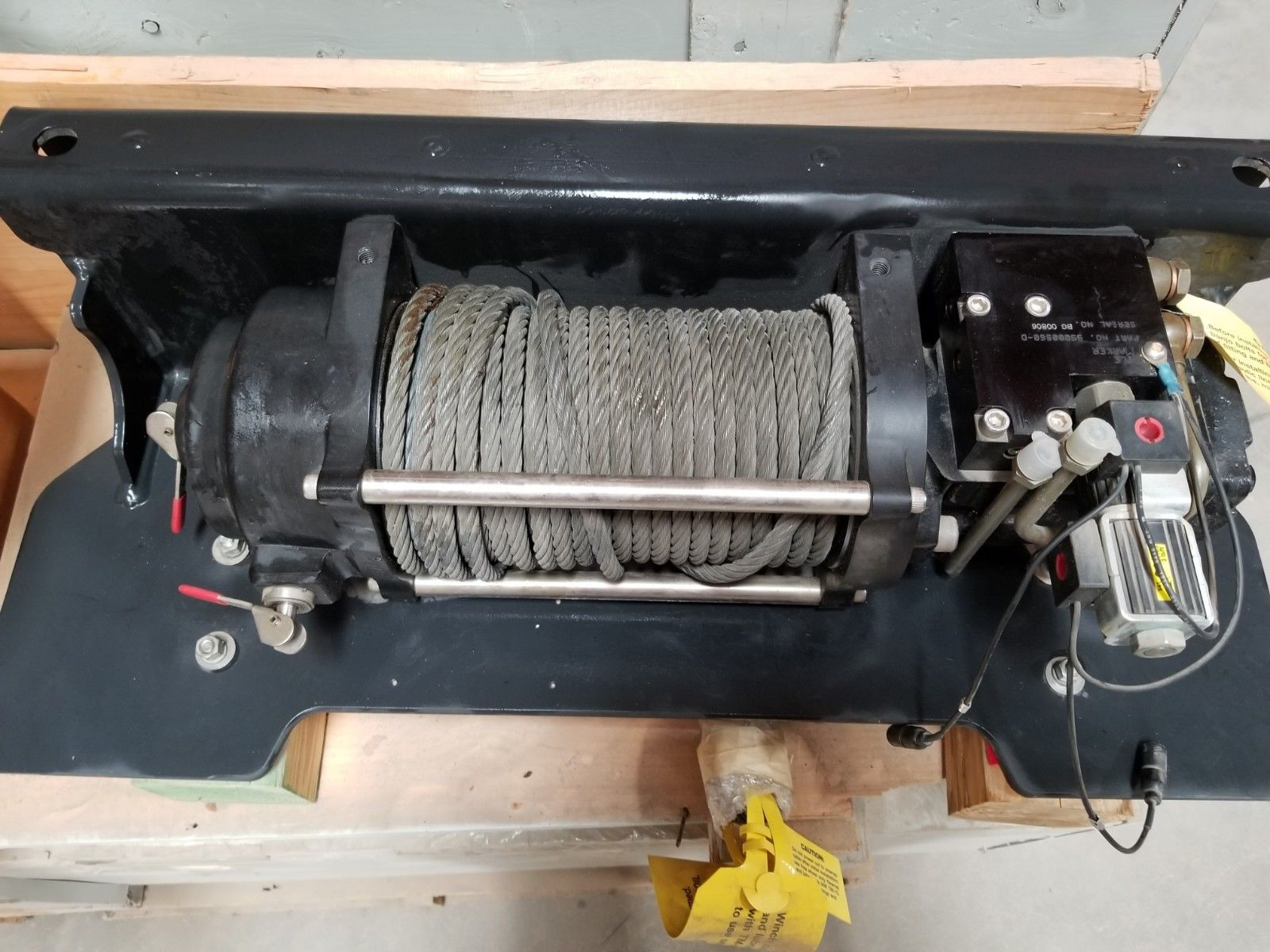
No. An electric winch is usually faster at no load or light load, but its line speed drops as load increases and the motor heats up. It often needs rest periods to cool down, especially in heavy pulls. A hydraulic winch keeps more stable line speed under load and can run almost continuously, so in long or repeated operations it often completes jobs faster overall.
Professionals choose hydraulic winch systems because they offer high pulling capacity, continuous duty, robust design and precise control. In applications such as cranes, offshore vessels, crawler machines and industrial equipment, the winch is central to productivity and safety. Here, the ability of a hydraulic winch to deliver steady performance in harsh conditions is more important than the highest no‑load speed.
A planetary gearbox determines the mechanical advantage between the hydraulic motor and the drum. By choosing different gear ratios, engineers can set the hydraulic winch to deliver high torque with slower line speed or faster line speed with lower torque. This flexibility allows manufacturers like Kemer to tailor the hydraulic winch behavior precisely to each machine's requirements, balancing speed, pulling force and efficiency.
Electric winches require careful inspection of motors, wiring, connectors, brushes and batteries. Corrosion or wear in any of these components can reduce power delivery and slow the winch. A hydraulic winch requires clean oil, proper filtration and good hose and seal condition. When maintained correctly, the hydraulic motor and planetary gearbox are designed for long life under continuous load, so performance tends to remain more stable over time.
A new machine should be designed around a hydraulic winch when it will handle heavy loads, operate at high duty cycles, or work in severe environments. If the machine already uses a hydraulic system for travel drive, swing drive or other actuators, integrating a hydraulic winch is usually the most efficient option. In these cases, a hydraulic winch provides better long‑term productivity and reliability than an electric winch, making it the preferred solution for demanding OEM platforms.


