
Views: 222 Author: Amanda Publish Time: 2026-01-07 Origin: Site


Content Menu
● What Is a Sailing Hydraulic Winch?
● Main Components of a Sailing Hydraulic Winch
>> Hydraulic Power Pack and Pump
>> Hydraulic Motor on the Winch
>> Planetary Gearbox and Winch Drum
>> Self‑Tailing Jaws and Stripper Arm
>> Hydraulic Valves and Control Stations
● How a Sailing Hydraulic Winch Works Step by Step
>> 2. Command from the Helm or Cockpit
>> 3. Motor and Gearbox Drive the Drum
>> 4. Drum, Line, and Self‑Tailing Action
>> 5. Braking and Load Holding
● Why Sailboats Use Hydraulic Winches
>> High Torque and Constant Power
>> Smooth, Precise Speed Control
>> Integration with Other Hydraulic Functions
● Design Considerations for Sailing Hydraulic Winch Systems
>> Winch Sizing and Gear Ratios
>> Hydraulic Pressure, Flow, and Hoses
>> Deck Structure and Mounting
>> Control Layout and Redundancy
● Operation, Maintenance, and Best Practices
>> Routine Service of Hydraulic Components
● FAQ About Sailing Hydraulic Winches
>> 1. What is the difference between a sailing Hydraulic Winch and a manual winch?
>> 2. Can a Hydraulic Winch be retrofitted to an existing sailboat?
>> 3. Is a Hydraulic Winch better than an electric winch on a yacht?
>> 4. How much maintenance does a sailing Hydraulic Winch require?
>> 5. Is a Hydraulic Winch safe to use in rough weather?
A sailing Hydraulic Winch uses pressurized hydraulic oil to rotate a winch drum, allowing sailors to trim sails and control loads smoothly with high torque and precise speed control on larger yachts and performance sailboats. Compared with manual winches, a sailing Hydraulic Winch integrates the yacht's hydraulic power pack to deliver reliable, push‑button sail handling for heavy sheets and halyards.
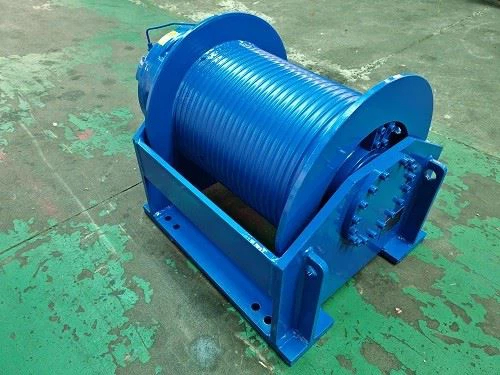
A sailing Hydraulic Winch is a power-assisted winch installed on a sailboat that uses a hydraulic motor instead of human effort or an electric motor to turn the drum and handle loaded lines. On large cruising and racing yachts, this Hydraulic Winch system is typically specified for primary sheet winches, halyard winches, and mast or pit winches where very high line loads must be controlled safely.
A modern sailing Hydraulic Winch is often a self‑tailing model that can grip the rope in dedicated jaws, allowing a single crew member to operate the winch while the hydraulic motor performs the heavy grinding work. Many systems can be controlled from local foot switches near the winch or remote panels in the cockpit, integrating the Hydraulic Winch into the overall yacht control philosophy.
A typical sailing Hydraulic Winch system consists of several core components that work together as one integrated unit. Understanding each part makes it easier to see how the Hydraulic Winch works on a sailboat.
The hydraulic power pack includes a reservoir, hydraulic pump, filters, and relief valves that generate and regulate the pressurized oil used by every Hydraulic Winch on the yacht. The pump is usually driven by the vessel's main engine or a dedicated motor, providing continuous flow and pressure to the Hydraulic Winch network through supply and return lines.
In many premium installations, the same power pack supplies several functions such as thrusters, windlass, backstay tensioners, and furlers in addition to each Hydraulic Winch. This shared source reduces the number of separate motors and electrical feeds on board, simplifying the overall energy architecture while maximizing available power for the Hydraulic Winch during demanding maneuvers.
At the heart of each Hydraulic Winch is a low‑speed high‑torque hydraulic motor that converts oil pressure and flow into rotary motion for the drum drive. This hydraulic motor is typically mounted under the deck or inside the winch base, where it connects to a planetary gearbox and then to the winch drum to deliver high torque at controlled speed.
Hydraulic motors used in a sailing Hydraulic Winch are selected for their ability to deliver rated torque at the available system pressure and for their durability in marine environments. Their displacement, speed rating, and shaft design are matched to the gearbox so that the Hydraulic Winch can hoist, trim, or ease safely under all expected sea conditions.
A compact planetary gearbox multiplies the hydraulic motor torque and reduces its speed so that the Hydraulic Winch can pull very high sheet loads while maintaining manageable line speed. The winch drum provides the friction surface for the rope turns; its diameter and profile are optimized to maximize grip on modern yacht lines while keeping the Hydraulic Winch compact and efficient.
In multi-speed models, different hydraulic circuits or mechanical stages can be engaged so the Hydraulic Winch runs faster under light load and slower under heavy load to balance speed and control. Some systems also allow manual grinding through a handle socket if the hydraulic system is offline, giving redundancy for critical sail controls alongside the powered Hydraulic Winch function.
Self‑tailing sailing winches have an integrated jaw set and stripper arm that automatically holds and guides the line, removing the need for a dedicated crew member to tail. On a Hydraulic Winch, the self‑tailing feature lets sailors operate powerful primary winches single‑handed, which is critical for shorthanded or high‑performance sailing.
The geometry of the jaws and the angle of the stripper arm are tuned to suit specific line diameters, ensuring the Hydraulic Winch maintains constant grip without crushing the rope core. Good self‑tailing performance keeps the line feeding reliably even when the yacht heels or the crew must briefly release the tail to handle other tasks, allowing the Hydraulic Winch to continue running safely.
A multi‑disc or band brake is integrated in many Hydraulic Winch gear trains to hold the load when the motor is not driving, preventing back‑driving and uncontrolled easing. Marine hydraulic winch brakes often act automatically when hydraulic pressure drops, giving fail‑safe holding so the sail load remains secure even if the power pack or lines lose pressure.
In addition to mechanical brakes, a sailing Hydraulic Winch relies on non‑return valves and load‑holding valves in the hydraulic circuit to prevent unintended rotation. These hydraulic safety elements make sure that the drum of the Hydraulic Winch stays locked unless the control valve is deliberately activated, which is critical when handling heavy headsails or mainsails offshore.
Directional control valves route pressurized oil to either side of the hydraulic motor so the Hydraulic Winch can rotate in or out, providing powered trim and powered easing when required. Flow‑control valves and relief valves fine‑tune speed and protect the Hydraulic Winch circuit against over‑pressure, while deck switches or control panels give sailors intuitive control over each winch.
On performance yachts, multiple control points may be installed so that trimmers, helm, and pit crew can command each Hydraulic Winch from optimal working positions. Electronic interfaces can also be added, allowing integration of the Hydraulic Winch controls with sailing instrument systems for advanced race modes and repeatable sail‑trim routines.
A sailing Hydraulic Winch follows a clear sequence every time a crew member pushes a control button or actuates the valve. The same principle applies whether it is a primary sheet winch, halyard winch, or mast winch.
When the sailor powers up the hydraulic system, the pump draws oil from the reservoir, filters it, and sends pressurized fluid to the main supply manifold feeding each Hydraulic Winch. The pressure level is set by the system relief valve according to the winch specifications so the Hydraulic Winch motor always has enough torque without overstressing hoses, seals, or fittings.
On some yachts, the power pack runs continuously whenever the engine is on, providing instant response for every Hydraulic Winch station. Other designs use demand‑driven pumps that spool up when a valve is opened, improving efficiency while still giving quick response when any Hydraulic Winch is called into service.
The sailor wraps several turns of line around the winch drum and slots the tail into the self‑tailing jaws so the Hydraulic Winch can grip the rope securely. By pressing a foot switch or panel button, the sailor energizes the control valve, which directs high‑pressure oil to the “in” port of the hydraulic motor and routes return oil back to the tank.
Because the line is already under light tension from the sail, the initial movement of the Hydraulic Winch takes up slack and begins to increase sheet or halyard load smoothly. Crews typically coordinate this command with helmsman and trimmers so the yacht remains balanced while the Hydraulic Winch adjusts sail shape under changing wind strength.
The hydraulic motor converts the oil flow into rotary torque, turning its shaft and driving the planetary gearbox built into the Hydraulic Winch base. The gearbox multiplies the torque and transfers it to the winch drum, which rotates and pulls the line in; reversing the valve sends flow in the opposite direction so the Hydraulic Winch can power out if the design allows.
In heavy-air conditions, operators may briefly pulse the controls rather than run the Hydraulic Winch continuously to micro‑adjust the sail load. This pulsed operation keeps the line under tight control while preventing sudden changes in sail trim that could overload the rig or destabilize the yacht.
As the Hydraulic Winch drum turns, the friction between the drum surface and the wraps of rope translates torque into line tension, trimming the sail or hoisting the halyard with minimal manual effort. The self‑tailing jaw and stripper arm continuously guide the line, stacking coils neatly and maintaining grip so the sailor is free to watch sail shape and boat balance while the Hydraulic Winch does the hard work.
Correct lead angles from blocks and fairleads are vital so that the line enters the Hydraulic Winch drum evenly and does not ride up or cross‑wrap. Good deck layout allows the same Hydraulic Winch to serve multiple functions, such as acting as both genoa sheet winch and spinnaker sheet winch through well‑planned rope leads and clutches.
When the operator releases the control button, the valve returns to neutral, stopping oil flow so the hydraulic motor and drum stop turning, while the internal brake or mechanical ratchet holds the load. Many marine Hydraulic Winch systems use normally engaged brakes that automatically lock when hydraulic pressure is removed, providing reliable, fail‑safe holding for critical sailing maneuvers.
During controlled easing, the valve is opened in the opposite direction or to a metered position so the Hydraulic Winch can let out line under full control of the brake and motor. This controlled easing capability is particularly valuable for reefing, depowering in gusts, or easing a loaded spinnaker sheet without dangerous surges.
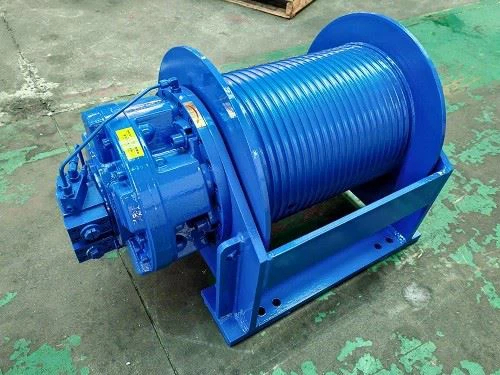
Larger sailboats and high‑performance racing yachts select Hydraulic Winch systems for several technical reasons that directly impact safety and performance. Compared to purely manual or electric winches, these systems deliver superior power density and control.
Hydraulic Winch drives offer very high continuous torque, allowing crews to trim massive genoas, code sails, and mainsails under load without stalling or overheating. Because hydraulic systems can run continuously at high load, the Hydraulic Winch is ideal for intensive trimming during long races or offshore passages where electric winches might overheat.
This high torque also allows for smaller crew sizes, since fewer people are needed on the handles to perform the same maneuvers. For offshore shorthanded teams or cruising couples sailing big boats, a well‑designed Hydraulic Winch system is often the key to safe, comfortable operation.
Flow‑control valves and proportional control options let operators modulate line speed very precisely, making a Hydraulic Winch gentle on sails and rigging when fine‑tuning trim. For maneuvers such as controlled gybes, reefing, or hoisting in a seaway, the smooth speed control of a Hydraulic Winch helps reduce shock loads on spars and deck hardware.
Advanced setups can link multiple winches to a single control interface, letting trimmers synchronize several Hydraulic Winch units during complex maneuvers like sail changes or mark roundings. Such coordination is difficult with manual systems and less robust with isolated electric winches, confirming the versatility of the hydraulic approach.
Many large yachts already have hydraulic power on board for thrusters, windlasses, backstays, boom vangs, or furlers, so adding a Hydraulic Winch is efficient because it shares the same power pack and lines. This shared system reduces overall weight and complexity compared to multiple independent electric drives, while giving centralized maintenance and monitoring for every Hydraulic Winch circuit.
When multiple devices share a common hydraulic network, energy management is easier to optimize, and designers can prioritize flow to critical consumers such as a primary Hydraulic Winch during maneuvers. In demanding conditions, this integration ensures that winching power is available when needed without overloading the yacht's electrical system.
A sailing Hydraulic Winch greatly reduces the physical effort required to trim sails, which helps small crews handle large yachts safely and reduces fatigue on long passages. By moving the heavy work from human muscles to the Hydraulic Winch, the risk of injury from over‑straining, loss of footing, or sudden line surges is reduced when the system is used correctly.
Ergonomic placement of foot switches, hand controls, and winch positions means crew can operate each Hydraulic Winch while braced securely in the cockpit. Less time grinding also means more attention can be devoted to navigation, collision avoidance, and sail trim strategy, improving overall safety on board.
When selecting or engineering a sailing Hydraulic Winch package, naval architects and equipment manufacturers evaluate size, load capacity, and integration details. Correct sizing and layout are essential for safe and efficient sail handling.
The rated working load, holding load, and drum diameter of a Hydraulic Winch must match the expected sheet and halyard forces for the specific rig, sail plan, and yacht displacement. Gear ratios in the winch and hydraulic motor selection determine maximum line speed and available torque, so designers balance fast trimming against safe, controllable power in the Hydraulic Winch.
For racing yachts, slightly higher line speeds may be prioritized to speed up maneuvers, while cruising designs may choose lower speeds and higher torque for comfort and reliability. In all cases, accurate load calculations and safety factors are vital to ensure the Hydraulic Winch can withstand the toughest gusts and sea states.
The power pack must provide sufficient pressure and flow for the total number of Hydraulic Winch stations that may operate simultaneously on the yacht. Hose routing, fittings, and flexible connections must follow marine standards for chafe resistance, corrosion protection, and proper bend radius to keep the Hydraulic Winch circuits reliable at sea.
Designers also consider pressure drops along hose runs and through valves so that each Hydraulic Winch still receives adequate pressure under peak demand. Proper selection of hose diameters and manifold layouts minimizes losses and ensures consistent response at all winch locations.
Each Hydraulic Winch must be installed on reinforced deck foundations capable of handling maximum working and shock loads transmitted by the drum and bolts. Proper alignment between the winch drum and rope lead, plus correct mounting of the below‑deck hydraulic motor and gearbox, prevents side loads and premature wear on the Hydraulic Winch.
Structural engineers often use backing plates, core replacement, and localized reinforcements in cored composite decks to carry the loads from a large Hydraulic Winch. This ensures that powerful torque and dynamic sheet loads are transmitted safely into the hull without cracking or delamination.
Yacht designers plan the location of switches, joysticks, or levers so crew members can operate each Hydraulic Winch from safe, protected positions in the cockpit or at the helm. Redundant manual overrides or emergency release methods are often integrated so that the Hydraulic Winch can still be operated or unloaded safely in the event of power loss or valve failure.
Multiple power sources, such as a main engine‑driven pump and a backup electric pump, can be specified for critical Hydraulic Winch networks on long‑range cruisers. This redundancy protects against single‑point failures and helps ensure that sails can always be reefed or dropped, even if one part of the hydraulic system is compromised.
To keep a sailing Hydraulic Winch safe and efficient, crew and technicians must follow proper operating procedures and scheduled maintenance. Good practices extend system life and protect sails, rigging, and crew.
Before leaving the dock, crews should check hydraulic oil level, look for leaks in hoses and fittings, and confirm that each Hydraulic Winch responds correctly to control inputs. Verifying that brakes engage, self‑tailing jaws grip clean ropes, and winch drums rotate freely helps detect problems before heavy loads are applied to the Hydraulic Winch.
A quick functional test of each station — short runs in and out with light load — can reveal unusual noises, sluggish response, or vibration that may indicate early faults. Catching these issues early keeps the Hydraulic Winch ready for demanding offshore conditions where repair opportunities are limited.
Regular replacement of hydraulic filters, inspection of seals, and monitoring of oil cleanliness protects the motor and valves inside the Hydraulic Winch circuit. Periodic torque checks on mounting bolts, inspection of gearboxes, and functional tests of relief valves ensure that the Hydraulic Winch can handle rated loads without unexpected failures.
Saltwater exposure also requires external cleaning and corrosion protection of manifolds, fittings, and exposed metal parts associated with the Hydraulic Winch. Following manufacturer service intervals for oil changes and component overhauls maintains smooth, predictable performance season after season.
Keeping drums clean and lightly lubricated where required, while avoiding contamination of the friction surface, maintains consistent grip for the Hydraulic Winch under varying conditions. Lines should be inspected for cover wear and core damage, because the high power of a Hydraulic Winch can quickly overload compromised ropes and cause dangerous failures.
Crew should also learn correct wrapping techniques: the right number of turns, correct tailing angle, and careful removal of old, flattened coils. These habits prevent overrides and ensure that each Hydraulic Winch can deliver its full rated torque without sudden jerks or slippage.
Operators must never wrap hands or feet in the line and must stay clear of the bight while the Hydraulic Winch is running, because hydraulic power can pull in slack extremely quickly. Crews should communicate clearly before powering the Hydraulic Winch so everyone on deck knows when sheets or halyards will move and where loads will be transferred.
Training sessions where new crew practice on lower loads help build familiarity with the response characteristics of each Hydraulic Winch. With clear roles and communication, the team can exploit the power of the Hydraulic Winch to maneuver efficiently while keeping risk under control.
A sailing Hydraulic Winch converts hydraulic power from a central pump and reservoir into controlled, high‑torque drum rotation that trims sails and handles heavy lines on large yachts with minimal crew effort. Through a combination of hydraulic motor, planetary gears, self‑tailing jaws, and integrated brakes, the Hydraulic Winch delivers precise, smooth control of sheets and halyards while enhancing safety, comfort, and performance for both cruising and racing sailboats.
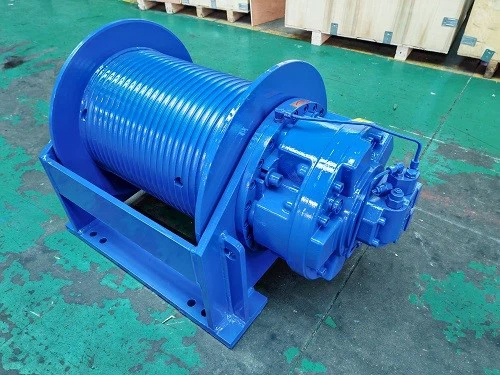
A manual winch is driven only by human power on the handle, while a sailing Hydraulic Winch uses pressurized oil to rotate the drum and provide much higher, more consistent torque. Hydraulic systems also allow remote and push‑button operation, making a Hydraulic Winch more suitable for large yachts and heavy sails where manual grinding would be exhausting or unsafe.
Many boatyards can retrofit a Hydraulic Winch to a suitable yacht, especially if there is already a hydraulic system on board for thrusters or windlass, but structural and power‑pack integration must be carefully engineered. The deck must be reinforced, hydraulic lines routed safely, and the control layout redesigned so that the new Hydraulic Winch enhances, rather than complicates, sail handling.
A Hydraulic Winch usually offers higher continuous duty capability and better power density than electric winches, making it ideal for large or performance‑oriented yachts that trim under heavy load for long periods. Electric winches can be simpler to install on smaller boats, but for multi‑station, high‑load applications, a centralized hydraulic system with multiple Hydraulic Winch units often provides superior reliability and control.
Routine tasks include checking oil level, inspecting hoses and fittings for leaks, changing filters, and cleaning winch drums and self‑tailing jaws to keep the Hydraulic Winch performing consistently. Periodic professional service of motors, valves, and gearboxes is recommended according to the manufacturer's schedule, especially for yachts that use their Hydraulic Winch heavily during racing or offshore passages.
A properly designed and maintained Hydraulic Winch is very safe in rough weather, because its high torque and smooth speed control help crews manage big sail loads and reduce shock on rigging. However, safe practices are essential: crew must avoid standing in line with loaded sheets, keep hands clear of the drum and self‑tailer, and communicate clearly before operating the Hydraulic Winch under heavy sea conditions.


