
Views: 222 Author: Amanda Publish Time: 2026-01-02 Origin: Site


Content Menu
● What Is an Excavator Undercarriage?
● Why Regular Undercarriage Checks Matter
● Safety and Preparation Before Inspection
● Step-by-Step Excavator Undercarriage Inspection
>> Track Shoes on the Excavator Undercarriage
>> Track Chains, Pins, and Bushings
>> Inspecting Rollers on the Excavator Undercarriage
>> Idlers, Guides, and Recoil Systems
>> Track Frames, Guards, and Hardware
● Functional Checks of Excavator Undercarriage
● Inspection Frequency and Record Keeping
● Best Practices to Extend Undercarriage Life
● Practical Tips for On-Site Checks
● FAQ About Excavator Undercarriage Inspection
>> 1. How often should the excavator undercarriage be inspected?
>> 2. What are the typical signs of severe undercarriage wear?
>> 3. How does incorrect track tension damage the excavator undercarriage?
>> 4. Can operating technique really extend excavator undercarriage life?
>> 5. When is full replacement of the excavator undercarriage more economical than repairs?
The excavator undercarriage is one of the most heavily loaded and expensive systems on any crawler excavator, so a structured inspection routine is essential to prevent failures and costly downtime. A thorough check of the excavator undercarriage focuses on cleanliness, track condition, rollers, idlers, sprockets, bolts, and track tension, combined with regular walkaround inspections before and after work.[1][2][3]

The excavator undercarriage is the lower structure that supports the machine and converts engine power into travel across the ground. It normally includes track frames, track chains, track shoes, rollers, idlers, sprockets, final drives, tensioners, and guards that work together to keep the machine stable and mobile.[2][4][5]
Because the excavator undercarriage operates in direct contact with soil, rock, and debris, it experiences far more abrasion and impact than most other systems on the machine. Over the life of an excavator, the excavator undercarriage can account for a large share of total maintenance costs, so early detection of wear is vital for budget control and uptime.[5][6][2]
Consistent inspection of the excavator undercarriage delivers clear technical and economic benefits.[7][2]
- It reduces the risk of sudden breakdowns such as track derailment or final drive failure, which can stop a project and require expensive emergency repairs.[6][8]
- It allows planned replacement of worn components in the excavator undercarriage, avoiding damage to neighboring parts like rollers and sprockets that can wear faster when one element is neglected.[9][2]
From a safety perspective, a neglected excavator undercarriage can cause instability on slopes, reduced traction in wet conditions, and unpredictable tracking behavior that endangers people and equipment nearby. Well-maintained excavator undercarriage systems help operators work more confidently and accurately, especially on demanding sites such as quarries, demolition projects, and pipeline work.[4][10][2]
Before touching any part of the excavator undercarriage, proper preparation is critical.[3][1]
- Park the excavator on firm, level ground, lower the attachment to the ground, set the parking brake, and shut down the engine according to the operator's manual.[3][4]
- Use personal protective equipment such as safety boots, gloves, and eye protection, and follow lock-out or tag-out procedures when working close to moving parts of the excavator undercarriage.[10][3]
Cleaning is the first technical step in any inspection of the excavator undercarriage.[1][2]
- Remove packed mud, stones, and debris from around rollers, idlers, the track frame, and track shoes, because these materials can hide cracks, leaks, and missing components.[11][1]
- In cold climates, clean the excavator undercarriage at the end of the shift so that mud does not freeze overnight and stress the system during start-up.[2][1]
A structured walkaround provides an overall picture of excavator undercarriage condition.[4][2]
- Start on one side and walk the full length of the track frame, then repeat on the opposite side so no section of the excavator undercarriage is overlooked.[1][2]
- Look for oil spots on the ground, bent guards, cracked welds, missing bolts, and foreign objects lodged inside the excavator undercarriage area.[2][3]
Daily walkarounds help operators recognize new noises, fresh leaks, or changed wear patterns on the excavator undercarriage before they become major issues.[6][2]
Track shoes provide the contact surface with the ground and protect the chain of the excavator undercarriage.[5][2]
- Inspect shoes for cracks through the plates, broken corners, or loose and missing bolts; these defects can allow shoes to shift or detach during operation.[12][5]
- Evaluate grouser height; worn-down grousers reduce traction and can cause the excavator undercarriage to slip on slopes or in wet conditions.[12][5]
If many track shoes on the excavator undercarriage show similar advanced wear, plan group replacement to restore consistent traction and loading across the track frame.[12][2]
The track chain is the backbone of the excavator undercarriage, joining all shoes and engaging with the sprocket.[5][2]
- Look along the side of the chain for uneven gaps between links, shiny rubbing marks, or visible twisting, all of which signal wear or misalignment in the excavator undercarriage.[8][5]
- Check pins and bushings for pitch extension, which occurs as components wear; a stretched chain can ride poorly on sprockets and accelerate wear on the whole excavator undercarriage.[9][2]
Some chains are designed to be turned or rotated part-way through their life, which can balance wear on both sides of the bushings and extend excavator undercarriage service life.[4][2]
Correct track tension is one of the most important settings for any excavator undercarriage.[9][2]
- To check sag, move the machine forward a short distance to settle the track, then measure the vertical distance from the bottom of the track frame to the inside of the chain at the midpoint between rollers.[2][4]
- Compare this measurement with the manufacturer's recommended range for that model; different undercarriage designs and shoe widths require different sag values.[7][2]
Loose tracks can derail or slap against the frame, causing shock loads and rapid damage to the excavator undercarriage. Over-tight tracks increase friction and wear on rollers, idlers, and final drives, generating heat and wasting fuel as the excavator undercarriage resists movement.[11][9][2]
Rollers carry the weight of the machine and control the track path along the excavator undercarriage.[11][5]
- Check bottom rollers for flat spots, heavy flange wear, chipped edges, or oil leaks from seals that indicate failing bearings.[13][11]
- Inspect carrier (top) rollers for similar defects and confirm that they rotate freely without wobble or grinding noises when the excavator undercarriage is moved slowly.[5][12]
Uneven roller wear can cause the track to ride high or low in specific areas, changing contact patterns and leading to additional stress on other excavator undercarriage components.[11][5]
Idlers guide the chain and contribute to correct tension in the excavator undercarriage.[2][5]
- Inspect idler rims for deep wear grooves, cracks, broken flanges, or heat discoloration that could be signs of high friction.[13][5]
- Verify that idlers move smoothly in the track frame guides and that recoil springs and tension cylinders show no external damage or grease leakage in the excavator undercarriage.[10][11]
If idlers stick or do not recoil properly, track tension will vary and cause uneven shoe and chain wear along the excavator undercarriage.[8][5]
Sprockets transfer power from the final drives to the track chain, making them a central element of the excavator undercarriage.[4][2]
- Inspect sprocket teeth for sharp, pointed, or “hooked” profiles that show they have reached or passed their wear limit on the excavator undercarriage.[13][11]
- Check the hub area for broken segments, cracks, and oil leaks from the final drive seal, as leaks can contaminate the excavator undercarriage and indicate serious internal damage.[14][12]
When sprockets and chains wear together, it is often more economical to replace them as a matched set, restoring correct pitch engagement and protecting the rest of the excavator undercarriage.[9][2]
Track frames support every major component of the excavator undercarriage.[8][5]
- Look for bent sections, cracked welds, and corrosion that could weaken the frame or alter alignment of the excavator undercarriage.[12][5]
- Inspect rock guards, track guides, and other protecting elements to ensure they are not bent into the track path or rubbing excessively on the excavator undercarriage chain or shoes.[5][12]
Hardware condition is equally important for this structure of the excavator undercarriage.[10][1]
- Check all visible bolts and nuts for looseness, missing heads, or shifted washers that show movement at joints within the excavator undercarriage.[1][10]
- Retorque or replace hardware as needed, because loose fasteners can allow alignment to change and cause accelerated wear across the excavator undercarriage.[8][5]
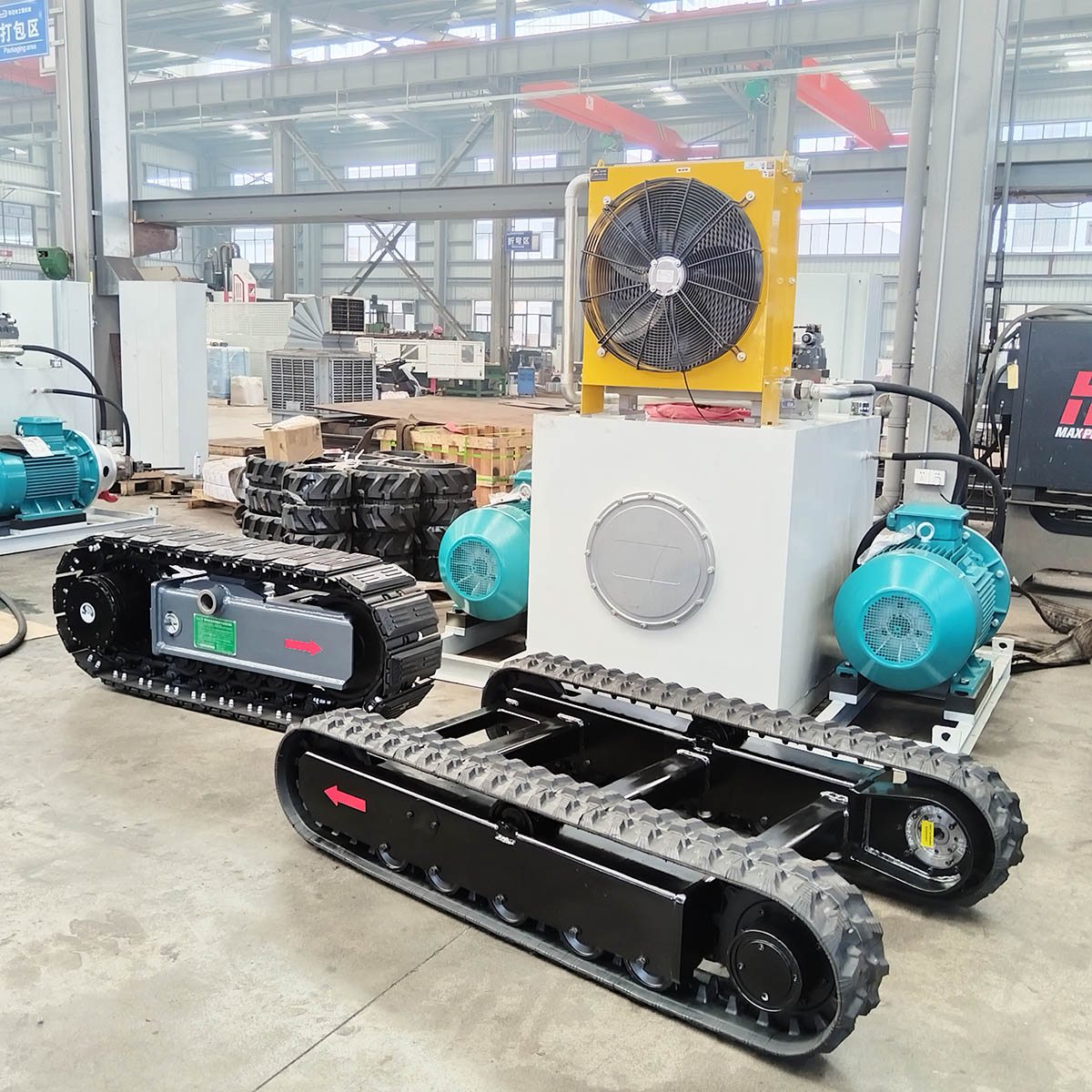
Visual inspection should be supported by simple functional tests for the excavator undercarriage.[3][2]
- Track the machine slowly forward and backward while a trained observer watches for wandering tracks, vibration, or abnormal noise from either side of the excavator undercarriage.[12][2]
- Perform gentle turns in both directions; difficulty turning, jerky movement, or loud clicking can indicate misalignment, worn components, or internal problems in the excavator undercarriage or final drives.[3][8]
If the excavator veers consistently to one side on level ground, the cause may be uneven track tension, damaged rollers, or a failing final drive on one side of the excavator undercarriage.[15][16]
Effective maintenance programs treat the excavator undercarriage as a system that must be monitored over time.[7][2]
- Perform quick daily inspections of the excavator undercarriage before starting work, including checks for leaks, obvious damage, and track tension.[4][2]
- Schedule more detailed inspections, including measurements of sag, roller and idler diameters, and shoe wear, every 250 operating hours or according to the manufacturer's service plan.[7][2]
Accurate records make it possible to forecast future spending and plan downtime for excavator undercarriage repairs.[10][8]
- Maintain a standard checklist, write down measurements and observations with dates, and note when specific excavator undercarriage parts are replaced or rotated.[10][11]
- Photographs and videos taken from the same angles over time help reveal trends in excavator undercarriage wear that might not be obvious day to day.[10][12]
Operator technique has a strong influence on excavator undercarriage life.[2][5]
- Avoid unnecessary high-speed travel and aggressive pivot turns that grind track shoes against abrasive surfaces and overload the excavator undercarriage.[8][2]
- Limit travel on sharp rock, concrete edges, and steep side slopes whenever possible, as these conditions focus stress on one side of the excavator undercarriage.[5][12]
Cleaning and environmental awareness also play a major role.[1][7]
- Remove mud, snow, and debris from the excavator undercarriage at the end of shifts, especially when working in clay or freezing conditions where buildup is common.[1][2]
- Be aware that highly abrasive materials such as sand and crushed stone can shorten the life of rollers, idlers, and shoes, so more frequent checks of the excavator undercarriage are necessary in these environments.[11][4]
Quality components and correct matching to operating conditions help protect the excavator undercarriage investment.[6][2]
- Use track chains, shoes, rollers, idlers, and final drives specified for the machine's weight and duty cycle, ensuring that each component in the excavator undercarriage works within its design limits.[12][2]
- Periodic inspections by experienced technicians can identify subtle issues such as misalignment, frame distortion, or uneven loading that might not be obvious to operators but still impact excavator undercarriage life.[6][8]
Many contractors integrate quick undercarriage checks into daily routines without needing specialized tools for the excavator undercarriage.[3][2]
- Use simple measuring devices such as a tape measure, straightedge, and calipers to track sag, shoe thickness, and roller diameter on the excavator undercarriage over time.[7][2]
- Mark reference lines or punch marks at key spots on rollers and shoes, then re-measure at set hour intervals to detect wear rates in the excavator undercarriage before they become critical.[11][10]
Operators can also listen and feel for changes while working.[3][4]
- New knocking or grinding sounds, stronger vibration through the cab floor, or changes in how the machine tracks in a straight line all deserve closer inspection of the excavator undercarriage.[3][12]
- When in doubt, schedule a more detailed service visit, because early intervention is much cheaper than waiting for a complete failure of any major excavator undercarriage component.[6][8]
A disciplined, step-by-step approach to inspecting the excavator undercarriage—starting with cleaning and a general walkaround, then checking track shoes, chains, rollers, idlers, sprockets, and frames—greatly reduces the risk of sudden failures and excessive wear. Combined with good record keeping, correct track tension, and careful operating habits, these practices extend the life of the excavator undercarriage, improve jobsite safety, and lower total ownership costs for fleets and owner-operators alike.[7][1][2]
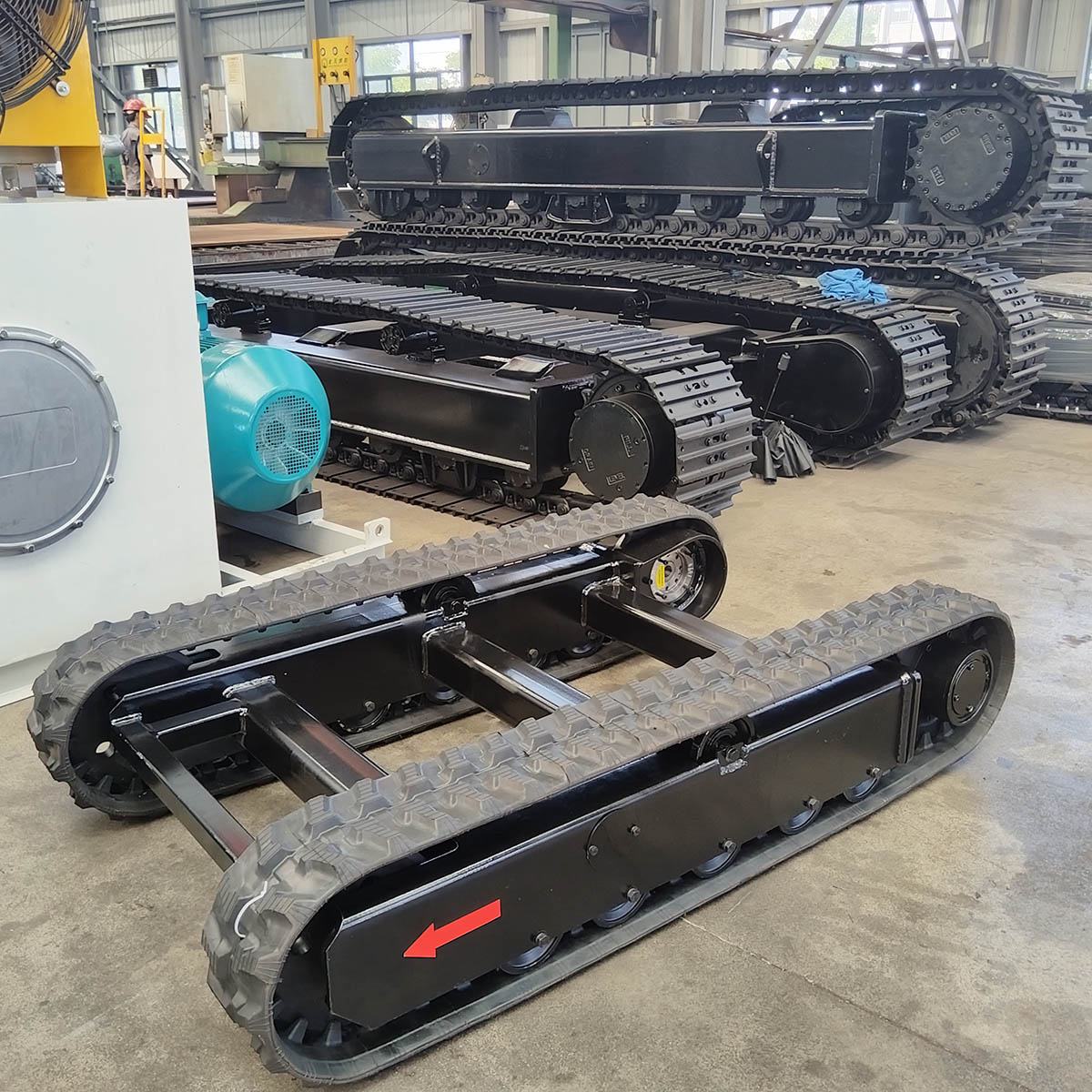
The excavator undercarriage should receive a quick visual inspection every day before and after work, focusing on leaks, track tension, and obvious damage. A more detailed examination with measurements is recommended every 250 operating hours or according to the machine manufacturer's maintenance schedule for the excavator undercarriage.[4][2][7]
Key signs of severe excavator undercarriage wear include thin or cracked track shoes, stretched chains with visible pitch extension, flat-spotted or leaking rollers, deeply grooved idlers, and sharp or hooked sprocket teeth. Additional warning signs are unusual vibration, clunking noises, or a machine that pulls to one side on level ground due to uneven wear in the excavator undercarriage.[13][5][12]
Tracks that are too loose can derail, slap against the frame, and climb sprocket teeth, causing impact loads and rapid wear throughout the excavator undercarriage. Over-tight tracks increase friction on rollers, idlers, and final drives, generating extra heat, wasting fuel, and shortening component life in the excavator undercarriage.[9][2][11]
Yes, careful operating technique has a major influence on excavator undercarriage longevity. Reducing unnecessary travel, avoiding aggressive pivot turns, and minimizing operation on sharp rock or steep side slopes all help reduce stress and abrasion on the excavator undercarriage.[8][2][5][12]
Full replacement becomes more economical when multiple critical components—such as chains, rollers, idlers, and sprockets—are simultaneously close to their wear limits or failing repeatedly on the excavator undercarriage. If misalignment, frame damage, or very uneven wear makes it impossible to maintain correct geometry, a complete rebuild or replacement of the excavator undercarriage generally offers better long-term value than continuing patch repairs.[13][9][8][12]
[1](https://www.stewartamoseqpt.com/blog/excavator-undercarriage-inspection-guide/)
[2](https://hawkexcavator.com/excavator-undercarriage/)
[3](https://heavyequipmentcollege.edu/how-do-you-perform-an-excavator-inspection/)
[4](https://www.fortishd.com/blogs/repair/understanding-the-undercarriage-of-heavy-equipment)
[5](https://hixenmachine.com/identify-damage-excavator-undercarriage-parts/)
[6](https://www.rdoequipment.com/resources/blogs/what-you-need-to-know-about-undercarriage-inspections-for-heavy-equipment)
[7](https://www.bobcatofpittsburgh.com/blog/essential-steps-for-maintaining-the-excavator-undercarriage--82316)
[8](https://langleyexcavatorparts.com/excavator-track-undercarriage-problems-maintenance/)
[9](https://www.foleyeq.com/service/article-library/4-signs-that-indicate-its-time-to-replace-your-undercarriage-tracks/)
[10](https://heavyvehicleinspection.com/blog/post/undercarriage-maintenance-guide-heavy-machinery-professionals)
[11](https://www.vematrack.com/en/blog-en/recognising-wear-undercarriage-parts/)
[12](https://hawkexcavator.com/excavator-undercarriage-parts/)
[13](https://www.clevelandbrothers.com/blog/five-tell-tale-signs-its-time-for-a-new-steel-undercarriage)
[14](https://westsidetractorsales.com/wp-content/uploads/2020/01/West-Side-Tech-Tips-Issue-7.pdf)
[15](https://www.tractorbynet.com/forums/threads/evaluating-undercarriage-and-overall-condition-for-purchase-hitachi-excavator.374130/)
[16](https://www.conequip.com/wp/conequip-101-learning/worn-idlers-are-wrecking-your-undercarriage-heres-how-to-stop-the-bleeding)


