
Views: 222 Author: Robert Publish Time: 2026-01-17 Origin: Site


Content Menu
● Understanding Hydraulic and Electric Winches
● Main Differences Between Hydraulic and Electric Winches
● How Hydraulic Winches Work in Practice
● How Electric Winches Work in Practice
● Advantages of a Hydraulic Winch
● Advantages of an Electric Winch
● Limitations of Hydraulic Winches
● Limitations of Electric Winches
● Where Hydraulic Winches Are Usually Better
● Where Electric Winches Are Usually Better
● Choosing the Right Winch for Your Application
● How Kemer Supports Hydraulic Winch Users
● FAQ
>> 1. Is a hydraulic winch more powerful than an electric winch?
>> 2. Why do electric winches overheat more easily?
>> 3. When should I choose a hydraulic winch?
>> 4. When is an electric winch the better option?
>> 5. How does Kemer help with hydraulic winch selection?
Hydraulic winches are generally better for continuous heavy‑duty work in industrial, marine, mining, and construction environments, especially where a hydraulic system already exists. Electric winches are usually better for lighter or intermittent use, vehicle recovery, and applications where electric power is easy to provide. Choosing between them depends on load, duty cycle, environment, and budget rather than a simple “better or worse” label.
A hydraulic winch uses pressurized hydraulic fluid from a pump to drive a hydraulic motor and planetary gearbox, rotating the drum to pull or lower the rope under high load. Because power comes from hydraulic pressure and flow, a hydraulic winch can maintain strong, steady torque for long periods without the rapid temperature rise seen in many electric motors.
An electric winch uses an electric motor powered by a battery or mains supply to drive a gearbox and drum. It is usually simpler to install than a hydraulic winch, especially on vehicles and small machines that already have suitable electrical systems but no hydraulic circuit.
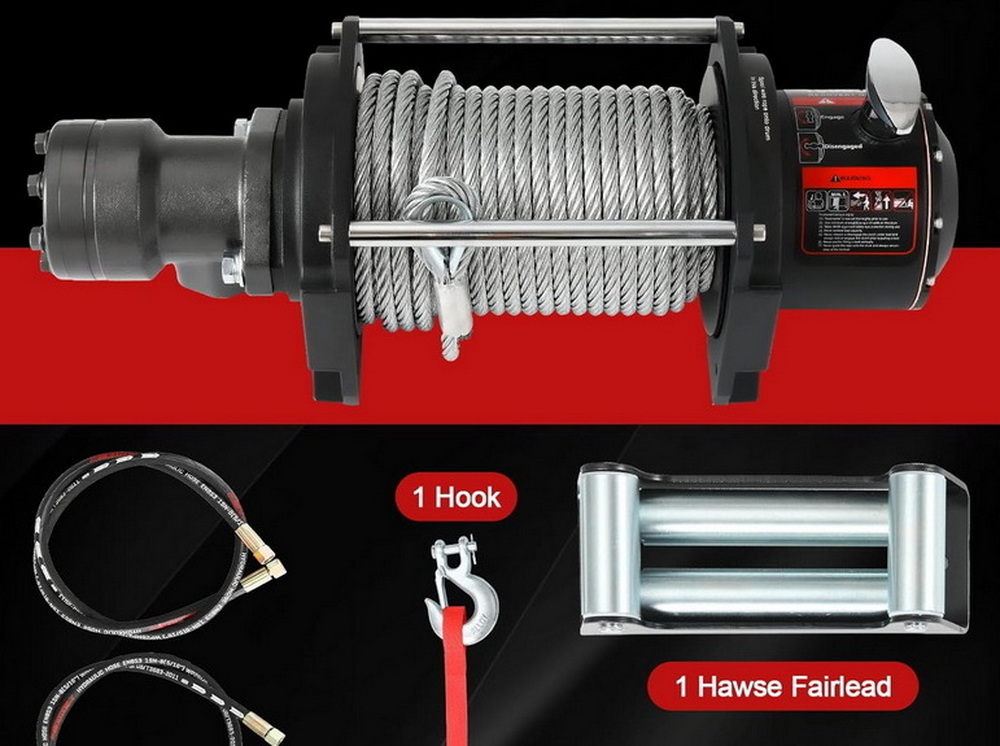
Hydraulic winches are designed for high line pull, long duty cycles, and harsh environments where uptime and reliability are critical. Electric winches are often used where line pull is moderate, the duty cycle is short, and low installation cost and simplicity are more important than continuous heavy‑duty performance.
In marine and heavy industrial operations, hydraulic winches still dominate because they withstand shock loads, extreme weather, and long run times without overheating. In recreational boating, small workshops, and 4x4 recovery, electric winches are increasingly popular thanks to improvements in electric motor efficiency and controls.
Aspect | Hydraulic winch | Electric winch |
Power source | Hydraulic pump driven by engine or power pack; integrated into hydraulic circuit. | Electric motor powered by battery or mains supply. |
Pulling power | Very high pulling power and strong torque; often chosen for the heaviest loads. | Good for light and medium loads; typically lower maximum pull. |
Duty cycle | Suited to continuous or frequent use with stable performance. | Limited by motor heating and duty cycle; needs rest periods. |
Installation | More complex: hoses, valves, reservoir, pump, and integration. | Simpler: mount and wire to existing electrical system. |
Environment | Very robust in extreme or marine conditions when properly sealed. | More sensitive to water, salt, and contaminants. |
Control | Precise speed and torque via hydraulic pressure and flow control. | Good electronic control options, but thermal limits still apply. |
Maintenance | Requires oil cleanliness, hose and seal inspection, pump and motor service. | Requires electrical checks, corrosion control, and motor cooling. |
Typical uses | Construction, marine, mining, oil & gas, industrial handling. | 4x4 recovery, small boat trailers, light industrial and workshop lifting. |
In a typical hydraulic winch system, a pump converts mechanical energy from an engine or motor into hydraulic energy, sending pressurized oil through control valves to a hydraulic motor attached to the winch gearbox. The high‑torque output of the hydraulic motor is multiplied by a planetary gearbox, transferring controlled torque to the drum and rope.
By adjusting pressure and flow, operators can fine‑tune the speed and pulling force of the hydraulic winch without overloading the motor. Load‑holding valves and multi‑disc brakes keep the load secure when the hydraulic winch stops, improving safety on cranes, winch trucks, and marine equipment.
An electric winch uses an electric motor that drives a gearbox and drum once power is supplied through a contactor or controller. The gearbox reduces motor speed and increases torque so the electric winch can pull a rated load over a limited duty cycle.
When current flows for too long at high load, heat builds up in the motor windings, limiting how long an electric winch can operate continuously. Manufacturers specify duty cycles such as “5% at full load,” which means a short working period followed by a much longer rest period to prevent overheating and premature failure.
A hydraulic winch provides very high pulling power in a compact package, often with line pulls from several tons up to over 100 tons depending on the model. This makes a hydraulic winch the preferred choice for anchor handling, mooring, offshore lifting, heavy towing, and large construction projects.
Because the energy comes from hydraulic pressure rather than a battery, a hydraulic winch can run much longer without performance loss as long as the pump and prime mover continue to operate. A hydraulic winch also tolerates shock loads better than many electric drives, since hydraulic systems can incorporate accumulators, relief valves, and robust planetary gearboxes.
Electric winches are usually less complex and quicker to install, especially where a suitable electrical supply already exists. There is no need to design hydraulic piping, select pumps, or manage hydraulic oil, which reduces engineering time and initial installation cost in many light‑duty applications.
Electric winches can also be quite efficient; in some marine studies, electric drives for comparable winches can show slightly higher efficiency than hydraulic drives, though at lower continuous pull levels. For small vessels, workshops, and 4x4 vehicles, an electric winch provides convenient operation with simple push‑button or remote control.
The main limitation of a hydraulic winch is the need for a complete hydraulic system, which includes a pump, reservoir, filters, hoses, valves, and sometimes a cooler. On equipment that does not already have hydraulics, this increases cost and complexity compared with fitting an electric winch directly to the electrical system.
Hydraulic winches also require proper maintenance of fluid cleanliness and careful attention to hose routing, sealing, and leak prevention. In smaller or highly regulated environments, concerns about oil spills can make an electric winch more attractive despite the performance benefits of a hydraulic winch.

Electric winches are limited by motor heating and duty cycle, which means they cannot operate at full load for very long without rest periods. Overloading or ignoring duty cycle limits can quickly lead to overheating, motor insulation breakdown, and reduced service life for the electric winch.
Electric winches also rely heavily on battery capacity and voltage stability in mobile applications. As batteries discharge and voltage drops, the pulling power of an electric winch can fall off, leaving less margin for safety when dealing with extreme loads or long pulls.
A hydraulic winch is usually the better choice for:
- Heavy construction equipment such as crawler cranes, piling rigs, and drilling machines.
- Marine winches on ships, offshore platforms, barges, and port handling systems.
- Mining, oil & gas, and industrial applications where loads are high and duty cycles are long.
In these environments, the stable torque, continuous duty performance, and durability of a hydraulic winch outweigh the extra complexity of the hydraulic system. When a machine already uses hydraulics for travel drives, swing drives, or other actuators, adding a hydraulic winch often creates a more efficient, integrated solution.
An electric winch is typically better for:
- Off‑road vehicle recovery on 4x4s, ATVs, and light trucks.
- Small boat trailers and marinas where loads are moderate and power is available.
- Light industrial and workshop lifting where winching is occasional and run times are short.
In these applications, the simplicity and lower initial cost of an electric winch make it a practical choice, and the limitations on duty cycle rarely cause serious issues. For many users, a compact electric winch provides enough performance without the need to install and maintain a full hydraulic system.
When deciding whether a hydraulic winch or an electric winch is better, consider at least five key factors: required line pull, duty cycle, available power source, environment, and system integration. If your operation needs high pull, frequent or continuous use, and must withstand harsh outdoor or marine conditions, a hydraulic winch is usually the more suitable choice.
If the loads are lighter, the use is intermittent, and you already have a good electrical supply but no hydraulics, an electric winch can be the more economical and convenient solution. OEMs and equipment builders should also consider how a hydraulic winch can share pumps and circuits with other hydraulic functions to reduce total system cost over the life of the machine.
Kemer specializes in hydraulic winch solutions as part of a broader portfolio that includes planetary gearboxes, travel drives, winch drives, swing drives, track undercarriages, and hydraulic motors for global OEMs. By designing the hydraulic winch and drive components together, Kemer helps customers achieve compact layouts, smooth torque transmission, and efficient use of hydraulic power across the whole machine.
For industrial, construction, and marine clients, Kemer can tailor hydraulic winch designs to specific line pull requirements, drum sizes, mounting configurations, and hydraulic parameters. This makes it easier for equipment builders to choose a hydraulic winch that fits their mechanical envelope, hydraulic circuit, and safety requirements while delivering reliable performance in demanding environments.
Hydraulic winches are generally better for heavy‑duty, continuous, and harsh‑environment applications where maximum pulling power, long duty cycles, and reliability are essential. Electric winches are generally better for lighter, intermittent tasks where simplicity, low upfront cost, and easy electrical installation matter more than continuous heavy‑duty performance.
For OEMs and professional users, a well‑engineered hydraulic winch system, integrated with planetary gearboxes, travel drives, and swing drives, often delivers the best long‑term value in industrial and marine projects. By matching the winch type to your load, duty cycle, power source, and environment, you can choose between a hydraulic winch and an electric winch with confidence and ensure safe, efficient operation for years.
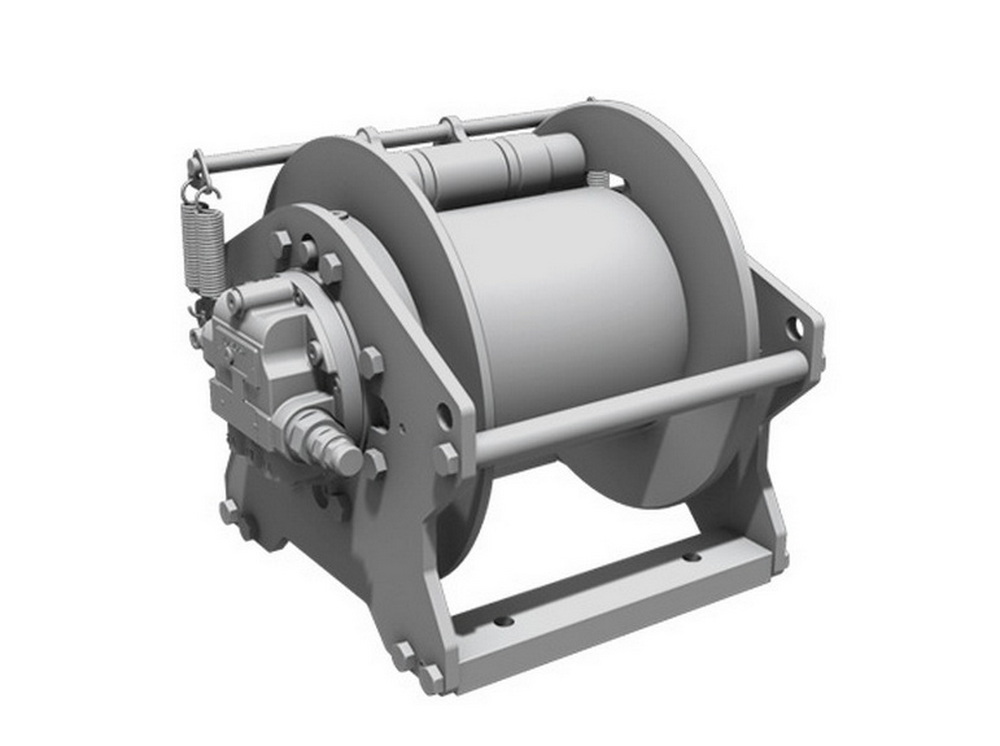
A hydraulic winch is usually more powerful than a similar‑sized electric winch and can maintain that pulling power for longer periods. This makes a hydraulic winch the preferred option for very heavy loads, long pulls, and professional industrial or marine work.
Electric winches rely on motors that generate significant heat under high current, especially at full load or when duty cycle limits are exceeded. Without proper rest intervals or cooling, this heat builds up, reducing performance and potentially damaging motor insulation and other components.
Choose a hydraulic winch when your equipment already has a hydraulic system and you need high pulling power, long duty cycles, and strong performance in harsh conditions. This is typical on cranes, winch trucks, drilling rigs, mining machines, and marine equipment where uptime and safety are critical.
An electric winch is the better option when loads are moderate, usage is occasional, and a suitable electrical supply is readily available but no hydraulic system is installed. Off‑road vehicles, small boats, and workshop lifting systems are common examples where an electric winch provides enough performance with lower complexity and cost. [winchhire.co](https://www.winchhire.co.uk/5-reasons-you-need-an-electric-winch-for-off-road-adventures/)
Kemer supports customers by matching hydraulic winch models with appropriate planetary gearboxes, travel drives, swing drives, and hydraulic motors to form complete drive packages. This system-level engineering helps ensure that each hydraulic winch installation achieves the required line pull, speed, and reliability while integrating smoothly into the machine's hydraulic circuit. [hydraulicwinchco](https://hydraulicwinchco.com/industry-uses/)


