
Views: 222 Author: Amanda Publish Time: 2026-01-02 Origin: Site


Content Menu
● Understanding the Excavator Undercarriage
● Main Components of an Excavator Undercarriage
>> Track Frame
>> Track Chains and Track Shoes
>> Bottom Rollers and Carrier Rollers
>> Idlers and Track Tensioners
● Functions and Importance of the Excavator Undercarriage
>> Support, Stability, and Balance
>> Energy Transfer and Efficiency
● Types of Excavator Undercarriage Designs
>> Standard and Heavy-Duty Crawler Undercarriages
>> Adjustable and Specialized Undercarriages
● Maintenance Best Practices for Excavator Undercarriage
>> Daily Inspection and Cleaning
>> Track Tension, Alignment, and Wear Monitoring
>> Operating Practices That Protect the Undercarriage
● FAQ About Excavator Undercarriage
>> 1. What exactly is an excavator undercarriage?
>> 2. How often should the excavator undercarriage be inspected?
>> 3. What are the most common wear parts in an excavator undercarriage?
>> 4. How can I extend the life of my excavator undercarriage?
>> 5. Should I choose steel or rubber tracks for my excavator undercarriage?
The excavator undercarriage is the entire lower structure that supports, drives, and stabilizes the machine while it works in demanding conditions. It carries the weight of the upper structure, transfers power to the ground, and enables the excavator to move safely over soft, uneven, or rocky terrain. A well-designed and well-maintained excavator undercarriage directly affects productivity, reliability, and operating cost throughout the machine's life.
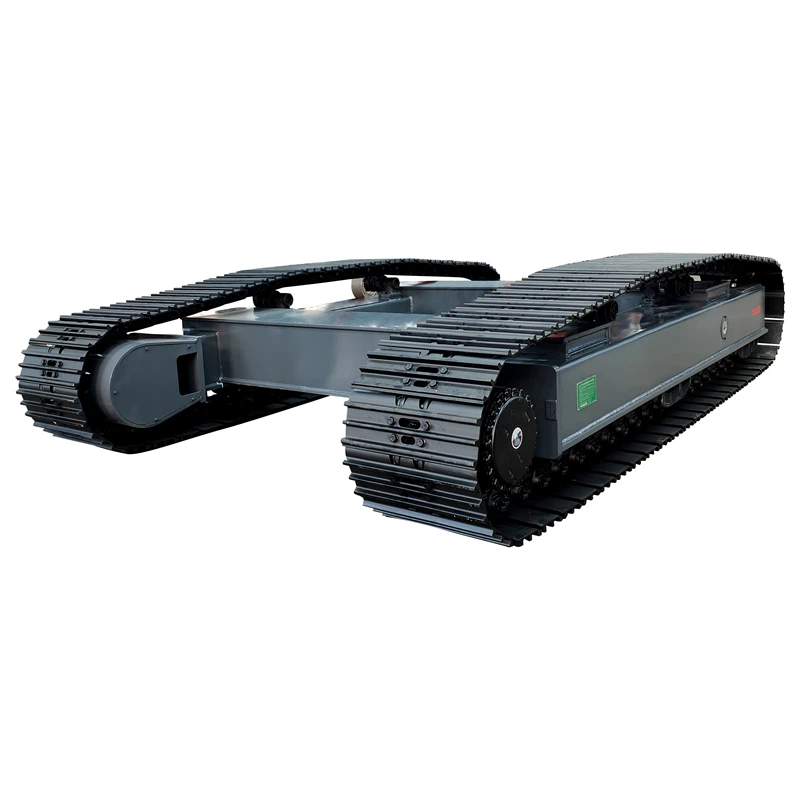
An excavator undercarriage connects the upper structure, boom, and attachments to the ground through a robust track system. It consists of track frames, track chains, track shoes, rollers, idlers, sprockets, and final drives, all engineered to work together as a stable base. The excavator undercarriage distributes weight along the length of the tracks, reducing ground pressure and providing a wide footprint for balance.
Unlike wheeled machines, a crawler excavator undercarriage uses continuous tracks driven by hydraulic motors and planetary gearboxes to deliver high tractive effort at low speeds. This design allows the excavator undercarriage to climb slopes, cross soft ground, and operate in harsh environments where traction and stability are critical. For heavy construction, quarrying, and mining, the excavator undercarriage is the foundation that makes safe, controlled operation possible.
Each part of the excavator undercarriage has a specific role in supporting the machine and transferring power to the tracks. Understanding these components helps owners and operators specify the right configuration and maintain it effectively.
The track frame is the structural backbone of the excavator undercarriage. It supports and positions the lower rollers, carrier rollers, idlers, and final drives on each side of the machine. High-strength steel and carefully designed welds keep the track frame rigid under heavy loads, impact forces, and twisting during difficult operations.
A well-designed track frame maintains proper alignment between all moving components of the excavator undercarriage. It helps distribute weight evenly and protects critical parts like hydraulic travel motors and gearboxes from shock. When the machine works on slopes or uneven ground, the track frame ensures the excavator undercarriage remains stable and predictable.
Track chains form the continuous loop that runs around the undercarriage on each side. They are made of multiple links and bushings that allow the chain to flex as it passes around sprockets and idlers. The track chain carries the load of the machine and is a key wear component in any excavator undercarriage.
Track shoes (track pads) bolt onto the links and provide the ground contact surface. Shoe width, profile, and grouser design have a major influence on how the excavator undercarriage behaves on different surfaces. Wide shoes reduce ground pressure for soft soils, while narrower shoes improve penetration and traction on dense or rocky ground. Choosing the right shoe for the application helps improve stability and extend the life of the excavator undercarriage.
Bottom rollers, also called track rollers, support the weight of the machine along the lower length of the track. They guide the chain and allow the excavator undercarriage to roll smoothly over the ground as the machine travels. Because they are in constant contact with steel and abrasive materials, bottom rollers are some of the highest-wear parts of an excavator undercarriage.
Carrier rollers support the upper portion of the track chain, controlling sag and alignment on the top run. They help keep the chain centered on the frame so the excavator undercarriage runs smoothly and avoids derailment. Sealed and lubricated designs extend service life, but regular inspection is still essential. Excessive wear, oil leakage, or seized rollers can quickly damage other components of the excavator undercarriage.
Idlers are large wheels at the front (and sometimes rear) of the track frame that guide the track chain around its path. They work together with recoil springs and hydraulic adjusters to maintain correct track tension in the excavator undercarriage. Properly functioning idlers absorb impacts, reduce shock loads, and help keep the chain in line.
Track tensioners allow the chain to be tightened or loosened within a recommended range. If the excavator undercarriage runs with tracks that are too tight, components experience high stress and accelerated wear. If the tracks are too loose, the chain can derail or strike the frame. Monitoring idler condition and adjuster stroke is therefore a critical part of excavator undercarriage maintenance.
Sprockets are toothed wheels at the rear of most crawler machines that engage directly with the track chain. They are driven by final drive assemblies, which combine hydraulic motors with planetary gearboxes to deliver high torque at low speed. Together, these parts form the drive system of the excavator undercarriage.
As the sprocket turns, it pulls the chain around the track path and propels the excavator forward or backward. Matching the wear of sprockets and chains is important because uneven or “hooked” teeth can damage the links and cause vibration. Healthy final drives and sprockets keep the excavator undercarriage efficient, reduce stress on other components, and help maintain smooth travel over the life of the machine.
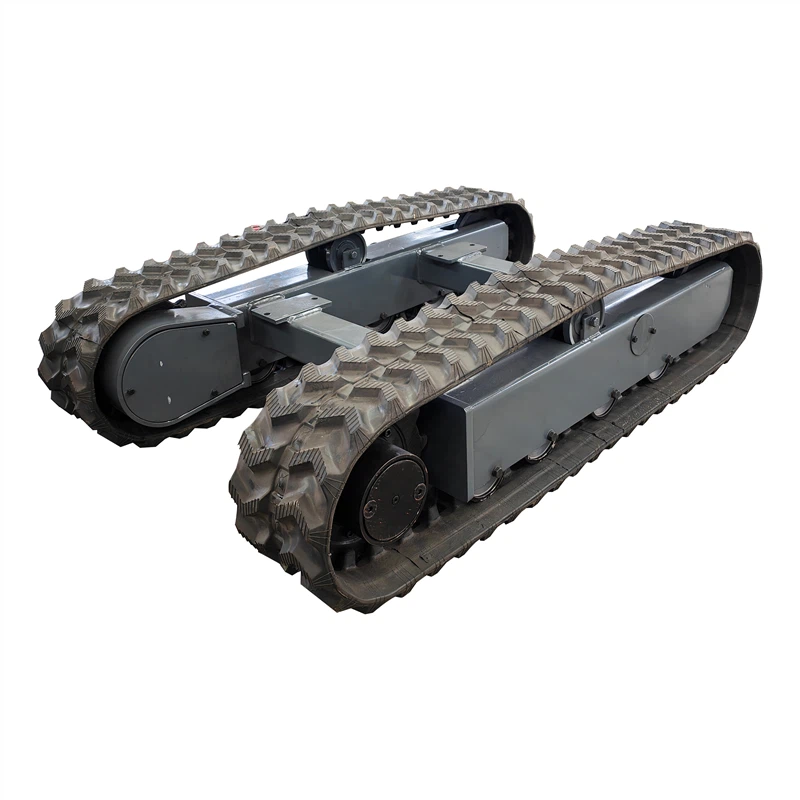
The excavator undercarriage does far more than simply hold tracks in place. It is a complex system that contributes directly to stability, traction, and energy efficiency.
The primary function of the excavator undercarriage is to support the machine's weight and maintain stability while digging, lifting, or slewing. By spreading weight over a long track contact area, the excavator undercarriage lowers ground pressure and reduces the risk of sinking into soft soil. This wide footprint makes it possible for heavy machines to operate safely in conditions that would be impossible for wheeled equipment.
When the boom extends or the upper structure swings with a full bucket, the excavator undercarriage counteracts tipping forces. Proper track width, frame geometry, and shoe selection are all important for maintaining balance. In demanding applications, a well-designed excavator undercarriage can be the difference between secure operation and unsafe instability.
The excavator undercarriage provides slow but powerful movement around the job site. Tracks offer more contact points and friction than wheels, giving the machine excellent traction on mud, rock, and uneven surfaces. This is especially important in excavation, demolition, and forestry work where ground conditions can change across a single site.
A high-quality excavator undercarriage maintains consistent ground contact, which helps the operator control travel speed and direction precisely. The machine can climb slopes, cross obstacles, and position itself for accurate digging with confidence. For many projects, the mobility and traction of the excavator undercarriage are key factors in productivity and safety.
The undercarriage is also the final stage of the powertrain, where hydraulic energy from the pump and motors is transformed into motion on the ground. Smooth, low-friction operation of chains, rollers, and sprockets allows the excavator undercarriage to transfer energy efficiently. When components are well maintained, the machine uses less fuel to move and experiences less internal stress.
If rollers seize, tracks are misaligned, or sprockets are badly worn, the excavator undercarriage can generate extra resistance and vibration. This wastes energy, increases fuel consumption, and leads to faster wear across the system. Regular inspection and timely replacement of worn components help the excavator undercarriage operate with maximum efficiency.
Not all undercarriages are identical. Different designs are used to match machine size, load requirements, and site conditions. Selecting the right excavator undercarriage configuration is vital for long-term performance.
Standard crawler designs are widely used on construction and utility excavators. They balance durability, weight, and cost, making them suitable for mixed applications where ground conditions vary. A standard excavator undercarriage usually includes robust track frames, steel shoes, and sealed rollers designed for typical duty cycles.
Heavy-duty configurations reinforce the track frame, increase the number or capacity of rollers, and use thicker or stronger components. These excavator undercarriage designs are used for mining, quarrying, demolition, and other high-impact work. While they may add weight and cost, heavy-duty undercarriages deliver greater reliability under extreme loads and abrasive conditions.
Some machines feature variable or extendable track frames that can widen for improved stability and retract for transport or tight spaces. This type of excavator undercarriage is useful in urban or tunneling projects where access is limited but a stable working stance is still required.
Specialized designs include amphibious or swamp undercarriages built with pontoons or extra-long tracks. These systems allow the excavator undercarriage to float or operate in marshes and shallow water. They retain the core principles of a conventional undercarriage but adapt geometry and buoyancy to meet unique mobility challenges.
Because the excavator undercarriage operates in abrasive environments and carries the full machine weight, it accounts for a significant portion of lifetime ownership costs. Good maintenance practices can dramatically extend its service life.
Daily walkaround inspections should focus on loose bolts, cracked or missing shoes, oil leaks from rollers or final drives, and signs of misalignment along the excavator undercarriage. Identifying problems early helps prevent small issues from developing into serious failures and unplanned downtime.
Cleaning out packed mud, rocks, and debris is also essential. Material trapped between the chain, rollers, and frame can accelerate wear and increase rolling resistance. In colder climates, removing wet material from the excavator undercarriage before temperatures drop helps prevent ice buildup that could restrict movement or damage components.
Correct track tension is one of the most important factors in undercarriage life. Tracks that are too tight create excessive stress on chains, rollers, idlers, and final drives. Tracks that are too loose can derail, strike the frame, or slap the ground. Following the manufacturer's recommended procedure for setting and checking tension is crucial for a healthy excavator undercarriage.
Regular measurements of link height, bushing wear, roller diameter, and sprocket tooth profile help monitor component condition. Planning replacements based on measured wear, rather than waiting for failure, keeps the excavator undercarriage balanced. In many cases, replacing chains and sprockets together ensures proper engagement and smoother operation.
Operator technique has a direct impact on undercarriage life. Avoiding unnecessary high-speed travel, especially on hard or jagged surfaces, reduces shock loading and abrasion. Minimizing sharp pivot turns and excessive steering adjustments helps limit side-loading and scuffing on the track shoes.
Planning the work so that the machine travels efficiently across the site, rather than repeatedly crossing obstacles, can significantly reduce wear. Training operators to understand how their actions affect the excavator undercarriage often leads to better habits and longer component life. Over time, this can translate into lower operating costs and improved uptime.
The excavator undercarriage is far more than a set of tracks beneath the machine. It is a carefully engineered system that supports the entire structure, provides traction and mobility, and transfers power to the ground efficiently. From track frames and chains to rollers, idlers, sprockets, and final drives, every part of the excavator undercarriage plays a crucial role in stability, performance, and safety.
Choosing the right design, specifying appropriate track shoes, and maintaining correct tension and alignment all help the excavator undercarriage deliver reliable service in tough conditions. Daily inspections, cleaning, and good operating practices protect this high-value system from unnecessary wear. For contractors and fleet owners, understanding how the excavator undercarriage works and how to care for it is one of the most effective ways to reduce downtime, extend machine life, and control total cost of ownership.
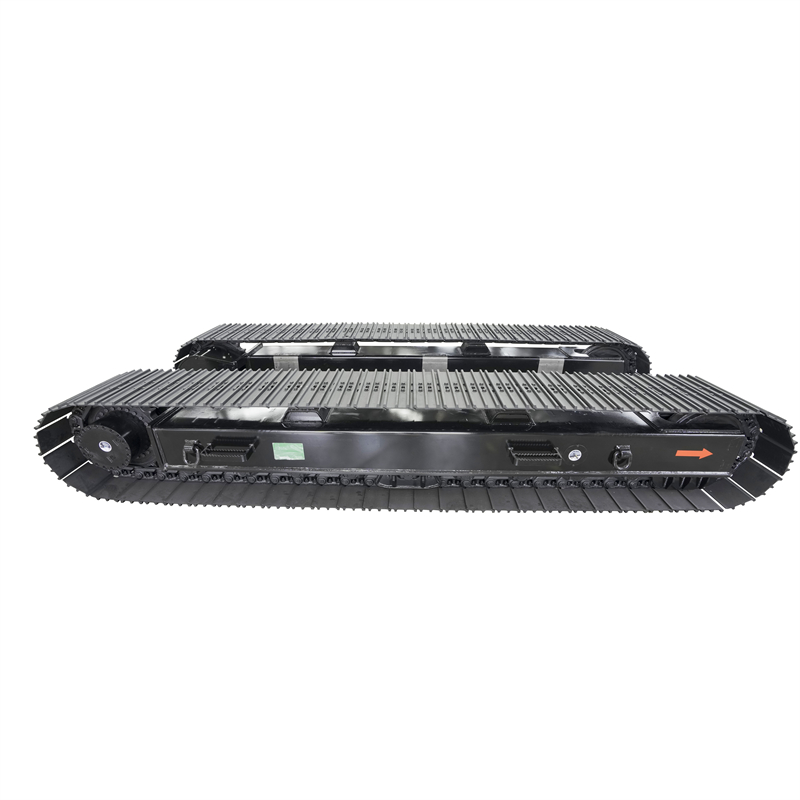
The excavator undercarriage is the complete lower assembly of the machine, including track frames, chains, shoes, rollers, idlers, sprockets, and final drives. It supports the excavator's weight and allows it to move with controlled traction and stability across the job site.
For machines working in demanding or abrasive conditions, the excavator undercarriage should be checked daily or at every shift change. Regular inspections help detect loose hardware, leaks, abnormal wear, and tension problems before they cause failures or unsafe operating conditions.
The most frequently replaced wear parts include track chains, track shoes, bottom rollers, carrier rollers, idlers, and drive sprockets. These components are constantly exposed to impact, abrasion, and heavy loads, so they typically need multiple replacement cycles over the life of the excavator undercarriage.
To extend undercarriage life, keep it clean, maintain correct track tension, monitor wear, and replace components in matched sets when needed. In addition, train operators to avoid unnecessary high-speed travel, sharp pivot turns, and repeated tracking over sharp obstacles that accelerate wear on the excavator undercarriage.
Steel tracks offer maximum durability, heat resistance, and traction for heavy-duty work such as mining, demolition, and large-scale earthmoving. Rubber tracks are lighter and gentler on finished surfaces, making them ideal where reduced noise, minimal surface damage, and a more flexible excavator undercarriage footprint are priorities.


