
Views: 222 Author: Amanda Publish Time: 2026-01-10 Origin: Site


Content Menu
● What Is a High Reach Demolition Excavator?
● High Reach vs Long Reach Excavation
● Advantages of High Reach Construction Demolition
● High Reach Demolition vs Traditional Methods
● Typical Applications for High Reach Excavators
● High Reach and Long Reach Packages
● Time to Get a Long Reach System Operational
● Optimizing Excavators for High Reach Work
● Top Upgrade Options for Excavators
● Checklist for Choosing a High Reach Solution
● How Specialized Suppliers Support High Reach Projects
● Focused Call to Action for Contractors
● FAQs About High Reach Construction Demolition
>> 1. What is the difference between a high reach excavator and a standard excavator?
>> 2. When should a contractor choose high reach demolition over traditional methods?
>> 3. Can an existing excavator be converted to high reach or long reach?
>> 4. How long does it take to install a high reach or long reach package?
>> 5. What attachments are commonly used with high reach demolition excavators?
High reach construction demolition excavators combine extended boom reach, precision hydraulics, and specialized attachments to dismantle tall structures safely and efficiently. When correctly configured with long reach kits, undercarriages, and control technologies, they help contractors improve safety, productivity, and project profitability on demanding demolition jobs.[1][2][3]
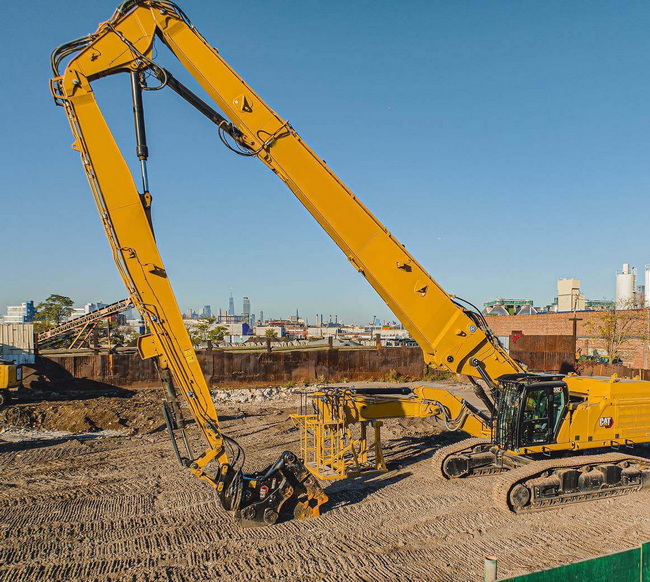
High reach demolition excavators are specialized machines with elongated boom systems designed to remove building elements several stories above ground from a safe distance. Compared with standard excavators, they feature reinforced upper structures, tailored hydraulics, and working envelopes optimized for demolition at height rather than bulk earthmoving.[3][4][1]
These machines are often created by converting base excavators using long or high reach kits that include boom, stick, linkage, and dedicated plumbing for demolition tools. In many fleets, the same converted carrier can support both high reach demolition work and deep-reaching excavation, dredging, or industrial dismantling tasks.[5][6][1]
High reach and long reach configurations share extended booms but focus on different operating directions and project goals. High reach equipment emphasizes vertical demolition of multi-story structures, while long reach systems prioritize horizontal distance for deep pits, shorelines, and work over water.[7][1][5]
1- High reach demolition
- Used to remove façades, slabs, and structural members on upper floors in a controlled sequence.[1][3]
- Typically paired with crushers, shears, and grapples to break and sort materials at height.[8][1]
2- Long reach excavation
- Extends excavator reach by 50 percent or more to work safely away from unstable edges or waterways.[7][5]
- Common in deep foundation excavation, dredging, industrial basins, and barge unloading operations.[6][5]
Both configurations help reduce dependency on scaffolding and manual demolition at height, which improves safety and simplifies logistics on congested jobsites.[3][1]
High reach demolition excavators deliver a combination of safety, efficiency, and control that is difficult to match with older methods. This makes them especially valuable on urban and industrial projects where adjacent assets and public safety are critical.[9][1][3]
1- Improved safety
- Operators remain in a protected cab at ground level instead of working on scaffolding or inside structurally compromised buildings.[1][3]
- Controlled tool placement reduces the likelihood of uncontrolled collapses and flying debris.[9][1]
2- Higher productivity
- A single high reach machine can replace large manual crews responsible for torch cutting and mechanical preparation.[4][1]
- Incremental top-down demolition with powerful attachments shortens project timelines while maintaining control.[8][1]
3- Better site and environmental control
- Selective removal produces more uniform debris for easier recycling and material segregation.[3][9]
- Precision at the tool tip helps minimize dust, noise, and vibration around sensitive neighbors and infrastructure.[1][3]
Traditional approaches such as wrecking balls, large explosives, or purely manual demolition can work but often involve higher risk envelopes and complex planning. High reach demolition aims for controlled, step-by-step removal with greater precision and smaller exclusion zones.[9][3][1]
Aspect | Traditional Demolition | High Reach Excavator Demolition |
Safety | Higher risk, large exclusion areas, heavy reliance on manual work. | Improved operator safety with remote operation from ground level. |
Control | More difficult to control debris direction and collapse sequence. | Layer-by-layer removal with precise boom and attachment control. |
Urban suitability | Challenging near neighboring buildings and live infrastructure. | Well suited for dense city sites with tight boundary conditions. |
Recycling potential | Mixed debris, limited material segregation. | Easier sorting of concrete, steel, and other materials. |
This shift toward controlled mechanical demolition is one reason long and high reach machines have become a recognized industry standard.[1][3]
High reach demolition excavators are used across commercial, industrial, and infrastructure projects where precision and access at height are important. Their versatility also extends into disaster response, where they can address unstable structures from safe stand-off distances.[10][4][3]
Key applications include:
- Multi-story building demolition in constrained urban locations.[3][1]
- Decommissioning of industrial plants, refineries, and power stations.[9][3]
- Removal of elevated conveyors, bridges, and viaduct components.[4][3]
- Disaster response clearance and stabilization of damaged structures.[10][3]
Specialized long reach arm systems are designed to transform standard excavators into high reach or deep reach machines with minimal re-engineering in the field. These systems typically extend the reach of the carrier by at least 50 percent compared with the original boom and stick.[5][7][1]
A complete package generally includes:
- Engineered long boom and stick assemblies for specific excavator models.[5][1]
- Pre-plumbed hydraulic lines, hose guides, and quick-connect interfaces for demolition and excavation tools.[11][1]
- Optional counterweights and structural reinforcements to maintain stability and safe working envelopes.[12][1]
Such kits can support not only high reach demolition but also deep excavation, dredging, industrial tank cleaning, and barge unloading operations.[6][5]
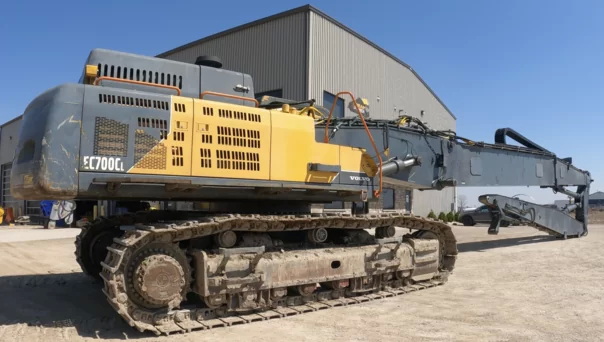
The time required to put a long or high reach package into service depends largely on how well it is pre-engineered for the target excavator. Systems designed with plug-and-play hydraulics and clear mounting provisions minimize field improvisation and installation risk.[11][12][1]
- Pre-plumbed booms and sticks mean operators do not need to spend extended hours routing hoses on-site.[11][1]
- With appropriate lifting gear and a prepared base machine, the boom conversion, hose connections, and basic commissioning can often be completed within a planned maintenance window.[12][1]
This faster turnaround allows contractors to respond quickly to new demolition or dredging opportunities without keeping a separate dedicated high reach fleet idle.[6][1]
To achieve safe and efficient high reach performance, the excavator must be configured as a complete system rather than as isolated components. Matching the base machine, boom package, undercarriage, and attachments is essential to stay within rated loads across the working envelope.[4][1][9]
Important optimization points include:
- Selecting a base excavator with adequate operating weight, counterweight options, and hydraulic flow for planned tools and reach.[8][1]
- Verifying load charts for long boom configurations and ensuring attachments remain within allowable tip loads.[4][1]
- Specifying undercarriages that provide sufficient footprint and stability, including amphibious systems where ground conditions are soft or flooded.[7][6]
- Integrating guidance or positioning systems when working below water or where visibility of the tool tip is limited.[13][6]
Excavator owners often combine mechanical upgrades with control technologies to extend the range of jobs each machine can perform. This approach improves fleet utilization and reduces the need to purchase multiple single-purpose carriers.[2][7][6][1]
Common upgrade options include:
- Long reach excavator kits for boom and stick, configured for demolition, deep excavation, or dredging.[5][1]
- RTK GPS positioning systems that support accurate digging and dredging when the bucket is not visible.[6][1]
- Amphibious undercarriages for marshes, wetlands, and shallow waterways.[2][6]
- Sectional or modular barges that allow excavators to be deployed on water-based projects.[6][1]
These upgrades help contractors transition between demolition, excavation, and marine projects with the same base equipment.[6][1]
A structured evaluation process helps ensure that the chosen high reach solution matches project requirements and site constraints. This approach also supports better budgeting and lifecycle planning for the equipment.[1][3][9]
- Define typical structure heights, materials, and site layouts for current and expected projects. [4][1]
- Confirm base excavator weight, track width, and hydraulic performance against proposed reach and attachment sizes. [8][1]
- Review compatible boom and stick packages, including maximum working height and recommended tool weights. [11][1]
- Assess required attachments such as shears, crushers, grapples, and buckets for the materials to be processed. [8][1]
- Evaluate ground and access conditions to determine whether amphibious undercarriages or barges are necessary. [2][6]
- Verify support, lead times, and training programs offered by the supplier to ensure smooth deployment. [2][1]
Suppliers focused on long reach and high reach systems combine product engineering with practical application expertise. They typically work across multiple excavator brands and tonnage classes, which helps them recommend suitable boom configurations and undercarriages for different project types.[14][6][1]
This support can include:
- Assisting with reach studies, tool selection, and stability evaluations for planned structures.[4][1]
- Providing pre-engineered, pre-plumbed kits that reduce installation time and uncertainty.[12][1]
- Offering training and after-sales service so operators and maintenance teams can run the equipment reliably over the long term.[14][1]
For demolition contractors, this level of guidance helps align fleet capabilities with future bidding strategies and risk profiles.[3][1]
Demolition and construction firms planning future projects with tall structures or constrained sites can benefit from a tailored high reach or long reach configuration analysis. To move forward, define the maximum building heights and site conditions you expect, then request a detailed reach and attachment study, budgetary quotation, and lead-time plan from a specialist long reach excavator supplier so your next project can be executed with higher safety margins, tighter schedules, and more predictable equipment performance.[11][1][3] Contact us to get more information!
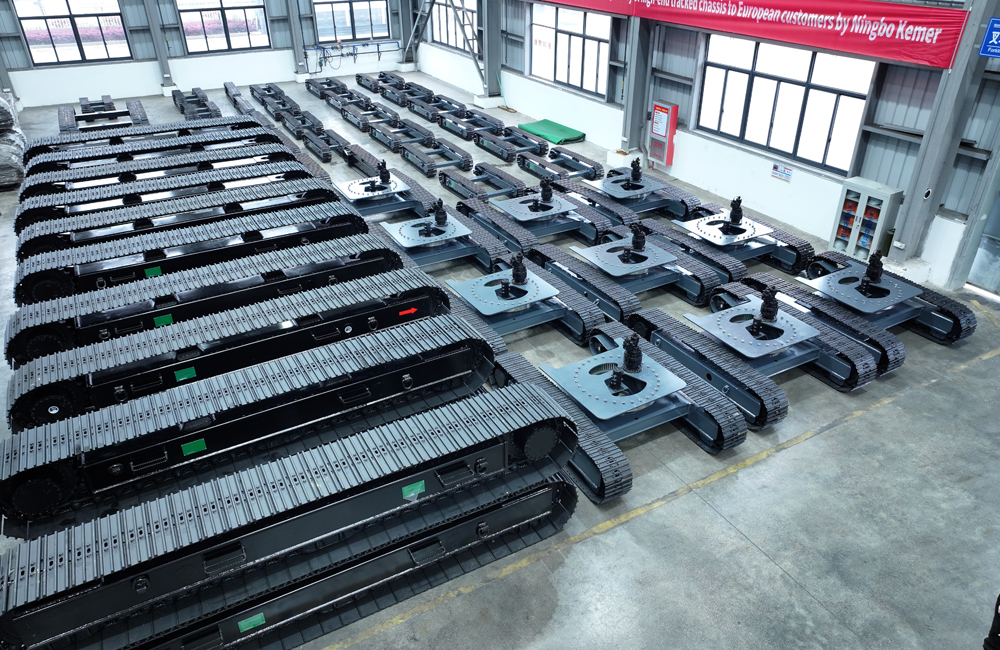
A high reach excavator uses an extended boom configuration and reinforced structure designed for demolition work several stories above ground, while a standard excavator is optimized for earthmoving and loading around ground level. High reach machines typically operate with different load charts, attachment weight limits, and safety considerations compared with standard digging configurations.[4][1][3]
High reach demolition is particularly suitable when structures stand close to neighboring buildings, utilities, or public spaces where uncontrolled collapse is not acceptable. It enables controlled, layer-by-layer dismantling that reduces risk to workers and the surrounding environment compared with wrecking balls or large-scale implosions.[9][1][3]
Many modern excavators can be upgraded using long or high reach boom and stick kits developed for specific models and tonnage ranges. The conversion must respect the carrier's structural limits, hydraulic capacity, and stability so that safe working envelopes are maintained at the new reach.[5][11][1]
Pre-engineered packages with pre-plumbed hydraulics and dedicated mounting points can often be installed within a planned maintenance period rather than an extended outage. Actual duration depends on the base machine, workshop capabilities, and whether counterweights or undercarriage changes are included in the scope.[12][11][1]
Typical attachments include concrete crushers, pulverizers, steel shears, sorting grapples, and buckets for handling debris. Choosing attachment sizes that fit the machine's reach and load limits is essential to maintain stability and avoid overloading the boom at full extension.[8][4][1]
[1](https://hawkexcavator.com/specs-brochures/high-reach-construction-demolition/)
[2](https://hawkexcavator.com)
[3](https://hawkexcavator.com/high-reach-excavators/)
[4](https://www.demolitionandrecycling.media/news/when-to-use-a-high-reach-demolition-excavator/8032932.article)
[5](https://mazowedredge.com/equipment/excavator-equipment/long-reach-arms/)
[6](https://pumpanddredgedirect.ca/equipment/excavator-equipment/)
[7](https://pumpanddredgehub.ly/excavator-equipment/long-reach-arms/)
[8](https://www.zieglercat.com/new-equipment-category/excavators/demolition-excavators/)
[9](https://safetyculture.com/topics/construction-machinery/demolition-equipment)
[10](https://onlinelibrary.wiley.com/doi/full/10.1002/rob.22078)
[11](https://hawkexcavator.com/long-reach-arm-excavator/excavation/)
[12](https://eddypump.com/wp-content/uploads/hawk-long-reach-arm-brochure-specs-1.pdf)
[13](https://www.youtube.com/watch?v=pArrHV-7ONE)
[14](https://www.linkedin.com/company/hawk-excavator)
[15](https://www.youtube.com/watch?v=BCjDIcNx6uY)
[16](https://www.facebook.com/hawkexcavator/photos/-transform-your-standard-excavator-into-a-super-reach-powerhouse-with-hawk-compa/1102214132114759/)
[17](https://www.instagram.com/p/DNlPhbJV37j/)


