
Views: 222 Author: Amanda Publish Time: 2026-01-02 Origin: Site


Content Menu
● Why the Excavator Undercarriage Matters
● Key Components of an Excavator Undercarriage
● Safety and Preparation Before Inspection
● Step-by-Step Track Hoe Undercarriage Check
>> General Walkaround and Visual Check
>> Track Tension and Track Sag
>> Front Idler and Track Adjuster
>> Bottom Rollers and Carrier Rollers
>> Sprockets and Final Drive Area
>> Track Frame, Guards, and Structural Elements
● Recording, Scheduling, and Data-Driven Decisions
● Best Practices to Extend Undercarriage Life
● FAQ
>> 1. How often should I inspect an excavator undercarriage?
>> 2. What are the first signs of undercarriage wear on a track hoe?
>> 3. How tight should excavator tracks be?
>> 4. When should I replace sprockets or chains?
>> 5. Does operating technique really affect excavator undercarriage life?
Inspecting an excavator undercarriage on a track hoe is essential to prevent unexpected downtime, extend component life, and avoid costly repairs. A systematic inspection lets operators catch early wear on tracks, rollers, idlers, and sprockets before they become safety or performance issues.[1][2]

The excavator undercarriage carries the full machine weight, transmits tractive force, and absorbs impacts from uneven ground. Because it runs constantly in abrasive material, it can represent a very high share of the machine's overall lifetime maintenance cost.[2][3]
- Frequent inspections reduce unexpected failures and extend service intervals for chains, rollers, and sprockets.[4]
- Good undercarriage condition improves stability, tracking accuracy, fuel efficiency, and operator comfort on every job.[5]
For fleet managers and owner-operators, understanding the excavator undercarriage is one of the fastest ways to cut operating costs without sacrificing productivity.[6]
A track hoe's excavator undercarriage consists of multiple wear components that must work together for smooth tracking and rotation. When one component wears prematurely, it often accelerates wear in neighboring parts.[3]
- Track shoes and chains: Provide traction, distribute weight, and link the track assembly.[5]
- Sprockets, idlers, rollers, and track adjusters: Guide, support, and drive the tracks while maintaining tension and alignment.[4]
To visualize the layout, many OEM diagrams show the excavator undercarriage as a combination of track frames, rollers, idlers, a drive sprocket, and the chain with bolted shoes. Understanding each piece makes a step-by-step inspection much more intuitive.[7][3]
Before checking a track hoe excavator undercarriage, prepare the machine and work area properly to reduce risk. Basic housekeeping and safe parking make the inspection faster and more accurate.[8]
- Park on firm, level ground, lower attachments, and apply the parking brake.[8]
- Use lockout/tagout and block the machine if any part will be lifted for a detailed undercarriage inspection.[9]
Cleaning is a crucial preparation step because packed material will hide wear surfaces on the excavator undercarriage.[1]
- Remove mud, rocks, and debris from around rollers, sprockets, and between track shoes to expose metal surfaces.[6]
- Use a low-pressure wash or hose after shoveling to avoid forcing grit past seals and into components.[10]
Proper lighting, sturdy footwear, safety glasses, and gloves should always be used when working around the excavator undercarriage to prevent injuries.[8]
Start your excavator undercarriage inspection with a full walkaround from one side to the other. This first pass helps you quickly spot anything obviously wrong before focusing on details.[1]
- Look for bent track shoes, missing bolts, loose guards, oil or grease leaks, and misaligned tracks.[4]
- Compare both sides of the excavator undercarriage for uneven wear patterns or sag differences between left and right tracks.[11]
If something looks dramatically different from one side to the other, plan a closer inspection of those components immediately.[12]
Track shoes and chains are central to excavator undercarriage performance and can wear quickly in abrasive ground. Their condition affects traction, flotation, and the way the machine rides over obstacles.[11]
- Check track shoe grousers for thinning, bending, cracking, or missing sections that reduce traction and stability.[4]
- Ensure all shoe bolts are present and tight, with no visible gap between the shoe and chain link.[6]
On the chain itself, examine pins and bushings along the full length of the excavator undercarriage.[10]
- Look for flattened bushings, deep wear bands, or polished spots where the sprocket contacts.[11]
- Watch for cracked links, broken seals, or discoloration that suggests loss of internal lubrication.[13]
Measure track pitch or bushing diameter when possible, and record those numbers in a log to track excavator undercarriage wear over time.[14]
Correct track tension is vital to long life of the excavator undercarriage, because overtight or loose tracks dramatically accelerate wear. Tension is usually expressed as a specific sag measurement on level ground.[2]
- Raise the track slightly if the manual calls for it, rotate to let the chain settle, and measure sag at the midpoint between bottom rollers.[14]
- Compare this measurement with the manufacturer's specification to decide whether to add or release tension.[2]
Overtight tracks load sprockets, idlers, rollers, and links, while slack tracks can derail or hammer components across the excavator undercarriage.[4]
- Adjust grease at the tensioning fitting until sag falls within the recommended range.[1]
- Inspect the adjuster cylinder and fittings for leaks or damage that might prevent proper tension adjustment.[11]
Recheck sag after a short travel run, because material movement and chain settling can slightly change the reading on the excavator undercarriage.[2]
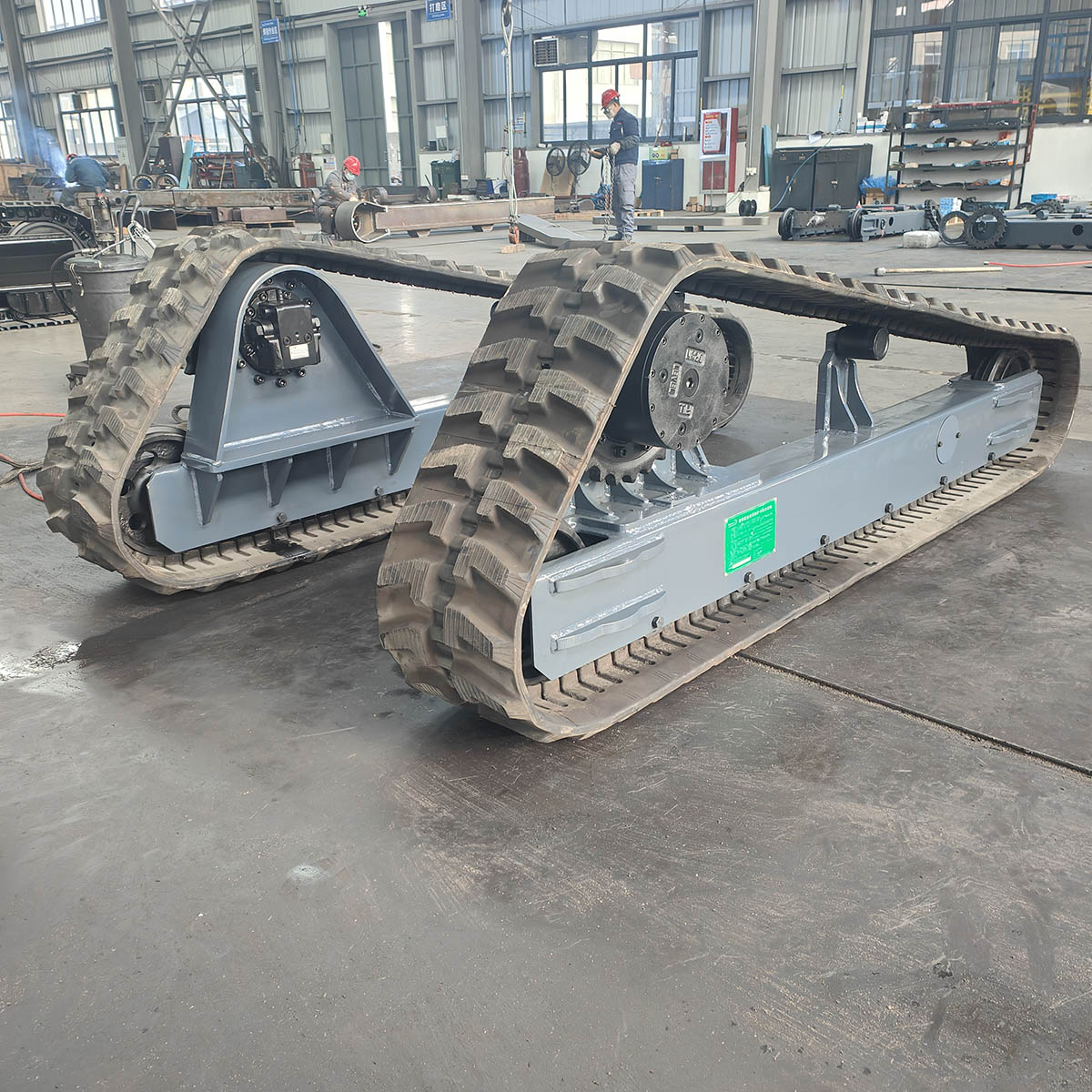
The front idler keeps the track aligned and works with the adjuster to maintain tension on the excavator undercarriage. Damage or severe wear at this point can quickly affect tracking and ride quality.[3]
- Inspect the idler tread surface for flat spots, sharp edges, or unusual wear patterns.[11]
- Check the flanges that guide the chain to ensure they are not excessively worn or chipped.[4]
The track adjuster is usually grease-charged and its operation is vital for overall excavator undercarriage health.[1]
- Look for leaks around the adjuster cylinder or cracked housings that might limit travel.[11]
- Verify that track tension responds when grease is added or released; lack of movement suggests internal failure.[14]
If the idler is pushed fully forward and tension is still loose, the chain may be stretched beyond limits and the excavator undercarriage likely needs component replacement.[2]
Rollers carry the machine's weight and keep the track in proper alignment along the excavator undercarriage. Because they rotate constantly, they are prime wear items.[5]
- Inspect bottom rollers for flat spots, heavily worn flanges, or areas where links contact the roller body.[11]
- Check carrier rollers for proper shape, seal condition, and signs of excessive wear or scoring.[10]
Lubrication and sealing are critical for roller performance on the excavator undercarriage.[14]
- Look for oil streaks or wet bands around roller ends, which indicate leaking seals and internal wear.[4]
- Spin rollers slowly by moving the track and listen for grinding, clicking, or rumbling noise.[12]
Replace heavily worn or leaking rollers promptly, because they can quickly damage chains and shoes on the excavator undercarriage if ignored.[6]
The sprocket transmits power from the final drive into the track chain and is a key wear indicator on any excavator undercarriage. Its tooth profile tells a clear story about chain and bushing condition.[4]
- Examine sprocket teeth for sharp points, hooked tips, and uneven spacing.[11]
- Check that sprocket segments are tight, properly aligned, and free from cracks or missing sections.[10]
Sprocket and chain wear interact; running a severely worn sprocket with a relatively new chain can destroy bushings quickly on the excavator undercarriage.[11]
- Inspect the final drive housing and seals for oil leaks, loose covers, or impact damage.[8]
- Listen for unusual noises from the final drive when travelling, especially under load or on turns.[9]
If final drive oil appears milky or contaminated during service, address that issue immediately to protect gears and bearings that support the excavator undercarriage drive system.[9]
Structural components of the excavator undercarriage support and protect rotating parts. Cracks, corrosion, or badly worn guards can lead to serious failures and derailments.[3]
- Inspect track frames for cracks along welds, mounting points, and high-stress corners.[9]
- Check for heavy corrosion or deep gouges from rocks and debris.[4]
Track guards and rock guards keep the chain aligned and protect rollers and links on the excavator undercarriage.[11]
- Look for excessive wear on the inside surfaces where the chain may have been rubbing.[4]
- Ensure guards are straight, properly fastened, and not interfering with normal track movement.[6]
Where repairs are welded, confirm that workmanship looks solid and that reinforcement plates do not interfere with other excavator undercarriage components.[9]
Beyond simple visual checks, measuring wear gives a more precise understanding of excavator undercarriage condition. Many fleets use standardized gauges or calipers to monitor component life.[14]
- Record dimensions like bushing diameter, roller tread diameter, and sprocket tooth height at specified locations.[13]
- Compare measurements to OEM “new” and “condemn” limits to calculate remaining life as a percentage.[14]
A structured rating system helps prioritize excavator undercarriage repairs.[9]
- Classify components as green (good), yellow (monitor), or red (replace) based on measured wear percentages.[12]
- Use service reports to plan downtime so components can be changed together for optimal cost and performance.[6]
Regular measurement and recording let you see how quickly the excavator undercarriage is wearing under particular ground conditions and operator habits.[9]
Documentation turns each inspection into actionable information about your excavator undercarriage fleet. Without records, it is difficult to predict failures or budget accurately.[9]
- Maintain a log for each machine showing operating hours, inspection dates, wear measurements, and replaced parts.[12]
- Capture clear notes on operating conditions such as rock, sand, clay, or demolition debris.[3]
Using simple spreadsheets or maintenance apps, contractors can track excavator undercarriage trends across multiple machines.[9]
- Compare wear rates between operators, jobsites, or track shoe types.[12]
- Use these insights to optimize shoe selection, undercarriage specification, and operator training for future machines.[6]
Thorough data records also help when evaluating trade-in values or remarketing equipment, because the excavator undercarriage is a major factor in resale.[10]
Good operation and regular care significantly lengthen excavator undercarriage life. Many of these practices cost nothing but attention and discipline.[2]
- Avoid unnecessary high-speed travel, especially on hard or rocky ground.[15]
- Minimize pivot turns on one track, which grind shoes and accelerate side wear on links and rollers.[2]
Daily cleaning and quick adjustments protect every part of the excavator undercarriage from accelerated wear.[1]
- Remove packed material at the end of the shift, particularly around rollers and behind sprockets.[6]
- Re-check track tension after working in deep mud or highly abrasive material.[2]
Operator training has a powerful impact on excavator undercarriage life.[12]
- Teach operators to use smooth, planned movements, avoiding constant direction changes and unnecessary tracking.[2]
- Emphasize proper machine positioning so most digging can be done without moving the tracks excessively.[15]
By combining smart operation with routine inspections, many contractors significantly reduce the annual cost of excavator undercarriage maintenance across their fleets.[6]
A thorough excavator undercarriage inspection on a track hoe goes far beyond a quick glance at the tracks. It requires systematic checks of track shoes, chains, rollers, idlers, sprockets, adjusters, frames, and guards, along with proper measurement and documentation of wear. By applying safe setup, consistent cleaning, careful visual examination, and scheduled replacement of worn components, contractors can extend undercarriage life, reduce downtime, and protect both productivity and resale value for every track hoe in the fleet.[3][1][2]
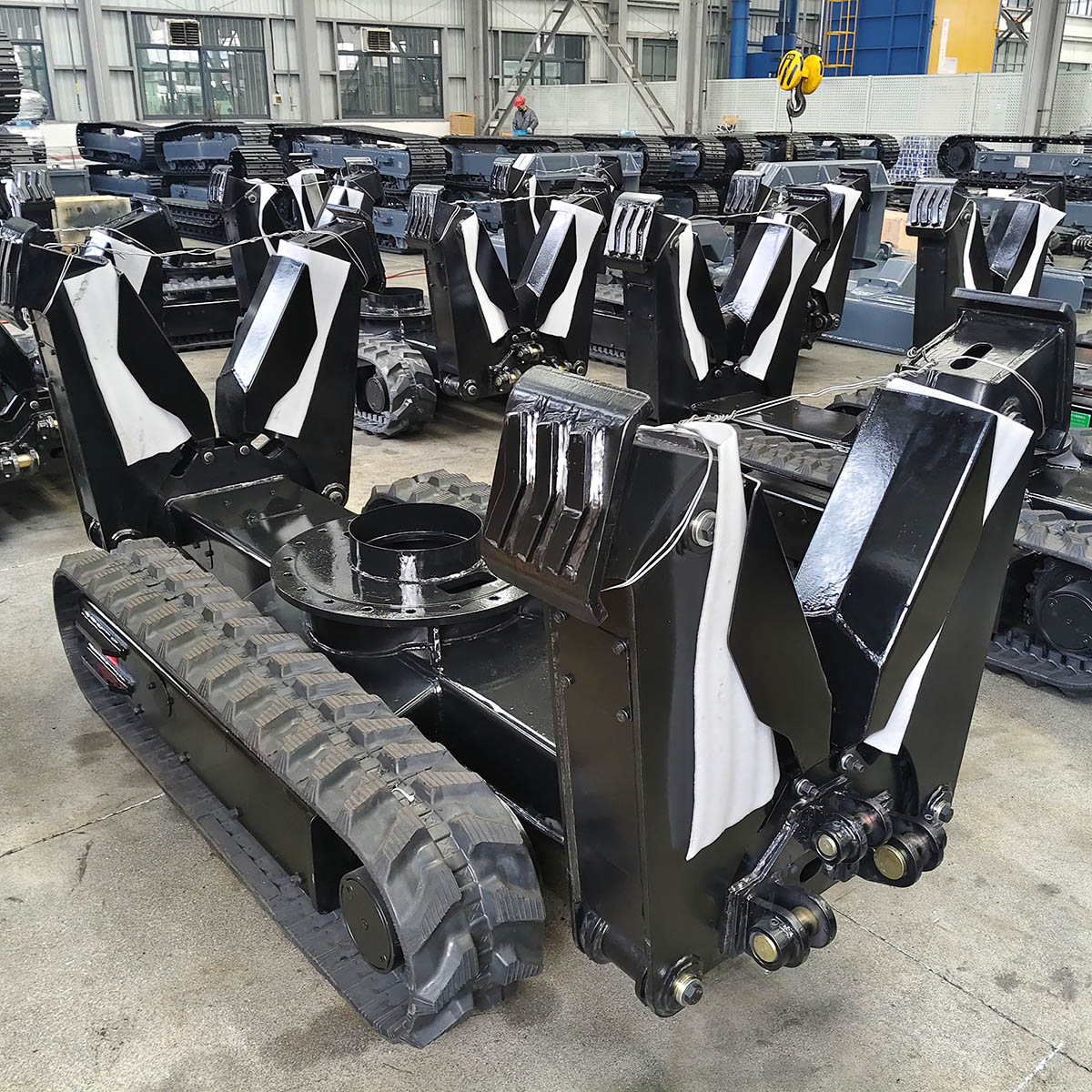
Routine visual checks of the excavator undercarriage should be done daily as part of the operator walkaround, especially in abrasive or rocky conditions. More detailed measurements of wear components are typically scheduled at regular service intervals or after a set number of operating hours recommended by the manufacturer.[8][2]
Common early signs include uneven track sag, shiny metal on roller or chain contact points, and increasingly pointed sprocket teeth on the excavator undercarriage. Operators may also notice the machine pulling to one side, increased vibration, or unusual noise when travelling.[8][11]
Track tension specifications vary by model, but each excavator undercarriage has a recommended sag measurement in the service manual. Tracks that are too tight accelerate wear on chains, rollers, and idlers, while tracks that are too loose can derail or hammer the undercarriage, so tension must be adjusted to the stated range.[14][2]
Replace sprockets when teeth become sharp, hooked, or irregular, because they will quickly damage the bushings and links in the excavator undercarriage. Chains and track groups should be replaced when pitch elongation, bushing wear, or link height loss reaches the OEM's maximum wear limits or when correct tension can no longer be maintained.[13][11]
Yes, operator technique strongly influences excavator undercarriage life because aggressive steering, high-speed travel, and constant turning on hard surfaces all increase wear. Training operators to use smooth movements, minimize unnecessary travel, and avoid digging while tracking can significantly reduce undercarriage maintenance costs.[15][12]
[1](https://www.stewartamoseqpt.com/blog/excavator-undercarriage-inspection-guide/)
[2](https://www.cat.com/en_US/articles/for-owners/what-to-know-about-excavator-undercarriage-maintenance.html)
[3](https://www.fortishd.com/blogs/repair/understanding-the-undercarriage-of-heavy-equipment)
[4](https://shop.equipmentshare.com/blogs/machine-maintenance/undercarriage-maintenance)
[5](https://www.ascendummachinery.com/excavator-undercarriage-the-hidden-key-to-peak-performance/)
[6](https://www.bobcatofpittsburgh.com/blog/essential-steps-for-maintaining-the-excavator-undercarriage--82316)
[7](https://www.conequip.com/part-diagram-excavator-undercarriage)
[8](https://heavyequipmentcollege.edu/how-do-you-perform-an-excavator-inspection/)
[9](https://heavyvehicleinspection.com/blog/post/undercarriage-maintenance-guide-heavy-machinery-professionals)
[10](https://hawkexcavator.com/excavator-undercarriage/)
[11](https://www.vematrack.com/en/blog-en/recognising-wear-undercarriage-parts/)
[12](https://www.rdoequipment.com/resources/blogs/what-you-need-to-know-about-undercarriage-inspections-for-heavy-equipment)
[13](https://www.youtube.com/watch?v=Hif9qgd9EEI)
[14](https://westsidetractorsales.com/wp-content/uploads/2020/01/West-Side-Tech-Tips-Issue-7.pdf)
[15](https://www.youtube.com/watch?v=6AlGSsDsiDQ)


