
Views: 222 Author: Robert Publish Time: 2026-01-13 Origin: Site


Installing a hydraulic winch requires more than securing the winch to a machine. The installation must coordinate the mounting structure, hydraulic circuit, rope path, control system and commissioning process. A properly installed hydraulic winch can then operate within its specified performance limits and working conditions.

A hydraulic winch uses pressurized hydraulic fluid to drive a hydraulic motor, which transfers torque through a drive system to rotate the drum and move the rope. For this reason, installation normally combines mechanical mounting, hydraulic integration and commissioning.
Mechanical installation includes securing the winch, checking the mounting structure, aligning the rope path and installing any required fairlead or guide components.
Hydraulic integration involves connecting the pressure, return and applicable drain lines, together with the control and safety components required by the winch design.
Final commissioning should verify system operation under controlled conditions before the machine is placed into normal service.
Pre-installation checks help identify structural, hydraulic and compatibility issues before fabrication or installation begins.
Confirm that the required line pull, rope capacity and duty cycle are suitable for the application.
Check that the available hydraulic flow and pressure are compatible with the selected hydraulic winch.
Inspect the mounting area for cracks, corrosion, previous repairs or deformation.
Review the winch manufacturer's installation instructions, mounting pattern and hydraulic circuit requirements.
Confirm adequate clearance for the drum, rope, hydraulic hoses and surrounding machine components.
The mounting structure transfers the pulling forces generated by the hydraulic winch into the machine chassis. The support structure therefore needs to be designed around the expected loads and the manufacturer's mounting requirements.
Position the winch on suitable structural members such as frame rails, cross members or reinforced mounting plates. The mounting design should account for the rated winch loads and the forces generated during actual operation.
The drum axis, fairlead and rope path should be aligned according to the winch manufacturer's requirements. Correct alignment helps reduce unwanted side loading and uneven rope spooling.
Fasteners, mounting plates, brackets and welds should be selected and installed according to the approved engineering design and the hydraulic winch manufacturer's specifications.
Lift and position the winch using approved lifting equipment suitable for its weight. Place it on the prepared mounting structure and check bolt-hole alignment, hose clearance and rope-path clearance.
Install the specified mounting fasteners and tighten them according to the manufacturer's instructions and the approved torque requirements. Ensure the winch base sits correctly against the mounting surface.
Position the fairlead so that the rope can enter and leave the drum within the operating angles specified for the winch.
Check the complete rope path and make sure the drum, frame, hoses and surrounding components have sufficient clearance throughout the operating range.
Once the mechanical mounting is complete, the winch must be connected to a hydraulic circuit that provides the required flow and pressure. The exact connection arrangement depends on the winch design and the host machine's hydraulic system.
A hydraulic winch may be connected to a dedicated hydraulic power unit or to an existing auxiliary circuit when the available system conditions match the winch specifications.
Identify the pressure, return and applicable drain ports.
Select hoses and fittings rated for the required operating pressure and flow.
Route hoses away from sharp edges, pinch points, excessive heat and moving components.
Verify the hydraulic connection arrangement against the manufacturer's circuit diagram.
Depending on the winch configuration, the hydraulic circuit may include directional control, pressure relief, counterbalance or over-center functions and brake-release control. These components should be selected and configured according to the winch manufacturer's requirements.
Rope installation affects spooling, traction and the working behavior of the winch. The rope diameter, construction, minimum breaking load and attachment method should be matched to the winch specification.
Select a rope that meets the winch manufacturer's specified requirements.
Secure the rope to the drum using the approved attachment method.
Wind the first layers evenly and maintain appropriate tension during installation.
Inspect the completed winding pattern before applying an operating load.
Hydraulic winch installation involves stored hydraulic energy, rotating machinery and potentially heavy suspended or pulled loads. Installation and testing should therefore be carried out by appropriately trained personnel using the applicable machine and winch procedures.
Isolate the machine and release stored hydraulic pressure before opening hydraulic lines or fittings.
Use appropriate personal protective equipment.
Keep personnel away from the drum, rope path and other moving components during operation.
Establish an appropriate exclusion zone during controlled testing.
Stop the test immediately if abnormal movement, leakage, noise or other unexpected behavior occurs.
Commissioning confirms that the installed hydraulic winch, mounting structure and hydraulic system operate together as intended.
| Stage | What to Check |
|---|---|
| Visual Inspection | Mounting bolts, structure, hoses, fittings, rope path and clearances |
| No-Load Test | Rotation direction, smooth operation and control response |
| Controlled Load Test | System behavior, structural movement, hydraulic performance and abnormal conditions |
| Documentation | Record approved test results and any required adjustments |
The final testing sequence and allowable test conditions should always follow the winch manufacturer's manual and the applicable machinery requirements.

Correct operation after installation helps protect the rope, hydraulic system and mounting structure.
Avoid sudden shock loading where the application and manufacturer's instructions prohibit it.
Maintain a suitable rope path and avoid unnecessary side loading.
Monitor the hydraulic system for abnormal temperature, noise, leakage or response.
Keep the rope properly wound on the drum during operation.
Regular maintenance helps identify problems before they develop into equipment downtime or larger repairs.
Inspect hoses, fittings and seals for leakage or damage.
Check the rope for wear, corrosion, broken wires, deformation or other signs identified in the applicable inspection standard.
Inspect mounting fasteners, brackets, plates and welds according to the maintenance schedule.
Service the hydraulic system according to the host machine and winch manufacturer's maintenance requirements.
Installation drawings, hydraulic diagrams, operating instructions and inspection records should be retained with the machine documentation.
Operators and maintenance personnel should be familiar with the control system, operating limits, inspection requirements and emergency procedures specified for the installed hydraulic winch.
The hydraulic winch should be selected according to required line pull, rope capacity, line speed, hydraulic pressure, hydraulic flow, mounting dimensions and duty cycle.
Installing a hydraulic winch requires coordinated mechanical, hydraulic and commissioning work. The mounting structure, hydraulic circuit, rope installation and safety controls should all be designed around the specific winch and machine configuration. Following the manufacturer's installation documentation, verifying the system before operation and maintaining the winch according to the specified schedule can help support reliable operation in demanding applications.
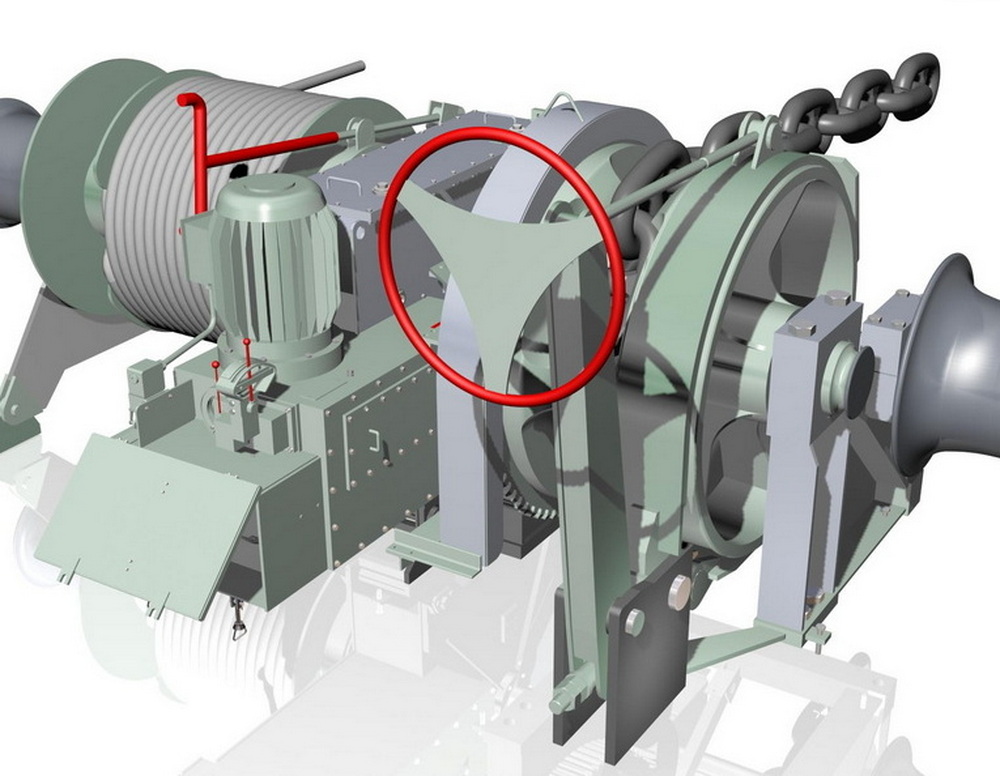
The required information normally includes line pull, line speed, rope capacity, duty cycle, available hydraulic pressure and flow, mounting dimensions and the intended application. The final specification should be confirmed against the winch manufacturer's documentation.
A hydraulic winch should be mounted on a structure capable of transferring the required loads into the machine chassis. The mounting arrangement and allowable forces should follow the specific winch and machine design requirements.
In some applications, an existing hydraulic circuit can power a new winch when the available flow, pressure and control arrangement meet the winch requirements. This compatibility should be confirmed before installation.
The rope should be selected and attached according to the winch manufacturer's specified rope type, attachment method and drum requirements. Initial winding should be controlled so that the rope forms stable, even layers on the drum.
Testing should be carried out by trained personnel using an appropriate exclusion zone and following the manufacturer's commissioning procedure. Personnel should remain clear of moving components and the loaded rope path, and testing should stop immediately if abnormal movement, leakage, noise or other unexpected conditions are observed.


