
Views: 222 Author: Robert Publish Time: 2026-01-13 Origin: Site


Content Menu
● What Is a Hydraulic Winch Power System?
● Main Components Needed to Power a Hydraulic Winch
>> Prime mover and hydraulic pump
>> Reservoir, filtration, and cooling
>> Hydraulic motor and winch drum
● Power Options for a Hydraulic Winch System
>> Vehicle power steering based hydraulic winch
>> Independent hydraulic power pack for a hydraulic winch
>> Ship and offshore winch hydraulic systems
● Step‑by‑Step: How to Power a Hydraulic Winch System
>> 1. Define hydraulic winch performance
>> 2. Select pump, motor, and power pack
>> 3. Design the hydraulic circuit to the winch
>> 4. Route hoses and connect to the hydraulic winch
>> 5. Fill, bleed, and test the hydraulic winch circuit
● Safety, Control, and Optimization Tips
>> Safety devices for a hydraulic winch system
>> Control strategies for smooth hydraulic winch operation
>> Maintenance of the hydraulic winch power system
● Application Examples for Hydraulic Winch Power Systems
>> Tracked undercarriages with hydraulic winch drives
>> Industrial lifting and positioning
>> Marine and offshore operations
● FAQ About Powering a Hydraulic Winch System
>> 1. How much power is needed to drive a hydraulic winch?
>> 2. Can one power pack run multiple hydraulic winch units?
>> 3. Is a vehicle steering pump enough to power a hydraulic winch?
>> 4. Why choose a hydraulic winch instead of an electric winch?
>> 5. What maintenance does the hydraulic winch power system require?
Powering a hydraulic winch system means selecting and integrating the right hydraulic power source, pump, valves, and controls so the hydraulic winch can deliver safe and reliable line pull under real‑world loads. A well‑designed hydraulic winch power system increases efficiency, reduces downtime, and helps your customers use Kemer hydraulic winch products to their full potential.[1][2]
A hydraulic winch power system converts mechanical energy from an engine or electric motor into pressurized oil that drives the hydraulic motor on the hydraulic winch drum. Pressurized fluid flows through control valves to the hydraulic winch, providing torque for hoisting, pulling, or holding loads in harsh working conditions.[3][1]
In practical terms, the hydraulic winch power system links three functional blocks: the prime mover, the hydraulic power pack, and the hydraulic winch assembly. When these are correctly matched, the hydraulic winch can operate with stable speed, controlled torque, and excellent thermal performance under continuous duty.[2][1]

A stable, long‑life hydraulic winch installation depends on the correct selection and sizing of each component in the hydraulic power chain. For OEMs and system integrators, understanding these parts makes it easier to match a Kemer hydraulic winch with the right hydraulic power pack or vehicle hydraulic system.[1][2]
The prime mover provides the shaft power to drive the hydraulic pump that feeds the hydraulic winch.[1]
- Typical prime movers include truck engines with PTOs, industrial diesel engines, and electric motors.
- Pump types used to power a hydraulic winch include gear, vane, and piston pumps, selected according to pressure, duty cycle, and cost.[4]
- The pump must deliver sufficient flow for the target hydraulic winch line speed at the necessary working pressure, with a margin for system losses.[2]
A correctly sized pump prevents excessive heating and avoids starving the hydraulic winch motor during peak demand. Oversized pumps waste energy and force more oil through relief valves, while undersized pumps limit hydraulic winch speed and power.[5][4]
Clean, cool oil keeps the hydraulic winch operating reliably in continuous duty applications.[1]
- The reservoir stores fluid, allows air to separate, and provides dwell time for heat dissipation before oil returns to the hydraulic winch circuit.[1]
- Suction and return filters capture contaminants that could damage the hydraulic winch motor, valves, and pump.[4]
- Coolers, either air‑oil or water‑oil, are recommended where the hydraulic winch runs for long periods near rated load, especially in hot climates or confined machine rooms.[6]
Correct reservoir sizing and filtration design are essential for a high‑reliability hydraulic winch installation. When oil stays clean and within the recommended temperature band, internal wear on the hydraulic winch motor and related components is dramatically reduced.[6][1]
Valves direct, limit, and modulate oil flow to the hydraulic winch motor.[1]
- Directional control valves switch the hydraulic winch between haul‑in, neutral, and pay‑out, often using spring‑centered or detented spools.[7]
- Pressure relief valves protect the hydraulic winch system from overload by diverting flow when pressure exceeds a safe limit.[4]
- Flow control or proportional valves fine‑tune line speed so the hydraulic winch can move loads smoothly and accurately.[2]
In advanced designs, valves may be built into a compact manifold mounted near the hydraulic winch. This reduces hose runs, lowers pressure losses, and simplifies maintenance compared with many separate components.[5][2]
The hydraulic motor converts fluid power back into mechanical rotation to turn the hydraulic winch drum.[3]
- Common motor options for a hydraulic winch are orbit motors and axial piston motors.[3]
- Motor displacement and drum diameter together determine the torque and line speed that the hydraulic winch can deliver for a given pressure and flow.[2]
- Integrated brakes and over‑center valves help secure loads and control overrunning conditions, providing safer operation for the hydraulic winch.[8]
Matching the hydraulic motor to the application can dramatically change the behavior of the hydraulic winch. High displacement motors give strong pull at lower speeds, while smaller displacement motors favor higher line speed at the same pump flow.[4][2]
Different applications power the hydraulic winch from different hydraulic sources, depending on mobility, duty cycle, and available infrastructure. Selecting the right option is essential for balancing cost, performance, and integration complexity.[9][2]
In off‑road and recovery vehicles, the hydraulic winch is often powered from the existing power steering circuit.[10]
- Pressurized oil from the steering pump is routed through additional plumbing to the hydraulic winch motor while still serving the steering gear.[10]
- As long as the engine runs, the hydraulic winch can deliver long, continuous pulls without battery drain, outperforming many electric winches in duty cycle.[10]
- Flow‑sharing or priority valves are normally added so steering retains priority when both steering and the hydraulic winch demand flow.[4]
This configuration keeps installation compact and cost‑effective for light and medium duty recovery hydraulic winch systems. For heavier pulls, a dedicated pump or upgraded steering pump is often required to maintain performance and steering safety.[10]
Marine, industrial, and mobile crane applications frequently use a dedicated hydraulic power pack to feed the hydraulic winch.[1]
- A power pack typically integrates an electric or diesel motor, pump, reservoir, filters, and major valves within a single skid‑mounted assembly.[1]
- Electric drive suits fixed installations or sites with grid power, while diesel power packs offer autonomy in remote or mobile hydraulic winch applications.[1]
- A single power pack can operate one or several hydraulic winch units, and can also drive cylinders or rotary actuators on the same machine.[2]
Independent power packs provide strong control over contamination, temperature, and performance of the hydraulic winch system. They also simplify OEM packaging because the hydraulic winch only requires hose connections and control wiring to a standardized power module.[11][1]
Mooring, anchor‑handling, and towing winches on ships are usually powered from central or local hydraulic systems.[11]
- High‑capacity pumps and large reservoirs are used to support continuous, heavy‑duty hydraulic winch operation in demanding sea conditions.[11]
- Complex manifold valves and control systems coordinate multiple drums, allowing synchronized or independent control of several hydraulic winch units.[9]
- Robust cooling, filtration, and monitoring systems are essential to maintain reliability and safety during long voyages and harsh weather.[12]
In these environments, the hydraulic winch is typically integrated into the vessel's overall hydraulic architecture rather than treated as a stand‑alone accessory. This integration allows power sharing but requires careful design to avoid conflicts between different hydraulic consumers.[9][2]

The following steps describe how to design and connect a hydraulic power source to a hydraulic winch safely and efficiently.[2]
Start by defining the duty that the hydraulic winch must perform.[2]
- Rated line pull on the first drum layer, including safety factors and peak load cases.
- Desired line speeds for both hauling‑in and paying‑out under various load levels.[2]
- Overall duty cycle: intermittent use, frequent cycling, or continuous heavy operation.[5]
From these data, engineers calculate the required motor torque, speed, and consequently the pressure and flow that the hydraulic winch system must supply. This performance envelope guides every subsequent component choice in the hydraulic winch power system.[4][2]
With performance targets defined, select a pump and motor combination that can deliver them efficiently.[1]
- Verify that the pump can generate the required flow at working pressure without exceeding the prime mover's power capacity.[1]
- Choose a hydraulic motor displacement and gear ratio suited to the hydraulic winch drum size and torque requirement.[3]
- For integrated power packs, check that the reservoir volume and cooling capacity match the expected thermal load of the hydraulic winch.[1]
Where multiple hydraulic winch units share one power pack, worst‑case simultaneous demand should be considered instead of single‑winch duty. This prevents power shortfalls and ensures each hydraulic winch can reach its rated pull when necessary.[2]
The hydraulic circuit links the power pack to the hydraulic winch and determines safety and controllability.[2]
- Select directional valves with spool functions suited to the hydraulic winch (for example, closed center, open center, or float in neutral).[7]
- Add a properly set main relief valve and, where appropriate, secondary reliefs to protect the hydraulic winch and hoses.[4]
- Integrate counterbalance or over‑center valves near the hydraulic winch motor when loads can overrun, such as vertical lifting or shipboard mooring.[8]
Accurately sized hoses, minimal pressure loss, and a logical, compact layout help the hydraulic winch respond quickly and predictably. Designs that keep high‑pressure lines short and rigid near the hydraulic winch motor also improve dynamic behavior.[5][2]
Safe hose routing is vital for both operator safety and long‑term system reliability.[13]
- Use hoses and fittings with pressure ratings significantly above the maximum system relief setting for the hydraulic winch circuit.[13]
- Avoid tight bends, twisting, contact with sharp edges, and exposure to extreme heat around the hydraulic winch and chassis.[13]
- Secure hoses with clamps and guards where they pass near moving parts to reduce fatigue and abrasion.[13]
Correct labeling of ports and lines simplifies commissioning and later service on the hydraulic winch. Clear identification of pressure, return, case drain, and auxiliary lines helps technicians avoid cross‑connections and testing errors.[7][13]
Before the hydraulic winch is used under full load, the system must be flushed, filled, and tested.[1]
- Fill the reservoir with the specified hydraulic oil, then run the pump at low speed to circulate fluid through filters and the hydraulic winch loop.[1]
- Bleed trapped air from high points, the hydraulic winch motor casing, and valve blocks to minimize cavitation and spongy response.[4]
- Gradually increase the load, monitoring pressure, temperature, and speed to confirm that the hydraulic winch meets design expectations.[8]
Recording test data during commissioning creates a performance baseline for the hydraulic winch system. Later, deviations from this baseline can help diagnose wear, contamination, or adjustment problems in the hydraulic winch power train.[5][2]
Correctly powering a hydraulic winch system also requires attention to safety and controllability, not just raw power. Smart engineering choices reduce risk and improve the operator's ability to handle difficult loads with the hydraulic winch.[9][2]
Hydraulic winch systems should incorporate multiple safety layers.[9]
- Main relief valves limit peak system pressure, and additional reliefs may protect specific branches feeding the hydraulic winch.[4]
- Load‑holding brakes and counterbalance valves prevent uncontrolled descent or back‑driving when the hydraulic winch stops.[8]
- Emergency stop devices and dump valves allow rapid depressurization of the hydraulic winch circuit if a fault or hazard appears.[13]
Proper safety design helps the hydraulic winch comply with local regulations and industry standards in construction, marine, or mining applications. These features also protect expensive equipment from overload‑related damage.[13][4]
Smooth control is critical when the hydraulic winch handles delicate or high‑value loads.[2]
- Proportional valves, load‑sensing pumps, or variable displacement pumps can provide fine speed control for the hydraulic winch across a wide load range.[4]
- Joystick consoles, radio remote controls, or integrated control panels give operators intuitive command over the hydraulic winch.[9]
- Sensors on pressure, position, and speed can feed into electronic control units to automate or synchronize multi‑drum hydraulic winch systems.[2]
Such control strategies reduce shock loads, improve positioning accuracy, and increase productivity when using the hydraulic winch. They are especially valuable on cranes, offshore equipment, and specialized tracked carriers.[5][2]
Regular maintenance keeps the hydraulic winch power pack and circuit performing as designed.[1]
- Routine inspection of hoses, seals, and fittings identifies leaks or wear before they escalate into failures near the hydraulic winch.[13]
- Scheduled filter changes and oil analysis help maintain fluid cleanliness and reveal early signs of internal wear in the hydraulic winch system.[1]
- Periodic function checks of brakes, valves, and protection devices confirm that the hydraulic winch can still operate safely.[13]
A documented maintenance plan tailored to duty cycle and environment greatly extends the service life of the hydraulic winch system. Many operators adopt condition‑based maintenance strategies to optimize downtime and parts usage.[12][6]
Real‑world examples help clarify how different industries power and use hydraulic winch systems. These scenarios also highlight how Kemer solutions can be adapted to diverse global markets.[5][2]
On tracked undercarriages, a compact hydraulic power pack often feeds both travel drives and a dedicated hydraulic winch.[2]
- The hydraulic winch assists with loading, anchoring, or stabilizing the tracked machine in rough terrain.[2]
- Integrated control logic coordinates the hydraulic winch with travel motors so operators can maneuver and handle loads simultaneously.[5]
In factories, yards, and workshops, fixed or mobile frames often carry a hydraulic winch for lifting, pulling, or positioning loads.[2]
- Electric motor‑driven power packs offer quiet, clean energy for the hydraulic winch.[1]
- The hydraulic winch can be equipped with precise speed control and overload monitoring to protect both products and structures.[2]
Ships and offshore platforms rely extensively on hydraulic winch systems for anchoring, towing, and handling subsea equipment.[9]
- Centralized or distributed hydraulic systems power multiple hydraulic winch drums, cranes, and capstans across the vessel.[9]
- Redundant pumps, dual circuits, and advanced monitoring are common to ensure continuous operation in critical hydraulic winch tasks.[12]
These application cases demonstrate the flexibility of hydraulic winch technology and the importance of a correctly engineered power system. By tailoring pump size, control philosophy, and safety features, Kemer can deliver hydraulic winch solutions optimized for each sector.[5][2]
Powering a hydraulic winch system correctly begins with a clear understanding of required line pull, speed, and duty cycle, and continues with careful selection of pumps, motors, valves, and controls. When prime movers, power packs, and circuits are properly matched, a hydraulic winch delivers strong torque, stable speed, and long service life in challenging environments from off‑road recovery to marine and industrial lifting.[2][1]
A clean, well‑cooled fluid loop combined with robust safety devices and precise control valves allows the hydraulic winch system to work continuously with minimal downtime. By following sound engineering principles in sizing, routing, commissioning, and maintenance, OEMs and operators can unlock the full potential of Kemer hydraulic winch products across global applications.[6][2]
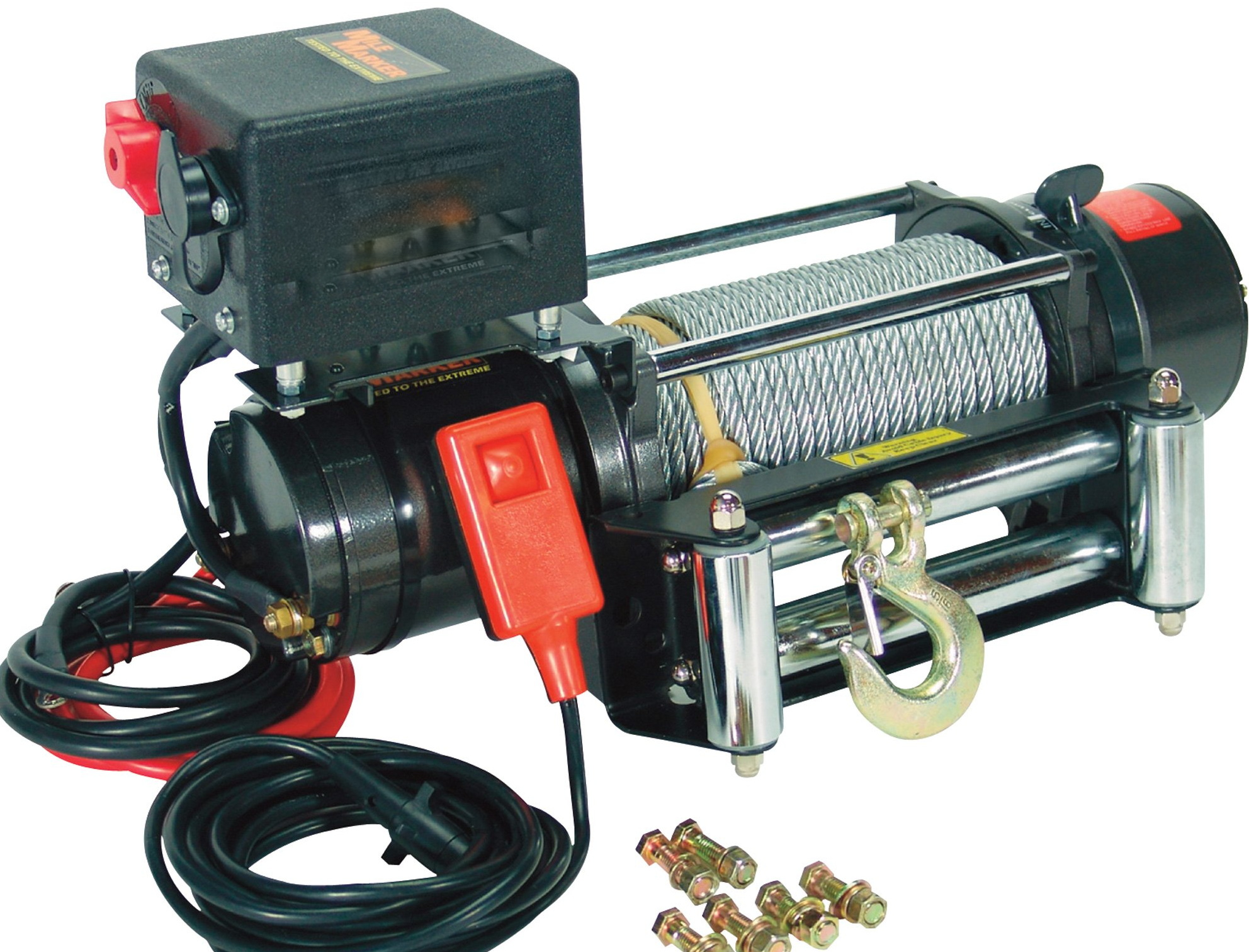
The power requirement depends on the desired line pull and speed of the hydraulic winch, as well as overall system efficiency. Higher pull and higher speed demand more pump flow and pressure, so the engine or electric motor driving the pump must provide sufficient reserve power to avoid stalling or overheating during heavy use of the hydraulic winch.[4][2]
Yes, a properly sized hydraulic power pack can feed several hydraulic winch drums or auxiliary actuators at the same time. Designers must calculate simultaneous flow and pressure demands, then select pumps and manifold valves large enough to supply each hydraulic winch without excessive pressure drop or overload.[1][2]
For many off‑road recovery vehicles, the original power steering pump can power a single hydraulic winch if its displacement and pressure rating are adequate. When the pump is undersized, steering may weaken and the hydraulic winch will run slowly or fail to reach rated pull, so heavy‑duty builds often use an upgraded or dedicated pump for the hydraulic winch.[10]
A hydraulic winch typically offers much better continuous duty capability than an electric winch because it relies on engine or motor drive rather than battery capacity. Hydraulic systems also enable smoother proportional control and easier integration with other hydraulic functions, making the hydraulic winch attractive for construction, marine, and industrial equipment.[3][9]
The hydraulic winch power system requires routine inspection of hoses, fittings, and seals, along with scheduled filter replacement and oil condition checks. Regularly testing brake performance, valve response, and relief settings ensures the hydraulic winch continues to operate safely and reliably under rated loads.[13][1]
[1](https://ie-g.com/understanding-hydraulic-power-packs-components-functionality-and-applications/)
[2](https://avestaconsulting.net/blogs/designing-hydraulic-winching-systems-2/)
[3](https://landmarktools.com/blogs/guides/how-does-a-hydraulic-winch-work)
[4](https://yuken-usa.com/pdf/special/Basic_Hydraulic_And_Components_(Pub._ES-100-2)_.pdf)
[5](https://zhihete.com/new-post/)
[6](https://www.orionehydropower.in/hydraulic-power-pack-working-principle-uses/)
[7](https://www.tu.biz/video-blog/english/how-does-a-hydraulic-winch-work)
[8](https://iris.polito.it/retrieve/e384c431-3103-d4b2-e053-9f05fe0a1d67/1.5138868.pdf)
[9](https://www.linkedin.com/pulse/how-hydraulic-power-supplied-mooring-winch-aicranegroup-gltsc)
[10](https://apollooffroad.com/blogs/default-blog/blog-how-does-a-hydraulic-winch-work)
[11](http://hydraulicsystemcn.com/2-4-winch-hydraulic-power-unit.html)
[12](https://learn.marineinsight.com/eBooks/hydraulics-electro-hydraulics-hydraulic-pumps-and-the-power-pack-on-ships-vol-1/)
[13](https://manuals.interlinksupply.com/Surface%20Prep%20Manuals/BLASTRAC%20MANUALS/Hydraulic%20Winch%20Manual%20for%20EBE.pdf)


