
Views: 222 Author: Robert Publish Time: 2026-01-13 Origin: Site


Content Menu
● Know the DP 608 Hydraulic Winch Layout
● Safety and Preparation Before Disassembly
● Cleaning the DP 608 Hydraulic Winch Exterior
● Labeling and Disconnecting Hydraulic and Control Lines
● Supporting and Removing the DP 608 from Its Mount
● Removing the Rope and Drum‑End Hardware
● Separating the End Support and Tie Rods
● Removing the Hydraulic Motor and Any Bolt‑On Valves
● Understanding the DP Spring‑Applied Brake
● Opening the Brake Housing Safely
● Removing Brake Piston, Discs, Plates, and Springs
● Disassembling the Drum, Shaft, and Bearing Assemblies
● Initial Inspection While Disassembling
● Cleaning and Organizing DP 608 Components
● Planning for Rebuild and Reassembly
● When to Involve a Specialist Service Provider
● FAQ
>> 1. How long does it take to completely take apart a DP 608 hydraulic winch?
>> 2. Can one person safely disassemble a DP 608 hydraulic winch alone?
>> 3. Do I need to replace all seals and bearings every time I take apart the hydraulic winch?
>> 4. What should I do if the brake housing feels stuck while I am loosening it?
>> 5. Is it necessary to document each step while taking apart the DP 608 hydraulic winch?
Taking apart a DP 608 hydraulic winch is a critical maintenance task that prepares the unit for repair, rebuild, or complete overhaul. A clear, step‑by‑step process helps protect technicians, prevents component damage, and ensures that every part of the hydraulic winch can be reassembled correctly and safely.
Before starting any mechanical work, understand the basic architecture of the DP 608 hydraulic winch so each step of disassembly has a clear purpose. The DP 608 hydraulic winch typically combines a hydraulic motor, spring‑applied brake, planetary reduction, drum, and structural frame into a compact assembly designed for heavy‑duty recovery and industrial use.
Key elements you will encounter inside the DP 608 hydraulic winch:
- Hydraulic motor with splined or keyed shaft driving the winch input.
- Spring‑applied, hydraulically released multiple‑disc brake mounted close to the motor end.
- Drum supported by bearings and tied between end supports with long tie rods.
- Gear train or direct drive components that connect the brake to the drum.
- Mounting frame or base used to attach the hydraulic winch to the truck, trailer, or equipment.
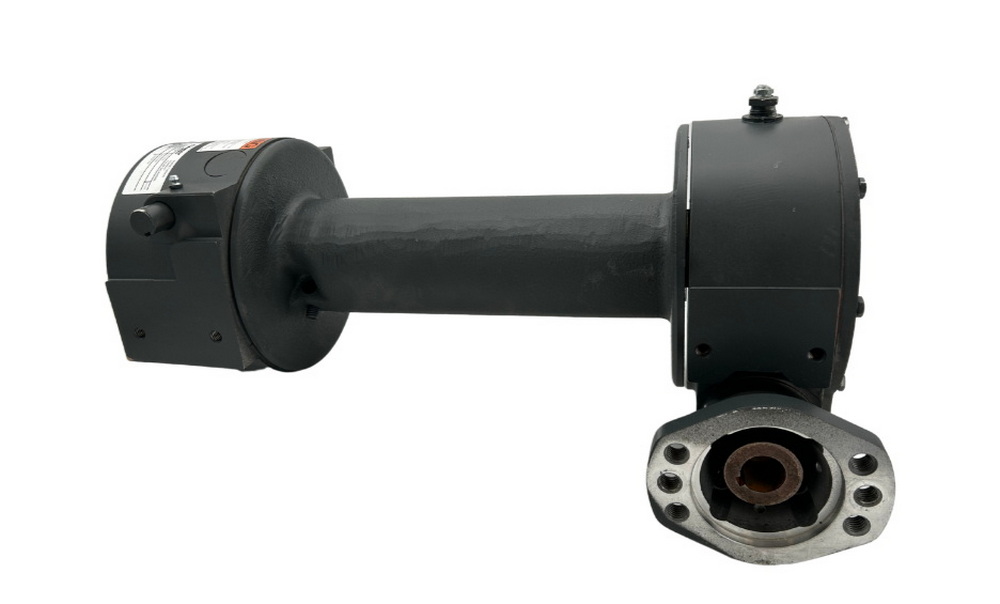
The DP 608 hydraulic winch stores energy in hydraulic pressure, springs, and the wound rope, so preparation and safety are non‑negotiable. A safe work environment, correct tools, and strict procedures reduce the chance of injury and protect the hydraulic winch from accidental damage during teardown.
Essential preparation steps:
- Park the vehicle or equipment on level ground, apply parking brakes, and secure any suspended loads so the hydraulic winch is not holding tension.
- Shut down engines and power packs, remove ignition keys, and isolate all power sources.
- Move winch controls to neutral and confirm that the hydraulic system has lost pressure before touching any hoses or fittings.
- Unwind and relax the rope on the hydraulic winch drum as much as possible so no stored line tension remains.
- Prepare lifting gear, stands, and slings rated comfortably above the hydraulic winch weight and any heavy subassemblies.
Cleaning the outside of the DP 608 hydraulic winch before opening it helps keep internal components free from dirt and grit. This simple step significantly improves the quality of any subsequent rebuild, because abrasive particles are less likely to enter bearings, brake plates, or hydraulic cavities.
Good cleaning practices for a hydraulic winch:
- Brush off mud, sand, and hardened grease from the brake housing, tie rods, drum ends, and motor flange.
- Degrease around the hydraulic ports and hose connections so you can later see whether any new leaks appear after reassembly.
- Clean bolt heads and joint lines where housings meet so tools can grip correctly and seal edges are easy to identify.
Once the hydraulic winch is clean and depressurized, disconnect hydraulic and control lines in an organized way. Correct labeling ensures that when the DP 608 hydraulic winch is reinstalled, hoses and controls are reconnected without confusion.
Recommended steps:
- Tag each hose with both function (pressure, return, case drain) and port location on the hydraulic winch motor or valve block.
- Loosen fittings slowly to relieve any residual drips and direct fluid into containers to avoid spills.
- Cap or plug both ends of open lines to keep dust out of the hydraulic system.
- Disconnect any electrical connectors that feed solenoid valves, sensors, or interlocks associated with the hydraulic winch.
If the DP 608 hydraulic winch will be fully stripped, it is usually safer to remove it from the equipment and move it onto a workbench or stands. Proper support and lifting prevent damaging stresses on the hydraulic winch housing and mounting frame.
Guidelines for removal:
- Attach appropriate lifting eyes or slings to designated points on the hydraulic winch frame or as recommended by the manufacturer.
- Take the load of the DP 608 hydraulic winch with a hoist or crane before loosening mounting bolts.
- Remove mounting capscrews or pins evenly, making sure the frame does not twist or hang on a single remaining fastener.
- Lower the hydraulic winch onto sturdy blocks or stands that support both ends of the drum and allow access around the brake and motor.
With the DP 608 hydraulic winch on a bench or stands, the next step is to remove the rope and expose the drum and end supports. This provides clear access to the internal support and drive parts.
Typical procedure:
- Fully unwind the rope and either discard it if it is due for replacement or carefully coil it away from the work area.
- Remove rope anchor hardware from the drum barrel, noting whether it uses a wedge, clamp, or bolt‑on termination.
- Inspect the drum surface for grooves, corrosion, or impact damage as the rope comes off, because these defects may later influence repair decisions.
On a DP‑type hydraulic winch, long tie rods often clamp the drum and end supports together. These must be released in a controlled manner to avoid stress and deformation in the hydraulic winch structure.
Disassembly steps:
- Loosen tie rod nuts gradually in a star or cross pattern so the load is removed evenly from the end support.
- Remove nuts and washers, then carefully slide out tie rods or leave them supported while lifting the end support free.
- Mark the orientation of the end support relative to the frame and drum so you know exactly how it must be reinstalled later.
- Store fasteners and spacers in labeled containers to keep the hydraulic winch hardware organized.
To get inside the input end of the DP 608 hydraulic winch, the hydraulic motor must be removed from the brake or gearbox interface. This step exposes the splines, keys, and seal surfaces.
Key points:
- Confirm that all hydraulic lines and electrical connectors to the motor are already removed and capped.
- Remove the motor mounting capscrews in a criss‑cross pattern to avoid cocking the motor on the alignment shoulder.
- Pull the motor straight back so the shaft clears the coupling or spline without scoring the seal lips.
- Inspect the motor shaft for wear or corrosion and set the motor aside in a clean, protected area.
If a counterbalance valve or manifold is mounted directly on the motor, remove it as a unit according to its own instructions so small components are not lost.
Inside the DP 608 hydraulic winch input is a spring‑applied, hydraulically released multiple‑disc brake. This brake holds the load when controls are in neutral and releases when hydraulic pressure is applied. Because many strong springs are compressed inside the brake housing, the unit must be opened carefully.
Key characteristics of this brake type:
- Large compression springs apply clamping force in the absence of hydraulic pressure.
- Hydraulic pressure to the brake port pushes a piston that compresses the spring stack and frees the drum to rotate.
- Steel plates and friction discs form the torque‑transmitting stack that locks or releases the hydraulic winch drum.
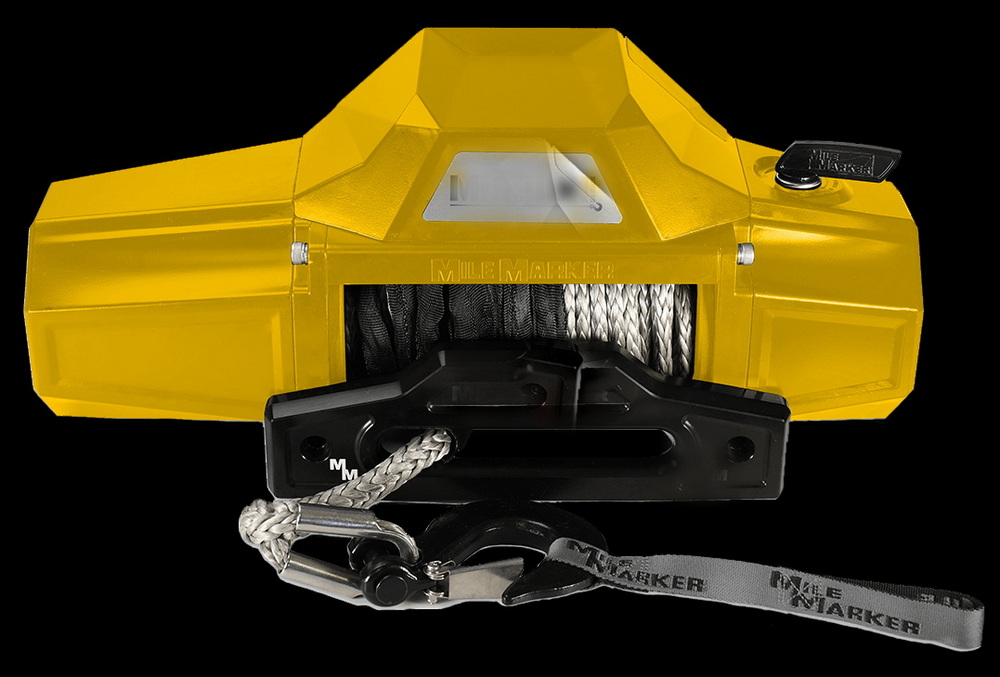
The most critical single step in taking apart the DP 608 hydraulic winch is loosening the brake housing or cover that compresses the springs. This must be done in small, even increments and with full awareness of the spring load.
Safe method:
- Identify the capscrews that clamp the brake housing to the main body, and clean threads and heads so tools seat securely.
- Mark the relative position of the housing and body, which will help with alignment during reassembly.
- Loosen each capscrew a small and equal amount in a circular or star pattern around the housing.
- Continue backing off the bolts gradually until the spring load is fully relaxed and the housing can be removed without jumping or tilting.
- Lift off the housing carefully, being prepared for residual oil or small parts that may be inside.
Once the brake housing is off, the internal components of the brake can be removed and laid out in order. Patience and organization at this stage make reassembly of the hydraulic winch much easier.
Steps to strip the brake:
- Note and photograph the initial arrangement of springs, discs, and plates before disturbing them.
- Remove the large springs, storing them where they cannot roll away or get mixed up.
- Take out the stack of friction discs and steel plates, keeping them in sequence so you know the alternating pattern.
- Withdraw the brake piston from its bore using approved methods, taking care not to scratch the sealing surfaces.
- Remove all O‑rings and back‑up rings from grooves in the piston and housing and keep them tagged for comparison with new parts.
With the brake removed, the remaining core of the DP 608 hydraulic winch includes the drum, main shaft, and bearing supports. Taking these apart exposes the structural and rotating elements that carry load.
Typical sequence:
- Slide the drum off its bearings and shaft if the design allows removal in one direction; in other cases, withdraw the shaft first according to service information.
- Remove locking devices, nuts, or retaining rings that secure bearings and internal shoulders.
- Press or draw bearings off shafts and out of housings using suitable pullers or presses so seating surfaces are not damaged.
- Check for shims that control drum end‑play or shaft preload and keep them identified with their original positions.
During disassembly, many faults can be identified immediately, helping you decide the scope of repair required for the hydraulic winch. Making notes at this stage prevents details from being forgotten later.
Important checks:
- Look for discoloration, bluing, or scoring on shafts and bearing surfaces that indicate overheating or poor lubrication.
- Inspect friction discs and plates for uneven wear, cracking, or contamination with burnt oil.
- Check the drum barrel and flanges for cracks, deep grooves, or distortion where the rope spools.
- Examine the interior of housings for metal particles or sludge that might hint at previous catastrophic wear.
After the DP 608 hydraulic winch is fully apart, cleanliness and organization become the top priorities. High‑quality cleaning and careful storage directly support a successful rebuild.
Recommended practices:
- Use appropriate solvent or cleaning fluid to wash gears, shafts, housings, and brake components, then dry them completely.
- Avoid aggressive abrasives on sealing or bearing surfaces; instead, rely on cloths, soft brushes, and approved cleaning pads.
- Group related parts into sub‑assemblies such as brake, drum, motor interface, and mounting hardware and label each group.
- Store parts in clean, dry containers or on racks where they are protected from accidental impact and contamination.
Once disassembly and cleaning are complete, prepare for the next stage: repair, parts replacement, and reassembly of the hydraulic winch. Planning ensures that the DP 608 hydraulic winch returns to service in better condition than when it was removed.
Points to decide:
- Which components must be replaced because of wear, damage, or updated design recommendations.
- Which seals, O‑rings, and bearings will be renewed as part of a standard overhaul kit for the hydraulic winch.
- Whether the hydraulic motor should be bench‑tested, repaired, or replaced based on its performance history.
- What torque values, clearances, and assembly sequences must be followed, using the appropriate technical literature.
Taking apart a DP 608 hydraulic winch in‑house can be practical for experienced maintenance teams, but certain situations justify external help. Heavy damage, critical applications, or lack of specialized tools may require professional hydraulic winch support.
Situations where specialist help is recommended:
- The hydraulic winch shows structural cracks, severe gear tooth damage, or evidence of major overload.
- Brake performance is inconsistent even after you have followed the standard disassembly and inspection steps.
- The equipment operates in regulated industries where winch certification, traceability, or documented load testing is required.
- Your facility lacks precision measurement tools, test benches, or controlled cleanliness necessary for high‑end hydraulic winch rebuilding.
Taking apart a DP 608 hydraulic winch is a structured process that starts with safe isolation and cleaning, moves through organized disconnection and removal, and finishes with careful disassembly of the brake, drum, shaft, and bearings. By following a deliberate sequence, documenting each stage, and respecting the power of spring‑applied brakes and heavy rotating components, technicians can prepare every part of the DP 608 hydraulic winch for thorough inspection and professional rebuild. When combined with quality replacement parts, accurate technical data, and, where necessary, support from experienced hydraulic winch specialists, this systematic teardown process lays the foundation for safe, reliable performance in demanding recovery and industrial applications.
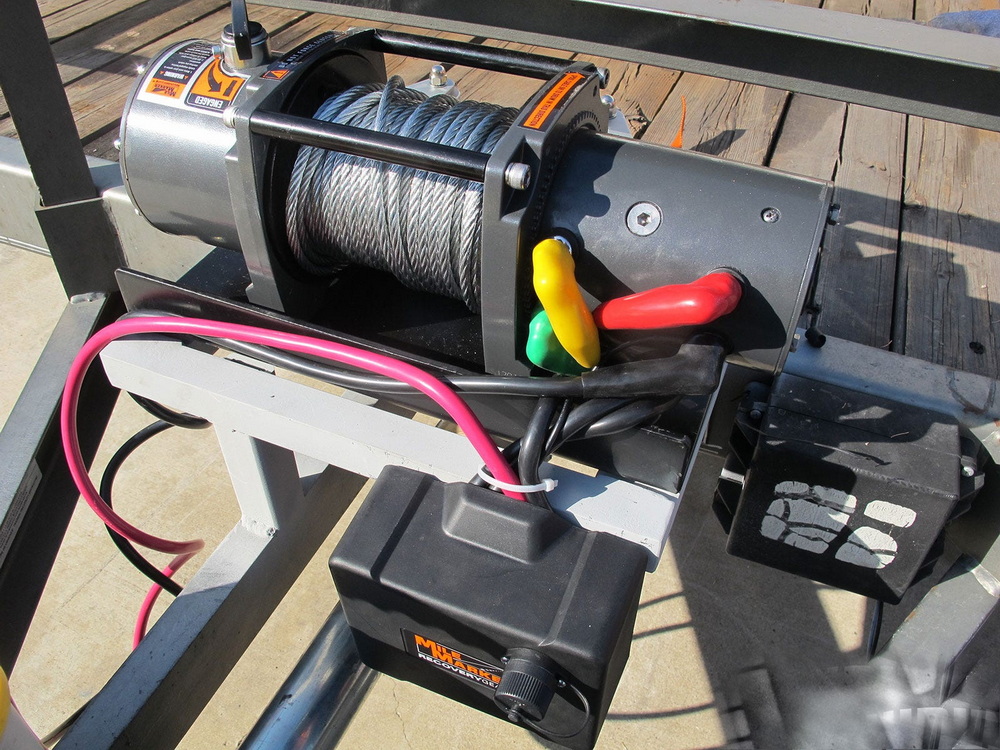
The time needed to disassemble a DP 608 hydraulic winch depends on access, tooling, and the experience of the technicians involved. In a well‑equipped workshop with clear procedures, a complete teardown including brake, drum, and shaft can often be completed in part of a working day, while field conditions or unexpected damage may extend the process significantly.
Because a DP 608 hydraulic winch contains heavy components, spring‑loaded brake assemblies, and tight fasteners, at least two trained people are usually recommended for safe work. One person can handle cleaning and preparation, but controlled lifting, housing removal, and brake disassembly are much safer when shared between multiple technicians.
Whenever a DP 608 hydraulic winch is fully opened, best practice is to replace all seals, O‑rings, and other soft parts, and strongly consider renewing bearings as well. Even if some components appear serviceable, new sealing and bearing elements help ensure that the hydraulic winch delivers long, trouble‑free operation after reassembly.
If the brake housing on the DP 608 hydraulic winch does not move freely as bolts are backed out, stop and verify that all capscrews have been loosened evenly and that no locating pins or rust are holding the housing. Do not force the brake cover off at one side; instead, continue small, even loosening steps around the pattern and lightly tap with suitable tools until the spring load is fully relieved and the housing separates uniformly.
Careful documentation greatly improves the quality of the rebuild that follows disassembly of the hydraulic winch. Notes, sketches, and photos of each stage help confirm part orientation, identify unusual wear patterns, and provide a reliable reference when technicians reassemble the DP 608 hydraulic winch or troubleshoot future issues.


