
Views: 222 Author: Robert Publish Time: 2026-01-21 Origin: Site


Content Menu
● Main components of a hydraulic winch
● Common applications of hydraulic winches
● Advantages of hydraulic winches
● Design and selection considerations
● Integrating hydraulic winches into mobile equipment
● Maintenance best practices for hydraulic winches
● Using hydraulic winches in marine and offshore projects
● Slipway and shipyard applications
● Hydraulic winches in construction and infrastructure
● Cooperation between equipment OEMs and winch suppliers
● Digital tools and remote support
● Environmental and energy considerations
● Trends in hydraulic winch technology
● Summary
● FAQ
>> 1. What is a hydraulic winch used for?
>> 2. How is a hydraulic winch different from an electric winch?
>> 3. How do I choose the right hydraulic winch?
>> 4. What maintenance does a hydraulic winch need?
>> 5. Are hydraulic winches suitable for marine environments?
Hydraulic winches are critical components in industrial, marine, offshore, and construction applications because they offer high line pull, excellent durability, and smooth control under tough working conditions. Hydraulic winch manufacturers design systems around hydraulic motors, planetary gearboxes, brakes, and robust frames to handle demanding loads safely and efficiently.
A hydraulic winch converts hydraulic power from a pump or power pack into mechanical pulling force on a drum that winds rope or cable. Pressurized fluid drives a hydraulic motor, which transmits torque through a gearbox to rotate the drum. Integrated brakes, valves, and controls manage load holding, speed, and direction so operators can pull, lift, or tension loads with precision.
In most industrial and marine installations, the hydraulic pump is driven by a diesel engine or electric motor, feeding one or more winches through directional and proportional valves. The hydraulic system allows multiple functions to operate in parallel and typically provides better continuous‑duty performance than many electric winch systems.

A typical hydraulic winch assembly includes:
- Drum and flanges sized for rope or cable capacity
- Hydraulic motor selected for required torque and speed
- Gearbox (often planetary) to increase torque and reduce speed
- Static and dynamic brakes for safe load holding
- Base frame and mounting brackets
- Hydraulic ports, hoses, and manifold connections
Some systems also incorporate tensioning devices, emergency release systems, and load‑sensing controls. The exact configuration depends on application requirements such as maximum line pull, duty cycle, and safety standards.
Hydraulic winches are widely used across sectors where high loads, long duty cycles, and harsh environments are common. Typical applications include:
- Marine and offshore: mooring, anchoring, towing, and deck operations
- Construction: pulling materials, stabilizing equipment, hoisting forms or rebar bundles
- Mining: hauling equipment, tensioning cables, and maintenance tasks
- Forestry and agriculture: pulling logs, recovery operations, or moving heavy implements
- Vehicle recovery and special equipment: mounting on trucks, crawlers, or trailers for rescue and support tasks
Because hydraulic systems can be integrated into existing machinery, many OEMs select hydraulic winches when building cranes, drilling rigs, tracked carriers, and other heavy equipment.
Hydraulic winches offer several performance and lifecycle advantages compared with many mechanical or electric alternatives. Key benefits include:
- High continuous-duty capability with good heat management
- Smooth variable speed control and fine load positioning
- High power density and compact design when combined with planetary gearboxes
- Good resistance to overloading when correctly protected with valves
- Compatibility with common industrial and marine hydraulic systems
For heavy-duty tasks and harsh environments, these advantages often make hydraulic winches the preferred solution.
Selecting the right hydraulic winch for a project requires careful evaluation of technical and operational requirements. Important factors to consider include:
- Rated line pull: Maximum pulling force required, including safety factor
- Rope or cable capacity: Length and diameter to ensure enough storage on the drum
- Line speed: Desired speed under rated load and no‑load conditions
- Duty cycle: Frequency and duration of operation, including continuous or intermittent use
- Environment: Marine, offshore, onshore, underground, or corrosive settings
- Mounting arrangement: Deck‑mounted, skid‑mounted, under‑deck, vertical, or horizontal
Engineers also evaluate power source availability, such as whether the site will use an existing hydraulic system or require a dedicated hydraulic power unit. Ensuring compatibility between winch requirements and hydraulic supply is essential for reliable performance.
Hydraulic winches are frequently integrated into mobile equipment like excavators, drilling rigs, tracked platforms, and special vehicles. In these applications, the hydraulic system is often shared with other functions such as travel drive, swing drive, and auxiliary attachments.
To achieve reliable integration, engineers:
- Match winch flow and pressure needs with pump and valve capacity
- Coordinate control logic so operators can manage multiple functions safely
- Ensure adequate cooling and filtration of hydraulic oil
- Verify mechanical interfaces between the winch base and machine structure
Planetary gearboxes, travel drives, and swing drives can be sourced alongside hydraulic winches from the same supplier to reduce interface issues and simplify maintenance.
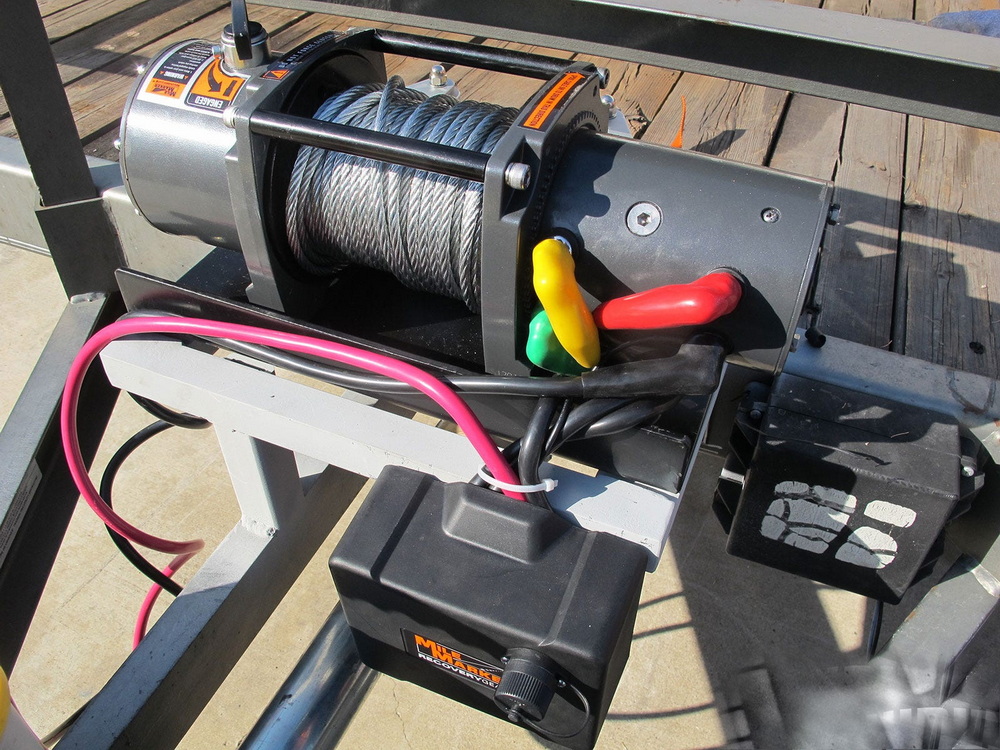
Regular maintenance is critical to keep hydraulic winches operating safely and to extend equipment life. Good maintenance practices typically include:
- Inspecting ropes or cables for wear, corrosion, and proper spooling
- Checking fasteners, drum, gearbox, and frame for cracks or deformation
- Monitoring hydraulic hoses, fittings, and seals for leaks
- Changing hydraulic oil and filters according to manufacturer recommendations
- Testing brakes and emergency stop systems periodically
Documented maintenance routines and operator training help prevent accidents and unplanned downtime, particularly in heavily loaded marine or industrial applications.
Hydraulic winch systems must meet stringent safety standards because they often handle high loads in close proximity to personnel and critical assets. Safety considerations typically cover:
- Adequate braking capacity for static and dynamic loads
- Over‑pressure protection and relief valves
- Emergency stop and emergency release functions
- Guarding of rotating parts and pinch points
- Clear operating procedures and signage
Designers may also apply standards related to lifting equipment, marine classification rules, and occupational safety regulations depending on the application.
In marine and offshore projects, hydraulic winches are exposed to corrosive saltwater, humidity, and strong winds, so corrosion protection is a major concern. Designers use marine‑grade coatings, stainless or galvanized components, and sealed bearings to resist corrosion and extend service life.
Marine mooring and anchor winches often require precise tension control to keep vessels stable while minimizing stress on mooring lines and deck structures. Offshore winches used on platforms and support vessels may incorporate additional features such as automatic tensioning, constant‑tension modes, and integration with dynamic positioning systems.
Shipyards commonly use hydraulic slipway winches to launch new vessels and haul ships onto land for repair. These units provide high pulling forces over relatively long distances and must be capable of controlling heavy loads smoothly on inclined slipways.
In slipway applications, designers carefully analyze friction coefficients, tidal conditions, and cradle design to size slipway winches correctly. Multiple winches may be synchronized to distribute loads and maintain controlled movement during launching or retrieval.
On construction sites, hydraulic winches support tasks such as:
- Pulling pipes or cables through ducts and trenches
- Stabilizing formwork or structures during assembly
- Assisting in bridge construction and heavy component positioning
- Supporting pile driving and foundation work
For infrastructure projects, hydraulic winches may be mounted on cranes, barges, or specialized platforms. High duty cycles and variable loading make robust brake design and reliable control systems particularly important.
Equipment OEMs frequently work closely with hydraulic winch suppliers to ensure that winches are properly integrated into machines and structures. This cooperation covers:
- Joint definition of performance requirements and load cases
- Sharing 3D models and interface drawings for structural integration
- Matching hydraulic circuit design and control philosophy
- Coordinating testing and commissioning plans
When winches, gearboxes, and drives are sourced together, OEMs can reduce the risk of mismatched components and achieve more compact, efficient layouts.
Modern hydraulic winch systems increasingly use sensors and remote monitoring to improve reliability and serviceability. Common digital features include:
- Pressure and temperature sensors on hydraulic circuits
- Load monitoring on winch drums or lines
- Integration with control systems for data logging and alarms
- Remote diagnostics and support from suppliers or OEMs
These digital tools help detect issues early, plan maintenance, and optimize operating parameters for different tasks.
Hydraulic winch systems are being optimized for energy efficiency and environmental performance. Key approaches include:
- Using variable‑displacement pumps to match flow to demand
- Implementing load‑sensing systems that reduce energy waste
- Improving filtration and cooling to extend oil life and reduce waste
- Selecting biodegradable hydraulic fluids in environmentally sensitive areas
In marine and offshore contexts, environmental regulations may require specific fluid types or containment measures to minimize the risk of pollution.
Effective use of hydraulic winches depends on well‑trained operators and technicians. Manufacturers and OEMs typically provide:
- Operation manuals and quick‑start guides
- Maintenance and service manuals
- Training on safe operation and emergency procedures
- Recommended inspection checklists and service intervals
Clear documentation and regular training sessions improve safety and help ensure that winches are used within their design limits.
The hydraulic winch industry continues to evolve with several notable trends:
- Increased integration of electronic controls and automation
- More compact, high‑capacity gearboxes and motor combinations
- Greater focus on lifecycle cost and maintainability
- Expanded use of advanced materials and coatings for corrosion resistance
As these trends accelerate, hydraulic winches are becoming more efficient, easier to operate, and better suited to demanding industrial and marine environments.
Hydraulic winches play a central role in many industries because they combine high pulling capacity, smooth control, and robust construction suitable for challenging conditions. By understanding how hydraulic winches work, where they are used, and how to select and maintain them, buyers and engineers can design systems that operate safely and efficiently over long service lives.
Indonesia has developed into a strategic market and service base for Hydraulic Winch Manufacturers and Suppliers serving marine, offshore, construction, and logistics sectors across Asia‑Pacific. Buyers can leverage a mix of international brands with Indonesian offices, local distributors, and global OEM partners like Kemer to secure reliable hydraulic winch, gearbox, and drivetrain solutions for shipyards, workboats, and mobile equipment.
When selecting Hydraulic Winch Manufacturers and Suppliers in Indonesia, focusing on technical robustness, lifecycle support, and the ability to integrate with broader hydraulic and mechanical systems will ensure safe, efficient, and long‑lasting performance in demanding applications.
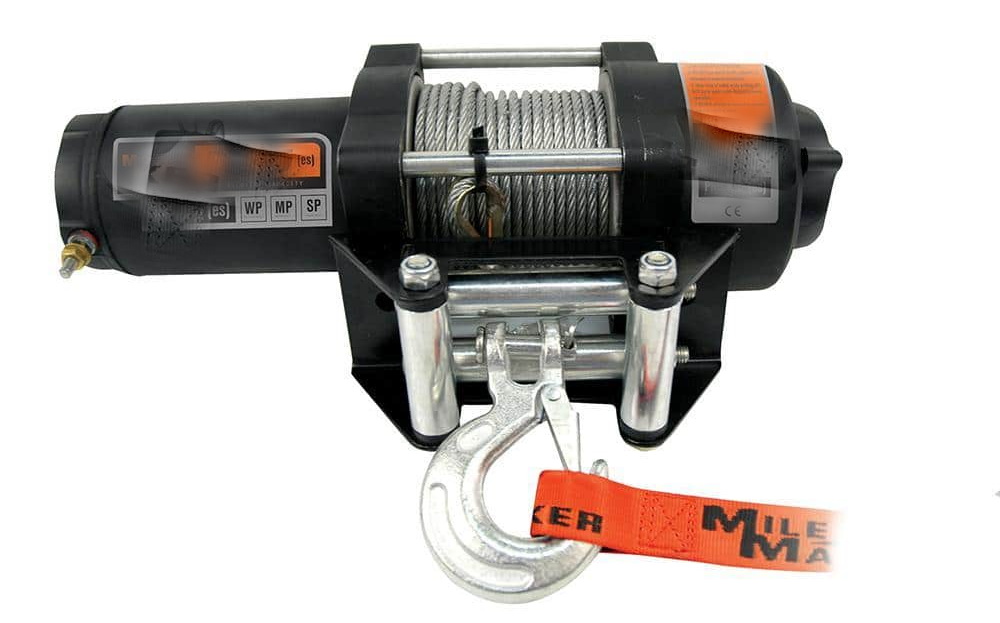
A hydraulic winch is used for pulling, lifting, and tensioning loads in applications such as marine mooring and anchoring, offshore operations, construction, mining, forestry, and vehicle recovery. It converts hydraulic power into controlled mechanical force on a rope or cable drum.
A hydraulic winch is powered by pressurized hydraulic fluid, typically from a pump driven by an engine or electric motor, while an electric winch uses an electric motor directly. Hydraulic winches usually handle higher loads and longer duty cycles better and integrate easily with existing hydraulic systems, whereas electric winches often suit lighter, intermittent tasks or applications with ready access to electrical power.
To choose the right hydraulic winch, define required line pull, rope capacity, line speed, duty cycle, and environmental conditions. Then match these requirements with hydraulic supply capabilities, mounting constraints, and applicable safety or classification standards. Consulting with experienced manufacturers or OEM partners helps ensure a safe and efficient selection.
A hydraulic winch requires regular inspection of ropes or cables, drums, frames, and fasteners, as well as routine checks for hydraulic leaks and proper brake operation. Users should change hydraulic oil and filters by the recommended schedule, test safety systems, and keep detailed maintenance records to prevent failures and extend equipment life.
Hydraulic winches are well suited to marine environments when designed with appropriate corrosion protection, such as marine‑grade coatings and corrosion‑resistant materials. They provide reliable high‑capacity performance for mooring, anchoring, towing, and slipway operations, making them a common choice on ships, workboats, and offshore platforms.


