
Views: 222 Author: Amanda Publish Time: 2026-01-02 Origin: Site


Content Menu
● Understanding Track Loader Undercarriage
● What Really Makes an Undercarriage “Durable”?
● Key Components of a Durable Excavator Undercarriage
● Who “Really” Has the Most Durable Track Loader Undercarriage?
● Factors That Decide Undercarriage Lifespan
● Design Choices That Boost Durability
● Maintenance Practices That Make or Break Durability
● Operating Tips to Protect Your Excavator Undercarriage
● Matching Undercarriage to Application
● How Drive Components Influence Durability
● How Kemer Supports Durable Undercarriages
● Why “Most Durable” Is a Partnership Result
● FAQ
>> 1. How long should a track loader undercarriage last?
>> 2. What is the most important factor in excavator undercarriage life?
>> 3. How often should I inspect my undercarriage?
>> 4. Are rigid undercarriages really more durable than suspension systems?
>> 5. Why choose a specialist like Kemer for undercarriage components?
The most durable track loader undercarriage is not just about one “brand winner”; it is the result of robust design, high-quality excavator undercarriage components, and disciplined maintenance practices. For many contractors, a premium, well-designed excavator undercarriage paired with correct operation and care will easily outlast cheaper systems that are poorly managed.[1][2]
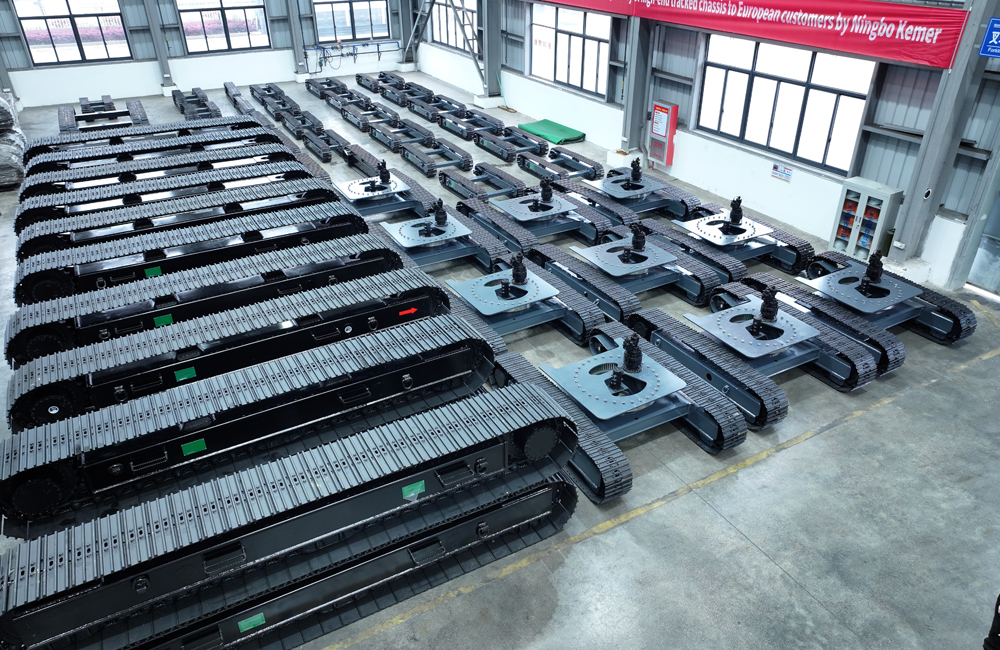
A track loader undercarriage is the foundation that carries the machine, supports the load, and transfers power to the ground, just like an excavator undercarriage does for crawler excavators. It includes the track frame, tracks, rollers, idlers, sprockets, final drives, and associated hardware that all work in sync for mobility and stability.[3][4]
- The track frame ties all excavator undercarriage components together and distributes machine weight along the tracks for stability.[4]
- Tracks, rollers, idlers, and sprockets in an excavator undercarriage constantly interact with abrasive ground, so their design and material quality directly affect durability.[3]
To build a durable track loader or excavator undercarriage, manufacturers must carefully match material hardness, bearing capacity, and structural stiffness to the job conditions the machine will face.[1]
Durability is more than just thick steel; it comes from the interaction of design, components, materials, and maintenance across the complete excavator undercarriage system. A durable track loader undercarriage must resist wear, maintain alignment, and protect its bearings and seals over thousands of hours in harsh environments.[5][1]
- Design philosophy: Rigid undercarriages with fewer moving parts are typically more durable and easier to maintain than complex suspension systems, especially in severe applications.[1]
- Steel usage and dimensions: Underframes built with more and thicker steel, along with larger-diameter rollers and bigger components, generally provide higher strength, slower bearing speeds, and longer service life for the excavator undercarriage.[1]
In addition, the best track loader and excavator undercarriage designs keep debris away from seals, manage mud ejection, and maintain proper track tension with user-friendly adjustments.[5]
Every excavator undercarriage is only as durable as its weakest part, so high-quality components throughout the system are essential. Understanding each core component helps explain why some track loader undercarriages last much longer than others.[4][3]
- Tracks (steel or rubber): Tracks carry the machine and provide traction; premium rubber or alloy steel, with correct tread pattern and pitch, greatly extends excavator undercarriage life.[6]
- Rollers (carrier and track): These rollers support the machine's weight, guide the tracks, and control alignment; oversized rollers with strong seals and high-capacity bearings reduce wear on the entire excavator undercarriage.[3]
- Idlers: Idlers keep the track tight and guide its path; spring-loaded or well-designed adjustable idlers maintain proper tension and reduce stress on rollers, sprockets, and chains in the excavator undercarriage.[3]
- Sprockets: Sprockets engage the track chain and transfer engine torque to movement; accurate tooth profile and hardened material reduce wear and noise for the excavator undercarriage.[4]
- Final drives and travel motors: These drive units deliver torque to the sprockets; robust planetary gearboxes and hydraulic motors withstand shock loads and keep the excavator undercarriage moving reliably.[3]
When all of these parts are engineered to work together, the result is a compact, efficient, and durable excavator undercarriage that can withstand tough loader or excavator duty cycles.[3]
There is no single global ranking that crowns one brand as having the absolute most durable track loader undercarriage, because durability depends heavily on application, operator behavior, and maintenance. However, several universal principles clearly distinguish truly durable undercarriage systems from average ones, whether on a compact track loader or an excavator undercarriage.[6][1]
- Manufacturers that use rigid undercarriage designs with heavy-duty steel, large rollers, and steel-to-steel contact between track and rollers generally achieve higher durability in extreme conditions.[1]
- Brands that pair quality mechanical design with comprehensive undercarriage maintenance guidance and support help customers extend the life of track loader and excavator undercarriage systems significantly.[2]
Specialized undercarriage producers such as Ningbo Kemer Engineering Machinery focus on crawler track undercarriage, hydraulic planetary gearboxes, hydraulic winches, and hydraulic motors, providing integrated solutions that enhance reliability for track machines. For many OEMs and end users, partnering with such focused suppliers results in excavator undercarriage assemblies that are optimized for their exact working conditions.[7][8]
Even the most rugged excavator undercarriage will wear out prematurely if it is operated or maintained incorrectly. Three clusters of factors dominate track loader undercarriage life: application, ground conditions, and operating technique.[9][2]
- Application severity: Tasks like dozing and heavy excavating demand high torque and can accelerate track and sprocket wear, whereas lighter trenching or grading puts less stress on the excavator undercarriage.[6]
- Underfoot conditions: Abrasive or sharp surfaces such as rock, demolition debris, and sharp sand greatly increase wear on tracks, rollers, and idlers, while softer or loamy soils are more forgiving to the excavator undercarriage.[9]
- Operating technique: Continuous sharp turns, excessive travel distance, operating on steep slopes, and running at high speed all increase wear and reduce excavator undercarriage life.[2]
Managing these factors through smarter job planning and operator training dramatically increases the lifespan of the track loader or excavator undercarriage, often by hundreds of hours.[6]
Some undercarriage design decisions have a direct, measurable effect on durability, particularly for excavator undercarriage systems used on track loaders, excavators, and crawler equipment. Equipment buyers should look beyond price and examine the following aspects before deciding who really offers the most durable track loader undercarriage.[5][1]
- Rigid vs. suspension undercarriage: Rigid designs with fewer moving parts generally show better durability and lower maintenance cost than complex suspension systems in many heavy-duty applications.[1]
- Steel thickness & weld quality: Undercarriages built with thicker steel, reinforced frames, and high-quality welds handle impact and twisting loads better, reducing cracking and deformation in the excavator undercarriage.[1]
- Roller and idler diameter: Larger rollers reduce bearing RPM at a given travel speed, which lengthens bearing and seal life for the excavator undercarriage.[1]
- Debris management: Open-design track frames and carefully positioned clean-out holes help eject mud, stones, and demolition debris, protecting rollers, sprockets, and tracks in the excavator undercarriage.[5]
Premium suppliers of crawler track undercarriages, like Kemer, often combine heavy-duty track frames with high-capacity planetary gearboxes and travel motors, enhancing the durability and performance of the entire excavator undercarriage drive line.[7]
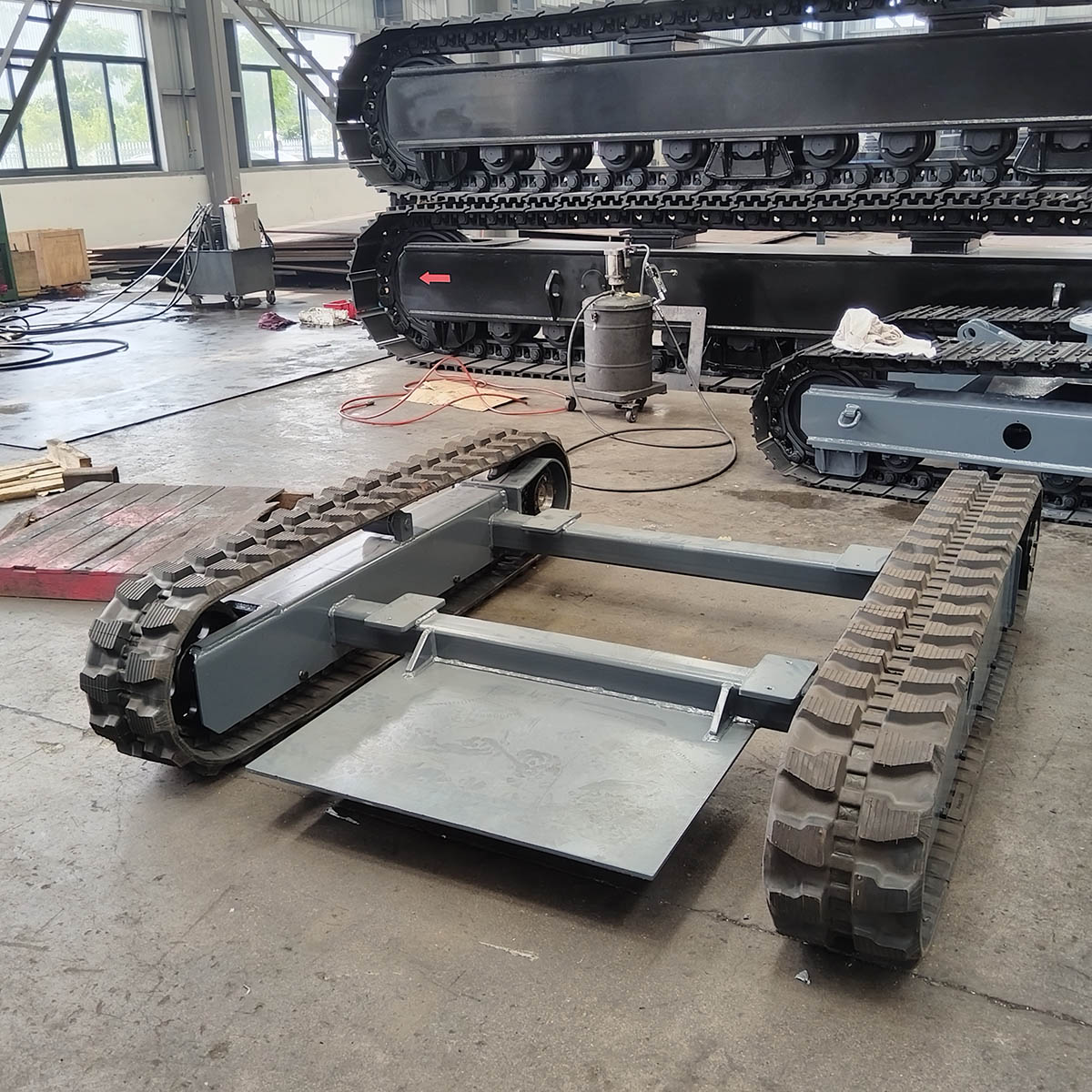
Maintenance is often the single largest lever owners have to improve the durability of their track loader and excavator undercarriage. A well-built undercarriage can still fail early if it is not cleaned, inspected, and adjusted regularly.[10][5]
- Keep it clean: Removing packed mud, clay, and debris at the end of each shift prevents excessive wear on tracks, rollers, and idlers, and protects seals on the excavator undercarriage.[10]
- Track tension: Maintaining correct track tension is repeatedly cited as the most important factor for undercarriage longevity; too tight strains components, too loose causes slippage and abnormal wear on the excavator undercarriage.[11]
- Regular inspections: Checking for uneven wear, leaks from travel motors, damaged rollers, cuts in rubber tracks, and loose bolts helps catch problems early and safeguard the excavator undercarriage.[5]
Following the manufacturer's maintenance schedule and guidelines consistently can transform a standard excavator undercarriage into a long-lasting, low-cost system over the machine's life.[10]
Operator habits strongly influence whether a track loader or excavator undercarriage achieves its full design life or fails early. Simple changes in technique can drastically lower impact loads, side stresses, and abrasive wear on critical parts of the excavator undercarriage.[2][10]
- Avoid excessive high-speed travel on abrasive surfaces, which accelerates wear on tracks, rollers, and sprockets throughout the excavator undercarriage.[6]
- Minimize tight turns or counter-rotation; wide, sweeping turns reduce scuffing and protect the excavator undercarriage from unnecessary lateral stress.[2]
- Work up and down slopes where possible instead of across them, improving stability and reducing uneven wear on one side of the excavator undercarriage.[10]
Training operators to recognize how their driving style affects the excavator undercarriage is one of the most cost-effective ways to improve durability and control owning and operating costs.[2]
Choosing the right undercarriage configuration is as important as choosing the right machine size, especially when talking about long-term durability of the excavator undercarriage. The same undercarriage that performs perfectly in soft soil may wear out quickly in sharp rock.[12][9]
- In soft or muddy ground, wider tracks and open-design frames help improve flotation and prevent packing that can damage the excavator undercarriage.[5]
- In rocky or demolition environments, narrower heavy-duty steel tracks with reinforced shoes and rock-guard style rollers better resist impact and chipping within the excavator undercarriage.[9]
Working with an undercarriage specialist allows OEMs and fleet managers to specify track width, roller arrangement, sprocket design, and gear ratio that match each project's environment and duty cycle, thereby optimizing excavator undercarriage life.[7]
Durability is not only about the physical track frame; the drives that power the undercarriage also play a crucial role in the life of the excavator undercarriage. Poorly matched or undersized drive components can overload chains, sprockets, and rollers, leading to premature failure.[13][3]
- Well-sized hydraulic travel motors ensure smooth torque delivery to the sprockets, reducing shock loading into the excavator undercarriage.[3]
- High-capacity planetary gearboxes spread torque across multiple gears, improving strength and lowering the risk of catastrophic failure that could damage the excavator undercarriage.[14]
Specialists like Kemer, who design both undercarriage structures and hydraulic drive elements, can tune gear ratios and motor displacements to match ground speed targets with optimal torque and excavator undercarriage protection.[7]
Kemer specializes in crawler track undercarriage systems and matching drive components, including hydraulic winches, planetary gearboxes, travel drives, swing drives, and hydraulic motors. By focusing on these core elements, Kemer delivers integrated solutions that increase reliability and durability for track loader and excavator undercarriage assemblies worldwide.[8][7]
- Kemer designs and manufactures both steel track undercarriage and rubber track undercarriage systems, giving OEMs flexibility to adapt to different applications and terrains.[15]
- Matching excavator undercarriage structures with high-torque hydraulic motors and planetary gearboxes allows Kemer to optimize power transmission, reduce shock loading, and extend component life in the undercarriage.[16]
For equipment builders and fleet owners seeking the most durable track loader undercarriage, partnering with a specialist like Kemer enables custom configurations that precisely match the job, operating environment, and performance requirements of the excavator undercarriage.[7]
Ultimately, durability is the outcome of a partnership between manufacturer, dealer, and owner, rather than a single specification on a brochure. The best track loader or excavator undercarriage in the world will fail early if it is used in the wrong application or neglected.[10][2]
- Manufacturers and component specialists must design and build strong excavator undercarriage systems, using quality materials and sound engineering.[1]
- Dealers must help customers choose the right configuration and provide undercarriage inspections and service.[10]
- Owners and operators must apply proper operating techniques and perform cleaning, tension checks, and scheduled maintenance to protect the excavator undercarriage investment.[11]
When all three parties work together, the result is an excavator undercarriage that delivers long life, predictable performance, and low total cost of ownership, even under demanding conditions.[2]
No single brand can permanently claim the title of “most durable” track loader undercarriage, because real-world lifespan depends on application, ground conditions, and maintenance discipline. However, undercarriage systems that combine heavy-duty design, premium excavator undercarriage components, optimized hydraulic and planetary drives, and expert support—such as those engineered by dedicated manufacturers like Kemer—consistently achieve superior durability and lower lifetime cost. By pairing the right excavator undercarriage configuration with trained operators and disciplined care routines, owners can turn undercarriage durability from a cost headache into a powerful competitive advantage.[6][2][1]
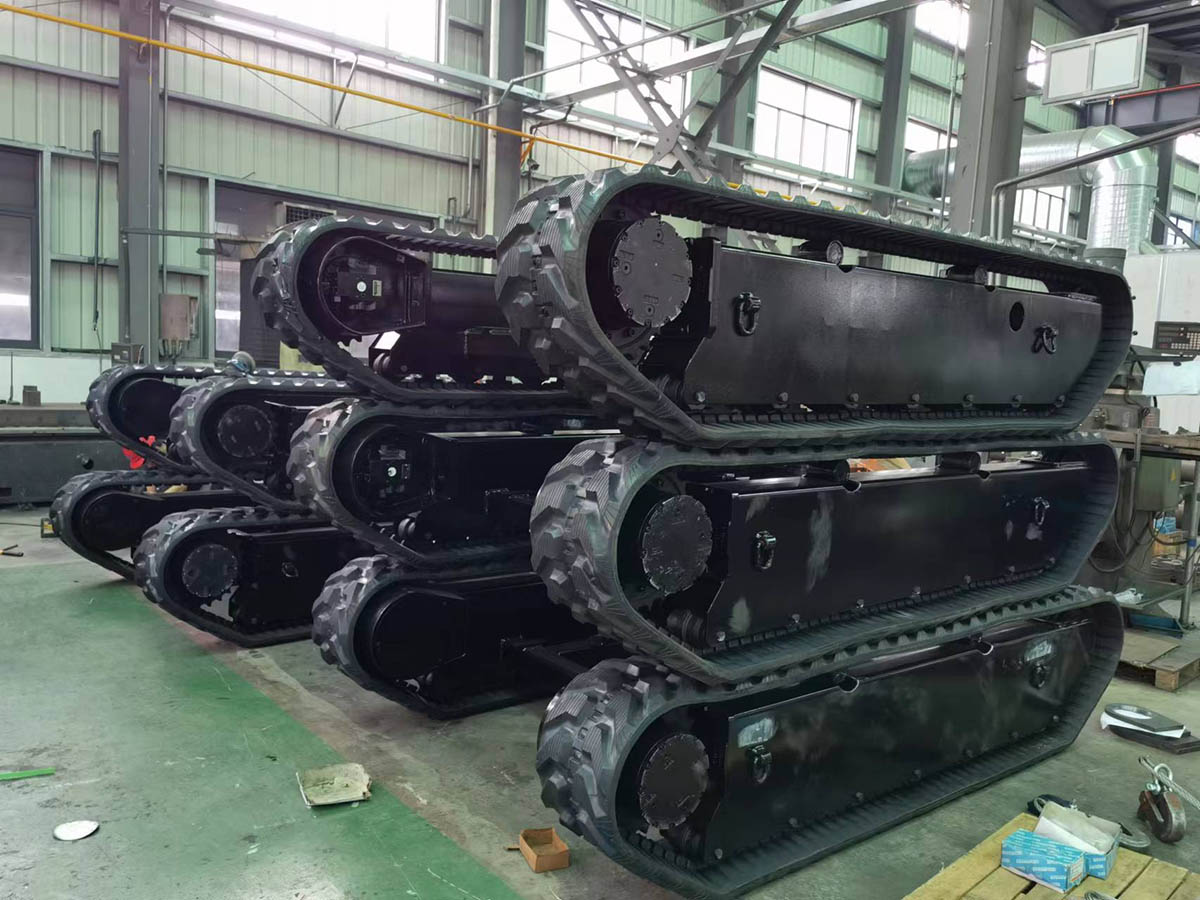
A well-maintained track loader or excavator undercarriage can often deliver thousands of operating hours before major replacement, but the exact lifespan varies with soil conditions and application severity. Harsh environments with abrasive rock or demolition debris will shorten life, while soft ground and careful operation can extend undercarriage life significantly.[9][6]
Correct track tension is frequently identified as the single most important factor influencing excavator undercarriage longevity. Running tracks too tight stresses rollers, idlers, and sprockets, while running them too loose increases slippage and abnormal wear on the undercarriage.[11][2]
Daily visual checks of the excavator undercarriage are recommended, with more detailed inspections performed at regular service intervals or after working in extreme conditions. Operators should look for uneven wear, damaged rollers, oil leaks, loose bolts, and track damage to protect the undercarriage investment.[13][5]
Rigid undercarriages typically use fewer moving parts and heavy steel structures, which often makes them more durable and easier to maintain than complex suspension systems in severe applications. Suspension designs can improve operator comfort, but they may introduce more wear points and maintenance needs in the excavator undercarriage.[17][1]
Working with a specialist such as Kemer ensures that crawler track undercarriage structures, hydraulic motors, winches, and planetary gearboxes are engineered as a coherent system rather than as separate parts. This system approach improves load distribution, power transfer, and durability for the entire excavator undercarriage on track loaders, excavators, and other crawler equipment.[8][7]
[1](https://www.takeuchi-us.com/protecting-your-investment-by-taking-care-of-your-track-loader-undercarriage/)
[2](https://www.gregorypoole.com/impact-of-undercarriage-on-equipment-performance/)
[3](https://hawkexcavator.com/excavator-undercarriage/)
[4](https://northamericantrack.com/en/blog/the-ultimate-guide-to-excavator-undercarriage-parts)
[5](https://www.smsequipment.com/en-us/news-resources/news/2022/protect-your-track-loader-investment-with-proper-u/)
[6](https://www.cartermachinery.com/blog/three-factors-that-increase-rubber-track-and-undercarriage-wear-and-how-to-soften-their-impact/)
[7](https://m.track-undercarriages.com)
[8](https://www.tradeindia.com/ningbo-kemer-engineering-machinery-co-ltd-10802001/)
[9](https://www.vematrack.com/en/blog-en/factors-lifecycle-undercarriage/)
[10](https://www.macallister.com/taking-care-undercarriage/)
[11](https://heavyvehicleinspection.com/blog/post/undercarriage-maintenance-guide-heavy-machinery-professionals)
[12](https://www.fortishd.com/blogs/servicing/undercarriage-parts-the-key-to-keeping-your-heavy-equipment-running-smoothly)
[13](https://www.conequip.com/part-diagram-excavator-undercarriage)
[14](https://trackundercarriage.goldsupplier.com)
[15](https://chinakemer.en.hisupplier.com)
[16](https://track-undercarriages.sell.everychina.com)
[17](https://blog.miltoncat.com/maximizing-the-lifespan-of-your-cat-machine-importance-of-undercarriage-management-and-maintenance)


