
Views: 232 Author: Kemer Publish Time: 2026-07-10 Origin: Site


Content Menu
● Industry Context: Why Crawler Undercarriages Fail in Harsh Environments
● Customer Background: A Drilling Contractor Under Pressure
● Key Challenges with Previous Suppliers
● Engineering Requirements for the New Undercarriage
● Kemer's Engineering Solution: Beyond Standard Manufacturing
>> 3. High-Reliability Travel Drive System
>> 4. Welding and Structural Integrity
>> 5. Comprehensive Factory Testing
● Manufacturing Process: Precision Meets Documentation
● Project Results: Measurable Performance Improvements
● Expert Insight: What This Case Reveals About OEM Undercarriage Selection
>> 1. Lowest Price ≠ Lowest Cost
>> 2. Customization Is Not Optional
>> 3. Engineering Communication Matters
>> 4. Documentation Builds Trust
● How to Evaluate a Crawler Undercarriage Supplier (Practical Checklist)
● Lifecycle Cost Optimization in Undercarriage Systems
● Why the Customer Chose Kemer
● Conclusion: A Strategic Partner for OEM Crawler Undercarriage Solutions
● FAQ
>> 1. What is a crawler undercarriage used for in drilling rigs?
>> 2. Why is customization important for undercarriage systems?
>> 3. How long should a high-quality crawler undercarriage last?
>> 4. What causes hydraulic oil leakage in travel drives?
>> 5. How can I reduce undercarriage maintenance costs?
In the global drilling and mining industry, crawler undercarriage reliability directly determines uptime, project profitability, and operational safety. For contractors operating in extreme environments like Western Australia, choosing the right custom crawler undercarriage manufacturer is not just a procurement decision—it is a strategic one.
This article presents a real OEM case study from Kemer, a China-based manufacturer specializing in track undercarriage systems and hydraulic equipment, while also offering expert-level insights into design optimization, lifecycle cost reduction, and supplier selection strategies.
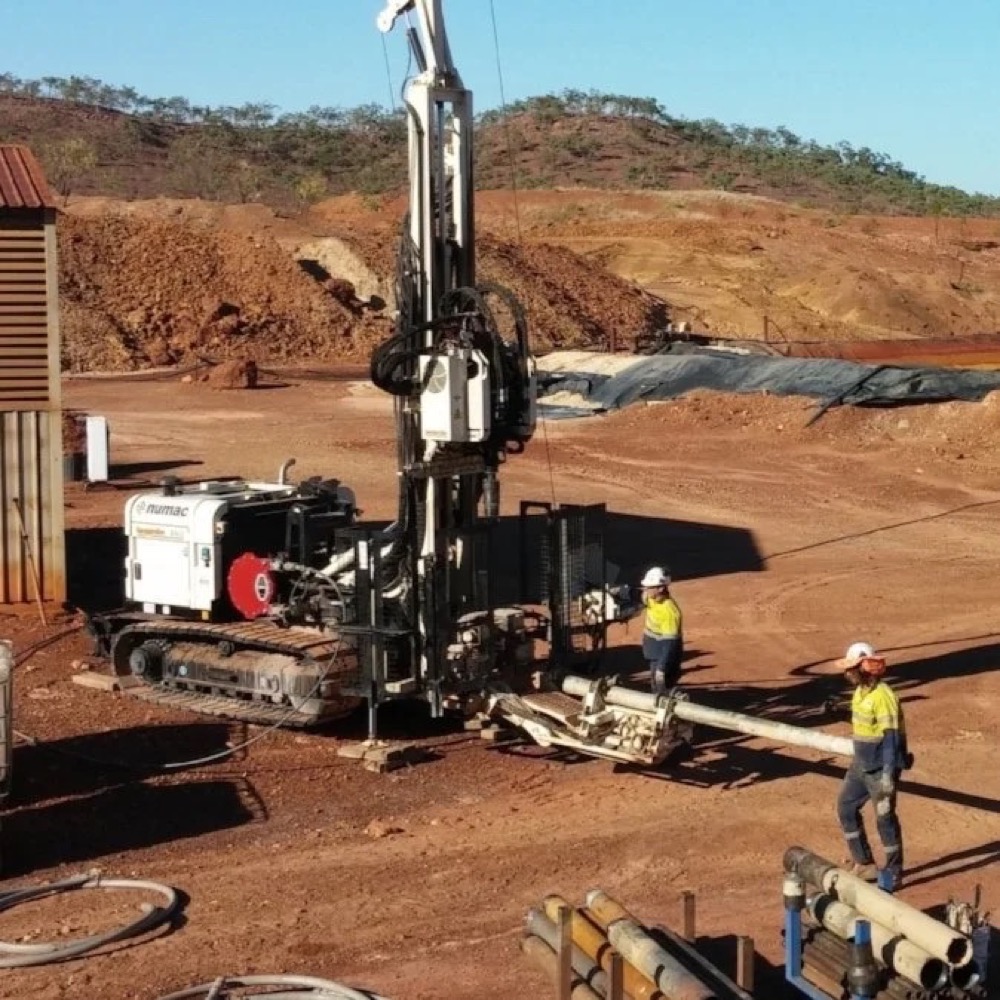
From an engineering and field-service perspective, crawler undercarriage failures typically stem from three root causes:
- Uneven load distribution, leading to premature roller and track wear
- Substandard sealing systems, causing hydraulic oil leakage
- Low-grade materials or welding inconsistencies, resulting in structural fatigue
In regions like Western Australia, these issues are intensified by:
- Rocky terrain and abrasive surfaces
- High ambient temperatures (often exceeding 40°C)
- Remote project locations with limited access to spare parts
According to industry data, undercarriage components can account for up to 50% of total maintenance costs in tracked equipment over its lifecycle. This makes design precision and manufacturing quality critical for long-term ROI.
The client in this case is an Australian drilling contractor specializing in:
- Water well drilling
- Mining exploration
- Remote infrastructure projects
Their rigs operate in isolated and high-risk environments, where downtime can cost thousands of dollars per day due to:
- Equipment idle time
- Labor inefficiencies
- Contractual penalties
They required a 15-ton steel crawler undercarriage capable of supporting a full drilling rig while maintaining:
- Stability on uneven ground
- High climbing capability
- Long service life with minimal maintenance
Before partnering with Kemer, the customer sourced undercarriages from another overseas supplier. While initial pricing was competitive, hidden operational costs quickly surfaced.
- Hydraulic oil leakage after extended operation
- Abnormal roller wear after ~1,000 hours
- Lead times exceeding 5 months, delaying project deployment
- Difficulty sourcing spare parts locally
- Slow technical support, increasing troubleshooting time
From an expert standpoint, these issues indicate systemic weaknesses in design validation, material selection, and after-sales infrastructure.
Most importantly, the customer emphasized a critical insight:
"Downtime costs far exceed equipment cost in drilling operations."
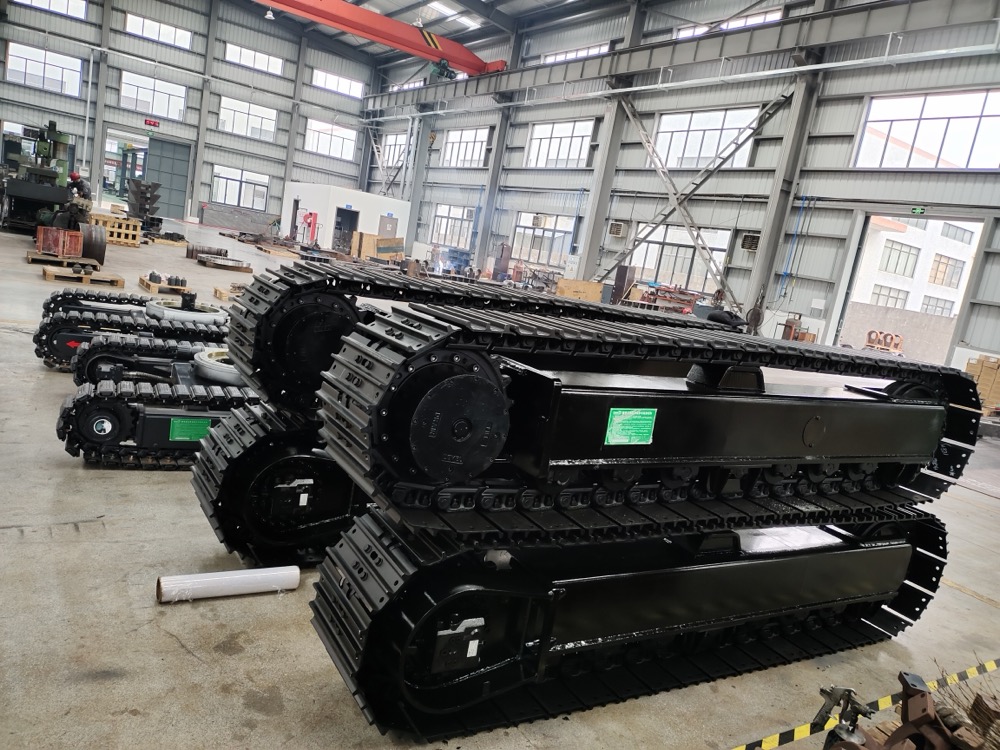
After multiple technical consultations, the client defined clear performance criteria:
- Machine operating weight: 15 tons
- Steel track configuration for durability
- Strong climbing and traction performance
- Reliable travel motors and final drives
- Reinforced frame for rocky terrain conditions
- Low maintenance design
- Delivery within 45 days
- Full engineering drawings for pre-production validation
This level of detail reflects a mature procurement process aligned with E-E-A-T principles, where experience and technical validation guide purchasing decisions.
Rather than simply following provided drawings, Kemer's engineering team conducted a full structural and functional optimization.
- High-strength structural steel used
- Additional reinforcement plates applied to high-stress zones
- Stress analysis performed to identify fatigue-prone areas
Result: Improved durability under continuous heavy loads
- Roller positioning redesigned based on weight distribution modeling
- Ground pressure evenly distributed
Result:
- Reduced localized wear
- Improved stability on uneven terrain
- Extended component lifespan
Kemer recommended a premium gearbox + hydraulic drive combination, offering:
- Higher transmission efficiency
- Stable torque output
- Reduced maintenance frequency
This directly addressed the client's previous issue of oil leakage and drive instability.
- Certified welders with standardized procedures
- Critical welds inspected visually and dimensionally
In heavy equipment manufacturing, welding quality is often the hidden factor behind structural failure, making this step essential for long-term reliability.
Before shipment, each unit underwent:
- Travel function testing
- Hydraulic leakage inspection
- Final drive performance testing
- Track tension calibration
- Noise level checks
- Dimensional accuracy verification
Additionally, inspection videos and reports were shared with the client, ensuring transparency and trust.
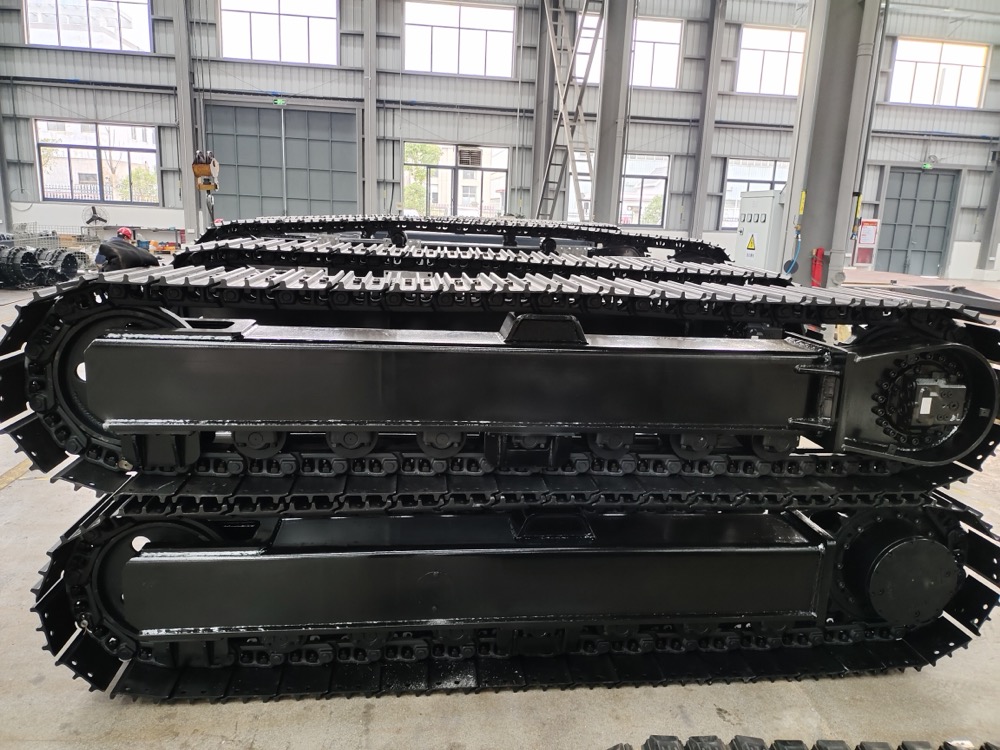
Kemer implemented a fully traceable production workflow, including:
1. 30000W laser cutting for steel plates
2. Precision welding
3. Machining of critical mounting surfaces
4. Shot blasting for surface treatment
5. Assembly
6. Functional testing
7. Final inspection
8. Export packaging
Each stage was documented with photos, enabling the client to remotely monitor production progress, a key advantage for international OEM partnerships.
After installation and commissioning, the client reported significant improvements:
- Smooth travel performance
- Stable climbing on uneven terrain
- Lower operating noise
- Zero hydraulic oil leakage during initial operation
- Seamless installation without modification
Several months later, the customer returned with a new project inquiry, indicating strong satisfaction and trust.
From a B2B buyer and engineering perspective, this case highlights several critical lessons:
Initial savings can lead to higher lifecycle costs due to downtime, maintenance, and replacement.
Standard designs rarely perform well in extreme or niche environments.
Fast, clear technical communication reduces:
- Design errors
- Production delays
- Installation risks
Providing:
- Drawings
- Test reports
- Production records
helps international buyers mitigate risk.
For procurement managers and engineers, use this checklist when selecting a supplier:
- Does the supplier offer custom engineering analysis, not just production?
- Are material specifications and welding standards documented?
- Can they provide testing reports and videos before shipment?
- Is the lead time realistic and consistent?
- Do they support spare parts availability and after-sales service?
Example: In this case, Kemer's ability to deliver within 45 days with full documentation was a decisive factor.
A high-quality crawler undercarriage reduces costs in three key areas:
- Maintenance frequency: Better materials and design reduce wear
- Downtime risk: Reliable systems prevent project delays
- Component replacement cycles: Longer lifespan lowers total ownership cost
Industry insight: Investing 10–20% more upfront can reduce total lifecycle cost by up to 30–40%, especially in remote operations.
The client highlighted several advantages:
- Professional engineering communication
- Fast technical response time
- Strong custom design capability
- Reliable product quality
- Complete inspection documentation
- Competitive pricing vs. European brands
- Short manufacturing lead time
For drilling contractors, mining companies, and equipment manufacturers, undercarriage performance is not just a technical detail—it is a business-critical factor.
Kemer demonstrates how a custom-engineered crawler undercarriage, combined with:
- Rigorous quality control
- Transparent production processes
- Responsive technical support
can significantly improve equipment reliability and operational efficiency.
If you are sourcing a crawler undercarriage for drilling rigs, mining equipment, piling machines, or crushers, working with a manufacturer that understands both engineering and field conditions is essential.
Contact Kemer today to discuss your OEM project and receive a tailored engineering solution designed for your operating environment.
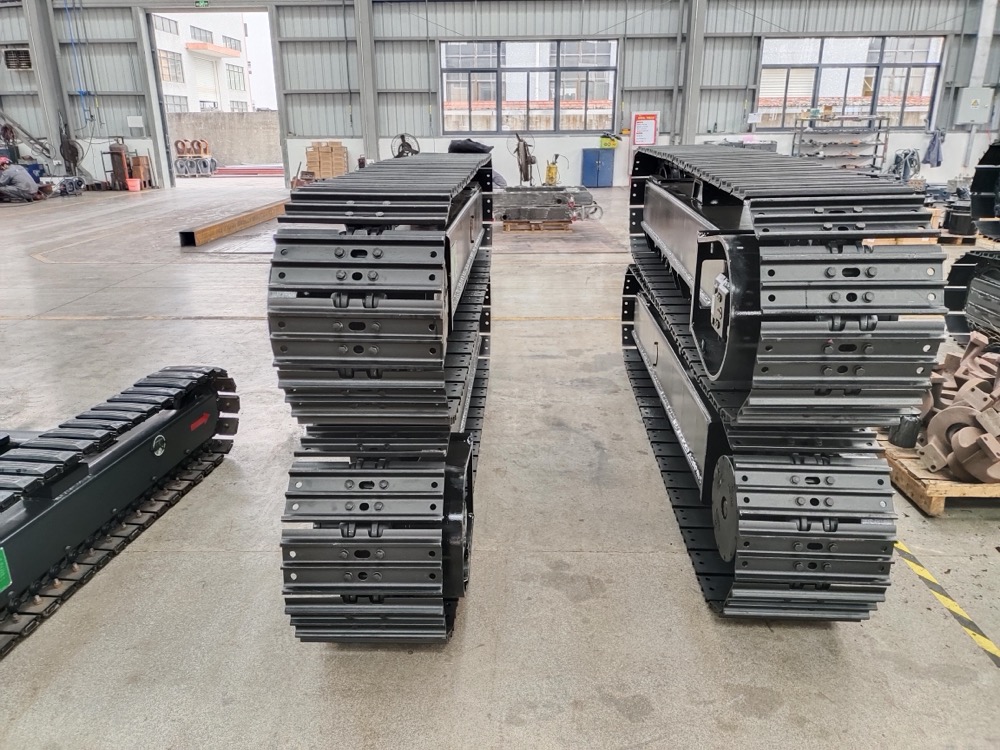
A crawler undercarriage supports the entire drilling rig, providing mobility, stability, and traction in rough terrain such as rocky or uneven ground.
Different operating environments require specific designs. Customization ensures optimal load distribution, durability, and performance under real working conditions.
With proper design and maintenance, a high-quality system can last 3,000–6,000 operating hours or more, depending on working conditions.
Common causes include poor sealing design, low-quality components, and overheating during continuous operation.
Choose a supplier that offers optimized design, high-quality materials, and reliable testing, and ensure regular inspection and proper track tension adjustment.
1. Caterpillar Undercarriage Guide https://www.cat.com/en_US/support/operations/undercarriage.html
2. Komatsu Undercarriage Maintenance Insights https://www.komatsu.com/en/support/maintenance/
3. ScienceDirect: Wear Mechanisms in Track Systems https://www.sciencedirect.com/topics/engineering/wear-mechanisms
4. ISO Welding Standards Overview https://www.iso.org/standard/
5. Global Mining Equipment Market Analysis (Statista) https://www.statista.com/topics/1123/mining-equipment/


