
Views: 222 Author: Robert Publish Time: 2026-01-30 Origin: Site


Table of Contents
Russia has a diverse industrial equipment sector serving marine, oil and gas, rail, construction, infrastructure, and heavy-duty applications. Electric winches are used in these industries for lifting, pulling, positioning, mooring, towing, and material handling.
For international buyers researching electric winch manufacturers and suppliers in Russia, the key considerations go beyond rated pulling capacity. Operating temperature, duty cycle, braking performance, control systems, environmental protection, documentation, service support, and equipment integration should all be evaluated before selecting a supplier.
Russian winch suppliers may have experience with demanding operating environments, including cold climates, marine applications, heavy industrial sites, and infrastructure projects. Depending on the application, equipment may be configured with specialized motors, gearboxes, brakes, drums, controls, sensors, and protective systems.
For buyers operating in similarly demanding environments, understanding the technical capabilities and project experience of a supplier can be more important than comparing basic rated capacity alone.
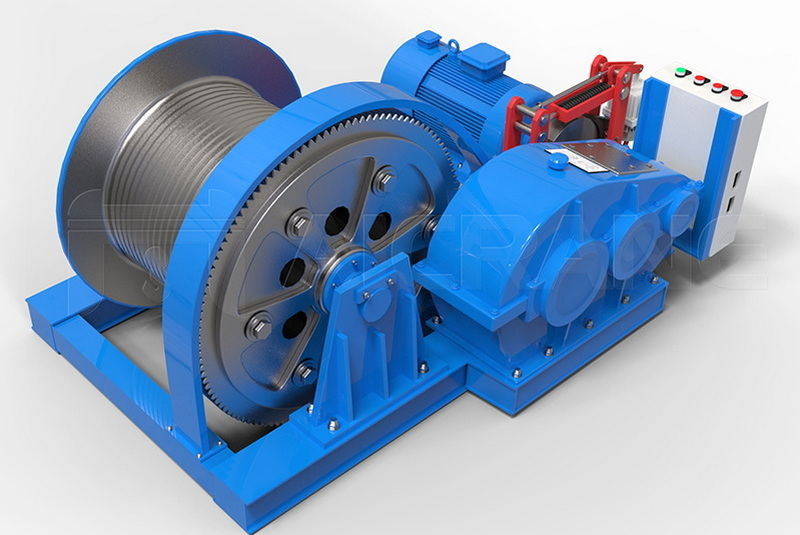
Electric winches are used across several industries where controlled pulling, lifting, positioning, or tensioning is required. The configuration of the winch depends on the load, operating cycle, line speed, installation space, and environmental conditions.
Shipbuilding and marine: Naval vessels, cargo ships, workboats, and offshore support vessels may use electric anchor winches, mooring winches, towing winches, and deck handling systems.
Oil and gas: Offshore and onshore operations can require winches for handling tools, equipment, risers, maintenance loads, and specialized lifting operations.
Ports and terminals: Electric winches can be integrated into cranes, gantry systems, handling equipment, and specialized material-handling installations.
Rail and infrastructure: Shunting and traction winches can be used for railcar positioning, construction activities, bridge work, and heavy installation operations.
Manufacturing and maintenance: Compact electric winches and hoists support equipment installation, assembly, maintenance, and workshop operations.
These applications create demand for a wide range of electric winch configurations, from compact units for maintenance work to large industrial and marine systems designed for demanding duty cycles.
The Russian winch sector forms part of a broader industrial equipment market covering construction, infrastructure, marine transportation, energy, mining, rail, and material handling. Requirements vary significantly between applications, which means buyers may need different combinations of line pull, speed, drum capacity, braking, motor power, and control functions.
Marine and heavy industrial projects can place particular emphasis on equipment reliability, environmental protection, maintainability, and integration with existing mechanical and electrical systems. In colder regions, the specified operating temperature can also influence the selection of materials, lubricants, seals, electrical components, and protective enclosures.
For international buyers, supplier evaluation should therefore focus on documented technical capability and project experience rather than market size alone. Datasheets, drawings, reference projects, testing procedures, certifications, and after-sales support can provide useful information when comparing potential suppliers.
The Russian market can include domestic industrial equipment manufacturers, specialized marine equipment companies, lifting equipment suppliers, and international brands operating through distributors or local partners.
Rather than evaluating suppliers only by company size, buyers should identify the type of winch required and then compare suppliers according to technical specialization, production capability, customization experience, documentation, testing, and service support.
Industrial and rail applications may require shunting, traction, mounting, auxiliary, or material-handling winches. These systems are typically selected according to pulling force, operating frequency, rail or equipment configuration, control requirements, and installation conditions.
Electric shunting winches for moving railcars in yards and industrial facilities.
Traction and pulling winches for construction and material-handling operations.
Mounting and auxiliary winches for installation work on infrastructure and heavy machinery.
Specialized winches for equipment positioning and industrial maintenance.
For these applications, serviceability and compatibility with the existing motor, gearbox, brake, electrical system, and control architecture can be important selection criteria.
Marine applications require winches that can operate reliably under changing loads and environmental conditions. Depending on vessel type and application, systems may include anchor winches, windlasses, mooring winches, towing winches, and deck handling equipment.
Anchor and windlass systems: Used for anchor handling and controlled deployment or retrieval.
Mooring winches: Used for controlled line handling during berthing and vessel operations.
Towing winches: Designed for controlled pulling and towing operations on support and specialized vessels.
Deck handling winches: Used for lifting, positioning, and handling equipment on working vessels and offshore systems.
Marine packages can combine electric motors, gearboxes, drums, brakes, control consoles, sensors, and safety systems. The final configuration should be matched to vessel requirements, classification requirements, environmental conditions, and the intended operating cycle.
Another part of the market consists of suppliers providing electric hoists, wire-rope lifting systems, compact winches, and integrated material-handling equipment.
Electric wire-rope hoists for overhead and gantry crane systems.
Compact electric winches for workshops and maintenance operations.
Integrated lifting systems combining cranes, trolleys, hoists, and winches.
Customized material-handling equipment for industrial facilities and logistics operations.
Buyers should compare the complete system rather than focusing only on the winch itself. Motor selection, gearbox efficiency, brake performance, control interface, installation dimensions, and maintenance requirements can all affect the overall equipment performance.
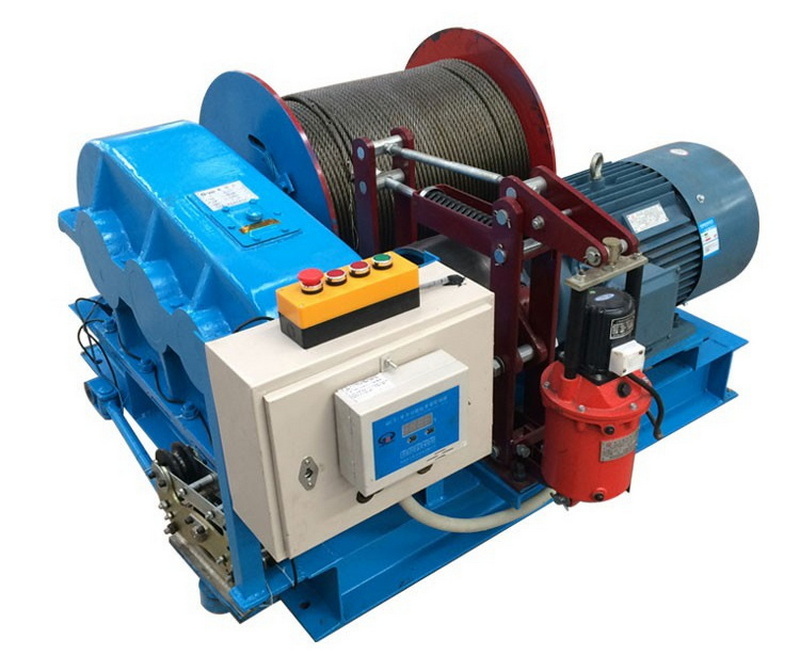
The technical configuration of an electric winch should be selected according to the actual load, duty cycle, installation environment, and control requirements. Common specifications include the following:
Rated line pull: Defines the pulling force available at the specified drum layer or operating condition.
Line speed: Determines how quickly the rope can be deployed or retrieved and may need to be adjustable for positioning operations.
Duty cycle: Defines how frequently and for how long the winch operates. Continuous and intermittent applications can require different motor, brake, and thermal configurations.
Drum capacity: Determines the amount and diameter of rope that can be accommodated.
Braking system: Holding brakes, service brakes, and emergency braking functions may be required depending on the application and safety requirements.
Environmental protection: Enclosures, coatings, seals, heaters, and component selection may need to reflect temperature, humidity, salt exposure, dust, and other site conditions.
Control system: Variable-frequency drives, remote controls, sensors, encoders, PLC interfaces, and monitoring systems may be incorporated depending on the equipment architecture.
These parameters should be reviewed together. Increasing line pull, speed, duty cycle, or drum capacity can affect motor power, gearbox selection, brake requirements, thermal performance, and overall equipment dimensions.
Global OEMs, EPC contractors, equipment distributors, and engineering companies evaluating Russian electric winch suppliers should assess both the product and the supplier's engineering capability.
Harsh-environment experience: Review previous projects involving low temperatures, snow, ice, humidity, salt exposure, or other demanding conditions.
Rugged equipment design: Check the mechanical structure, gearbox, brake system, motor configuration, protection level, and maintenance requirements.
Custom engineering: Determine whether the supplier can modify line pull, speed, drum size, mounting dimensions, control configuration, and other project-specific parameters.
Documentation: Confirm that technical drawings, datasheets, manuals, testing records, and required certification documents can be supplied.
Service capability: Review spare-parts availability, remote technical support, service arrangements, and expected response times.
International buyers should also verify the commercial and logistical requirements applicable to their specific project and destination market before placing an order.
Kemer provides complementary motion and drive components for heavy-duty machinery, including hydraulic winches, planetary gearboxes, travel drives, winch drives, swing drives, hydraulic motors, and tracked undercarriages.
For OEMs and engineering companies developing specialized equipment, these components can be integrated with electric winch systems to create complete lifting, pulling, traveling, and positioning solutions.
Depending on the application, Kemer can support projects requiring specific torque, speed, load, mounting, hydraulic, and duty-cycle requirements. This makes the company a potential component partner for mobile machinery, construction equipment, offshore equipment, and other heavy-duty applications.
Learn more about Kemer's tracked chassis and drive solutions for specialized machinery.
Complex machinery may combine electric winches with hydraulic or mechanical drive systems when different motion functions must operate together.
Crawler-based winch rigs: A tracked undercarriage can be combined with an electric winch to create a mobile pulling or lifting platform for construction, pipeline work, foundation operations, and other specialized applications.
Offshore and port maintenance systems: Hydraulic winches, planetary gearboxes, and electric winches can be combined where different equipment functions require different drive technologies.
Special vehicles and cranes: Travel drives, swing drives, hydraulic motors, and electric winches can be integrated into cranes, recovery vehicles, service equipment, and other heavy-duty machines.
The correct combination depends on the machine architecture, load requirements, available power source, operating cycle, and control strategy.
Before requesting a quotation, international buyers should prepare a clear technical specification. Providing accurate application data allows suppliers to select the appropriate motor, gearbox, drum, brake, and control system.
Load and duty cycle: Define rated line pull, maximum load, safety factors, operating hours, and required duty class.
Speed and control: Specify required line speed, acceleration, braking, variable-speed requirements, remote control, and PLC integration.
Drum and rope: Provide rope diameter, required rope length, drum capacity, and any space limitations.
Environment: Specify ambient temperature, humidity, salt exposure, dust, water exposure, hazardous areas, and any other environmental conditions.
Mounting: Provide mounting dimensions, available installation space, shaft or coupling requirements, and equipment interface information.
Electrical requirements: Confirm voltage, frequency, motor power, control voltage, protection requirements, and available electrical interfaces.
Standards and certification: Confirm applicable classification, industrial, electrical, or project-specific standards and documentation requirements.
After-sales service: Discuss spare parts, troubleshooting support, maintenance documentation, and service arrangements.
Suppliers that receive complete technical information can generally provide more meaningful quotations and more accurate equipment configurations. For international projects, clear technical documentation and communication are especially important.
Electric winch technology continues to develop alongside changes in industrial automation, marine equipment, construction machinery, and material handling. Several technical trends are particularly relevant to buyers.
Automation: Sensors, encoders, variable-frequency drives, PLC interfaces, and remote-control systems are increasingly used for controlled winch operation.
Condition monitoring: Monitoring of load, motor condition, temperature, brake status, and operating cycles can support preventive maintenance.
Energy efficiency: Motor and drive selection increasingly considers energy consumption, operating efficiency, and heat generation.
Environmental protection: Marine, offshore, Arctic, and other harsh environments require appropriate materials, coatings, seals, enclosures, and electrical protection.
System integration: Winches are increasingly treated as part of a larger machine or automation system rather than as standalone components.
These developments make engineering compatibility an important part of supplier selection. Buyers should evaluate how the winch will communicate with the rest of the machine and how it will be maintained throughout its service life.
Video demonstrations can provide useful supplementary information when evaluating industrial winch suppliers. They should be reviewed together with technical documentation rather than used as a substitute for engineering specifications.
Factory tour videos: Look for machining, welding, assembly, painting, testing, and quality-control processes.
Application videos: Observe how the equipment performs during lifting, pulling, towing, mooring, or material-handling operations.
Testing videos: Check whether load testing, braking tests, hydraulic or electrical tests, and other relevant procedures are demonstrated.
Technical videos: Review explanations of motors, gearboxes, brakes, control systems, sensors, and safety features.
When possible, buyers should request the corresponding datasheets, technical drawings, test records, and reference information for the equipment shown in supplier videos.
Electric winches are used across marine, oil and gas, rail, construction, infrastructure, manufacturing, and other heavy-duty applications in Russia. For international buyers, selecting an appropriate supplier requires more than comparing rated pulling force. Duty cycle, line speed, drum capacity, braking, environmental protection, control systems, mounting requirements, documentation, and service support should all be considered.
Buyers researching electric winch manufacturers and suppliers in Russia can improve their sourcing process by preparing a detailed


