
Views: 222 Author: Amanda Publish Time: 2026-01-01 Origin: Site


Content Menu
● What Excavator Tracks Actually Do
● Rubber vs Steel Excavator Tracks
>> Rubber Excavator Tracks: When They Make Sense
>> Steel Excavator Tracks: Built for Extreme Duty
● Rubber vs Steel: Key Performance Comparison
● Key Factors When Choosing Excavator Tracks
>> Terrain and Ground Conditions
>> Machine Size and Specifications
>> Project Type and Operating Environment
● Critical Excavator Track Components You Must Understand
>> Sprockets and Final Drive Interface
>> Track Chains, Rollers, and Idlers
● Expert Maintenance Checklist to Maximise Track Life
>> Clean Tracks After Every Shift
>> Inspect for Damage and Abnormal Wear
>> Monitor and Adjust Track Tension
>> Lubricate Moving Undercarriage Components
● Advanced Tips: Optimising Tracks for Lifecycle Cost
● Take Action Now to Optimise Your Excavator Undercarriage in 2026
● FAQs About Choosing Excavator Tracks
>> 1. How do I know if I should switch from rubber to steel tracks?
>> 2. Can rubber tracks handle occasional rocky work?
>> 3. How often should excavator tracks be replaced?
>> 4. Are steel tracks always better for traction?
>> 5. Do wider tracks always improve performance?
Selecting the right excavator tracks is one of the highest-impact decisions you can make to improve machine productivity, extend undercarriage life, and reduce total operating costs in 2026 and beyond. This in-depth guide explains rubber versus steel tracks, key selection factors, maintenance best practices, and expert tips to help you match the correct track system to every application.

Excavator tracks are a core element of the undercarriage system, directly influencing stability, traction, safety, and operating costs on every job.
- Tracks distribute machine weight over a large footprint, reducing ground pressure and limiting sinkage on soft terrain.
- A well-matched track system improves climbing ability, digging stability, and swing control, especially on uneven or sloped ground.
- Correct tracks also protect finished surfaces, helping contractors work in urban or landscaped environments without costly surface repairs.
Choosing between rubber tracks and steel tracks starts with understanding how each performs in real-world environments.
Rubber tracks are designed for compact and mid-size machines working on sensitive or improved surfaces.
Key features
- Reinforced rubber compounds with embedded steel cords for strength.
- Lower machine vibration and smoother ride for the operator.
- Generally lighter than steel, with reduced fuel consumption.
Best applications
- Urban and residential construction.
- Landscaping, turf work, and sports fields.
- Road maintenance and utilities on asphalt or concrete.
Main advantages
- Lower noise levels, ideal for noise-sensitive or residential sites.
- Reduced damage to asphalt, concrete, pavers, and grass.
- Easier, faster replacement for many compact machines.
Key limitations
- Faster wear on abrasive, rocky, or demolition surfaces.
- Higher replacement frequency over the life of the machine.
- More vulnerable to cuts from sharp stones, scrap, or rebar.
Steel tracks are the default choice for heavy excavators working in harsh conditions where maximum durability and traction are critical.
Key features
- Hardened steel track shoes and links engineered for impact and abrasion.
- High load-bearing capacity for large machines and severe applications.
- Configurable shoe types (single, double, triple grouser) for different grip versus surface-disturbance needs.
Best applications
- Mining, quarrying, and large-scale earthmoving.
- Forestry, demolition, and rock work.
- Steep, hilly, or uneven terrain demanding maximum traction.
Main advantages
- Outstanding durability and long service life in abrasive conditions.
- Superior traction on slopes, loose rock, and uneven terrain.
- Better resistance to impact, cuts, and chunking than rubber.
Key limitations
- High noise and vibration, especially on hard, finished surfaces.
- Significant damage risk to asphalt, concrete, and paving.
- Heavier, which can increase fuel use and transport costs.
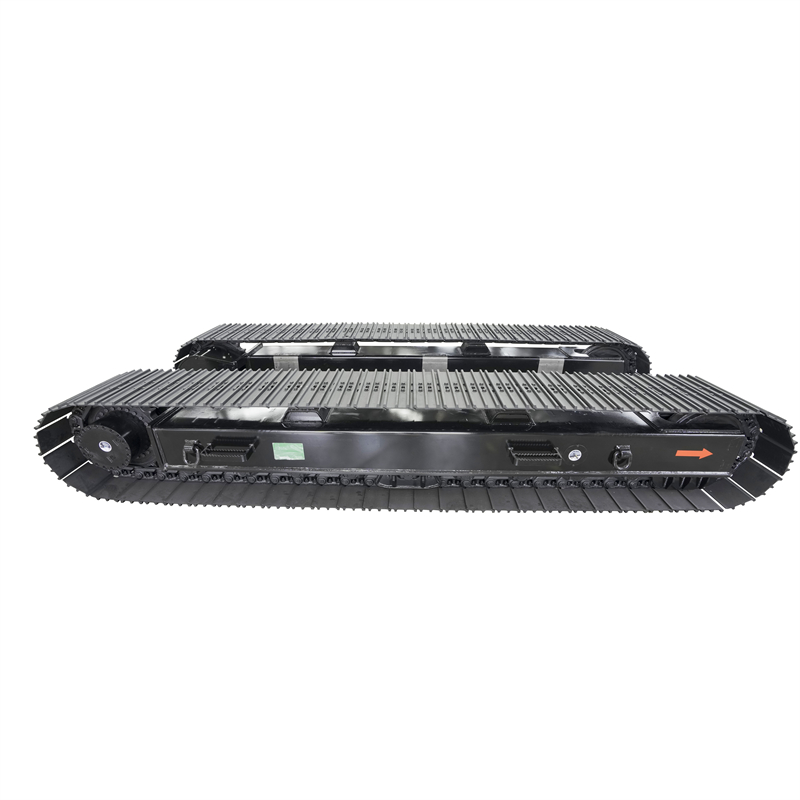
Aspect | Rubber Tracks | Steel Tracks |
Typical machine size | Mini and mid-size excavators | Medium to large excavators |
Best terrain | Paved, turf, soft soil | Rock, demolition, steep slopes |
Surface impact | Low; protects asphalt and grass | High; can damage finished surfaces |
Noise and vibration | Low noise, smoother ride | Higher noise and vibration |
Durability in abrasion | Lower; faster wear on rock | High; built for abrasive work |
Fuel consumption | Generally lower (lighter) | Often higher (heavier) |
Purchase price | Usually lower upfront | Higher upfront, longer life |
Ideal job types | Urban, landscaping, utilities | Mining, quarry, heavy construction |
To maximise performance and undercarriage life, match track type and configuration to your terrain, application, and machine.
The first question to answer is: what ground will the machine see most of the time?
- Soft and delicate terrain (lawns, parks, sports fields): Rubber tracks help minimise ground disturbance and surface restoration costs.
- Urban and paved environments: Rubber tracks or steel chains fitted with bolt-on rubber pads protect asphalt and concrete.
- Rocky, abrasive sites: Steel tracks handle sharp edges and heavy impact far better than rubber.
- Steep, hilly jobs: Steel tracks typically provide superior climbing traction and reduced risk of de-tracking.
Tracks must match OEM specifications for width, pitch, and load capacity to avoid premature wear.
- Always confirm the manufacturer's recommended track width and pattern for the specific excavator model.
- Oversized tracks can overload the final drives and undercarriage, while undersized tracks reduce stability and flotation.
- For mini excavators under a few tonnes, rubber tracks are often more cost-effective and versatile across mixed sites.
Align track selection with the dominant project profile and jobsite conditions.
- Urban, residential, and utilities: Requirements for low noise, minimal surface damage, and compact access typically favour rubber tracks.
- Heavy civil, mining, quarry work: High duty cycles and abrasive ground make steel tracks more economical over the life of the machine.
- Mixed environments: Steel chains with bolt-on rubber pads offer a practical compromise between durability and surface protection.
Understanding core undercarriage components helps identify issues early and extend service life.
Track shoes transfer machine weight and provide ground grip.
- Wider shoes reduce ground pressure and improve flotation, but can increase side loading and wear in rocky conditions.
- Narrower shoes improve penetration and traction in hard or uneven ground, but concentrate ground pressure.
Sprockets engage the track links and transmit drive torque.
- Worn sprocket teeth accelerate chain wear and can cause jumping, surging, or poor engagement.
- Replacing sprockets and chains together often preserves correct tooth contact and slows future wear.
These components keep tracks aligned and carry the machine's weight.
- Track chains connect pads into a continuous loop; poor lubrication or misalignment leads to rapid pin and bushing wear.
- Top and bottom rollers support the track; seized rollers create hot spots and can damage rubber belts.
- Idlers maintain correct tension and guide the track path; worn idlers often show irregular wear patterns along the track.
Consistent maintenance can add hundreds of hours to track service life and reduce unplanned downtime.
Mud, debris, and rock packed into the undercarriage increase wear and fuel usage.
- Use a shovel or pressure washer to remove packed material from sprockets, rollers, and between shoes.
- Cleaning is especially important after working in wet clay or sticky soils, which harden and overload components when left in place.
Regular visual inspection prevents small defects turning into major failures.
- On rubber tracks, look for cuts, missing lugs, exposed cables, and sidewall damage.
- On steel tracks, check for cracked shoes, bent links, loose bolts, and excessive bushing wear.
Incorrect track tension is one of the fastest ways to shorten undercarriage life.
- Too loose: Higher risk of de-tracking, shock loading, and accelerated wear on links and sprockets.
- Too tight: Excess load on final drives, rollers, and idlers, plus increased fuel consumption.
- Follow the OEM sag measurement procedure and tension recommendations for each excavator model.
Correct lubrication reduces friction, heat, and component stress.
- Grease roller and idler points at intervals defined in the operator's maintenance schedule.
- For sealed and lubricated track chains, monitor for leaks or dry joints that indicate internal failure and potential chain replacement.
Beyond basic selection, it is essential to consider total cost of ownership, not just purchase price.
- On abrasive, high-impact sites, a higher initial investment in a steel track system can reduce cost per hour compared with frequent rubber replacements.
- In urban work, the cost of reinstating damaged surfaces, handling noise complaints, and dealing with downtime often makes premium rubber tracks more economical.
- Mixed-fleet owners increasingly standardise tread patterns and widths across machines to simplify inventory, speed replacement, and reduce stocking costs.
Partnering with a specialist that understands undercarriage, final drives, winch drives, swing drives, and hydraulic motors helps ensure every element of the drivetrain is correctly sized and aligned with the selected track system.
The choice of excavator tracks directly influences stability, uptime, and operating margins on every project in 2026. Instead of treating tracks as a consumable, treat them as a strategic component of the entire undercarriage and drive system.
Review current machines, terrain profiles, and failure history, then standardise a track strategy that matches each application. For the best results, work with an expert partner that can support undercarriage, travel drives, winch drives, swing drives, and hydraulic motors as an integrated system, helping configure application-specific track packages that unlock higher productivity and lower cost per hour. Take the next step now by arranging a professional undercarriage review and implementing a track solution designed for the real conditions your fleet faces every day.
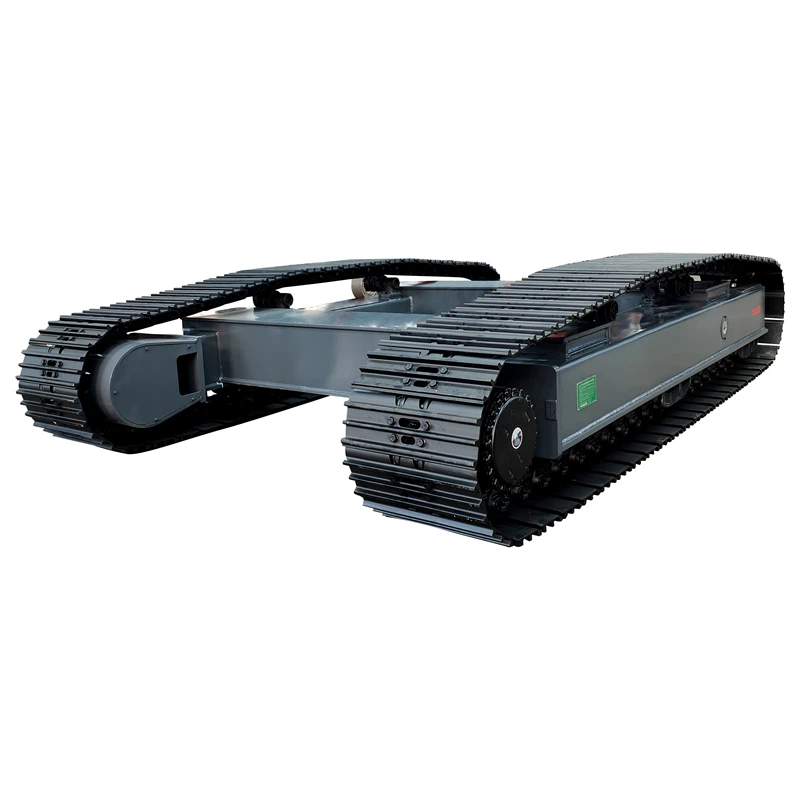
If a machine spends most of its time on rock, demolition rubble, quarry floors, or steep slopes, and rubber tracks are failing frequently, switching to steel tracks usually reduces cost over the life of the machine. Evaluating wear patterns, replacement intervals, and downtime will highlight when this transition becomes economically justified.
Rubber tracks can handle limited exposure to rough or rocky ground, but frequent contact with sharp aggregates, scrap metal, or demolition debris accelerates cuts, chunking, and cord exposure. When occasional rock work becomes a regular part of the duty cycle, a more robust track configuration or an alternative machine is advisable.
Excavator tracks should be replaced when they show deep cuts, exposed cords or bushings, repeated de-tracking, or when tread depth and traction drop below safe operating levels. Maintenance records and OEM guidelines provide clear thresholds for track replacement based on hours, wear, and performance indicators.
Steel tracks often provide superior traction on low-friction or uneven surfaces such as loose rock, compacted fill, or steep grades. However, rubber tracks can deliver better grip and control on smooth, wet, or paved surfaces, while also avoiding damage to finished ground and reducing noise.
Wider tracks reduce ground pressure and improve flotation on soft soils, which can be critical for preventing sinkage. At the same time, excessive width can increase rolling resistance, side loading, and component wear in rocky conditions, so width should always be selected with terrain, machine weight, and application in mind.


