
Views: 222 Author: Amanda Publish Time: 2026-01-02 Origin: Site


Content Menu
● Understanding Tracked Undercarriage Basics
● Core Components of Excavator Undercarriage
>> Main structural and rolling parts
>> Drives, gearboxes, and motors
● Rigid vs Suspended Undercarriage Designs
● Step-by-Step: How to Build a Tracked Vehicle Undercarriage
>> 1. Define machine requirements
>> 3. Select and design components
>> 4. Integrate advanced drives: travel, winch, and swing
>> 5. Detail design for service and durability
● Maintenance Tips for Excavator Undercarriage
● Advanced Design Considerations for Tracked Undercarriages
● Hydraulic Systems and Control for Undercarriage Drives
● Typical Failure Modes in Excavator Undercarriage
● Best Practices for Sourcing and Upgrading Undercarriage Components
● FAQ
>> 1. What is an excavator undercarriage and why is it important?
>> 2. How do I choose the right track width for my excavator undercarriage?
>> 3. How often should an excavator undercarriage be inspected?
>> 4. What causes premature wear in excavator undercarriage components?
>> 5. Why are planetary gearboxes used in final drives and swing drives on tracked machines?
Designing and building a tracked vehicle undercarriage is about balancing load capacity, traction, durability, and cost while keeping service and integration practical. For an excavator undercarriage, that balance is even more critical because it must carry heavy upper structures, final drives, and work tools across rough terrain every day.[1][2][3][4]

A tracked vehicle undercarriage replaces wheels with continuous tracks that spread the machine's weight over a larger ground contact area. This reduces ground pressure and improves traction on soft, uneven, or sloped terrain compared with wheeled machines.[2]
In an excavator undercarriage, the system supports the entire machine weight, provides stability during digging, and transmits drive torque from the hydraulic motors through the final drives to the tracks. Key design parameters include track base length, track width, track gauge, roller spacing, and track pitch, which together define the machine's footprint and handling characteristics.[3][4][1]
A modern excavator undercarriage is a tightly integrated system of mechanical and hydraulic components arranged around the track frame. Each part has a specific function in supporting load, guiding the track, and transmitting power efficiently.[4][5][3]
- Track frame: The primary load-bearing structure that connects the excavator undercarriage to the upper structure and holds all undercarriage components in place. It distributes machine weight and resists bending under heavy loads.[4]
- Track chains and track shoes: Track shoes are the ground-contact plates, bolted to the track chain, which forms the continuous loop around idlers, rollers, and sprockets. Steel shoes are used on heavy excavator undercarriage systems for durability and traction, while rubber tracks appear on lighter tracked vehicles or compact equipment.[5][6][7][4]
- Bottom (track) rollers: These rollers carry most of the machine weight and keep the track chain properly supported along the ground side. They also help maintain alignment, reducing side loading and uneven wear of the excavator undercarriage tracks.[7][3][5][4]
- Carrier (top) rollers: Carrier rollers support the upper run of the track chain, preventing sag and guiding the track back toward the sprocket. Well-positioned carrier rollers improve track geometry and reduce vibration on the excavator undercarriage at travel speed.[5][7][4]
- Idlers and recoil assemblies: Idlers, typically at the front of each track frame, guide the track and help set tension. A recoil spring or hydraulic adjuster connected to the idler absorbs shock loads and allows the excavator undercarriage to maintain proper track tension as the chain wears or warms up.[8][7][4][5]
- Sprockets: Toothed sprockets at the rear engage with the track chain and are driven by the final drives. Accurate sprocket-to-chain pitch matching is essential to prevent jumping, noise, and accelerated wear in the excavator undercarriage.[4][5]
- Final drives / travel drives: Final drives combine a hydraulic travel motor with a planetary gearbox to convert high-speed, low-torque input into low-speed, high-torque output at the sprocket. This compact layout gives the excavator undercarriage the tractive effort needed to climb grades and push into difficult ground.[9][3]
- Planetary gearboxes: A planetary set with a sun gear, multiple planet gears, and a ring gear shares torque across several contact points, improving load capacity and durability. Such gearboxes also appear in winch drives, swing drives, and other high-torque functions associated with heavy tracked machines.[10][11][12][9]
- Hydraulic motors: Travel motors, swing motors, and winch motors are typically hydraulic units powered by the main pump, enabling smooth control of drive speed and torque. For an excavator undercarriage, the travel motors must handle shock loads, reversing, and frequent starts and stops without overheating.[11][13][3][9]
Tracked vehicle undercarriage systems are commonly built as rigid-mounted or suspended designs, with hybrids in some compact machines. The choice affects ride comfort, traction, and cost for both general tracked vehicles and specialized excavator undercarriage layouts.[14][15]
- Rigid-mounted undercarriage: In a rigid system, the undercarriage and mainframe move as one, with little or no suspension. This design is simpler, cheaper, and robust, making it a frequent choice for heavy excavator undercarriage assemblies in tough environments.[15][14]
- Suspended undercarriage: Suspended systems allow the track frames to move relative to the chassis, often with torsion axles and bogie wheels to absorb shock. These designs improve operator comfort and ground contact on uneven terrain but add complexity and cost compared with rigid excavator undercarriage structures.[14][15]
Building a high-quality tracked vehicle or excavator undercarriage involves structured design steps rather than simply assembling parts. The key is to move from requirements to detailed engineering and then to controlled assembly and testing.[16][1]
Start by defining what the tracked machine or excavator undercarriage must do in real applications.[2][16]
- Operating weight and load: Specify the total machine weight, including attachments, payload, and any auxiliary tools like hydraulic winches or cranes.[16][2]
- Terrain and environment: Consider soft soil, rock, swamp, or urban hard-stand conditions, which affect track shoe design and excavator undercarriage ground pressure targets.[6][2]
- Duty cycle: Determine expected travel frequency, average speed, and working hours per day, as these influence roller and sprocket life for the excavator undercarriage.[16]
Next, convert requirements into track geometry and ground contact properties.[1][2]
- Track base and gauge: Track base (distance between front idler and rear sprocket) and track gauge (distance between left and right track centers) define stability and turning behavior for the excavator undercarriage.[8][1]
- Track width and contact length: Wider tracks and longer contact zones reduce ground pressure and improve flotation but increase cost and drag. The goal is a footprint large enough to keep the excavator undercarriage stable without overloading drivetrain components.[1][2]
- Pitch and shoe style: Select chain pitch and shoe design appropriate to the terrain and machine size. Pitch choice directly affects sprocket size and wear behavior in the excavator undercarriage.[6][5][4]
With geometry fixed, choose or engineer the undercarriage parts.[4][16]
- Track frame: Design the frame to resist bending and torsion, allowing robust mounting of rollers, idlers, and final drives in the excavator undercarriage.[8][4]
- Rollers and idlers: Match roller diameter, spacing, and bearing capacity to the machine weight and expected ground reaction forces. Idler design should integrate a reliable recoil or tensioning system for the excavator undercarriage.[17][7][5]
- Sprockets and final drives: Coordinate chain pitch with sprocket tooth count and final drive output torque to meet tractive effort and speed requirements. Select planetary gearboxes and hydraulic travel motors sized for continuous operation in heavy excavator undercarriage service.[9][5]
- Hydraulic motors and transmissions: For travel, swing, and winch functions, specify hydraulic motors and planetary drives that match the machine's flow and pressure while providing safe margins for shock loads.[12][13][11]
A tracked vehicle that uses cranes, booms, or hoists needs more than just an excavator undercarriage; it must integrate winch transmissions, swing drives, and sometimes auxiliary hydraulic motors.[11][12]
- Travel drives: Each side of the excavator undercarriage receives a travel drive that couples a hydraulic motor to a planetary gearbox inside a compact housing. Proper sealing and lubrication are crucial for longevity under abrasive undercarriage conditions.[9][16]
- Winch drives: Planetary winch gearboxes paired with hydraulic motors deliver high torque in a compact envelope, ideal for lifting or pulling tasks mounted on tracked carriers. Designing the undercarriage to handle these extra reaction loads protects the excavator undercarriage from structural fatigue.[13][12][2]
- Swing drives: Swing drives use planetary gears and a hydraulic swing motor to rotate the upper structure relative to the excavator undercarriage. The swing pinion meshes with a slewing ring attached to the undercarriage carbody, so accurate alignment and rigidity are essential.[11]
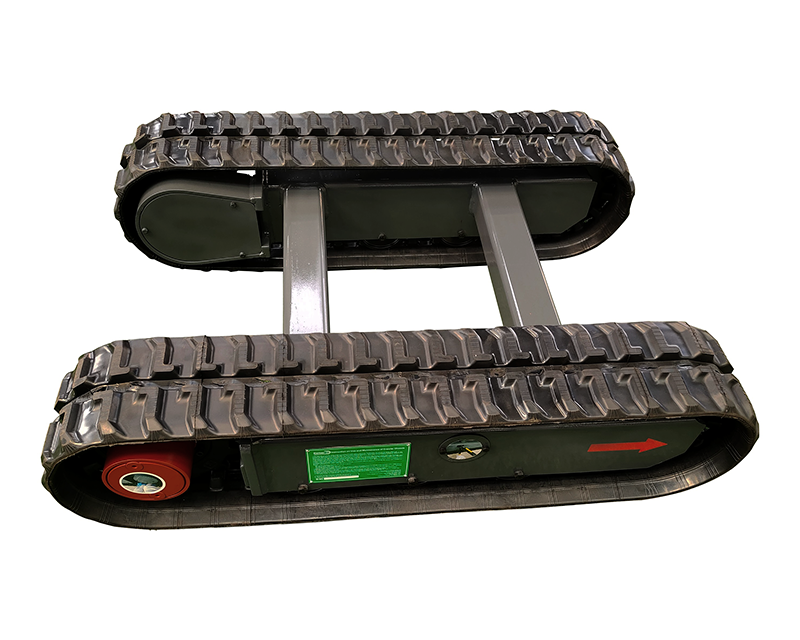
A high-performing excavator undercarriage must be maintainable and resistant to wear.[3][16]
- Wear surfaces and seals: Hardened surfaces on rollers, idlers, and sprocket teeth extend life under abrasive conditions typical of excavator undercarriage work. Good sealing protects bearings and final drives from contamination.[17][5][16]
- Tension adjustment: Design accessible grease-type or mechanical adjusters so technicians can safely set track tension, which is vital for controlling wear and reducing derailment risk in the excavator undercarriage.[18][5]
- Modular assemblies: Using modular roller frames, bolt-on guards, and standardized planetary gearboxes simplifies parts stocking and service for fleets of tracked and excavator undercarriage machines.[19][16]
The assembly stage converts the design into a functioning undercarriage.[18][8]
- Frame preparation: Weld and machine the track frames, then install mounting brackets for rollers, idlers, and final drives according to excavator undercarriage tolerances.[18][8]
- Installing rollers and idlers: Press-fit bearings, mount rollers and idlers, and confirm alignment to reduce side loading on the excavator undercarriage track chain.[5][18]
- Mounting final drives and motors: Bolt final drives and hydraulic motors to the frames with proper torque, then connect hoses, ensuring clean hydraulic circuits for the excavator undercarriage travel system.[9][18]
- Fitting track chains and shoes: Assemble track chains, attach shoes, then install the chain around sprockets and idlers, adjusting tension to the manufacturer's specifications.[5][18]
Before a tracked machine or excavator undercarriage goes into the field, it should pass structured tests.[16][18]
- Static and dynamic load tests: Verify that the undercarriage can safely carry rated loads and resist deformation under cornering and climbing conditions.[8][16]
- Travel and braking checks: Test low-speed and high-speed travel, turning, and braking, confirming smooth coordination between hydraulic travel motors, planetary gearboxes, and the excavator undercarriage track system.[3][9]
- Wear and contamination evaluation: After test cycles, inspect rollers, chains, and final drives for early signs of wear or leakage, correcting any alignment issues in the excavator undercarriage.[3][16]
Even the best-designed tracked vehicle or excavator undercarriage will fail prematurely without proper maintenance. Regular inspection and correct operating practices dramatically extend undercarriage life and reduce downtime.[17][3][16]
- Daily walk-around: Check for loose bolts, cracked shoes, oil leaks at final drives, and abnormal wear patterns on rollers and idlers of the excavator undercarriage.[17][3]
- Track tension control: Over-tight tracks increase load on rollers and final drives, while loose tracks increase derailment risk and impact loading; both conditions shorten excavator undercarriage life.[3][5]
- Cleaning and lubrication: Removing packed mud and debris reduces corrosion and abrasive wear, especially around rollers and sprockets in the excavator undercarriage.[16][3]
- Operating practices: Avoid high-speed travel on abrasive surfaces, sharp pivot turns on hard ground, and sudden direction changes, all of which accelerate excavator undercarriage wear.[3][16]
Beyond basic sizing, advanced design choices can significantly improve the performance of an excavator undercarriage and other tracked platforms.[14][1]
- Ground pressure optimization: Using contact length, track width, and machine weight, designers target a ground pressure range that matches soil conditions and reduces sinkage, which is vital for excavator undercarriage stability during digging.[2][1]
- Center of gravity and stability: The longitudinal and lateral position of the center of gravity relative to the excavator undercarriage footprint affects tipping margins on slopes and during lifting operations with booms or winches.[8][16]
- Noise and vibration control: Rubberized components, optimized roller spacing, and refined sprocket tooth profiles help limit noise and vibration transmitted from the excavator undercarriage to the operator station and structure.[15][14]
The hydraulic system is the power backbone for travel, swing, and often winch drives on tracked equipment using an excavator undercarriage.[11][9]
- Closed-loop vs open-loop circuits: Travel drives on larger excavator undercarriage systems often use closed-loop hydrostatic circuits for precise speed control and efficiency, while auxiliaries like winches may use open-loop circuits.[13][9]
- Flow sharing and priority: Modern control valves allocate flow between travel, swing, and work functions so that the excavator undercarriage can move while the upper structure digs or lifts.[11][3]
- Load-sensing and pressure control: Load-sensing pumps and proportional valves adjust flow and pressure to match demand, protecting final drives, planetary gearboxes, and the rest of the excavator undercarriage from overload.[9][16]
Recognizing early symptoms of failure in an excavator undercarriage allows timely intervention and avoids major breakdowns.[16][3]
- Abnormal wear patterns: Tapered or cupped wear on rollers and idlers can signal misalignment or uneven track tension in the excavator undercarriage.[5][3]
- Chain stretch and pitch growth: As pins and bushings wear, the track pitch increases, causing poor engagement with the sprocket and accelerating wear in the excavator undercarriage drive path.[4][5]
- Leaking seals and overheating: Oil leaks at final drives or rollers, accompanied by temperature rise, indicate seal damage or lubrication failure that threatens the excavator undercarriage components.[3][16]
For fleets working in demanding conditions, strategic sourcing and upgrading of key elements in the excavator undercarriage can reduce total cost of ownership.[19][16]
- Quality-graded components: Premium rollers, idlers, and track chains with hardened surfaces and robust seals offer longer life in harsh excavator undercarriage environments than economy parts.[19][17]
- Correct specification matching: Underspecifying sprockets, gearboxes, or hydraulic motors for a heavier or more powerful machine can lead to chronic failures in the excavator undercarriage.[9][16]
- Planned replacement cycles: Monitoring wear measurements and scheduling replacement of chains, sprockets, and rollers together minimizes mismatch and improves excavator undercarriage reliability.[18][3]
Designing and building a tracked vehicle undercarriage, and especially a durable excavator undercarriage, starts with clear performance requirements and careful sizing of the track system. From there, success depends on selecting robust components—track frames, rollers, idlers, sprockets, hydraulic motors, planetary gearboxes, and final drives—and integrating them into a maintainable, test-proven structure that can thrive in real-world conditions. Consistent inspection, proper track tensioning, and contamination control then protect the excavator undercarriage investment over thousands of operating hours, while thoughtful upgrades and hydraulic control strategies further enhance productivity and reliability.[1][2][4][9][16][3]
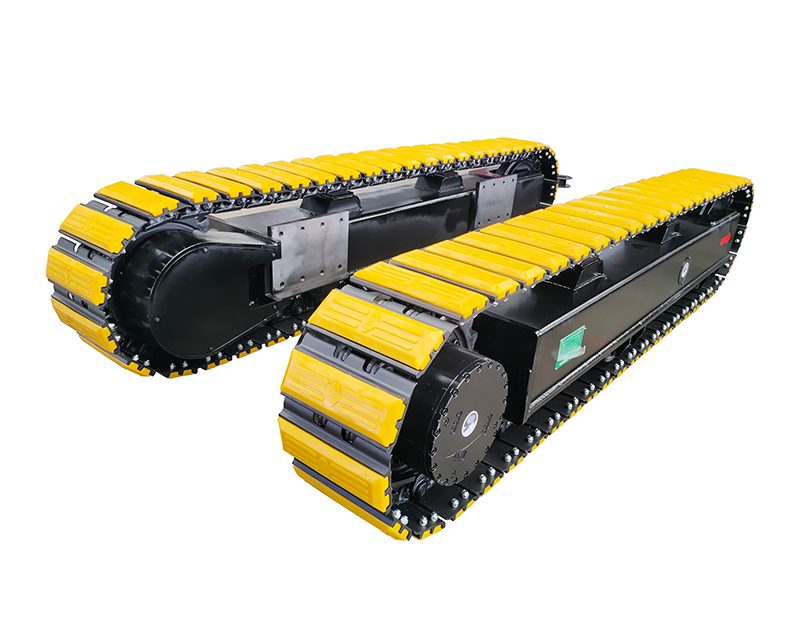
An excavator undercarriage is the lower structural and drive system that supports the machine, provides stability, and enables tracked movement via chains, shoes, rollers, idlers, and sprockets. It is important because it carries the full machine weight, transmits tractive effort, and directly affects productivity, fuel efficiency, and operating cost throughout the machine's life.[4][5][16][3]
Track width must balance flotation, stability, and rolling resistance for the excavator undercarriage. Wider tracks reduce ground pressure and improve performance on soft soils but can raise component loads and cost, so width should match machine weight, lift requirements, and typical terrain instead of being maximized blindly.[2][1][16]
An excavator undercarriage should receive at least a quick visual inspection every operating day and a detailed measurement-based inspection at regular intervals defined in the service schedule. Frequent checks of rollers, idlers, sprockets, track tension, and final drives help detect problems early and extend excavator undercarriage life significantly.[17][16][3]
Common causes include incorrect track tension, misalignment, packed debris, high-speed travel on abrasive surfaces, and neglecting lubrication or seal damage. These issues raise contact stresses and heat, accelerating wear on chains, rollers, sprockets, and final drives in the excavator undercarriage and eventually leading to costly downtime.[5][16][3]
Planetary gearboxes provide high torque in a compact, robust package by distributing load across multiple planet gears around a central sun gear. This design is ideal for final drives and swing drives on excavators, where the undercarriage and upper structure demand high torque at low speed under heavy shock loading typical of digging and lifting operations.[10][11][9]
[1](https://elibrary.asabe.org/azdez.asp?JID=7&AID=26870&T=2)
[2](https://www.crawlerundercarriage.com/news/the-application-of-tracked-undercarriage-in-engineering-transport-vehicles/)
[3](https://hawkexcavator.com/excavator-undercarriage/)
[4](https://northamericantrack.com/en/blog/the-ultimate-guide-to-excavator-undercarriage-parts)
[5](https://www.conequip.com/part-diagram-excavator-undercarriage)
[6](https://primesourceco.com/latest-news/a-guide-to-rubber-track-equipment-undercarriage-system/)
[7](https://www.ynfmachinery.com/excavator-undercarriage-parts-name-functions-guide/)
[8](https://www.holtcat.com/Portals/0/undercarriage/Undercarriage%20selection%20guide.pdf)
[9](https://zhihete.com/understanding-the-excavator-final-drive/)
[10](https://shop.dovertwg.com/mechanical/planetary-gear-drives/planetary-gear-drives-with-glide-swing-TWI)
[11](https://www.hrparts.com/blog/post/what-is-swing-drive-diagram)
[12](https://www.bonfiglioli.com/usa/en/product/fw-series-o-k_winch-drives_winch-drives)
[13](https://www.ini-hydraulic.com/hydrostatic-winch)
[14](https://www.asvi.com/news/understanding-undercarriages/)
[15](https://www.traceyroad.com/compact-track-loaders-which-undercarriage-is-best/)
[16](https://www.everpads.com/blog/ultimate-guide-undercarriage-parts-maintenance-selection-tips)
[17](https://www.fortishd.com/blogs/repair/understanding-the-undercarriage-of-heavy-equipment)
[18](https://www.west-trak.co.nz/wp-content/uploads/2019/01/Undercarriage-Handbook-low-res.pdf)
[19](https://attachmentsking.com/collections/excavator-undercarriage-parts)


