
Views: 222 Author: Amanda Publish Time: 2026-01-03 Origin: Site


Content Menu
● Core Components of a Hydraulic Winch
>> Planetary Gearbox and Winch Transmission
>> Frame, Support Shaft, and Mounting
>> Hydraulic Power Pack and Circuit
● Step-by-Step: How to Build a Hydraulic Winch
>> 1. Define Requirements and Duty Cycle
>> 2. Select Power Source and Hydraulic Parameters
>> 3. Size the Motor and Gearbox
>> 4. Design the Drum and Rope Layout
>> 5. Integrate Brake and Clutch Systems
>> 6. Engineer the Frame and Mounting
>> 7. Build the Hydraulic Circuit
>> 8. Test, Tune, and Document
● Advantages of a Hydraulic Winch System
● Safety and Maintenance Best Practices
● Frequently Asked Questions (FAQ)
>> 1. What makes a hydraulic winch better than an electric winch?
>> 2. Can a hydraulic winch run off my vehicle's power steering?
>> 3. How do I size a hydraulic winch for my application?
>> 4. What maintenance does a hydraulic winch need?
>> 5. Is a hydraulic winch suitable for marine environments?
A well-designed hydraulic winch delivers continuous, high-torque pulling power for construction, marine, and off-road applications when correctly engineered around its hydraulic system and mechanical drivetrain. This guide walks through the key concepts, components, and step-by-step process needed to build a safe, efficient hydraulic winch for demanding industrial use.

A hydraulic winch is a pulling device driven by pressurized hydraulic fluid rather than electricity, providing high torque and continuous duty performance. It consists of a hydraulic motor, planetary gearbox, drum, brake, frame, and control valves integrated into a hydraulic circuit fed by a pump and reservoir.
Hydraulic winches are widely used in marine, construction, recovery, and industrial applications where long duty cycles and high loads are required. Compared with electric units, a hydraulic winch maintains pulling power as long as the hydraulic power source runs, making it ideal for professional operations.
- Typical applications include ship deck lifting, towing, drilling rigs, tracked machinery recovery, and crane auxiliary hoists.
- Common power sources include vehicle power-steering pumps, PTO-driven pumps, or dedicated hydraulic power packs.
Because the hydraulic winch uses oil as the energy transfer medium, it can be sealed against harsh environments and still deliver reliable performance. This makes the hydraulic winch especially attractive for offshore workboats, construction equipment, and specialized tracked machines.
A hydraulic winch converts hydraulic energy from pressurized fluid into rotational motion that winds or unwinds rope on a drum. When the operator actuates the control valve, fluid flows from the pump to the hydraulic motor, which drives a planetary gearbox and drum assembly.
The hydraulic winch system is usually a closed or semi-closed loop that controls speed and direction by regulating flow and pressure. Safety devices such as pressure relief valves and multi-disc brakes protect the system from overload and prevent uncontrolled load drops.
- Increasing flow raises line speed, while increasing pressure raises line pull.
- Directional control valves reverse fluid flow to switch between pulling in and paying out the cable.
In a typical installation, the hydraulic winch receives fluid from a central hydraulic manifold that may also power other functions. The operator manages the hydraulic winch with a joystick, lever, or remote input that proportionally controls spool movement in the main valve.
A robust hydraulic winch design starts with correctly specifying each component to match the target load, duty cycle, and environment. The following elements form the foundation of any industrial hydraulic winch.
The hydraulic motor converts oil pressure and flow into shaft torque and speed to drive the winch drum. For a high-capacity hydraulic winch, low-speed high-torque motors are often chosen to simplify the drivetrain.
- Key parameters include displacement, maximum pressure, maximum speed, and efficiency.
- The motor must be matched so that its torque at system pressure covers required line pull with a suitable safety margin.
Radial piston motors and gerotor-type LSHT motors are both common in hydraulic winch design. Choosing between them depends on desired speed range, noise levels, and cost. For very high loads and low speeds, a high-torque radial piston motor is often preferred in a heavy-duty hydraulic winch.
Most hydraulic winch systems use a compact planetary gearbox to multiply torque from the motor and reduce speed before it reaches the drum. Planetary gearboxes distribute load across multiple planet gears, resulting in high torque density within a small footprint.
- A properly selected gearbox ensures the hydraulic winch can hold and move maximum rated loads with a safety margin.
- Gearbox integration with drum and brake is common in heavy-duty winch modules for tracked undercarriages and hoisting systems.
The gear ratio you select defines the relationship between motor speed and drum speed. A higher reduction ratio increases torque at the drum but lowers line speed, so an optimal balance is crucial when tuning a hydraulic winch for both power and productivity.
The winch drum carries the rope or cable and directly determines line capacity and layer behavior. Drum diameter, width, and flange height must be balanced to provide the necessary rope length without causing crushing or excessive fleet angle.
- Rope selection (wire rope vs synthetic) depends on environment, required flexibility, and safety factors.
- A fairlead guides the rope onto the drum, reducing side loading and extending rope life in any hydraulic winch installation.
For heavy pulling, steel wire rope remains common, but modern high-strength synthetic lines are increasingly popular because they are lighter and safer in case of failure. When specifying a hydraulic winch, ensure the drum surface finish, groove pattern, and anchoring method match the chosen rope.
A multi-disc hydraulic or spring-applied brake holds the load when the hydraulic winch is stopped, engaging automatically on pressure loss. This fail-safe feature prevents accidental unwinding if a hose fails or the pump stops.
- Optional clutches provide free-spooling of the drum for rapid rope deployment, then re-engage for powered retrieval.
- Brake performance must be rated above maximum static line pull for safety and regulatory compliance.
In a typical hydraulic winch, the spring-applied brake is released by hydraulic pressure when the operator commands movement. When the control is returned to neutral, pressure drops, the brake re-applies, and the hydraulic winch safely holds the load.
A rigid frame or base weldment maintains alignment between drum, gearbox, and motor during high-torque operation. The support shaft and bearings are designed to carry torsional and radial loads transmitted by the hydraulic winch during lifting and pulling cycles.
- Mounting points should match the machine's chassis, crane pedestal, or deck structure, with adequate reinforcement.
- For tracked machinery, integration with undercarriage structures requires careful load path analysis and welding procedures.
The frame of the hydraulic winch must also include protective guards around rotating elements, as well as access points for lubrication and inspection. Good structural design helps the hydraulic winch withstand shock loads and dynamic braking forces.
The hydraulic winch relies on a correctly sized pump, reservoir, filters, and valves to provide clean, pressurized fluid. Many vehicle-mounted hydraulic winch systems use PTO-driven gear pumps or power-steering pumps on light vehicles.
- Directional control valves set speed and direction and may include proportional control for smooth operation.
- Return-line filters and coolers help maintain oil cleanliness and temperature within recommended limits.
In a centralized machine system, the hydraulic winch is one of several consumers connected to a common pressure line. Pressure-compensated pumps and load-sensing valves are often used to balance the needs of the hydraulic winch with those of other actuators without sacrificing control precision.
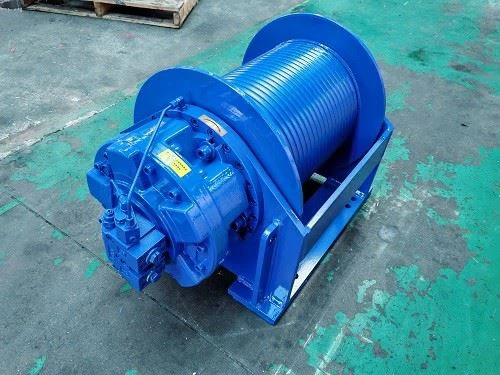
Before sizing any component, define what your hydraulic winch must do. Clear requirements prevent under-engineering or over-spending on unnecessary capacity.
- Determine maximum line pull and safety factor, often two to three times the working load.
- Specify line speed, rope length, number of layers, operating environment, and expected daily operating hours.
Also consider whether the hydraulic winch will perform lifting (vertical) or pulling (horizontal) duties, because lifting requires stricter safety margins and additional load-holding measures. Environmental aspects such as salt spray, sand, and temperature extremes will influence material and seal selection.
Choose how the hydraulic winch will be powered: vehicle PTO, dedicated diesel power pack, or existing hydraulic system. This decision determines usable pressure and flow, which in turn control available line pull and speed.
- Typical system pressures in heavy-duty hydraulic winches range from moderate to very high, depending on industrial standards.
- Calculate required flow to achieve target drum speed and specify pump displacement accordingly.
If the hydraulic winch shares the hydraulic supply with travel drives or swing drives, ensure the pump and engine can support simultaneous peak demands. In some cases, an independent circuit is justified to guarantee that the hydraulic winch always has priority power in critical operations.
Using the required line pull and drum radius, calculate needed output torque, then back-calculate motor torque and gearbox ratio. A planetary gearbox lets the hydraulic motor run at efficient speed while the drum turns more slowly with high torque.
- Ensure the hydraulic winch motor's torque at operating pressure exceeds calculated requirements with margin.
- Verify gearbox maximum torque rating and service factor for continuous operation.
Engineers often generate performance charts that relate motor displacement and system pressure to line pull at each drum layer. These charts help confirm that the hydraulic winch still meets minimum pull even when the rope builds up on the drum and effective radius increases.
With torque and geometry established, design a drum diameter and width that accommodate the rope length and layer count. Larger diameters reduce rope bending stress, while correct flange height keeps layers from spilling.
- Use conservative rules for drum width and flange height to prevent side spooling and crushing.
- Specify a suitable rope type and termination compatible with the hydraulic winch drum anchoring system.
For a multi-layer hydraulic winch, the first layer carries the highest load, and upper layers progressively reduce effective pulling force as the radius grows. This factor must be considered when rating the hydraulic winch so operators understand safe working loads at different payout lengths.
Select a brake that automatically engages when hydraulic pressure drops, holding the load if the system fails. Integrating the brake with the gearbox or drum simplifies assembly and maintenance.
- If rapid deployment is required, add a clutch for free-spooling, clearly indicating engagement status to the operator.
- Test the brake's holding capacity at maximum rated load and worst-case drum layer.
In some hydraulic winch configurations, a counterbalance valve is added to complement the mechanical brake, helping to control lowering speed and prevent runaway loads. Combining hydraulic control with mechanical holding provides multiple layers of safety.
Design a frame that maintains precise alignment between the hydraulic motor, planetary gearbox, and drum under peak loads. Use structural analysis or conservative design rules to size beams, plates, and welds.
- Provide easy access for rope inspection, lubrication points, and brake adjustment on the hydraulic winch assembly.
- Include lifting lugs and tie-downs for safe transport and installation.
When integrating the hydraulic winch into tracked machinery or marine decks, consider how forces travel into the main structure. A good practice is to align the pulling direction with reinforced structural members, minimizing twisting and bending loads on the hydraulic winch frame.
Lay out hoses, hard lines, and valves in a compact, serviceable arrangement that minimizes pressure drops. Use rated hoses and fittings that exceed maximum working pressure with appropriate safety factors.
- Incorporate pressure relief valves, counterbalance valves for hoisting, and load-holding features to stabilize the hydraulic winch.
- Install a schematic diagram in the service manual so technicians can troubleshoot the hydraulic winch quickly.
Routing hoses away from sharp edges and hot surfaces extends their life and reduces the risk of leaks. Support brackets and clamps are essential elements of a professional hydraulic winch build, even though they are often overlooked during early design.
Once assembled, test the hydraulic winch at low loads to verify rotation, control response, and leak-free operation. Progressively increase load while monitoring pressures, temperatures, and noise for signs of misalignment or cavitation.
- Record operating curves for line pull versus drum layers and line speed versus flow for future reference.
- Provide user manuals, hydraulic schematics, and safety instructions for operators and service personnel.
Documenting torque settings, commissioning pressures, and winch operating limits is invaluable over the life of the hydraulic winch. This information supports training, maintenance, and future upgrades or re-rating of the equipment.
Properly built hydraulic winches offer several advantages over electric alternatives in heavy-duty environments. These benefits are especially important for marine, construction, and tracked equipment where reliability and duty cycle are critical.
- High continuous duty performance with minimal risk of overheating under long pulls.
- High torque at low speeds, ideal for controlled lifting and precise positioning.
- Better environmental robustness since hydraulic components are sealed and tolerant of moisture and dirt.
Another major advantage is the ability to integrate the hydraulic winch with existing hydraulic infrastructure. When a machine already has a strong hydraulic system, adding a hydraulic winch is more efficient than installing a high-capacity electrical system solely for winching duties.
Hydraulic winches also provide smoother, more controllable motion, especially when equipped with proportional valves and advanced control logic. This smoothness reduces shock loads on structures and improves safety.
Hydraulic winch safety starts with correct sizing, protective devices, and operator training. Regular inspection of mechanical and hydraulic components reduces the risk of failures during critical lifts.
- Inspect hoses, fittings, rope, and anchors for wear, corrosion, or leaks before each use.
- Verify brake function and emergency stop behavior under controlled conditions at regular intervals.
Planned maintenance for a hydraulic winch includes oil changes, filter replacement, and periodic torque checks on structural fasteners. Following manufacturer guidelines and general winch design standards helps ensure service life aligns with the intended duty cycle.
In addition, operators should be trained to stand clear of the line of pull and avoid shock loading the hydraulic winch. Clear communication, well-marked danger zones, and appropriate personal protective equipment all contribute to safer hydraulic winch operation.
Building a high-performance hydraulic winch requires careful coordination of hydraulic power, planetary gearing, drum design, brakes, and structural mounting. By defining load requirements, sizing hydraulic components correctly, and following proven winch design practices, it is possible to create a hydraulic winch that delivers safe, reliable power in demanding industrial and marine environments. When integrated with a robust hydraulic system and backed by proper maintenance and training, a custom-built hydraulic winch becomes a long-term asset for lifting and pulling tasks across multiple industries.
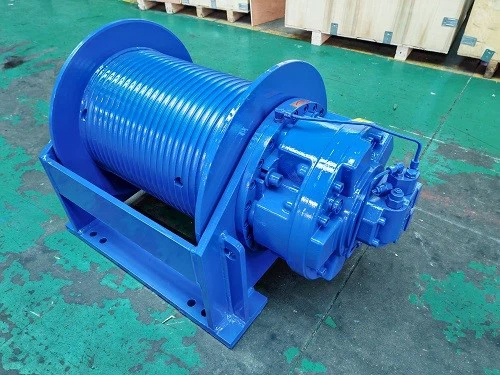
A hydraulic winch is often better for heavy, continuous duty because hydraulic systems dissipate heat efficiently and are designed for long run times. Electric winches usually face duty-cycle limits, while a hydraulic winch can operate as long as the hydraulic power source is running, making it ideal for professional recovery, marine, and construction tasks.
Yes, many automotive hydraulic winch kits use the vehicle's power steering pump as the hydraulic power source. This allows the hydraulic winch to deliver strong, consistent pulling power without overloading the electrical system, provided the pump and hoses are adequately rated and the installation follows manufacturer guidelines.
Start with maximum load, desired safety factor, and line speed, then calculate required line pull and torque at the drum. From there, select a combination of drum diameter, hydraulic motor, planetary gearbox, and system pressure that allows the hydraulic winch to meet or exceed those requirements on the first drum layer, while also checking performance at higher layers.
A hydraulic winch requires routine inspection of hoses, seals, and rope, as well as regular oil and filter changes in the hydraulic circuit. Periodic brake testing, bolt torque checks, and visual inspection of the drum, frame, and gear housing for signs of fatigue or leakage are also essential to keep the hydraulic winch operating safely and efficiently.
Hydraulic winches are widely used on ships and offshore platforms because they tolerate moisture, provide stable torque, and can be sealed against corrosion. For marine use, the hydraulic winch is typically protected with special coatings, stainless or galvanized hardware, and enhanced filtration, ensuring reliable performance in salt-laden, high-humidity conditions.


