
Views: 222 Author: Amanda Publish Time: 2026-01-08 Origin: Site


Content Menu
● Main Components in the Winch Circuit
● Open‑Center vs Closed‑Center Winch Circuits
● Step‑by‑Step: How the Hydraulic Circuit Works
>> Spooling in (hoisting / pulling)
>> Controlled lowering and spooling out
>> Load holding and emergency stopping
● Key Design Considerations for Hydraulic Winch Circuits
● Advanced Control Options for Hydraulic Winch Systems
● Common Problems and Troubleshooting in Hydraulic Winch Circuits
● Maintenance Best Practices for Hydraulic Winch Systems
● FAQ About Hydraulic Winch Circuits
>> (1) How does a Hydraulic Winch differ from an electric winch?
>> (2) Why does a Hydraulic Winch need a brake valve?
>> (3) Can a Hydraulic Winch run on both open‑center and closed‑center systems?
>> (4) How is line speed controlled on a Hydraulic Winch?
>> (5) What maintenance does a Hydraulic Winch circuit require?
A Hydraulic Winch uses pressurized oil to drive a hydraulic motor, which then rotates the drum to pull or release wire rope under heavy load. The hydraulic circuit around the Hydraulic Winch controls oil pressure, flow direction, speed, and braking to keep lifting and lowering safe and precise.[1][2][3]
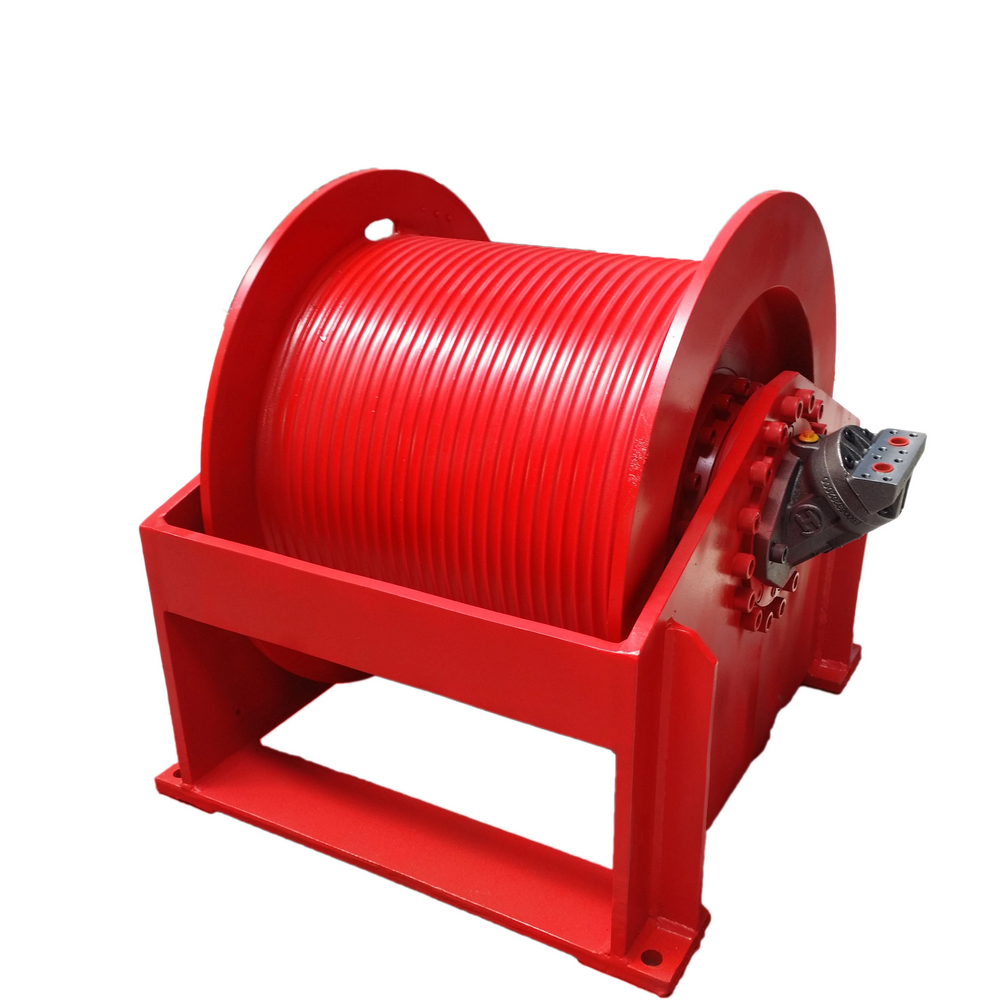
A Hydraulic Winch converts hydraulic energy into rotational torque at the drum through a hydraulic motor and gear reduction. The winch circuit manages oil from the pump to the motor via valves, hoses, and safety components so that the Hydraulic Winch can pull, hold, or pay out loads smoothly.[2][4][5][1]
- Hydraulic Winch systems typically consist of a hydraulic pump, reservoir, filters, directional control valve, hydraulic motor, brake valve, mechanical brake, and drum with rope.[4][5][1]
- The circuit follows Pascal's law, where pressure applied to the hydraulic fluid is transmitted equally to actuate the motor and brake mechanisms of the Hydraulic Winch.[4]
The performance and safety of a Hydraulic Winch depend on how each hydraulic component is selected and integrated. Understanding these elements helps designers and OEM buyers specify the right Hydraulic Winch package for their machines.[6][1][4]
- Pump and prime mover: A gear, piston, or power‑steering pump delivers flow and pressure from the engine or power unit to run the Hydraulic Winch.[7][8][1]
- Directional control valve: This valve routes flow to either side of the winch motor to control spooling in or out and provides a neutral position when the Hydraulic Winch is idle.[8][9][1]
- Hydraulic motor: The motor converts pressure and flow into torque and speed; its output shaft drives the drum through a planetary gearbox in most Hydraulic Winch designs.[5][1][7]
- Load‑holding brake and brake valve: A multi‑disc brake holds static loads, while a dedicated load‑control or lowering brake valve keeps the Hydraulic Winch from overrunning under gravity.[3][10][5]
- Reservoir, filters, and cooling: A tank, suction and return filters, and sometimes an oil cooler maintain clean, temperature‑controlled fluid to protect the Hydraulic Winch circuit.[1][6]
A Hydraulic Winch can be powered from either an open‑center or closed‑center hydraulic system, and this choice affects efficiency, heat, and control quality. For mobile equipment, matching the Hydraulic Winch circuit to the host machine's hydraulic architecture is crucial.[11][12][13][8]
| System type | How it works for a Hydraulic Winch | Typical use in Hydraulic Winch applications |
| Open‑center | Pump flow circulates continuously through the valve back to tank when the Hydraulic Winch is not operating, with pressure building only when the valve is actuated. [8][13] | Simpler and cheaper installations on trucks or machinery where the Hydraulic Winch is an auxiliary function and long duty cycles are moderate. [8][12] |
| Closed‑center | Pump maintains system pressure while varying flow; the valve closes in neutral and the pump destrokes when the Hydraulic Winch is idle. [8][11][9] | Higher power Hydraulic Winch packages on modern heavy equipment needing precise speed and torque control with better fuel efficiency. [8][11] |
- Open‑center Hydraulic Winch circuits often use gear pumps and simple monoblock valves, making plumbing straightforward but generating more heat under continuous flow.[12][8]
- Closed‑center Hydraulic Winch circuits use load‑sensing or pressure‑compensated pumps to reduce wasted energy, ideal for high‑duty marine or construction winching.[9][8][11]
The Hydraulic Winch circuit can be explained as a sequence of energy conversions and control actions from pump start‑up to load holding. Each phase of operation involves different valve positions, pressures, and flows that determine how the Hydraulic Winch behaves.[2][3][5][1]
In neutral, the directional valve does not send flow to the winch motor, and the brake valve keeps the mechanical brake applied so that the Hydraulic Winch drum cannot rotate. Depending on the system type, pump flow either circulates via the open‑center path or the closed‑center pump reduces displacement while the Hydraulic Winch awaits command.[10][3][8][9]
- Pressure relief valves protect the Hydraulic Winch circuit from over‑pressure surges, especially during sudden shock loads or hose blockages.[6][1]
- Load‑control valves around the motor use system pressure to keep the brake closed unless a valid pilot signal is present, preventing unintended load movement.[3][10]
When the operator shifts the directional valve to pull in, pressurized oil flows to the “A” port of the motor while the opposite side returns oil to tank. The pilot line simultaneously releases the brake via the brake valve, allowing the Hydraulic Winch drum to rotate under controlled torque.[5][10][1][2][3]
- By adjusting valve spool position or a flow‑control section, the operator can regulate motor speed and therefore line speed of the Hydraulic Winch.[1][6]
- Higher system pressure increases torque on the motor shaft, enabling the Hydraulic Winch to pull heavier loads or work with multi‑layered rope on the drum.[4][1]
When lowering, the suspended load tends to drive the motor, so the winch circuit must prevent uncontrolled acceleration. A counterbalance or lowering brake valve meters the return flow and uses load pressure to modulate braking, ensuring that the Hydraulic Winch pays out smoothly.[10][3]
- The lowering brake valve maintains a pressure ratio between motor ports so that the Hydraulic Winch cannot free‑run, even if the operator commands rapid payout.[3]
- Advanced integrated load‑control valves reduce pressure spikes and jerky motion, improving safety and comfort when the Hydraulic Winch handles sensitive loads.[10]
When the control lever returns to neutral, flow to the motor stops and pilot pressure to the brake is removed. The spring‑applied multi‑disc brake engages, locking the Hydraulic Winch drum and holding the load even if the main hydraulic supply is shut off.[5][3][10]
- Some Hydraulic Winch circuits also incorporate pipe‑rupture safety functions in the brake valve so that a hose failure does not cause sudden load drop.[3][10]
- Because hydraulic motors are not self‑locking, the dedicated brake is essential to ensure that the Hydraulic Winch meets industry safety standards in lifting and towing applications.[3]
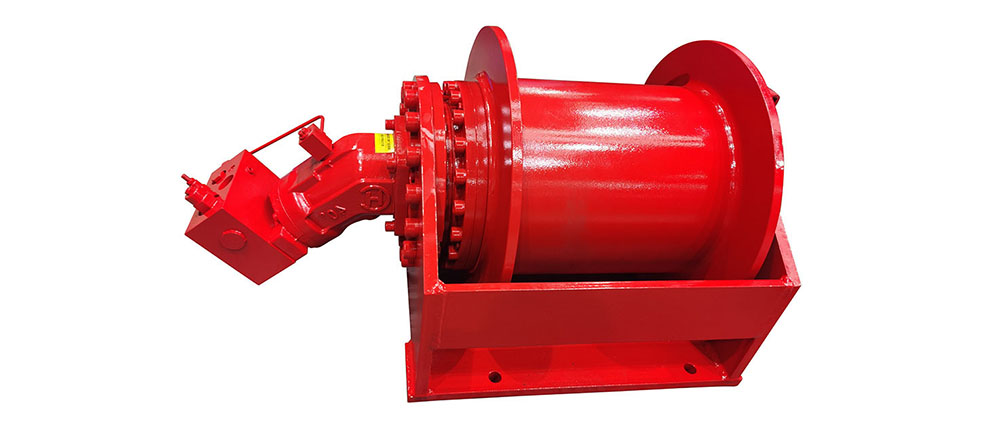
Proper circuit design ensures that a Hydraulic Winch delivers the required line pull, speed, and duty cycle while remaining reliable in harsh working environments. OEM engineers must balance pump size, valve selection, motor displacement, and safety devices when configuring a Hydraulic Winch package.[8][6][1][4]
- Torque and speed sizing: Required line pull and drum diameter define the torque demand, which translates into motor displacement and system pressure for the Hydraulic Winch.[1][4]
- Duty cycle and cooling: High‑duty lifting, marine, or industrial applications may require extra cooling capacity and higher‑efficiency pumps to keep Hydraulic Winch oil temperatures under control.[11][1]
- System integration: When the Hydraulic Winch shares hydraulics with other functions like travel drives or swing drives, load‑sensing and priority valves help allocate flow without starving critical circuits.[6][8][11]
- Environmental conditions: Corrosion‑resistant materials, seal selection, and protective coatings ensure that the Hydraulic Winch circuit withstands marine atmospheres, mud, dust, or extreme temperatures.[14][4]
Modern applications demand more precise control and automation from every Hydraulic Winch installation. To meet these needs, engineers increasingly add proportional valves, electronic controls, and integrated safety blocks to the Hydraulic Winch circuit.[14][11][10]
- Proportional and servo valves: These valves regulate flow and pressure electronically to provide smooth acceleration and deceleration of the Hydraulic Winch, improving handling of delicate loads.[11][10]
- Load‑sensing control: In load‑sensing circuits, the pump only delivers the pressure and flow required by the load, which reduces fuel consumption and heat while keeping the Hydraulic Winch responsive.[8][11]
- Integrated load‑control blocks: Compact manifolds that combine brake, counterbalance, and relief functions minimize external piping and reduce the risk of leaks in the Hydraulic Winch circuit.[10][3]
Electronic control units can monitor pressure, motor speed, and rope layer count to optimize the operation of the Hydraulic Winch and log data for preventive maintenance. In marine or offshore environments, such monitoring is particularly valuable because the Hydraulic Winch often runs under variable sea and weather conditions.[14][10]
Even a well‑designed Hydraulic Winch can experience performance issues if components wear, settings drift, or contamination enters the oil. Understanding typical symptoms helps maintenance teams diagnose the hydraulic circuit and restore the Hydraulic Winch to normal operation.[6][1][3]
- Slow or weak pulling: Low system pressure, pump wear, partially blocked filters, or internal leakage in the motor or valves can reduce the pulling capacity of the Hydraulic Winch.[1][6]
- Erratic lowering or load “free fall”: Maladjusted or contaminated lowering brake valves may cause surging or poor control when the Hydraulic Winch pays out under load.[3]
- Overheating: Excessive throttling, undersized coolers, or continuous open‑center flow can make oil temperature rise, shortening seal and component life in the Hydraulic Winch circuit.[8][6]
- Noisy operation: Cavitation at the pump inlet, aerated oil, or misaligned drivetrain components can create vibration and noise when the Hydraulic Winch is running.[6]
Regular checks of pressure at key test ports, temperature at the tank, and condition of filters provide early warning of developing faults in the Hydraulic Winch system. Keeping accurate maintenance records also helps correlate operating conditions with any recurring issues in the hydraulic circuit.[1][6]
Preventive maintenance greatly extends the life of a Hydraulic Winch and reduces the risk of unexpected downtime. A structured maintenance plan covers fluid quality, mechanical inspection, functional testing, and calibration of the Hydraulic Winch circuit.[6][1][3]
- Fluid and filtration: Use the oil grade recommended by the manufacturer, maintain correct viscosity for the climate, and change filters on schedule to protect the Hydraulic Winch from wear‑inducing contamination.[1][6]
- Hose and fitting inspection: Check hoses for abrasion, cracking, or blisters, and verify fittings for leaks, tightening or replacing any suspect components in the Hydraulic Winch circuit.[3][6]
- Brake and valve function tests: Periodically test the load‑holding brake and brake valve by lifting and holding a rated test load, confirming that the Hydraulic Winch does not creep or slip.[10][3]
- Monitoring seals and bearings: Inspect the gearcase, motor, and drum ends for oil weeping or unusual noise that might indicate bearing or seal wear inside the Hydraulic Winch.[5]
For critical lifting or offshore service, many operators adopt condition‑based maintenance, using sensors to track run hours, temperature, and pressure cycles of the Hydraulic Winch. This approach allows service to be scheduled before failures occur, improving safety and availability of the hydraulic system.[14][10]
A Hydraulic Winch works by converting hydraulic energy into controlled rotational motion through a carefully engineered circuit of pumps, valves, motors, and brakes. By managing pressure, flow, and braking with open‑center or closed‑center hydraulics, the Hydraulic Winch can pull, hold, and lower heavy loads safely in demanding environments. When selecting or designing a Hydraulic Winch, attention to component sizing, load‑control valves, advanced control options, and system integration ensures reliable performance for construction, marine, and mobile equipment applications.[2][4][11][8][14][10][1][3]
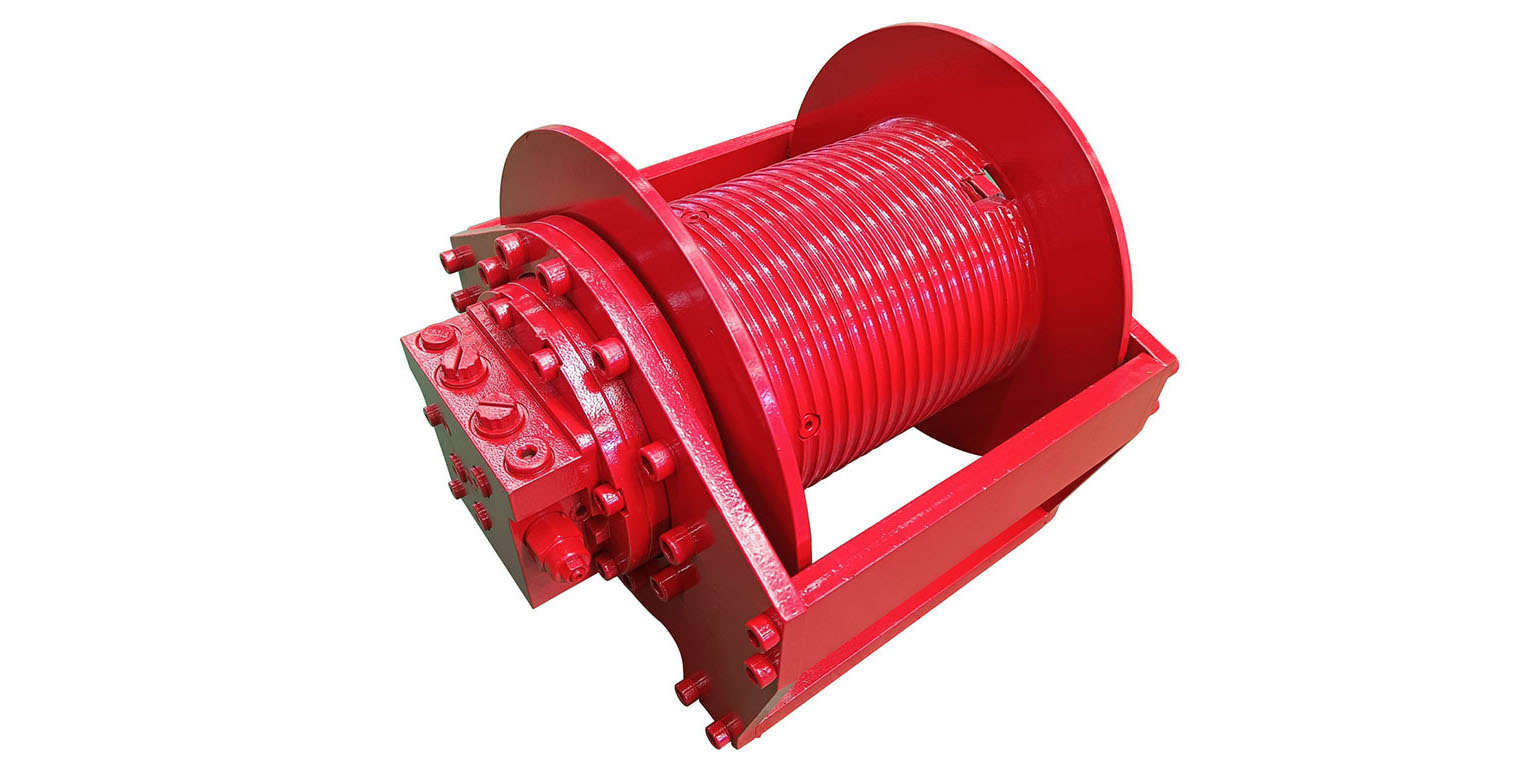
A Hydraulic Winch uses pressurized oil from a hydraulic pump to drive a motor and drum, while an electric winch uses an electric motor powered by a battery or mains supply. Hydraulic Winch systems typically offer higher continuous duty cycle and better heat management for heavy, long‑duration pulls compared with many electric winches.[7][4][1]
A Hydraulic Winch needs a brake valve because the hydraulic motor alone cannot safely hold a suspended load due to lack of self‑locking capability. The brake or load‑control valve coordinates with the mechanical brake to prevent runaway loads and provide smooth, controlled lowering in the circuit.[10][3]
Yes, a Hydraulic Winch can operate on open‑center or closed‑center circuits as long as the control valve and pump are matched to the system type. Many mobile Hydraulic Winch kits are supplied with valve options or conversion cartridges to suit either open‑center gear‑pump systems or closed‑center load‑sensing pumps.[12][11][8]
Line speed on a Hydraulic Winch is mainly controlled by adjusting hydraulic flow to the motor using proportional or metering sections in the directional valve. Some systems also use variable displacement pumps so changing pump output directly alters motor speed and therefore the line speed of the Hydraulic Winch.[11][6][1]
A Hydraulic Winch circuit requires regular inspection of hoses, fittings, and seals, plus scheduled replacement of filters and periodic oil changes to maintain cleanliness. Technicians should also test brake function, check for overheating, and verify that valves and relief settings stay within specification to keep the Hydraulic Winch safe and reliable.[6][10][1][3]
[1](https://landmarktools.com/blogs/guides/how-does-a-hydraulic-winch-work)
[2](https://www.tu.biz/video-blog/english/how-does-a-hydraulic-winch-work)
[3](https://www.hydromot.lu/techblog/en/hydraulics-lowering-brake-valves/)
[4](https://miseamachinery.com/hydraulic-winch/)
[5](https://www.parcommhydraulics.com/pdf/PD%20Series%20Winches.pdf)
[6](https://yuken-usa.com/pdf/special/Basic_Hydraulic_And_Components_(Pub._ES-100-2)_.pdf)
[7](https://apollooffroad.com/blogs/default-blog/blog-how-does-a-hydraulic-winch-work)
[8](https://www.munciepower.com/company/blog_detail/open_and_closed_center_hydraulic_systems)
[9](https://support.farmchem.com/knowledge-base/open-vs.-closed-hydraulic-centers)
[10](https://www.bucherhydraulics.com/en/news/newsblog/the-new-load-control-valve-for-winches-lcw)
[11](https://summit-hydraulics.com/open-center-vs-closed-center-hydraulic-systems/)
[12](https://vanair.com/open-closed-center-hydraulic-systems/)
[13](https://www.mchhydraulics.co.uk/what-is-the-difference-between-open-and-closed-center-hydraulics/)
[14](https://www.bloommfg.com/blog/post/everything-you-need-to-know-about-marine-hydraulic-winches)


