
Language
Views: 269 Author: Nancy Zhang Publish Time: 2026-01-01 Origin: Site


Content Menu
● Common Problems with Winches
>>> Causes
>>> Prevention
>> 2. Oil Leaks
>>> Causes
>>> Prevention
>>> Causes
>>> Prevention
>>> Causes
>>> Prevention
>>> Causes
>>> Prevention
>> Regular Maintenance Schedule
● Frequently Asked Questions (FAQ)
>> 1. What are the signs of a failing winch?
>> 2. How often should I perform maintenance on my winch?
>> 3. Can I operate a winch beyond its rated capacity?
>> 4. What should I do if I notice an oil leak?
>> 5. How can I improve the lifespan of my winch?
Winches are essential tools in various industries, including construction, marine, and utility sectors. They are designed to lift, pull, and move heavy loads efficiently. However, like any mechanical system, winches can encounter problems that may lead to operational failures. This article explores the common issues associated with winches, provides preventive measures, and enhances the overall understanding of their maintenance. By following the guidelines outlined here, operators can ensure the longevity and reliability of their winch systems.
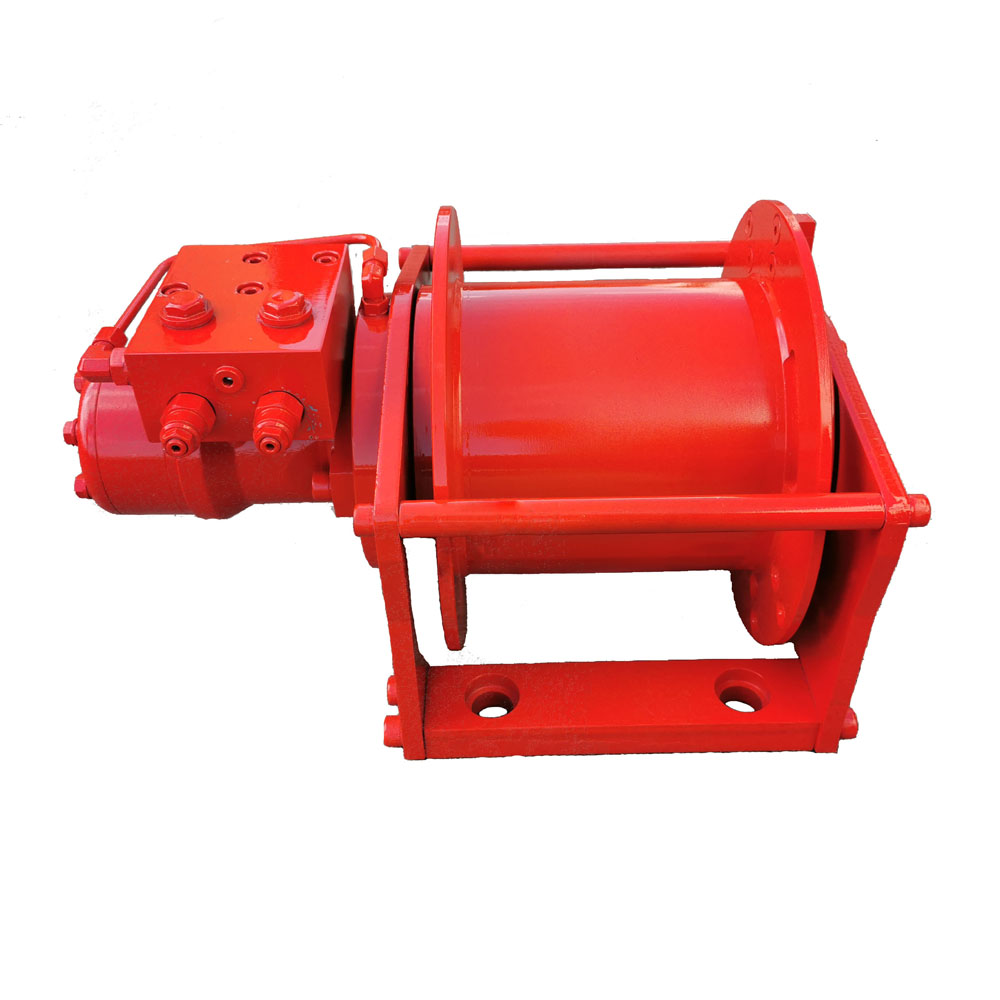
A winch is a mechanical device used to pull or lift heavy loads by winding a rope, cable, or chain around a drum. It can be powered by various sources, including electric motors, hydraulic systems, or manual cranks. The built-in brake system keeps the attached load secure when the winch is not in operation.
Drum: The cylindrical part around which the cable or rope is wound.
Motor: Provides the power needed to operate the winch.
Brake System: Ensures that the load remains secure when the winch is not in use.
Control System: Allows operators to manage the winch's operation effectively.
Overheating is one of the most common issues faced by winches. It can be caused by:
Excessive Load: Operating beyond the rated capacity can lead to overheating.
Insufficient Lubrication: Lack of proper lubrication increases friction and heat.
Poor Ventilation: Inadequate airflow around the winch can trap heat.
Regular Load Checks: Ensure that the winch is not overloaded.
Lubrication Maintenance: Regularly check and replace lubricants as needed.
Improve Ventilation: Ensure that the winch is installed in a well-ventilated area.
Oil leaks can occur due to:
Worn Seals: Over time, seals can degrade and allow oil to escape.
Improper Installation: Incorrect installation can lead to misalignment and leaks.
Physical Damage: Impacts or abrasions can damage the housing and cause leaks.
Regular Inspections: Check seals and gaskets for wear and replace them as necessary.
Proper Installation: Follow manufacturer guidelines during installation to ensure correct alignment.
Protective Measures: Use guards to protect the winch from physical damage.
Unusual noises, such as grinding or whining, can indicate:
Worn Gears: Gear teeth may be worn down, leading to poor engagement.
Loose Components: Loose bolts or parts can cause rattling sounds.
Lack of Lubrication: Insufficient lubrication can lead to metal-on-metal contact.
Routine Maintenance: Regularly inspect and tighten all components.
Lubrication Checks: Ensure that all moving parts are adequately lubricated.
Monitor Performance: Pay attention to any changes in noise levels during operation.
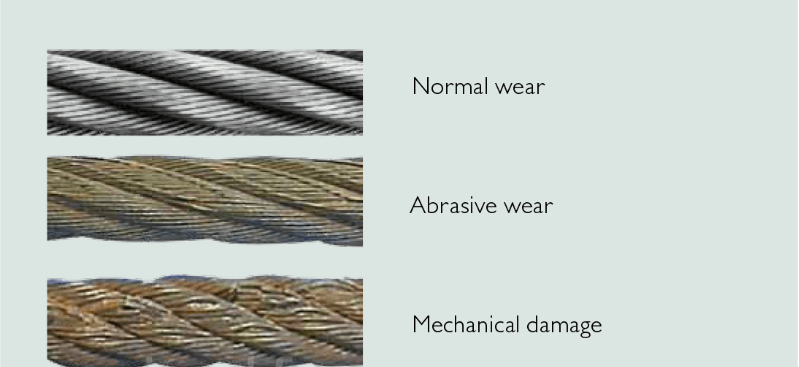
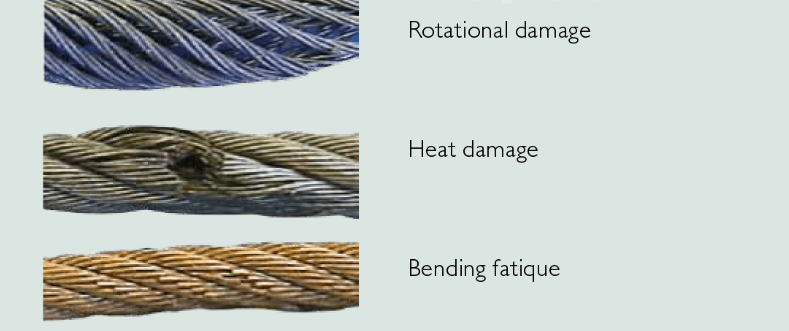
Cable wear can result from:
Excessive Load: Operating beyond the rated capacity can accelerate wear.
Poor Maintenance: Inadequate care can lead to fraying and damage.
Contaminants: Dirt and debris can enter the winch and cause damage.
Load Management: Always operate within the specified load limits.
Regular Inspections: Check cables for signs of wear and replace them as needed.
Proper Storage: Store winches in a clean, dry environment to prevent contamination.
Excessive vibration can be caused by:
Misalignment: Improper alignment of the motor and drum can lead to vibrations.
Worn Bearings: Bearings that are worn or damaged can cause instability.
Unbalanced Loads: Unevenly distributed loads can create vibrations during operation.
Alignment Checks: Regularly check and adjust the alignment of the motor and drum.
Bearing Maintenance: Inspect and replace bearings as needed.
Load Distribution: Ensure that loads are evenly distributed on the winch.
Establishing a regular maintenance schedule is crucial for the longevity of winches. This should include:
Daily Inspections: Check for leaks, unusual noises, and overall condition.
Weekly Lubrication: Ensure that all moving parts are adequately lubricated.
Monthly Performance Reviews: Monitor the performance of the winch to identify any potential issues early.
Proper training for operators is essential to ensure safe and efficient operation. Training should cover:
Load Limits: Understanding the maximum load capacity of the winch.
Operational Procedures: Best practices for operating the winch.
Emergency Protocols: Procedures to follow in case of a malfunction or emergency.
Incorporating technology can enhance the performance and reliability of winches. Consider:
Monitoring Systems: Use sensors to monitor temperature, load, and performance in real-time.
Data Analysis: Analyze performance data to identify trends and potential issues before they become serious problems.
Winches are vital components that require regular maintenance and attention to ensure optimal performance. By understanding the common problems associated with winches and implementing preventive measures, operators can enhance the reliability and longevity of their winch systems. Regular inspections, proper training, and the use of technology can significantly reduce the risk of failures and improve overall efficiency.
Signs of a failing winch include unusual noises, overheating, oil leaks, and excessive vibration.
It is recommended to perform daily inspections, weekly lubrication, and monthly performance reviews.
No, operating a winch beyond its rated capacity can lead to overheating, gear wear, and potential failure.
If you notice an oil leak, inspect the seals and gaskets for wear and replace them as necessary. Ensure proper installation to prevent future leaks.
To improve the lifespan of your winch, maintain a regular maintenance schedule, ensure proper lubrication, and operate within the specified load limits.


