
Views: 222 Author: Amanda Publish Time: 2026-01-02 Origin: Site


Content Menu
● What Is an Excavator Undercarriage?
● Typical Lifespan of an Excavator Undercarriage
● Key Factors That Affect Undercarriage Life
● How Undercarriage Wear Progresses Over Time
● How to Extend Excavator Undercarriage Life
● Maintenance Schedule Recommendations
● Operating Practices That Protect the Undercarriage
● When to Replace an Excavator Undercarriage
● Cost Considerations and Total Cost of Ownership
● How Global Worksites Influence Undercarriage Needs
● FAQ
>> 1. How many hours should an excavator undercarriage last?
>> 2. What is the most common cause of premature excavator undercarriage wear?
>> 3. How often should I inspect my excavator undercarriage?
>> 4. Does operator training really affect excavator undercarriage life?
>> 5. When is it better to rebuild rather than just replace a few excavator undercarriage parts?
A well-maintained excavator undercarriage typically lasts around 4,000–6,000 operating hours, but real-world life can range from roughly 2,500 up to 7,000 hours or more depending on conditions and care. Ground conditions, operating habits, machine configuration, and maintenance discipline all interact to determine how long an excavator undercarriage will actually perform before a major rebuild or replacement is required.[1][2]
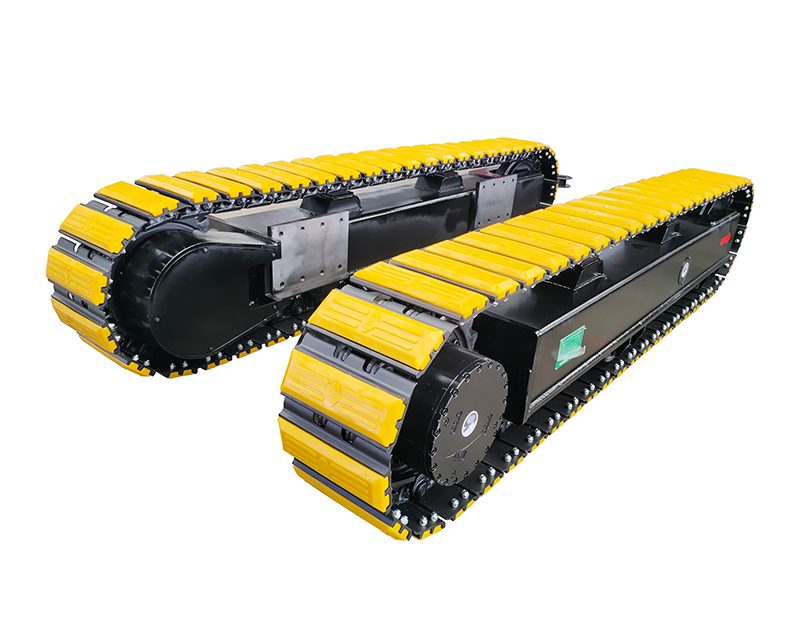
The excavator undercarriage is the tracked support and drive system beneath the upper structure of the machine, carrying the full weight of the excavator while transmitting power from the travel motors to the ground. It directly affects stability, traction, grading accuracy, and overall digging performance on every jobsite.[3][4]
Major components of an excavator undercarriage typically include:[3]
- Track chains that connect the links and allow the tracks to rotate around the frame
- Track shoes that provide ground contact, traction, and flotation
- Carrier rollers and bottom rollers that support and guide the track chain
- Idlers and recoil springs that help maintain proper track tension
- Drive sprockets that mesh with the track links and transfer torque from the travel drive
- Track frames and guards that support and protect the excavator undercarriage assembly
For specialized manufacturers like Kemer, which focus on systems such as travel drives, winch drives, planetary gearboxes, swing drives, and hydraulic motors, the excavator undercarriage is not an isolated structure but an integrated power-transmission platform that must work seamlessly with these drive components.[4]
In many construction fleets, a practical planning range for excavator undercarriage life is 4,000–6,000 operating hours under average conditions with consistent maintenance. However, this is only a baseline; specific jobsites and working styles can move actual excavator undercarriage life well below or above that range.[2][1]
Commonly referenced ranges for excavator undercarriage life are:[1]
- Severe service (sharp rock, quarry, demolition, high impact): about 2,500–4,000 hours
- Moderate service (typical earthmoving, mixed soils, some gravel): about 4,000–6,000 hours
- Light service (soft ground, low travel, controlled operation): often 6,000–7,000+ hours
Mini excavator undercarriage assemblies can show similar wear in terms of hours, but because they frequently operate in tight, obstacle-rich spaces, close inspection is still essential. For long-term planners, it is helpful to view the excavator undercarriage as a consumable system with an expected life window, rather than as a permanent structure.[2]
The nominal hour rating for an excavator undercarriage tells only part of the story; actual durability depends on a complex mix of environmental, mechanical, and human factors. Understanding these drivers allows contractors and fleet managers to proactively protect the excavator undercarriage and control lifetime operating costs.[2][3]
Important influences on excavator undercarriage life include:[2]
1. Ground conditions
- Abrasive sand and gravel grind away at track shoes and rollers.
- Sharp rock edges and demolition rubble chip, crack, and impact undercarriage parts.
2. Machine weight and configuration
- Heavier machines or added attachments increase ground pressure and stress undercarriage components.
- Oversized or mis-matched attachments can overload the excavator undercarriage during aggressive digging.
3. Operating technique
- High-speed travel on hard surfaces accelerates component fatigue.
- Frequent spin turns and counter-rotation put heavy side loads on the track chain and rollers.
4. Track shoe selection
- Shoes that are too wide for the ground conditions can increase side loading and wear, especially on firm surfaces.
- Shoes that are too narrow may cause high ground pressure and rapid wear when the excavator undercarriage works in soft, muddy soils.
5. Maintenance practices
- Regular cleaning, tension adjustment, and inspection dramatically slow wear rates.
- Neglected lubrication and missing hardware can lead to rapid damage and shortened excavator undercarriage life.
Because Kemer's product portfolio includes travel drives, planetary gearboxes, and hydraulic motors, proper transmission of torque and control to the excavator undercarriage is a critical factor in overall reliability and life expectancy.[4]
Excavator undercarriage wear does not progress in a perfectly linear way; it changes as components age and as other parts reach their own wear limits. Early detection of wear stages makes it possible to intervene before damage cascades through the system.[3][2]
Typical wear progression patterns in an excavator undercarriage include:[2]
1. Early stage
- Visual rounding of sprocket teeth and slight track bushing wear.
- Minor track sag but no de-tracking; machine operates normally.
2. Mid-life stage
- Noticeable roller and idler wear, greater track chain elongation, and more sag.
- Operator may sense increased vibration and slightly reduced traction.
3. Late stage
- Severe sprocket hooking, thin shoe plates, worn roller flanges, and unstable track tension.
- Frequent de-tracking, reduced stability, and escalating risk of structural damage to the excavator undercarriage and surrounding components.
At the late stage, continued operation without repair can cause damage to travel drives, output shafts, and hydraulic motors that power the excavator undercarriage, making the eventual repair significantly more expensive.[3]
Proper operating technique and disciplined maintenance can easily add thousands of productive hours to an excavator undercarriage. This directly reduces cost per hour, improves uptime, and protects critical drive components such as planetary gearboxes and travel motors connected to the undercarriage.[4][3]
Key strategies to maximize excavator undercarriage life include:[3]
1. Daily cleaning and inspection
- At the end of each shift, remove mud, clay, stones, and debris that pack around the excavator undercarriage.
- Look for cracked shoes, loose bolts, oil leaks from rollers, and signs of uneven wear.
2. Correct track tension
- Follow the machine's manual to set track tension within the recommended range.
- Remember that tracks that are too tight generate excess friction, while tracks that are too loose can jump off the frame and shock the excavator undercarriage.
3. Optimized operating habits
- Reduce unnecessary travel, particularly at high speed or over sharp obstacles.
- Use long, sweeping turns instead of pivoting on the spot, especially in abrasive or rocky ground.
4. Matching shoes to the ground
- Use narrower shoes in firm or rocky conditions to reduce side loads and shoe distortion.
- Use wider shoes in soft, muddy environments so the excavator undercarriage can float rather than sink and drag.
5. Timely partial replacement
- Replace worn sprockets, idlers, or rollers before they start to damage the track chain and other parts.
- Group replacements logically so new components are not prematurely worn out by badly worn mating parts.
For manufacturers and integrators like Kemer, engineering robust powertrains that deliver smooth, controlled torque to the excavator undercarriage further reduces stress and contributes to longer service life for customers worldwide.[4]
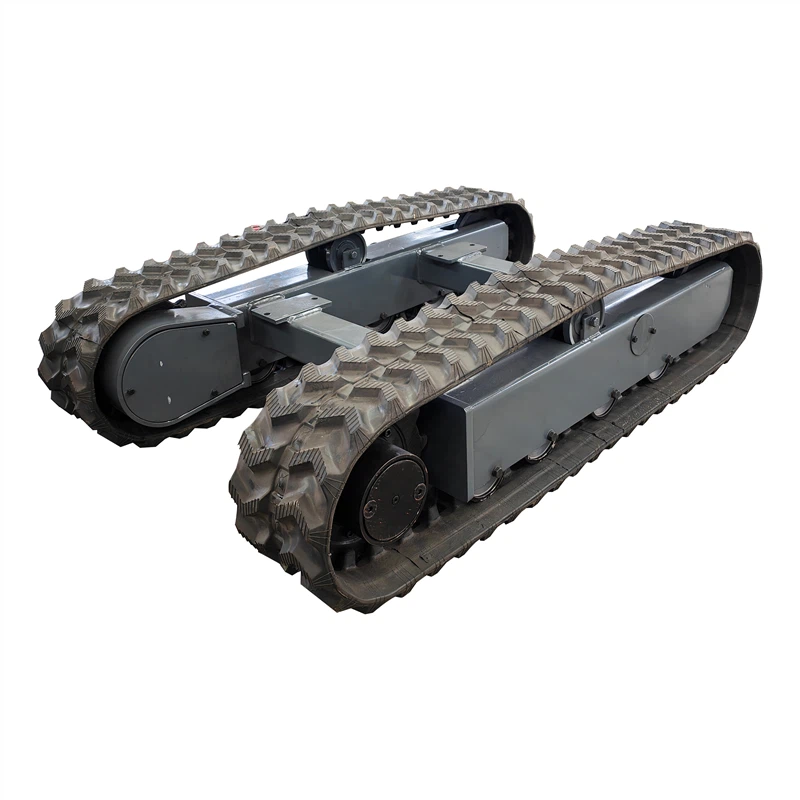
A structured maintenance schedule is one of the most efficient ways to manage excavator undercarriage life and avoid unexpected downtime. Planned inspections also allow managers to synchronize undercarriage work with other service tasks on travel drives, swing drives, and hydraulic systems.[2][3]
A practical maintenance framework for an excavator undercarriage might include:[3]
1. Every shift
- Conduct a walk-around to check for visible damage, missing hardware, or heavily packed material.
- Observe track alignment as the machine moves forward to detect misalignment or abnormal movement.
2. Every 250–500 hours
- Measure track chain wear, inspect rollers and idlers for flat spots and wear, and evaluate sprocket tooth shape.
- Check track tension under operating conditions and adjust as required to protect the excavator undercarriage.
3. Every 1,000–2,000 hours
- Perform a detailed undercarriage audit: note wear percentages on all components, measure frame alignment, and evaluate whether partial or full replacement will soon be needed.
- Coordinate undercarriage planning with inspections on travel drives, swing drives, winch drives, and hydraulic motors so the entire drivetrain is assessed together.
Documenting inspection results creates a historical record that can be used to predict future excavator undercarriage replacements and budget accordingly.[2]
Operator behavior is one of the most powerful levers for influencing excavator undercarriage life. Even on the same jobsite, two operators can produce very different wear patterns and replacement intervals based on how they control the machine.[3][2]
Helpful operating practices for preserving the excavator undercarriage include:[2]
1. Plan movements
- Position the excavator so it can work within a limited swing and travel range instead of constantly repositioning.
- Use the upper structure swing rather than driving the machine to reach every spot.
2. Avoid unnecessary spinning
- Only use spot turns when absolutely necessary and at low speed.
- On slopes, travel straight up or down whenever possible, rather than sideways, to reduce side loads on the excavator undercarriage.
3. Respect load limits
- Avoid overloading the bucket or handling oversized rocks that force the operator to drag the excavator undercarriage over obstacles.
- Reduce speed when traveling with a raised or full bucket, especially in rough ground.
4. Use proper modes and settings
- Select appropriate power modes and travel speeds for the task at hand.
- In tight or cluttered areas, slower travel reduces the risk of impacts that could bend or crack undercarriage components.
Training programs that explicitly focus on undercarriage-friendly techniques often deliver measurable increases in excavator undercarriage life across a fleet.[2]
Eventually, every excavator undercarriage reaches a point where continued operation is more costly than replacement or rebuild. Knowing the warning signs and planning ahead avoids catastrophic failures that could also damage travel drives, planetary gearboxes, and other drivetrain components.[3][2]
Indicators that an excavator undercarriage is nearing the end of its useful life include:[2]
- Persistent difficulty maintaining track tension, with frequent adjustments needed
- Noticeable hooking or sharp, pointed sprocket teeth
- Severe wear on roller flanges and idlers, leading to tracking problems
- Chronic de-tracking or track derailment under normal working conditions
- Reduced stability, increased vibration, and unusual noises from the excavator undercarriage during travel
At this stage, many owners choose a comprehensive undercarriage rebuild—replacing the track group, rollers, idlers, and sprockets together—rather than piecemeal repairs. This approach restores the excavator undercarriage to a known condition and protects other high-value drivetrain parts from further damage.[3][2]
Because the excavator undercarriage can account for a substantial portion of the overall owning and operating costs of a tracked machine, managing its life is financially important. Contractors who understand undercarriage economics can make better decisions about machine selection, replacement timing, and maintenance investment.[1][2]
Several cost-related points are useful when evaluating excavator undercarriage life:[1]
1. Cost per hour vs. cost per component
- A more expensive undercarriage that lasts significantly longer can deliver a lower cost per hour.
- Cheaper parts that fail early may appear economical up front but raise total cost over the life of the excavator undercarriage.
2. Downtime and project impact
- Unplanned failures in the undercarriage can halt production and delay projects, adding indirect costs beyond parts and labor.
- Planned rebuilds can be scheduled between major jobs to minimize disruption.
3. Integration with drivetrain components
- Protecting travel drives, swing drives, winch drives, and hydraulic motors connected to the excavator undercarriage helps avoid major secondary failures.
- Using quality components from a specialized manufacturer like Kemer supports better long-term cost control through improved durability and compatibility.
Monitoring cost per hour for each machine and relating it to undercarriage life gives managers a clear view of how operating practices and maintenance choices impact profitability.[1]
Kemer serves global customers whose excavator undercarriage requirements vary widely by region and application, from dense urban foundations to remote mining operations. Each environment places different stresses on undercarriage components, which must be addressed through configuration and maintenance strategies.[4][3]
Examples of regional and application-driven differences include:[2]
1. Urban construction
- Frequent travel on hard, paved surfaces can accelerate wear on track shoes and road-liner pads.
- Tight workspaces require precise maneuvering to avoid impacts that can damage the excavator undercarriage.
2. Forestry and soft ground work
- Machines may need wider shoes and longer track frames to spread load and reduce ground pressure.
- The excavator undercarriage must cope with thick mud, roots, and organic debris that can pack into rollers and idlers.
3. Quarries and heavy rock applications
- Abrasive rock and constant impacts demand reinforced shoes, heavy-duty rollers, and high-grade steels.
- The excavator undercarriage can experience extreme shock loads when working on uneven, broken rock surfaces.
By aligning undercarriage configurations, drive systems, and maintenance programs with local conditions, global users can significantly extend excavator undercarriage life and maintain consistent performance.[3]
The lifespan of an excavator undercarriage is shaped by a combination of design quality, operating environment, maintenance discipline, and operator technique, rather than a single fixed hour number. While many machines will see a typical excavator undercarriage life of 4,000–6,000 hours, thoughtful configuration, careful driving habits, regular cleaning, and timely replacement of wear components can push real-world performance toward the upper end of that range—and sometimes beyond it. For a specialist manufacturer like Kemer, integrating robust travel drives, winch drives, planetary gearboxes, swing drives, and hydraulic motors with a durable excavator undercarriage is central to delivering long-lasting, efficient solutions that meet the demands of customers across diverse global worksites.[1][4][2]
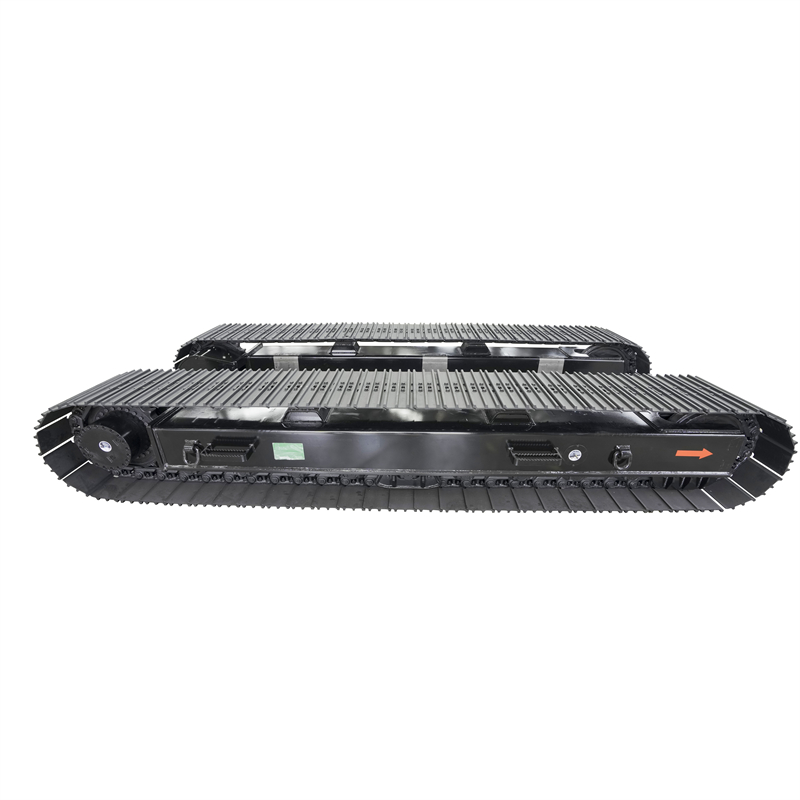
Most contractors plan for roughly 4,000–6,000 hours of service life for a standard excavator undercarriage working in mixed soils with regular maintenance. In particularly harsh conditions—such as quarries, demolition, or highly abrasive sand—the excavator undercarriage may reach economic wear limits closer to 2,500–4,000 hours, while light service in soft soils can extend life beyond 6,000–7,000 hours.[1][2]
The most common causes of premature excavator undercarriage wear are abrasive ground conditions combined with poor operating practices like constant spinning, high-speed travel on hard surfaces, and tight pivot turns. When these factors are compounded by infrequent cleaning and incorrect track tension, the excavator undercarriage wears out far sooner than its design potential.[3][2]
A daily visual inspection of the excavator undercarriage is recommended, focusing on obvious damage, loose hardware, and packed debris. More detailed inspections, including measuring track wear and checking rollers, idlers, and sprockets, should generally be carried out every 250–500 operating hours, with comprehensive assessments around each 1,000–2,000-hour mark.[2][3]
Yes, operator training has a direct and significant impact on excavator undercarriage life. Operators who minimize unnecessary travel, avoid high-speed moves on rough ground, use wider turns instead of spin turns, and respect load limits can add thousands of hours to the life of the excavator undercarriage compared with untrained or careless operation.[3][2]
If several components—such as track chains, rollers, idlers, and sprockets—are all approaching their wear limits, a comprehensive rebuild of the excavator undercarriage is usually more economical than serially replacing individual parts. A full rebuild restores balance between mating surfaces, protects associated drivetrain equipment such as travel drives and planetary gearboxes, and reduces the risk of repeated downtime due to cascading component failures.[2][3]
[1](https://www.cnkmf.com/how-long-should-an-undercarriage-last-on-an-excavator)
[2](https://www.fl-part.com/what-is-the-life-expectancy-of-an-excavator-undercarriage/)
[3](https://www.hemsltd.com/blog-undercarriage/)
[4](https://www.ascendummachinery.com/excavator-undercarriage-the-hidden-key-to-peak-performance/)


