
Views: 222 Author: Amanda Publish Time: 2026-01-02 Origin: Site


Content Menu
● What Is an Excavator Undercarriage?
● Why Undercarriage Choice Matters
● Main Places to Buy Excavator Undercarriage
>> OEM dealers
>> Direct from manufacturers (Kemer and others)
● OEM vs Aftermarket vs Manufacturer (Kemer)
● Practical Buying Steps for Excavator Undercarriage
>> 1. Define machine and application
>> 2. Inspect the existing excavator undercarriage
>> 3. Shortlist potential suppliers
>> 4. Request quotations and technical proposals
>> 5. Confirm logistics, service, and support
● Why Many Buyers Choose Kemer
>> Specialized focus on crawler systems
>> Integration of drives, gearboxes, and undercarriage
>> Global reach and project experience
● FAQ
>> 1. What does an excavator undercarriage include?
>> 2. How often should excavator undercarriage be inspected?
>> 3. Are aftermarket excavator undercarriage parts reliable?
>> 4. Can Kemer provide custom crawler undercarriage solutions?
>> 5. What information is needed to order the correct excavator undercarriage?
Excavator undercarriage is one of the most critical systems on any machine, and choosing where to buy it directly affects uptime, lifetime cost, and job-site safety. For global buyers, the best options are specialized undercarriage manufacturers such as Kemer, reputable aftermarket suppliers, and verified OEM dealers that can match exact applications and budgets.[1][2][3][4][5]
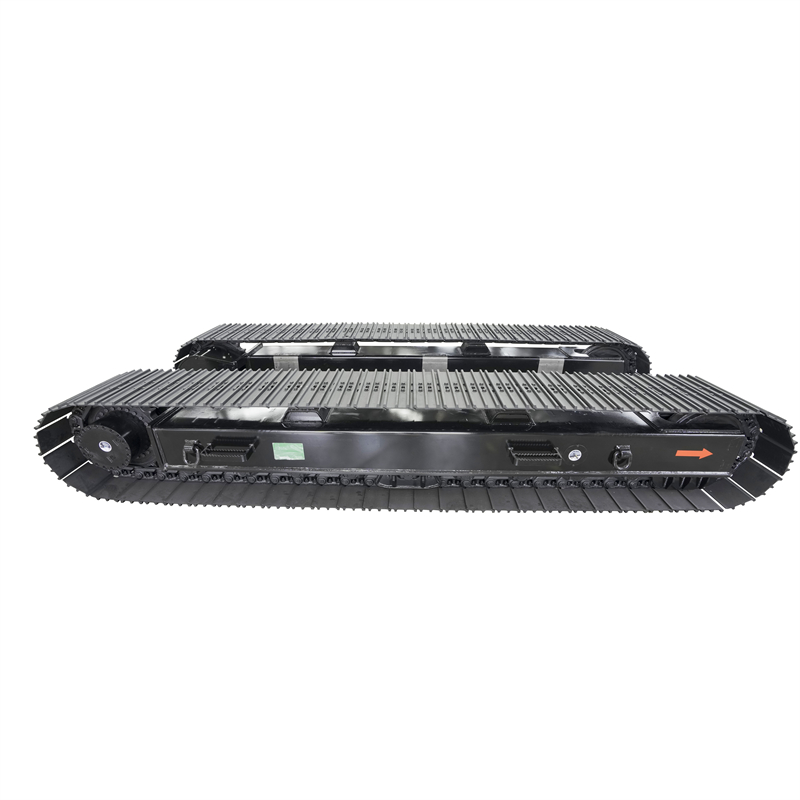
An excavator undercarriage is the complete tracked foundation that supports the machine's weight, provides stability, and enables movement across challenging ground conditions. It brings together structures and moving parts that work as a system to deliver traction, balance, and durability in harsh environments.[2][6][7][1]
Key components of an excavator undercarriage include:
- Track frame and track shoes or rubber tracks that transfer machine weight to the ground.[7][2]
- Track chains, rollers, idlers, and drive sprockets that guide and propel the tracks smoothly.[8][2]
- Final drives and travel motors that convert hydraulic power into reliable travel torque.[7][8]
Within a well-designed excavator undercarriage, each component is matched for hardness, lubrication, and load capacity so that wear occurs gradually and evenly over thousands of operating hours. This system approach is why many professional suppliers provide detailed diagrams, animations, and technical clips that illustrate how excavator undercarriage parts interact during digging, traveling, and turning.[1][2][8][7]
The excavator undercarriage can represent a large share of the machine's lifetime operating cost, often accounting for a significant percentage of total maintenance expenses. When the wrong undercarriage is selected, premature wear, downtime, and higher fuel consumption quickly erase any short-term savings.[4][6][8][1]
When selecting where to buy excavator undercarriage, responsible buyers focus on:
- Compatibility with specific OEM brands and models such as Caterpillar, Komatsu, Deere, Hitachi, and others.[3][9][4]
- Material quality, heat treatment, and sealing that resist abrasion, impact, and contamination in heavy-duty work.[10][4][8]
- Supplier engineering support, technical documentation, and clear visuals of excavator undercarriage assemblies in real field conditions.[11][2][3]
Reliable suppliers increasingly use technical illustrations, step-by-step maintenance sequences, and training presentations to help fleet managers understand the impact of proper tensioning, lubrication, and operating practices on excavator undercarriage life. This educational support can be as important as the hardware itself when the goal is to reduce cost per hour and avoid unplanned failures.[6][4][8][1]
Different purchasing channels suit different fleet sizes, project types, and geographic locations. The primary options are OEM dealers, aftermarket specialists, and direct-from-manufacturer sources such as Kemer, each with distinct strengths for excavator undercarriage buyers.[5][12][3][4]
Authorized OEM dealers specialize in genuine excavator undercarriage parts designed for specific machine models. Buyers typically gain strong technical support and warranty coverage, along with detailed service literature and training material for every undercarriage configuration.[9][13][4]
Advantages of OEM sources for excavator undercarriage include:
- High confidence in fit and performance for the exact model and serial number.[13][4][9]
- Access to updated designs, reinforced components, and approved upgrade kits tested by the manufacturer.[4][10][13]
- Professional service teams that provide inspection standards and replacement procedures to keep excavator undercarriage systems within safe operating limits.[6][13][4]
OEM dealers are often the first stop for newer machines still under warranty or for highly specialized excavator undercarriage designs where proprietary parts are required. In such cases, authorized networks can offer quick diagnosis and structured maintenance programs that integrate undercarriage inspections into broader equipment health plans.[13][4][6]
Quality aftermarket suppliers provide excavator undercarriage components that meet or exceed OEM standards while controlling cost. Companies in this space usually carry broad inventories and can ship quickly to job sites facing downtime risk.[14][3][10][4]
When buying excavator undercarriage from aftermarket providers, key benefits include:
- Competitive pricing on track chains, rollers, sprockets, idlers, and rubber tracks for many brands.[15][3][4]
- Broad coverage across excavators, dozers, compact track loaders, and other tracked machines.[3][10][4]
- Online catalogs that present component details, fitment diagrams, and maintenance guidelines to simplify selection.[14][15][3]
The best aftermarket partners invest in metallurgy, surface hardening, and seal technology so that their excavator undercarriage parts stand up to severe abrasion and shock loads. They also provide wear charts, inspection intervals, and installation instructions to help technicians get full value from each undercarriage replacement.[8][10][1][4][6]
For OEMs, custom equipment builders, and high-volume users, buying excavator undercarriage directly from a specialized manufacturer such as Kemer provides strong technical and commercial advantages. Kemer focuses on crawler undercarriage systems, hydraulic drives, and related transmissions, serving global customers with tailored solutions.[12][16][17][5]
Benefits of working with a dedicated excavator undercarriage manufacturer like Kemer include:
- Custom-engineered steel or rubber tracked chassis from approximately 1 ton to 30 tons and beyond, matched to load and ground conditions.[16][18][5]
- Integrated solutions that combine crawler undercarriage, planetary gearboxes, hydraulic winches, travel drives, swing drives, and hydraulic motors into one optimized system.[5][12][16]
- Engineering communication supported by detailed dimensional drawings, project cases, and application examples showing undercarriage modules installed on drilling rigs, excavators, piling machines, and mobile crushers.[17][18][5]
For buyers developing new machines or upgrading specialized equipment, this level of engineering partnership can be decisive when choosing where to buy excavator undercarriage. Instead of adapting standard parts, project teams can define their required track gauge, ground clearance, travel speed, and gradient capability, then receive a matched undercarriage design.[18][12][16][5]
The comparison below highlights major differences among three main channels for excavator undercarriage purchases.[3][4][5]
Aspect | OEM dealer | Aftermarket specialist | Manufacturer (e.g., Kemer) |
Typical buyer | Owners of branded excavators seeking genuine excavator undercarriage components. | Fleets needing cost-effective excavator undercarriage replacement across many brands. | OEMs, integrators, and users needing engineered excavator undercarriage systems. |
Customization | Limited to OEM options and factory kits. | Limited; focuses on standard replacement parts for existing models. | High; crawler chassis, track type, and drives tailored to application. |
Cost level | Generally highest for comparable excavator undercarriage parts. | Moderate, with strong value for heavy users. | Competitive for complete excavator undercarriage and crawler modules at scale. |
Support | Dealer service network, field technicians, and maintenance documentation. | Parts specialists providing cross-reference assistance and online resources. | Direct engineering support, drawings, and application feedback for excavator undercarriage selection. |
Global reach | Strong in regions where the brand is established. | Often regional or national networks with multi-warehouse coverage. | Export-oriented supply into many countries via project-based logistics. |
When buyers view the excavator undercarriage market through this lens, they can quickly align each supplier type with different project phases. For example, OEM dealers may support warranty periods, aftermarket specialists may handle mid-life replacements, and manufacturers like Kemer may provide complete undercarriage platforms for new equipment lines.[16][4][5][3]
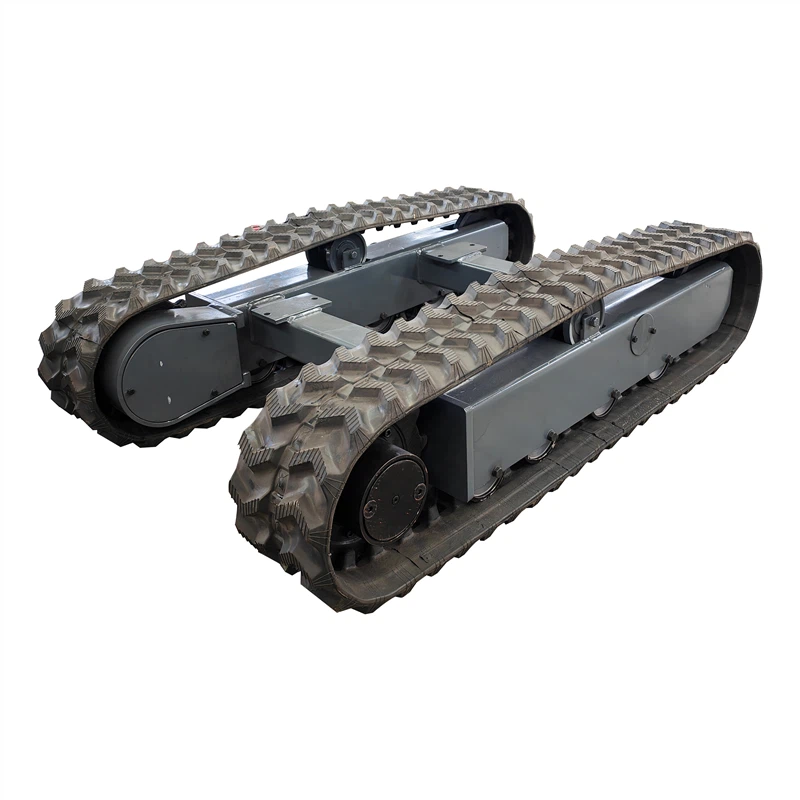
A structured procurement process ensures the right excavator undercarriage arrives on time and performs as expected. The steps below can guide maintenance managers, contractors, and OEM project teams.[6][8]
Before requesting quotations, buyers should clarify machine identity and operating profile. This includes brand, model, serial number, operating weight, attachment type, and typical working environment for the excavator undercarriage.[9][7][3]
Important points to record include:
- Ground conditions such as rock, demolition debris, compacted soil, sand, or swampy terrain.[2][1][6]
- Average travel distances, grades, and duty cycles, including how often the excavator undercarriage works on slopes or turns sharply while loaded.[1][6]
With this information, suppliers can recommend appropriate shoe width, track type, and roller configuration to balance traction, flotation, and wear life on the excavator undercarriage.[2][8][6]
Inspection of current components provides a baseline for sizing and quality decisions. Technicians should measure wear on track chains, rollers, idlers, and sprockets using OEM or supplier reference values for the excavator undercarriage.[4][8][1]
During this inspection, it is useful to:
- Note uneven wear that may indicate misalignment, incorrect track tension, or harsh operating practices.[8][1][6]
- Record any damage such as cracked shoes, broken links, leaking roller seals, or abnormal noise coming from the excavator undercarriage during movement.[1][6]
This data helps determine whether to replace individual parts or to select a more complete excavator undercarriage package to restore system balance.[4][8][1]
With technical and wear information in hand, buyers can identify which channel best suits their excavator undercarriage needs. Options may include OEM dealers, aftermarket specialists, and engineering manufacturers such as Kemer for custom or modular crawler assemblies.[5][3][4]
When shortlisting, consider:
- Product range and depth of excavator undercarriage catalogs for your machine class.[9][3][4]
- Experience serving similar industries, such as construction, mining, tunneling, or renewable-energy projects that rely on tracked machinery.[16][6][4]
Buyers can also evaluate testimonials, reference projects, and technical resources that show how each supplier supports excavator undercarriage customers over the long term.[17][18][4]
When requesting quotations, it is best to ask for more than pricing alone. A strong excavator undercarriage proposal should define material specifications, hardness ranges, seal types, and expected service life under given working conditions.[10][3][8][4]
Useful items to request from undercarriage suppliers include:
- Detailed parts lists and exploded views for the proposed excavator undercarriage configuration.[7][2][9]
- Mounting dimensions, weight data, and any special installation requirements related to the excavator undercarriage.[18][5][16]
Comparing these technical details across multiple suppliers helps ensure that buyers are evaluating equivalent excavator undercarriage solutions, not just low prices.[10][3][4]
Logistics and after-sales support can make as much difference as the hardware itself, especially for time-sensitive projects. Buyers should clarify lead times, packing methods, export procedures, and warranty conditions for excavator undercarriage deliveries.[5][16][4]
When finalizing a decision, consider:
- Availability of remote technical assistance, training, and maintenance guides tailored to excavator undercarriage service.[13][6][4]
- Spare-parts strategies that ensure future availability of compatible rollers, links, and other wear parts for the selected excavator undercarriage.[19][3][4]
Suppliers that combine strong logistics with reliable technical support can significantly reduce risk in complex excavator undercarriage projects.[16][4][5]
Kemer dedicates its operations to crawler undercarriage systems, hydraulic winches, planetary gearboxes, travel drives, swing drives, and hydraulic motors that work together as complete motion solutions. This specialization allows Kemer to serve excavator undercarriage needs for custom machinery builders, EPC contractors, and industrial users worldwide.[12][5][16]
Kemer develops and manufactures steel tracked and rubber tracked undercarriage assemblies across multiple capacity ranges. The product portfolio covers compact platforms for smaller equipment as well as heavy crawler bases suitable for drilling rigs, material-handling machines, and large excavators.[12][18][5][16]
Because Kemer concentrates on crawler technology, the company can optimize excavator undercarriage designs for traction, stability, and maintainability in demanding environments. This focused expertise is valuable for customers that need both reliable components and engineering guidance during equipment development.[12][5][16]
Beyond the structural elements of the excavator undercarriage, Kemer produces planetary gearboxes, travel drives, swing drives, and hydraulic winches. These components are designed to integrate directly with crawler frames, forming cohesive drive systems for tracked equipment.[5][12][16]
For buyers, integrating excavator undercarriage assemblies with matched drives and gearboxes yields:
- Simplified engineering, since key interfaces and load cases are already coordinated at the design stage.[12][16][5]
- Higher reliability, because the undercarriage, drive, and hydraulic components are developed as a system rather than as separate parts.[5][12]
This approach is particularly attractive for manufacturers building new machines or upgrading existing products that rely heavily on excavator undercarriage performance.[16][12][5]
Kemer serves markets in Europe, North America, Asia-Pacific, the Middle East, and other regions through export-oriented operations. The company's crawler products are used in applications such as construction machinery, drilling equipment, energy projects, and industrial handling systems that depend on robust excavator undercarriage solutions.[17][18][12][5]
International customers benefit from:
- Flexible manufacturing capacity that supports both standard and customized excavator undercarriage designs.[18][16][5]
- Project-based logistics planning to coordinate shipments, documentation, and packaging suited to long-distance transport.[12][16][5]
For organizations looking for a long-term partner rather than a one-time supplier, this combination of engineering competency and export experience makes Kemer a strong candidate when deciding where to buy excavator undercarriage.[16][5][12]
Choosing where to buy excavator undercarriage is a strategic decision that influences machine availability, cost per hour, and operator safety on every project. By comparing OEM dealers, aftermarket specialists, and focused manufacturers like Kemer, buyers can align undercarriage performance, price, and customization with the exact requirements of their fleets and applications. Kemer's concentration on crawler undercarriage, hydraulic winches, planetary gearboxes, travel drives, swing drives, and hydraulic motors positions the company to deliver tailored, high-value excavator undercarriage systems to customers around the world.[3][6][1][4][5][12][16]
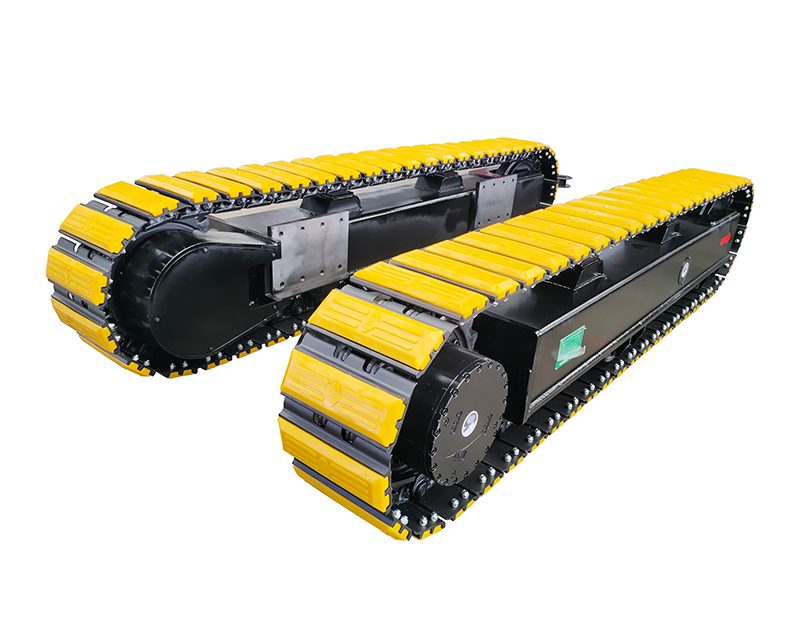
An excavator undercarriage typically includes the track frame, track shoes or rubber tracks, track chains, bottom rollers, carrier rollers, idlers, and drive sprockets. Many machines also integrate final drives and travel motors within the undercarriage zone to convert hydraulic power into travel motion.[2][7][8]
Undercarriage inspection frequency depends on working conditions, but many experts recommend at least a visual check at each shift and a more detailed measurement schedule based on hours worked. Regular inspection of the excavator undercarriage helps detect abnormal wear early, preventing unexpected failures and reducing long-term repair costs.[6][8][1]
Reputable aftermarket suppliers provide excavator undercarriage components that meet or exceed OEM specifications when produced under strict quality systems. Buyers should look for clear material data, testing procedures, warranty terms, and documented field performance before choosing a specific aftermarket line.[15][10][3][4]
Kemer develops and manufactures steel and rubber crawler undercarriage assemblies that can be customized for different load capacities, dimensions, and applications such as drilling rigs, excavators, and mobile crushers. The company combines undercarriage engineering with hydraulic winches, planetary gearboxes, travel drives, swing drives, and hydraulic motors to deliver integrated solutions.[17][18][5][12][16]
To order the correct excavator undercarriage, buyers should provide machine brand, model, serial number, current track type, and details of the working environment. Sharing measurements, wear records, and project requirements allows suppliers such as OEM dealers, aftermarket specialists, or Kemer to propose the most suitable configuration.[7][8][9][3][6][5]
[1](https://hawkexcavator.com/excavator-undercarriage/)
[2](https://northamericantrack.com/en/blog/the-ultimate-guide-to-excavator-undercarriage-parts)
[3](https://dmcwearparts.com/undercarriage-parts/excavator/)
[4](https://www.empiretractorparts.com/undercarriage)
[5](https://sallykemer.goldsupplier.com)
[6](https://www.fortishd.com/blogs/repair/understanding-the-undercarriage-of-heavy-equipment)
[7](https://www.conequip.com/part-diagram-excavator-undercarriage)
[8](https://www.ynfmachinery.com/excavator-undercarriage-parts-diagram-functions-explained/)
[9](https://www.conequip.com/parts/parts-by-component/undercarriage-parts)
[10](https://www.itramerica.com/products/undercarriage/)
[11](https://www.ironcladcompany.com/catalog/undercarriages/excavator-undercarriages)
[12](https://nbkemer.en.made-in-china.com)
[13](https://www.cat.com/en_US/products/new/parts/undercarriage/undercarriage-med-lg-xcavators.html)
[14](https://www.tvh.com/parts/parts-for/small-earth-moving-equipment/mini-excavators/undercarriage-parts)
[15](https://www.myteeproducts.com/farm-supplies/undercarriage-parts.html)
[16](http://en.china-kemer.com)
[17](https://www.facebook.com/100087575871051/)
[18](https://china-kemer.en.alibaba.com/productgrouplist-802248611/Track_Undercarriage.html)
[19](https://www.hrparts.com/construction-parts/undercarriage)


